Blog

How to Source Sustainable Stoneware Ceramics?

How to Source Sustainable Stoneware Ceramics?

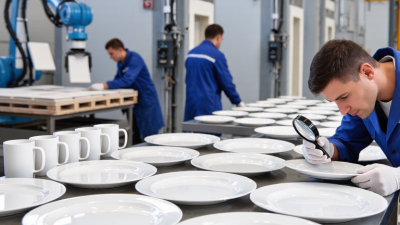
Sourcing Sustainable Stoneware Ceramics takes more than choosing a natural-looking glaze or earthy color. Buyers need to understand how the clay is sourced, how products are fired, and how suppliers support long-term use. A sturdy plate that survives frequent washing may create less waste than a fragile piece replaced after a few months. Still, durability claims deserve evidence, not just attractive product photography. Ask suppliers about clay origins, kiln energy, production waste, and packaging materials. Request current documentation for glaze composition and relevant food-contact testing. Check whether product specifications explain care, repair options, and expected use. A supplier’s sustainability statement is useful, but it should connect to measurable practices. Look for clear answers. When details are missing, ask again. Some workshops may not track every impact, and that limitation should be acknowledged rather than glossed over. Samples can reveal uneven rims, rough foot rings, or glaze variations that catalog images hide. These may be harmless signs of handmade production, but buyers should decide whether they meet their quality needs. Compare suppliers using the same questions, and keep records of their responses. There is rarely a perfect option; trade-offs between local production, energy use, price, and durability can be difficult to weigh. Stay curious, and verify what matters.
Read more »
Amelia By:Amelia - October 31, 2026
Top B2B Ceramic Manufacturers for Global Buyers

Top B2B Ceramic Manufacturers for Global Buyers

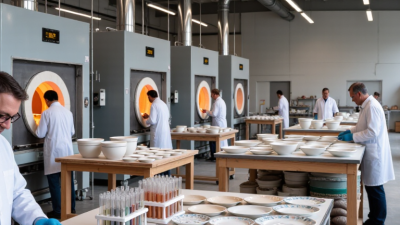
Choosing the right B2B Ceramic Manufacturer can shape product quality, delivery stability, and long-term business performance. Global buyers often compare factories by more than catalog images. They examine material consistency, firing temperatures, glaze quality, production capacity, and export experience. A reliable supplier should explain these details clearly. They should also provide samples, technical specifications, packaging plans, and realistic lead times. This guide introduces leading ceramic manufacturers serving international buyers across tableware, sanitaryware, tiles, decorative products, and industrial applications. It considers practical evidence, including factory capabilities, quality-control procedures, certifications, customization options, and communication standards. A strong manufacturer may offer automated molding, skilled hand-finishing, or both. The best choice depends on the buyer’s product requirements, target market, order volume, and budget. Samples can reveal small but important differences. Check the rim smoothness, glaze coverage, color variation, and carton protection. Ask how defects are recorded and corrected. Also review payment terms, inspection arrangements, and after-sales support. Some manufacturers appear impressive online but provide limited technical information. That deserves careful attention. No supplier is perfect. A factory may have excellent craftsmanship but limited production capacity. Another may offer competitive pricing but slower communication. Buyers should verify claims through samples, factory audits, independent inspections, and documented references where available. This approach reduces avoidable risk without relying on marketing language alone. The following overview provides a practical starting point for comparing capable ceramic partners in the global B2B market.
Read more »
Amelia By:Amelia - October 26, 2026
Why Choose Custom Backstamp Ceramics for Your Brand?

Why Choose Custom Backstamp Ceramics for Your Brand?

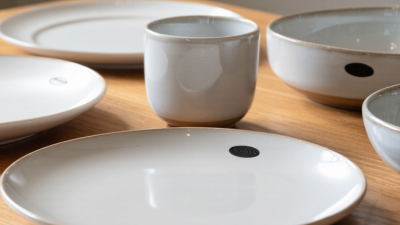
A ceramic piece can carry a brand before anyone reads the menu. The underside can carry it longer. Custom Backstamp Ceramics places a fired maker’s mark beneath each plate, cup, or serving piece. It can show a logo, collection name, origin, or small production code. This detail remains visible during unpacking, cleaning, and replacement ordering. Market evidence supports stronger investment in branded tableware. Grand View Research’s Tableware Market Size, Share & Trends Analysis Report estimates the global tableware market will expand steadily through 2030. IMARC Group also reports continued growth in tableware demand, driven by hospitality, gifting, and premium home dining. These reports do not measure Custom Backstamp Ceramics directly. That limitation matters. Still, they indicate a larger commercial appetite for distinctive, durable dining products. A custom mark can help connect those products with one recognizable identity. Ceramic artist and author Edmund de Waal describes ceramics as “a way of thinking with your hands.” His observation fits the backstamp’s quiet role. It turns a physical object into evidence of care, origin, and continuity. A restaurant guest may never see it. A buyer, collector, or chef often will. That small oval mark can sit beneath a matte white plate, beside a kiln-fired date, or under a hand-glazed rim. It is not magic. Poor artwork, weak firing, or inconsistent placement can damage credibility. Careful sampling remains essential. For brands seeking memorable tableware, Custom Backstamp Ceramics offers a practical identity system, not merely decoration.
Read more »
Oliver By:Oliver - October 21, 2026
10 Tips for Sourcing Reactive Glaze Stoneware?

10 Tips for Sourcing Reactive Glaze Stoneware?

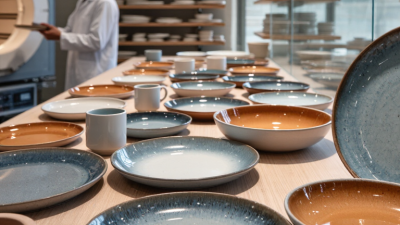
Sourcing Reactive Glaze Stoneware looks simple until the first sample arrives. The color may shift from blue-gray to amber under different light. Small pools, speckles, and flowing edges are expected. Yet uneven glaze, sharp rims, pinholes, or unstable food-contact surfaces are not acceptable surprises. The global dinnerware market was valued at approximately USD 42.7 billion in 2021 and may reach USD 67.4 billion by 2031, according to Allied Market Research. This growth increases supplier choice, but it also creates more room for inconsistent specifications. Reactive glaze products are rarely measured as a separate market category. That gap matters. Buyers must verify factory data instead of trusting broad market claims. John Britt, author of The Complete Guide to High-Fire Glazes, emphasizes a practical rule: “Every glaze needs to be tested.” His point remains highly relevant when evaluating color variation, glaze fit, firing temperature, and leaching performance. Details reveal quality. Check the foot ring for rough clay. Inspect the rim against a glass surface. Request fired samples from the same production batch. Ask for test records, clay-body composition, firing range, and food-contact documentation. A supplier’s polished catalog cannot replace physical inspection. There is no perfect checklist. Some variation gives Reactive Glaze Stoneware its character. Too much variation weakens a collection. This guide presents ten sourcing tips for balancing handmade appearance, production consistency, safety evidence, and commercial practicality. Mistakes can still happen. Better sourcing simply makes them less expensive and easier to detect.
Read more »
Oliver By:Oliver - October 16, 2026
2026 Best Stoneware Baking Dishes for Wholesale Buyers?

2026 Best Stoneware Baking Dishes for Wholesale Buyers?

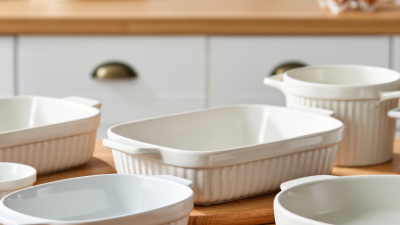
Wholesale buyers entering the 2026 bakeware market need more than attractive product photos. They need dependable Stoneware Baking Dishes that perform across restaurants, bakeries, retailers, and home kitchens. A dish may look premium on a catalog page, yet fail when thermal shock, repeated washing, or uneven oven temperatures expose weak materials. Practical testing matters. Ceramic materials specialist Linda Bloomfield explains, “Stoneware performance depends on the body, glaze, and firing process, not appearance alone.” Her point deserves attention. Buyers should examine clay composition, glaze coverage, wall thickness, heat tolerance, and documented quality controls. Ask suppliers for sample testing. Bake casseroles, fruit crumbles, and covered gratins. Check browning, edge strength, odor retention, and cleaning results. Small details become expensive problems at wholesale volume. This guide evaluates the 2026 best Stoneware Baking Dishes through a buyer’s lens. It considers capacity, nesting efficiency, packaging protection, private-label options, minimum order quantities, and supplier consistency. A 9-by-13-inch dish may suit family meals, while smaller ramekins can support portion-controlled service. Handles should feel secure, even with hot food inside. Packaging should protect corners, not merely look attractive. No ranking is flawless. Preferences vary. Some comparisons may change after larger production runs or updated supplier specifications. That uncertainty deserves honesty. The strongest wholesale choice balances durability, usable design, landed cost, and customer expectations. It should survive real kitchens, not only a showroom demonstration.
Read more »
Oliver By:Oliver - October 11, 2026
How to Choose the Best Ceramic Roasting Pan in 2026?

How to Choose the Best Ceramic Roasting Pan in 2026?

Choosing the best Ceramic Roasting Pan in 2026 requires more than comparing attractive colors or online ratings. A dependable pan should handle high oven temperatures, distribute heat evenly, and remain stable when moved from counter to table. Its glaze should look smooth, without chips, rough patches, or suspicious surface cracks. Small details matter. A practical review should examine pan weight, usable depth, handles, lid fit, and cleaning requirements. A large roast needs room for air circulation, while vegetables can become crowded in a shallow dish. Thick ceramic often retains heat well, but it may respond slowly when temperatures change. Thermal shock remains a real concern. Always follow the manufacturer’s heating and cooling instructions. I also look for clear product specifications, care guidance, and food-contact safety information from reliable manufacturers. Independent testing can reveal whether handles stay comfortable and whether the finish stains after repeated use. Marketing language is not proof. Neither is a perfect star rating. Some choices are imperfect. A heavier pan may cook steadily but feel awkward when full. A lighter model may be easier to lift, yet lose heat faster. I once underestimated handle clearance near an oven wall, and that small mistake changed how I judge pan design. This guide will compare practical performance, safety, durability, capacity, and value. The goal is not to find one universally perfect pan. It is to find the right Ceramic Roasting Pan for your recipes, oven habits, storage space, and confidence in daily cooking.
Read more »
Amelia By:Amelia - October 6, 2026
How to Choose Custom Ceramic Dinnerware for Your Brand?

How to Choose Custom Ceramic Dinnerware for Your Brand?

Choosing Custom Ceramic Dinnerware for your brand is not merely a matter of selecting attractive plates. It is a practical decision about identity, function, production, and customer experience. A matte ivory bowl can make a breakfast brand feel calm and handmade. A deep cobalt glaze can create a stronger, more dramatic table presence. However, photographs can be misleading. Glaze may appear warmer under restaurant lighting, while a refined rim may feel fragile during daily service. Ceramic artist and educator Simon Leach expresses an important production truth: “You have to make pots to learn how to make pots.” His point applies to brands, too. Sample the actual pieces before approving a large order. Hold the cup. Stack the plates. Test the glaze with your menu, tableware, and washing process. Small details matter. A reliable supplier should explain clay bodies, firing temperatures, glaze variation, dimensions, packaging, and replacement policies. Ask for production samples, not only digital renderings. Confirm whether the design can be repeated consistently across batches. Some variation may support an artisanal story, but excessive variation can weaken brand recognition. That balance is easy to underestimate. Your dinnerware should also match real operating conditions. A beautiful plate that chips quickly is not a successful brand asset. Consider weight, storage space, heat resistance, cleaning routines, and minimum order quantities. Budget matters, but the lowest quotation may hide costly replacements. The right choice connects visual character with dependable performance, even when the first version is imperfect and needs revision.
Read more »
Oliver By:Oliver - October 1, 2026
How to Choose the Best Stoneware Ovenware Supplier?

How to Choose the Best Stoneware Ovenware Supplier?

Choosing the best Stoneware Ovenware supplier takes more than comparing prices or browsing attractive product photos. The right partner must deliver cookware that looks consistent, performs reliably, and arrives ready for careful inspection. A dependable supplier should explain its clay body, firing process, glaze options, and quality checks in clear terms. Small differences matter. A rim that feels rough, a glaze with uneven coverage, or a lid that fits poorly can affect both presentation and everyday use. Ask for product samples and examine them under ordinary kitchen conditions. Check the finish, weight, dimensions, and fit. Request details about temperature limits and testing methods, then confirm that the information applies to the exact product you plan to buy. Supplier statements are useful, but they are not a substitute for evidence. No checklist catches everything. A sample may look excellent while later production varies, so ask how batches are inspected and how defects are handled. That question is easy to overlook. Also review minimum order quantities, production lead times, packaging, and communication practices. Strong packaging matters: stoneware needs protection from knocks during storage and shipping. If you sell across different markets, verify that the supplier can provide relevant product and material documentation for your requirements. Price still matters, but the lowest quote may leave little room for consistent finishing or careful packing. A practical choice balances workmanship, evidence, service, and cost. Some details will remain uncertain until a trial order arrives; acknowledge that, and use clear acceptance criteria before scaling up.
Read more »
Oliver By:Oliver - September 26, 2026
Top Stoneware Tableware Suppliers for Global Buyers

Top Stoneware Tableware Suppliers for Global Buyers

For global buyers, choosing reliable Stoneware Tableware suppliers requires more than comparing prices and catalog photographs. A plate may look flawless online, yet reveal pinholes, uneven glaze, or weak edges after repeated commercial use. The right supplier combines tested clay bodies, controlled firing, consistent glazing, and practical export experience. Ceramic artist and author Edmund de Waal once wrote, “The world is full of objects, more or less interesting.” His observation fits tableware sourcing closely. Every bowl carries decisions about material, proportion, surface, function, and production discipline. Buyers should examine water absorption results, thermal-shock performance, food-contact documentation, and sample consistency before approving large orders. Ask for recent factory images, not only polished showroom pictures. Inspect the kiln area, glazing line, packing method, and carton testing process when possible. Details matter most. A dependable supplier should explain minimum order quantities, mold ownership, color tolerances, lead times, replacement policies, and shipment protection clearly. Strong communication often predicts fewer surprises during production. Still, no shortlist is flawless. Even experienced factories may struggle with seasonal raw-material changes or unusual custom colors. That weakness deserves discussion, not concealment. This guide introduces leading Stoneware Tableware suppliers for international buyers. It compares manufacturing capability, design flexibility, quality control, certifications, packaging strength, and buyer support. The goal is not to promote the cheapest option. It is to identify partners capable of delivering attractive, durable tableware across repeated orders and demanding markets. Careful verification remains essential, because a beautiful sample is only the beginning.
Read more »
Amelia By:Amelia - September 20, 2026
China Top 10 Private Label Stoneware Manufacturers

China Top 10 Private Label Stoneware Manufacturers

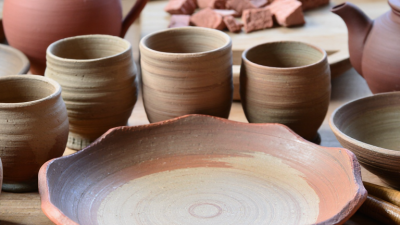
China’s stoneware industry has become a practical sourcing hub for brands seeking durable, attractive, and customizable tableware. This guide examines the China Top 10 Private Label Stoneware Manufacturers and the capabilities that separate reliable partners from impressive-looking catalogs. Private Label Stoneware is not simply about adding a logo. It involves clay formulation, glaze development, mold accuracy, firing control, packaging, and repeatable quality. A matte dinner plate may look simple, yet its rim thickness, weight, foot-ring finish, and glaze consistency affect everyday use. Small details matter. Bernard Leach, a respected ceramic artist and educator, stated, “The potter’s art is the art of making useful things beautiful.” His observation remains relevant to modern private label production. A successful manufacturer must combine visual appeal with food-safe surfaces, stable dimensions, impact resistance, and dependable delivery. This overview considers factory experience, production scale, customization depth, quality systems, export performance, and communication. It also looks beyond polished showrooms. Factory visits, sample testing, kiln records, and independent inspections can reveal information that brochures rarely show. No ranking is flawless. Supplier strengths change with equipment, staffing, and order volume. One factory may excel at reactive glazes, while another performs better with large hotel orders. Buyers should still verify certifications, lead times, carton protection, and production samples before making a decision. The goal is practical guidance. These manufacturers may help brands develop distinctive collections without sacrificing usability or consistency. Yet careful evaluation remains essential, especially when a beautiful prototype becomes a demanding production order.
Read more »
Ethan By:Ethan - September 20, 2026
What Is a Portuguese Stoneware Manufacturer?

What Is a Portuguese Stoneware Manufacturer?

A Portuguese Stoneware Manufacturer is more than a factory producing attractive plates and bowls. It is a specialist that transforms selected clay, water, minerals, and controlled heat into durable ceramic products. The work often begins with material testing in a quiet laboratory. Technicians check shrinkage, absorption, glaze behavior, and firing strength before production starts. According to João Nunes, a Portuguese ceramic production consultant, “A manufacturer turns local clay, measured heat, and patient testing into dependable tableware.” This idea explains the industry clearly. Dependability matters. A restaurant needs plates that resist daily washing, sudden temperature changes, and repeated handling. A retailer also expects consistent dimensions, colors, packaging, and delivery schedules. The word “Portuguese” adds cultural and industrial meaning. Portugal has a long ceramic tradition, supported by skilled makers and established production regions. However, tradition alone does not prove quality. Modern manufacturers must combine craftsmanship with documented testing, responsible sourcing, efficient kilns, and careful quality control. A beautiful glaze can still hide uneven thickness. Small defects matter. Manufacturing is never perfectly simple. A reliable Portuguese Stoneware Manufacturer usually offers more than finished products. It may provide custom shapes, private-label development, sample approval, decoration, and export support. Buyers should ask about firing temperatures, food-contact testing, production capacity, and replacement policies. These details reveal more than polished photographs. There is also room for honest reflection. Not every Portuguese factory uses identical methods, materials, or environmental practices. Therefore, buyers should verify certifications and production claims directly. Understanding these differences helps importers, designers, and hospitality companies choose stoneware with confidence, rather than relying only on national reputation.
Read more »
Ethan By:Ethan - September 20, 2026