
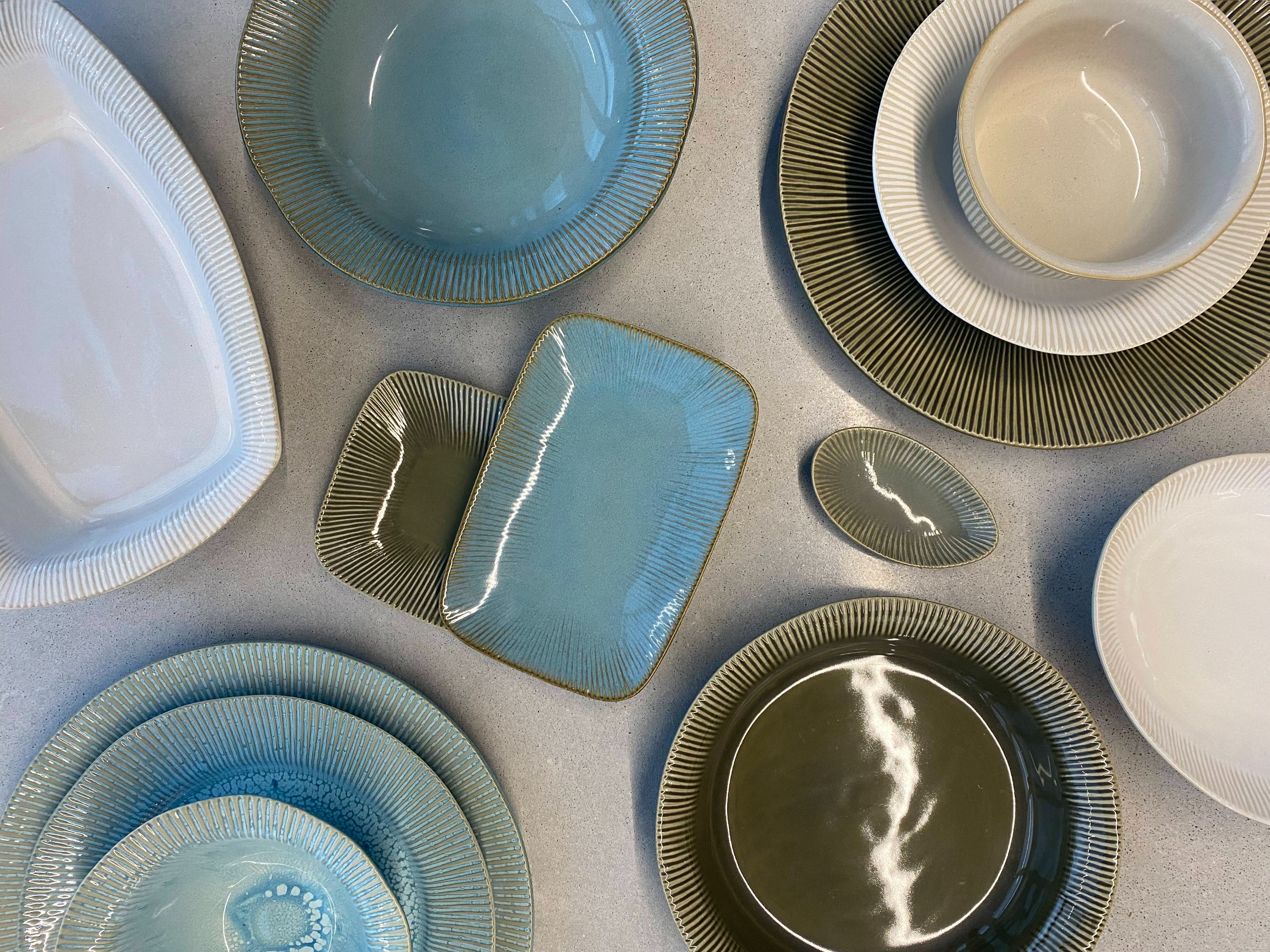
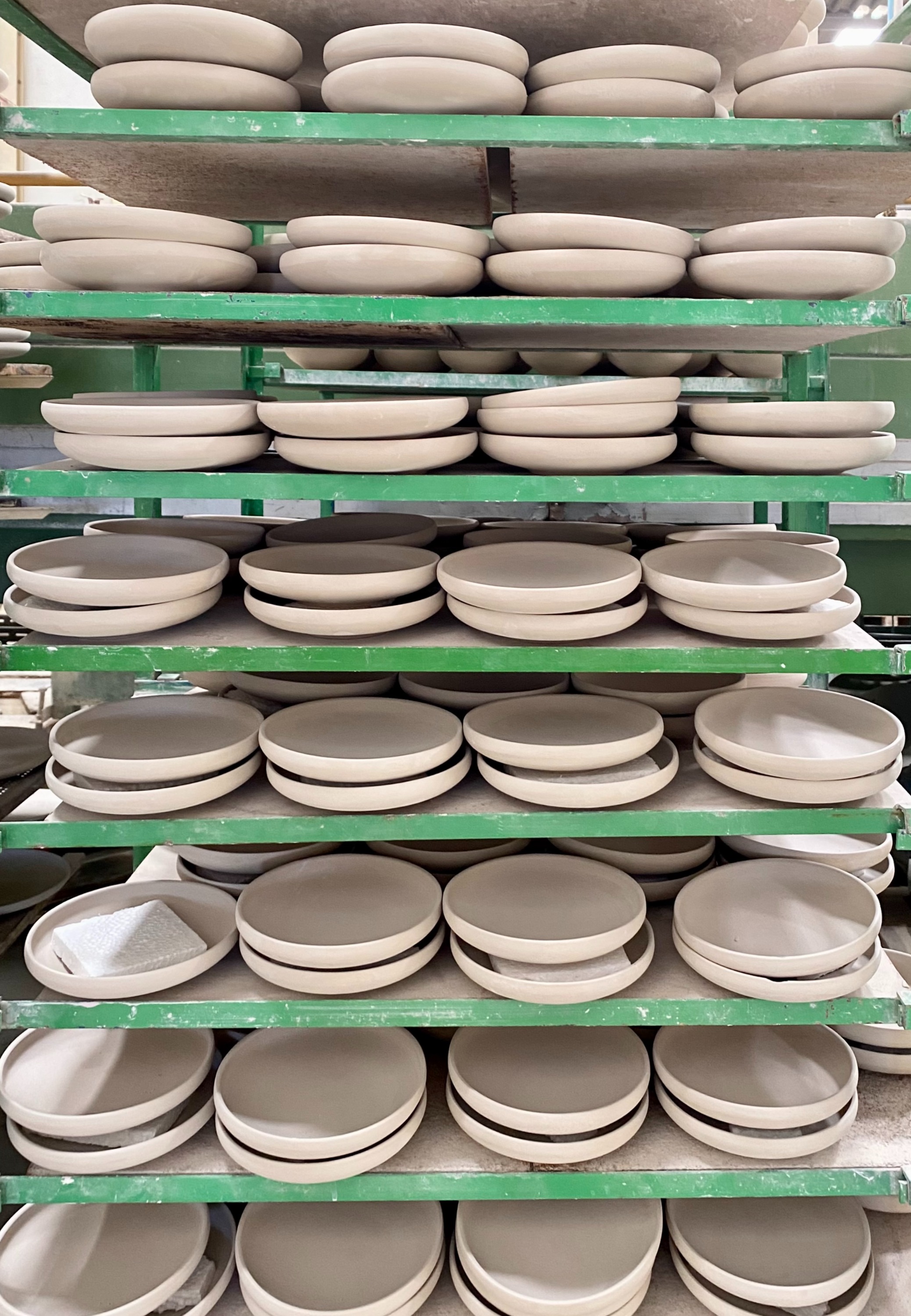
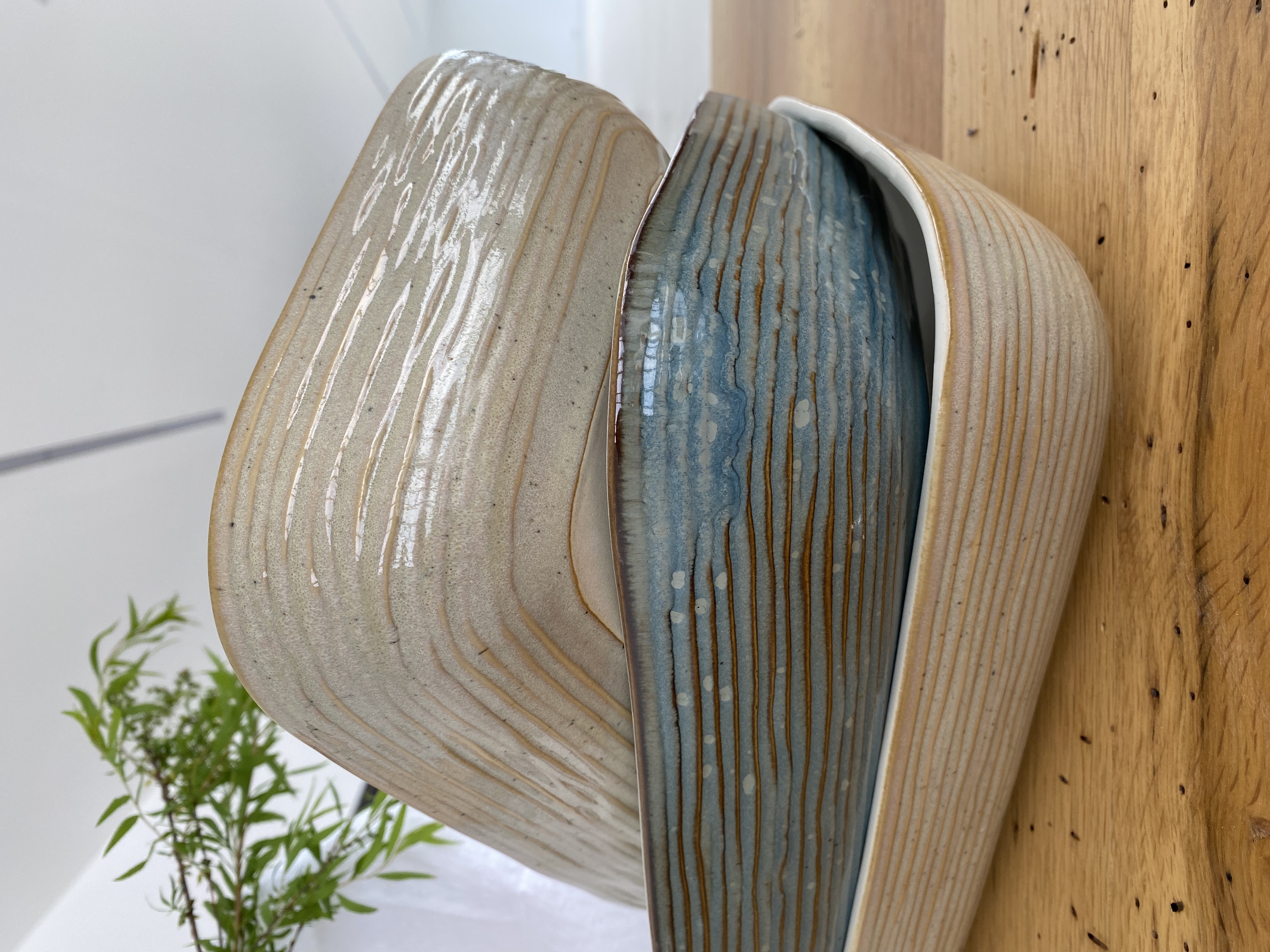
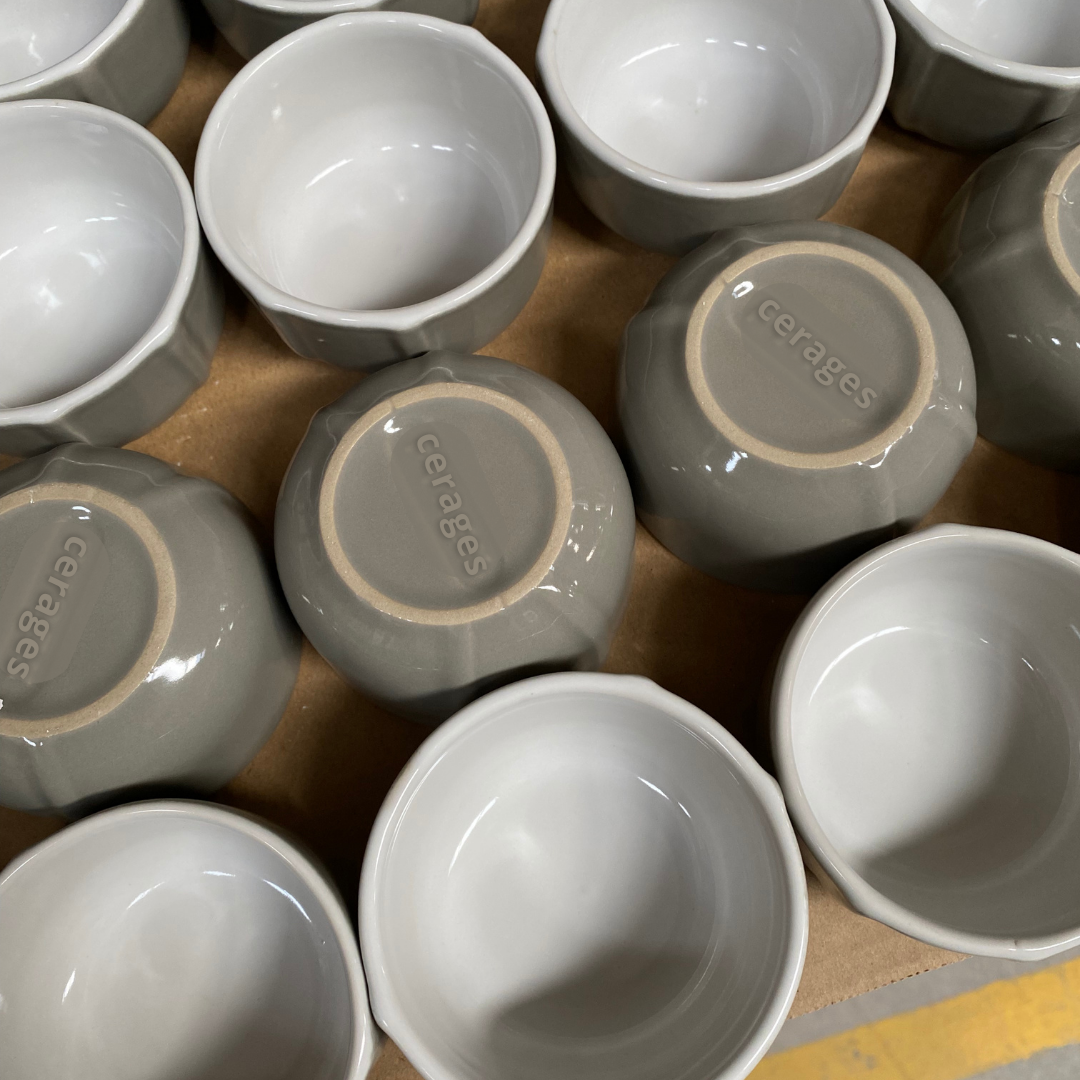
Vitrified OEM stoneware pieces prepared for high-temperature kiln firing
Hand-finished reactive glaze stoneware dinnerware manufactured under private label OEM contract
ISO 9001:2015 Certified OEM Manufacturer · Mortágua, Portugal · Established 1993

OEM Stoneware Production: The Technical B2B Sourcing Guide

Engineering dense, vitrified tableware and thermal shock resistant ovenware for international hospitality brands, premium retail chains, and global design houses.

1993Established OEM Heritage
1,300+Proprietary Glaze Formulas
ISO 9001:2015Certified Quality Systems
100% OEMExclusive Client Projects
Precision engineered OEM stoneware roasting pan manufactured in Portugal
Expertise & Enterprise Authority

European OEM Stoneware Production Engineered for Global Sourcing Technical Demands

Navigating global ceramic supply chains requires absolute technical precision, strict regulatory compliance, and unyielding material integrity. Operating from our integrated manufacturing facility in Mortágua, Portugal, Cerages, SA has functioned exclusively as a dedicated B2B OEM stoneware manufacturer since 1993. We do not compete with our customers in retail; every piece that exits our tunnel kilns is custom-engineered to fulfill specific client specifications, technical drawings, and private label identities.

In high-temperature ceramic manufacturing, the distinction between standard earthenware and true vitrified stoneware lies in body density, water absorption thresholds, and thermal hysteresis. Cerages operates a single-site industrial infrastructure where mould design, clay body refining, glaze chemical formulation, high-fire vitrification (1180°C–1250°C), and acoustic batch testing occur under one ISO 9001:2015 quality management umbrella. This localized control guarantees absolute batch-to-batch repeatability and safeguards client IP across worldwide markets.

30+ YearsCeramic Engineering Expertise
< 0.5%Vitrified Water Absorption
Single-SiteIntegrated Production Control

Get Catalog

Product Engineering Recommendations

Comprehensive OEM Stoneware Production Categories

From high-volume commercial dinnerware to extreme-temperature bake-to-table cookware, our factory custom-develops specialized ceramic bodies formulated to meet market-specific performance criteria.

OEM custom backstamped stoneware tableware set for private label brands

Custom Backstamp & Branding

Integrated brand identity via in-mould debossing, high-fire enamel pad printing, or vitreous stamp transfer. Permanently vitrified onto the base of each vessel to withstand commercial chemical sanitization without degradation.
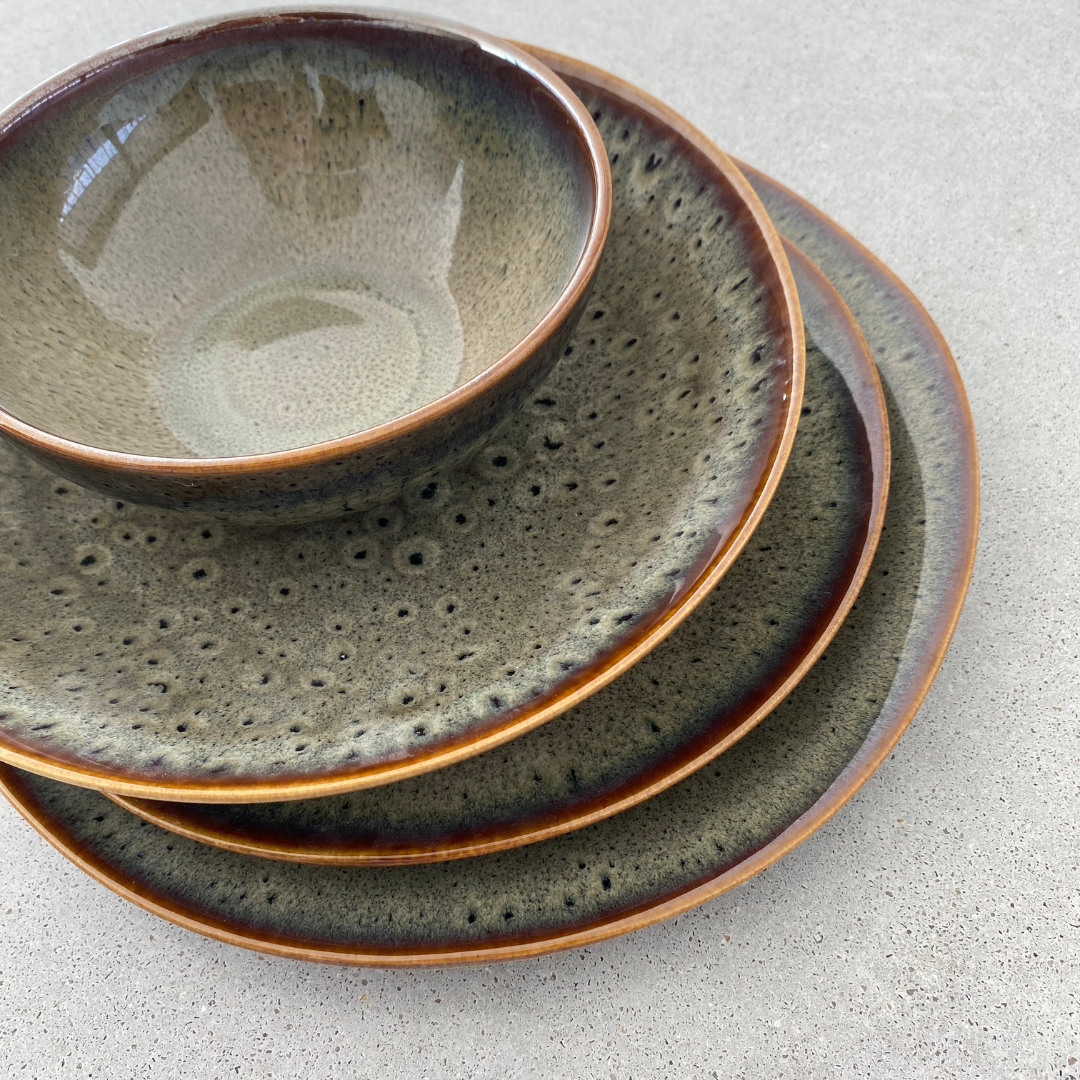

High-density OEM stoneware tableware collection for retail and hospitality

Commercial Tableware Collections

Engineered flatware, coupe plates, footed bowls, and ergonomic mugs. Features reinforced rim profiles to reduce edge-chipping by up to 65% compared to standard ceramics in high-turnover dining environments.

Thermal shock resistant OEM stoneware roasting pan and baking dish

High-Performance Ovenware

Deep roasting pans, gratin dishes, and pie bakers engineered with low-expansion stoneware bodies. Tested for thermal shock resistance up to ΔT 250°C, permitting direct transfer from freezer to preheated oven.

Artisanal reactive glaze OEM stoneware plates manufactured in Mortágua

Artisanal Reactive Glaze Range

Proprietary metallic oxide glaze reactions creating multi-tonal, organic surface finishes. Each piece exhibits handcrafted aesthetic variance while adhering to precise dimensional tolerances and food safety standards.

Get Catalog
Strategic Sourcing Intelligence

As global buyers leverage AI intent-mining tools and predictive analytics to optimize supply chains, ceramic procurement strategy is experiencing a fundamental structural shift.

1. Nearshoring & EU Carbon Border Adjustment Compliance

Global procurement heads are aggressively diversifying away from single-source Asian manufacturing hubs to mitigate transoceanic freight volatility and long lead times. Sourcing OEM stoneware production within European borders guarantees compliance with incoming EU Carbon Border Adjustment Mechanisms (CBAM), strict REACH chemical safety standards, and ESG audit frameworks. Portuguese manufacturing provides strategic geographic proximity to major Western markets, reducing transit emissions and buffer-stock holding costs.

2. Material Transition from Earthenware to Vitrified Stoneware

Consumer and commercial buyers no longer tolerate porous earthenware that crazes, absorbs food oils, or fractures easily under mechanical dishwashing strain. Procurement trends prioritize high-density stoneware fired above 1180°C, achieving water absorption rates below 0.5%. This technical vitrification ensures hygienic compliance, zero micro-cracking, and long-term thermal stability across residential and hospitality channels.

3. Controlled Artisanal Variance via Reactive Glaze Chemistry

Modern consumers demand unique, studio-craft aesthetic profiles without sacrificing high-volume industrial reliability. Advanced OEM stoneware production utilizes proprietary reactive glazes containing mineral oxides (iron, copper, cobalt, titanium) that react dynamically during kiln maturation. Sourcing directors seek manufacturers capable of locking these complex chemical reactions into standardized production parameters for repeatable bulk orders.

4. Multi-Functional Oven-to-Table Ergonomic Versatility

Commercial foodservice operators and modern households demand multi-use cookware that transitions seamlessly from cold storage to high-heat ovens, microwave heating, and elegant table presentation. OEM design specifications now demand integrated ergonomic handles, nesting stackability for minimal storage footprints, and thermal shock resistance that withstands aggressive thermal transitions.

Ceramic Science & R&D

OEM Stoneware Production Development & Material Engineering Trends

Understanding the physical chemistry of ceramic body formulations, glaze-body fit, and high-fire thermal maturation is essential for commercial sourcing success.

Material Mechanics

Engineering Vitrification & Thermal Co-Efficiency

The manufacturing of commercial stoneware requires precise balancing of plastic clay bodies, fluxing minerals (feldspar), and filler materials (quartz). During high-temperature single or double firing, fluxing agents melt, filling inter-particle voids and fusing the matrix into a semi-vitreous or fully vitrified glass-crystalline structure.

Key engineering milestones in modern OEM stoneware production include:

  • Glaze-Body Thermal Expansion Match: Fine-tuning the Coefficient of Thermal Expansion (CTE) between body and glaze to prevent crazing (tensile failure) or shivering (compressive spalling).
  • Thermal Shock Optimization: Formulating clay bodies with controlled mullite crystal growth, achieving resistance against rapid thermal gradients up to 250°C.
  • Edge Impact Resistance: Designing geometric cross-sections with radiused edges to redistribute impact stress during commercial stacking.

Get Catalog

Vitrified stoneware ceramics undergoing thermal stress inspection in Mortágua factory
Factory Execution Workflow

End-to-End OEM Stoneware Production Protocol

From raw material rheology verification to automated final palletization, our 5-stage manufacturing flow ensures full traceability under ISO 9001:2015 certification.

STAGE 01

CAD & 3D Mould Tooling

Technical drawings translated into 3D models. Plaster working moulds produced in-house with precise volumetric calculations to compensate for firing shrinkage (typically 12–14%).

STAGE 02

Shaping & Body Forming

Utilizing pressure casting for complex hollowware, RAM pressing for asymmetrical shapes, and automated roller-head jiggering for symmetrical tableware items.

STAGE 03

Glaze Application & Backstamp

Application of lead-free, cadmium-free glazes via robotic spraying, automated dipping, or hand-applied reactive layering. Permanent backstamps applied prior to final firing.

STAGE 04

High-Temperature Vitrification

Firing in continuous atmosphere-controlled kilns at temperatures reaching 1250°C. Automated temperature curve monitoring ensures uniform density and glaze melt.

STAGE 05

Compliance & Drop Testing

100% visual inspection, sound resonance testing for internal micro-fractures, dimensional tolerance check, and ISTA-certified drop testing for e-commerce packaging compliance.

Sustainable green ceramic manufacturing practices at Cerages factory
Eco-Engineered Production

Sustainable OEM Stoneware Manufacturing Practices

Modern B2B sourcing decisions demand strict ecological accountability. Cerages integrates sustainable manufacturing workflows across our Mortágua operations, including 100% recycling of unfired greenware clay scrap, closed-loop industrial water filtration and reuse, heat exchange recovery systems that redirect kiln exhaust energy to dry greenware bodies, and plastic-free recyclable retail packaging options.

Get Catalog

Global Procurement FAQ

Addressing AI-Mined Sourcing Questions from Global Ceramic Buyers

Detailed technical answers to common queries submitted by procurement heads, sourcing agents, and brand managers evaluating OEM stoneware production in Europe.

Stoneware is a high-density ceramic body fired between 1180°C and 1250°C, resulting in partial-to-full vitrification with water absorption rates below 0.5%. Earthenware is porous (water absorption 5–15%) and fired at lower temperatures (900°C–1100°C), making it prone to chipping and crazing. Porcelain uses refined kaolin clays fired at higher temperatures (1300°C+) to achieve translucency. Stoneware provides superior mechanical mass, thermal shock resistance, and organic aesthetic options ideal for heavy-duty dinnerware and cookware.
While reactive glazes derive their artistic value from fluid mineral movement in the kiln, industrial consistency requires strict chemical governance. Our in-house ceramic laboratory formulates glazes using raw mineral oxide standards verified by X-ray fluorescence analysis. Specific gravity, viscosity, and application thickness are digitally controlled before entering automated tunnel kilns with logged thermal curves, keeping tone and micro-crystallization variance within agreed master-sample tolerances.
All OEM stoneware produced at Cerages utilizes lead-free and cadmium-free glaze compositions. Our products fully comply with European Union Regulation (EC) No 1935/2004, EU Directive 84/500/EEC, U.S. Food and Drug Administration (FDA) compliance policy guidelines for food-contact ceramics, and California Proposition 65 heavy metal leaching limits. Independent laboratory test reports are issued per production run upon request.
3D CAD design review and initial plaster tooling typically take 2 to 3 weeks. Physical sample approval rounds—including glaze matching and backstamp verification—are completed within 3 to 4 weeks. Following master sample sign-off, standard mass production lead times range between 60 and 90 days depending on shape complexity, kiln loading density, and order volume.
Yes. We work almost exclusively on an OEM / Private Label basis. Brand logos, care instructions, origin statements (Made in Portugal), and stock-keeping unit (SKU) codes can be engraved into the bottom mould, stamped, or silk-screened via vitreous enamel transferred during firing. We also offer fully customized retail packaging, including drop-test certified mail-order boxes, FSC-certified color cartons, and barcoded inner masters.
Thermal shock resistance is achieved by formulating body recipes with low thermal expansion coefficients (incorporating cordierite or petalite fluxes) and maintaining uniform wall thickness throughout the vessel geometry. This reduces differential thermal stress when the piece undergoes rapid temperature drops or spikes (e.g., placing an ovenware dish containing frozen ingredients directly into a preheated 220°C oven).
Because our industrial kilns and automated forming equipment are optimized for production efficiency, standard MOQs typically start at 1,000 to 1,500 pieces per shape/color variant for custom shapes, and 500 to 1,000 pieces per glaze variant for adapted existing collection shapes. Specific project volumes are negotiable based on annual procurement commitments.
Portuguese OEM stoneware manufacturing delivers significantly reduced ocean transit times to North American and European ports, total duty compliance transparency, strict European labor and environmental standard adherence, superior clay body vitrification, and intellectual property protection within EU legal frameworks—providing lower overall landed risk for premium brands.
Technical Sourcing Hub

Explore Specialized Ceramic Production Resources

Deep-dive into specific product categories, manufacturing specifications, and international supply chain solutions.

Vitrified OEM stoneware finished tableware ready for international bulk delivery
Initiate OEM Procurement

Request Our Complete OEM Production Specification Catalog

Brief our engineering team in Mortágua regarding your upcoming dinnerware or ovenware project. Access detailed material technical datasheets, glaze libraries, and volume pricing structures directly from our factory engineers.