
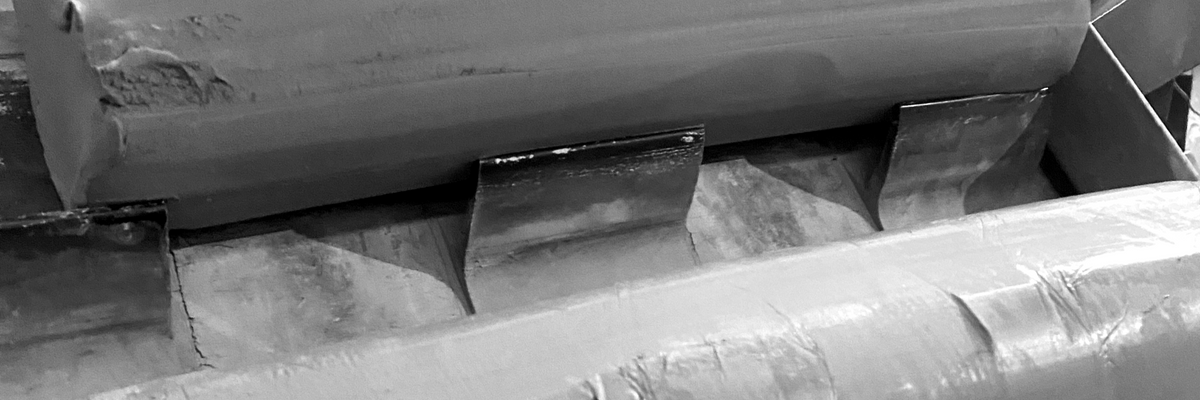
Authentic Portuguese Stoneware Manufacturing
At Cerages, SA in Mortágua, Portugal, we preserve the heritage of European ceramic craftsmanship while integrating advanced industrial automated controls. Every piece of custom stoneware ovenware and tableware is created under controlled technical protocols to meet international B2B quality standards.
Paste Preparation & Formulation
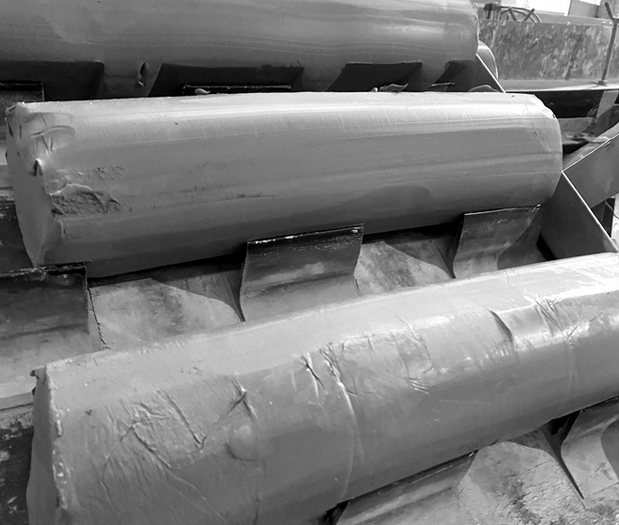
We formulate and produce our own proprietary stoneware paste in-house. Natural refined minerals including clay, quartz, and feldspar are precisely blended to strict chemical compositions defined by our ceramic laboratory.
Maintaining internal paste synthesis guarantees constant raw material stability, optimal plastic workability, low moisture absorption rates, and consistent thermal expansion across large B2B production runs.
Precision Shaping Technologies
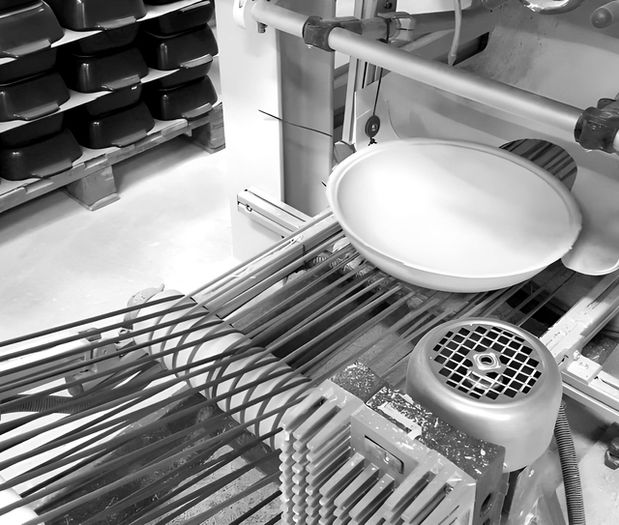
Cerages employs three distinct industrial forming processes depending on the geometry and design requirements of each item: automated roller head jiggering, high-pressure isostatic pressing, and traditional slip casting.
Selecting the optimal forming technology ensures uniform wall thickness, precise stacking tolerances for hospitality, and high structural integrity for heavy-duty baking dishes and roasting pans.
Glaze Application & Decoration
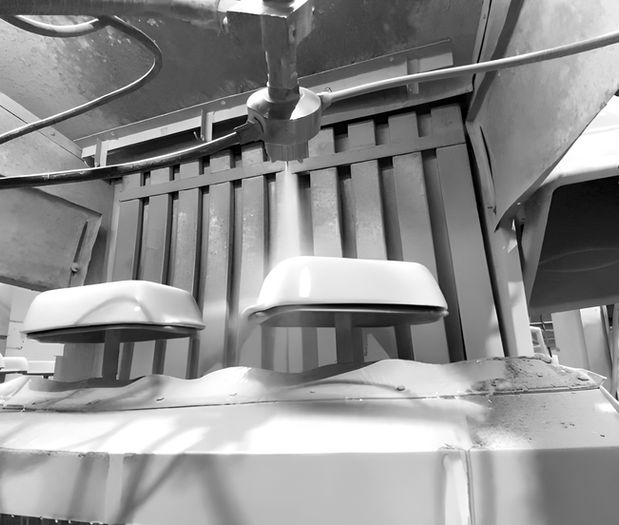
Our glaze process applies liquid glass minerals to dried greenware or bisqued bodies using automated circular spraying machines, dipping stations, or hand-painted artistic techniques.
With over 1,300 developed glaze formulations—ranging from solid matt and high-gloss to complex reactive glazes—we also apply permanent brand backstamps and underglaze decorations prior to firing.
High-Temperature Single Firing
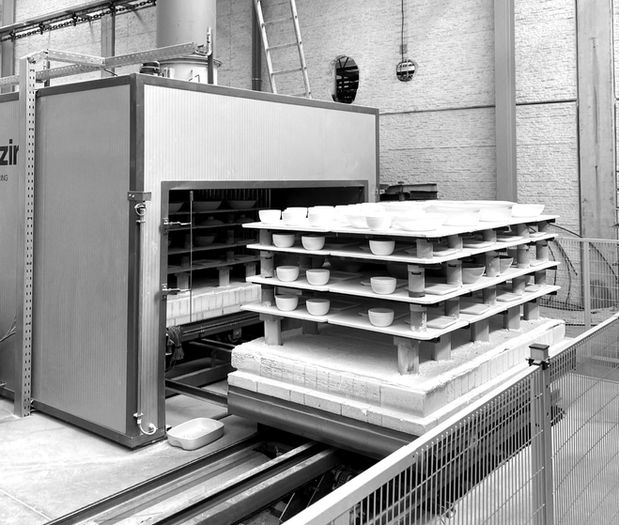
Cerages utilizes single-fire technology in state-of-the-art tunnel kilns operating at temperatures exceeding 1180°C. Firing fuses the clay body and glaze simultaneously into a dense, vitrified structure.
Equipped with modern heat recovery systems, our kilns optimize energy efficiency, reduce natural gas consumption, and ensure thermal shock resistance required for oven-to-table commercial use.
Individual Selection & Testing
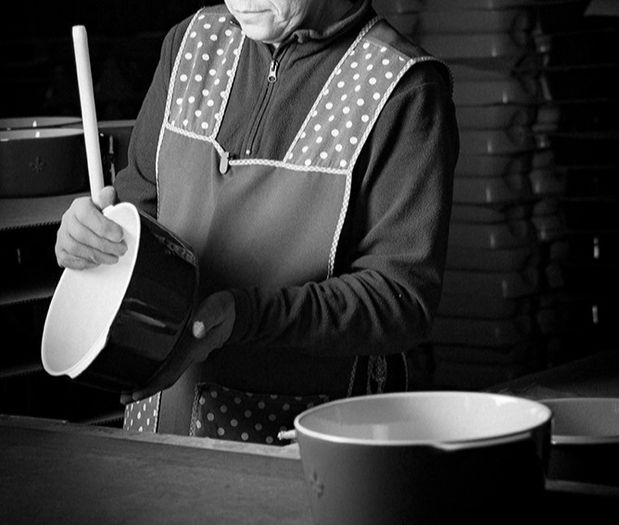
Every piece exiting our kilns undergoes individual inspection by trained quality control technicians. We inspect for dimensional accuracy, color fidelity, surface smoothness, and structural soundness.
Our production regularly undergoes independent laboratory testing for lead and cadmium release, mechanical dishwashing resistance, microwave safety, and thermal endurance according to European and international standards.
Packaging & Export Shipping
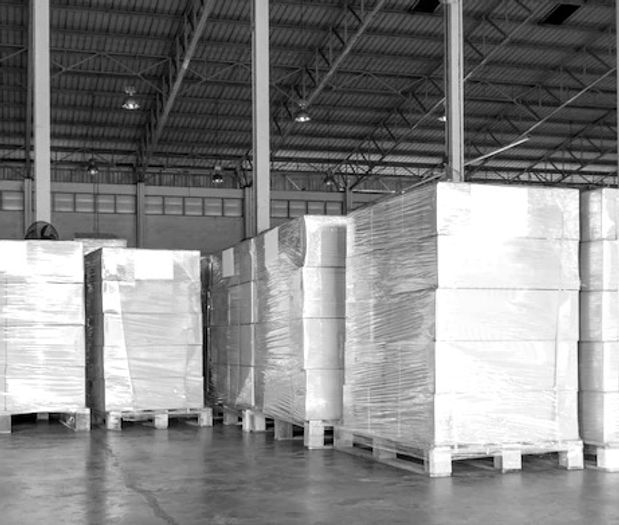
We offer customized packaging solutions tailored to international B2B buyers—including plastic-free eco-packaging, drop-test approved mail-order boxes, color display boxes, and bulk palletization.
Barcodes, SKU labeling, outer carton markings, and export pallet wrap are strictly prepared according to destination market regulations across Europe, North America, Asia, and Oceania.
Manufacturing Process Questions
Ready to Engineer Your Stoneware Collection in Portugal?
Speak directly with our technical ceramic team in Mortágua to discuss mold specifications, glaze formulations, and production scheduling.