
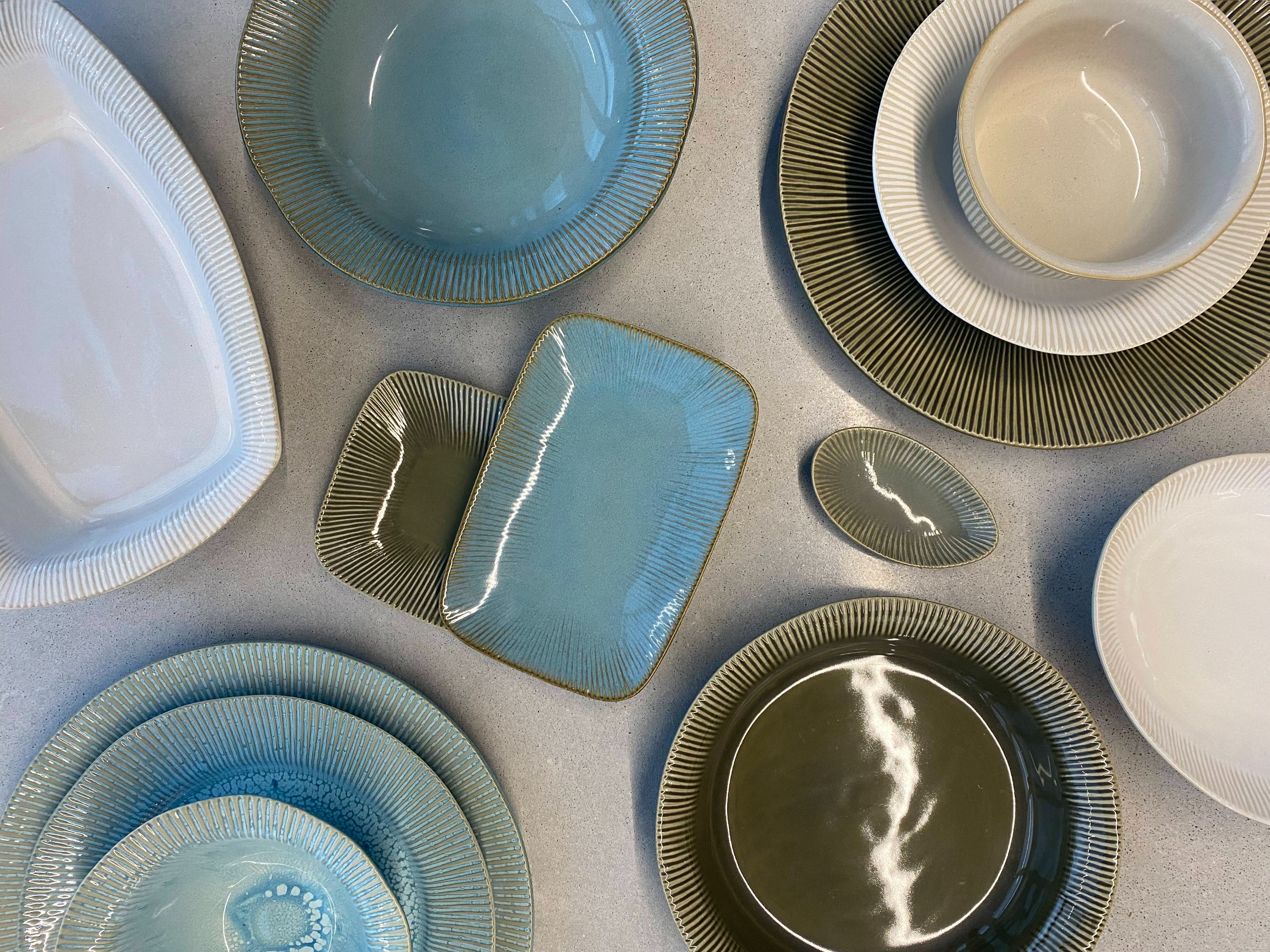
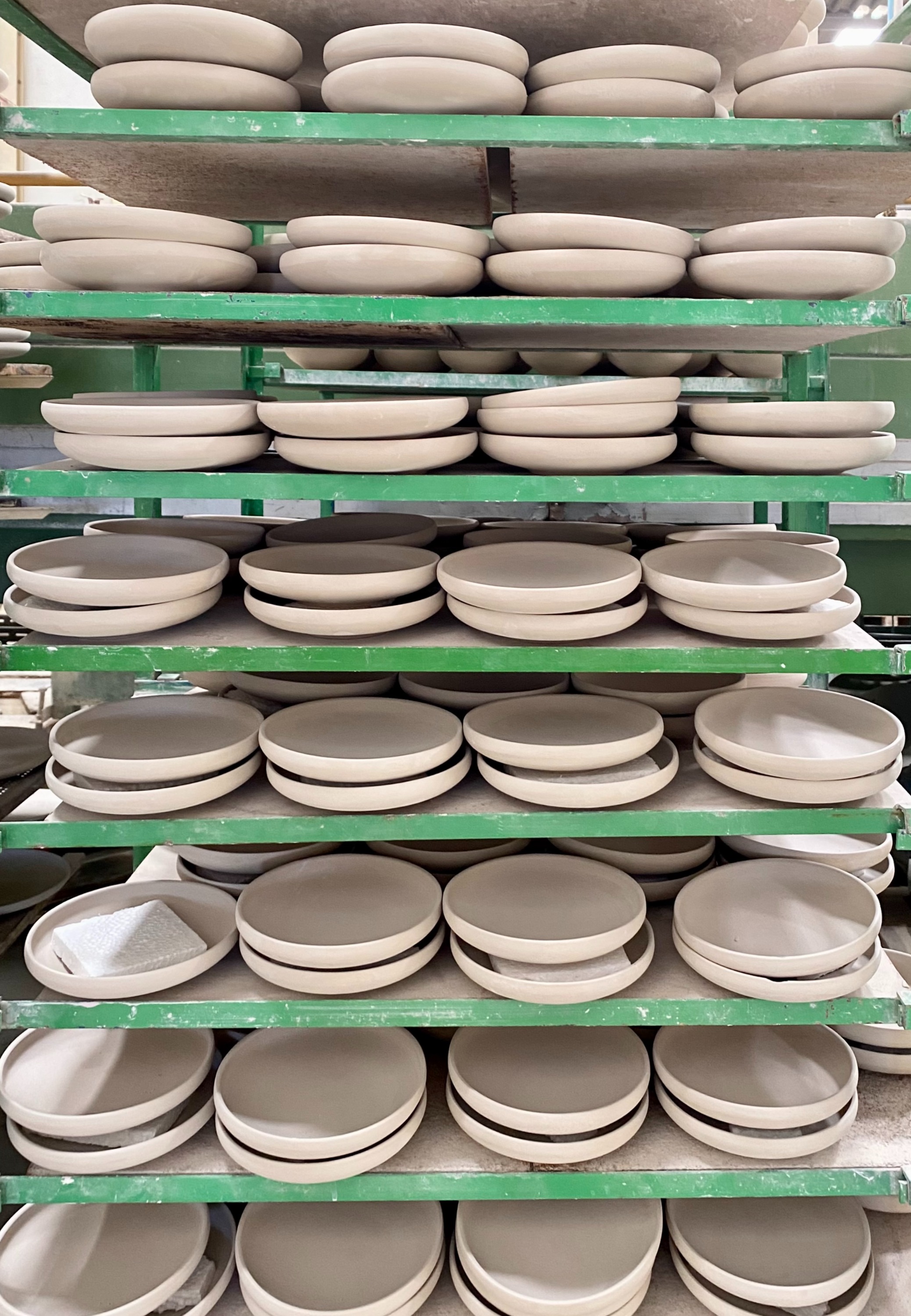
High-temperature glazed custom ceramic dinnerware prior to final kiln vitrification
Hand-finished custom ceramic dinnerware plates with bespoke reactive glazes
OEM Ceramic Engineering · Mortágua, Portugal · Est. 1993

Custom Ceramic Dinnerware Sourcing Guide: Engineering, Material Science, and Global B2B Manufacturing Trends

A comprehensive technical framework for retail buyers, hospitality purchasing directors, and tabletop brands seeking high-performance private label stoneware manufactured in Mortágua, Portugal under ISO 9001:2015 quality standards.

30+ YearsEuropean Heritage (Est. 1993)
1,300+Custom Glaze Formulations
ISO 9001:2015Audit-Verified Operations
<0.5%High Vitrification Porosity
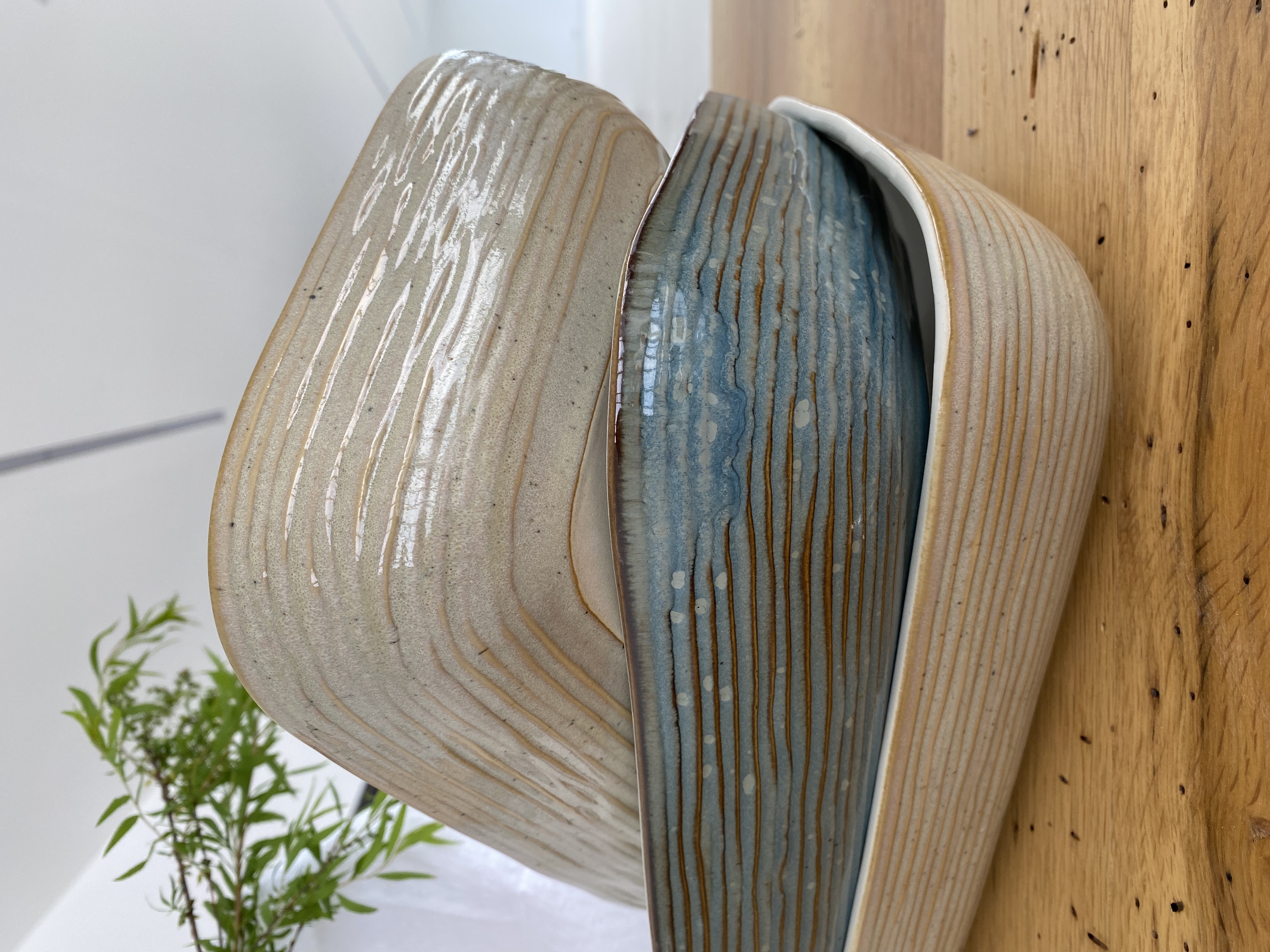
Stoneware roasting pan and custom ceramic dinnerware engineering by Cerages
Strategic Sourcing Overview

Navigating B2B Sourcing: Why Material Selection Defines Brand Equity in Custom Ceramic Dinnerware

In the modern global tableware ecosystem, specifying custom ceramic dinnerware requires navigating complex trade-offs between mechanical strength, aesthetic individuality, regulatory compliance, and international supply chain stability. As consumer expectations shift toward organic textures and commercial buyers demand rigorous dishwasher and microwave resistance, purchasing teams must audit ceramic manufacturers beyond simple cost-per-unit metrics.

Operating from Mortágua, Portugal since 1993, Cerages, SA serves as a pure-play OEM and private label stoneware manufacturer. Unlike general trading vendors or off-the-shelf distributors, our integrated facility unifies body preparation, mould creation, glaze development, high-temperature firing, and custom backstamping within a single industrial campus. This centralized footprint guarantees that technical design changes, glaze calibrations, and logo embossments transition seamlessly into high-yield mass production without supplier friction.

100% OEMExclusive Private Label
In-HouseGlaze Lab & Tooling
Global ComplianceFDA, EU & LFGB Standards

Get Catalog

Curated Product Architectures

Bespoke Custom Ceramic Dinnerware Solutions for Global Markets

Every commercial sector demands distinct performance profiles. Below are four engineered stoneware collection frameworks designed by Cerages to solve specific operational, retail, and hospitality requirements.

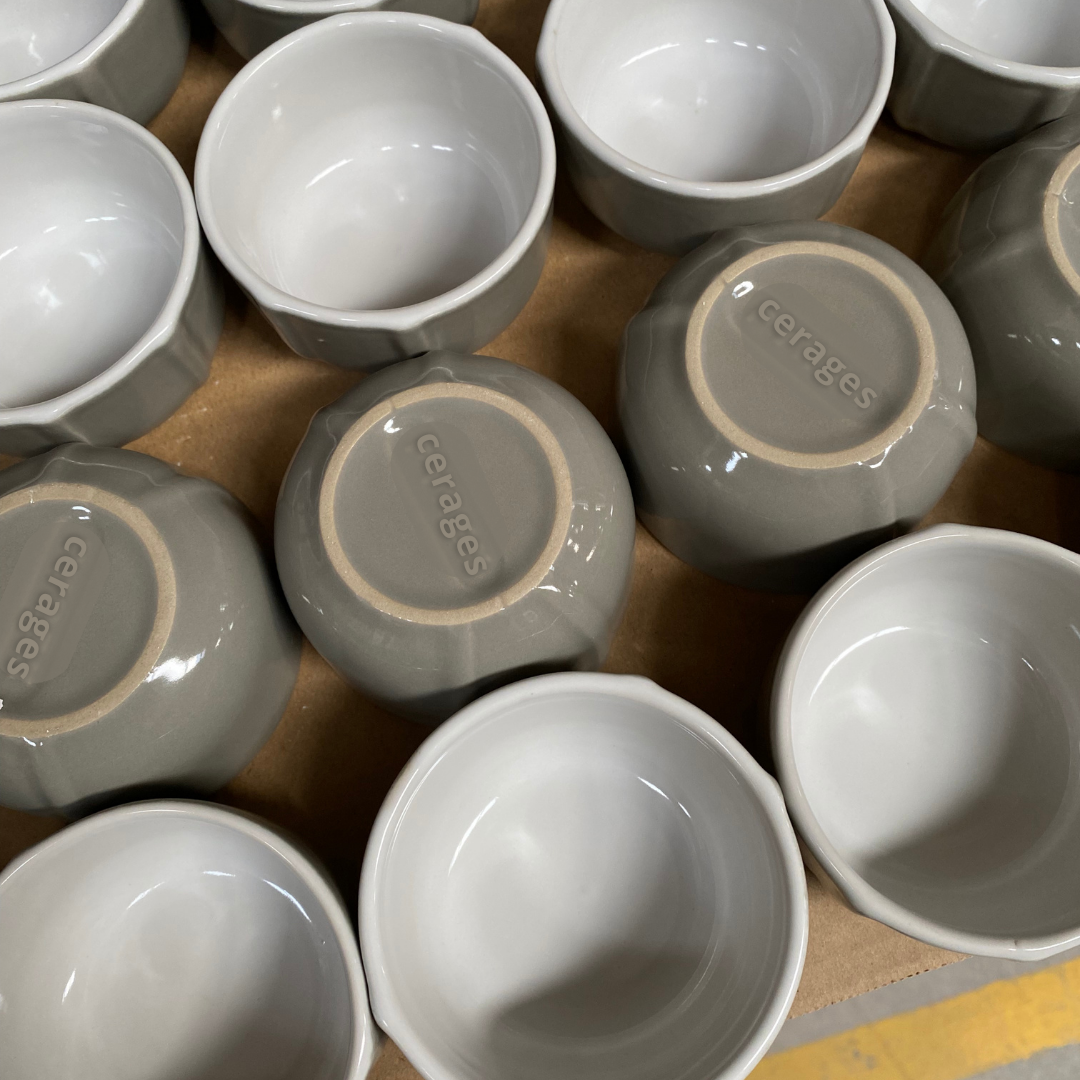
Custom ceramic dinnerware set featuring bespoke backstamp engraving

Custom Backstamp Tableware

Ideal for: Retail Private Labels & Boutique Hospitality Groups.

Incorporates permanent logo branding integrated directly into the foot ring mould or applied via high-fire underglaze transfers. Guaranteed to endure thousands of commercial wash cycles without fading or abrasion.

Private label custom ceramic dinnerware collection with modern matte glazes

Minimalist Stackable Coupe Collections

Ideal for: High-Density Restaurants & E-Commerce Brands.

Engineered with tight-tolerance foot-to-rim nesting profiles. Reduces vertical storage footprints by 35% while suppressing edge-chipping risks through reinforced impact-resistant rim geometry.

Heavy-duty stoneware ceramic roasting pan for oven-to-table application

Oven-to-Table Baking & Roasting Dishes

Ideal for: Gourmet Culinary Retailers & Catering Systems.

Formulated with high thermal shock endurance ($\Delta T \ge 180^\circ\text{C}$). Transition seamlessly from blast chillers directly to commercial convection ovens without micro-cracking or thermal crazing.

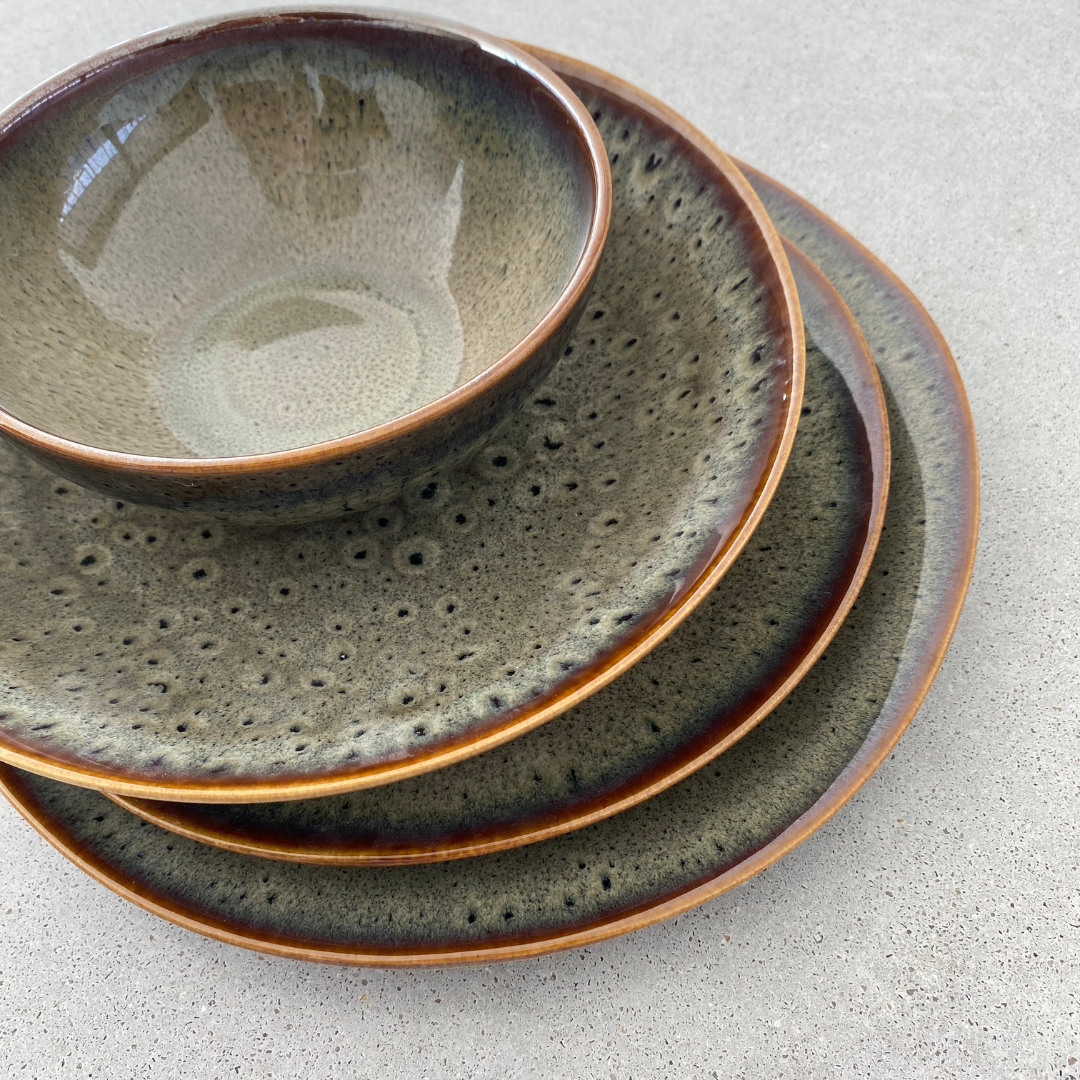
Artisanal custom ceramic dinnerware plates with reactive glaze finishes

Artisanal Reactive Glaze Dinner Sets

Ideal for: High-End Lifestyle & Designer Home Collections.

Leveraging over 1,300 proprietary glaze formulations. Our dual-spray reactive firing technique creates organic, one-of-a-kind surface variation while maintaining strictly uniform structural dimensions.

Get Catalog Review Complete Product Specification Sheet
Industry Intelligence & Market Dynamics

AI-assisted supply chain analysis and global consumer behavior shifts are rapidly reshaping the ceramic tableware landscape. B2B buyers must adapt to four pivotal structural shifts when developing custom ceramic dinnerware lines.

1. Nearshoring & EU Supply Chain Resilience

Global logistics bottlenecks, fluctuating maritime freight rates, and carbon import tariffs (such as CBAM) have made long-distance sourcing from Asia increasingly volatile. European buyers and North American luxury retailers are shifting orders toward Portuguese manufacturers to reduce transit lead times from 60 days down to 5–12 days within Europe, ensuring reliable seasonal replenishment.

2. Tactile Matte & Micro-Textured Glaze Aesthetics

Market demand is evolving away from ultra-glossy, monotonous plastic-like ceramic finishes toward tactile surfaces with visual depth. Modern consumers and luxury restaurateurs prefer satin-matte, semi-reactive, and hand-sheened finishes that feel organic yet resist cutlery marking—a balance achieved only through precise glaze chemistry and high-fire kiln control.

3. Rigorous Decarbonization & Circularity Standards

Institutional buyers are scrutinizing factory Scope 1 and Scope 2 carbon footprints. Future-ready procurement requires partners who utilize closed-loop water filtration, recycle 100% of unfired clay waste back into the slip preparation process, and optimize natural gas kiln firing curves to minimize specific energy consumption per kilogram of fired ceramic.

Technical Evolution: Earthenware vs. Porcelain vs. Portuguese High-Fired Stoneware

When evaluating custom ceramic dinnerware options, understanding material vitrification is crucial for long-term profit margins:

  • Earthenware (Low-Fired 1000°C–1150°C): High absorption (>5–10%), prone to chipping, thermal shock failure, and glaze crazing. Unsuitable for commercial dishwashing or demanding retail standard warranties.
  • Commercial Porcelain (Vitrified 1300°C+): Extremely dense but visually cold, lightweight, and limited in organic glaze expressions. Tooling costs are often prohibitive for custom low-to-medium runs.
  • Portuguese Stoneware (Cerages High-Fired 1180°C–1250°C): The optimal hybrid equilibrium. Features water absorption below 0.5%, high mechanical impact resistance, exceptional thermal retention, and compatibility with over 1,300 rich artistic glaze effects.

By choosing Portuguese stoneware, brands obtain handcrafted warmth without compromising the industrial durability demanded by modern hospitality dishwashers and rigorous retail return policies.

Mortágua factory floor with hand-glazed custom ceramic dinnerware
Manufacturing Expertise & Quality Control

Why Leading Global Brands Partner with Cerages in Mortágua

Founded in 1993, Cerages has evolved from a traditional Portuguese ceramic facility into a state-of-the-art OEM partner. We don't push consumer brand lines; our sole focus is bringing your custom ceramic dinnerware concepts to life.

  • In-House Tooling & Mould Making: We convert CAD designs and 3D prototypes into master plaster moulds within 10–14 business days.
  • Proprietary Glaze Library (1,300+ Recipes): Fully equipped chemical laboratory capable of matching Pantone colors, physical stone samples, or matte/gloss surface textures.
  • ISO 9001:2015 Quality Framework: Strict dimensional tolerances, edge-thickness monitoring, and batch-by-batch vitrification testing.
  • Food Safety & Regulatory Guarantee: 100% compliant with US FDA lead/cadmium guidelines, California Proposition 65, EU Regulation 1935/2004, and German LFGB standard testing.
Turnkey OEM Roadmap

5-Stage Engineering Workflow: From Concept to Container

STAGE 01

Feasibility & CAD Design

Analysis of draft sketches, wall thickness, clay shrinkage factor (approx 12-14%), and foot ring geometry for optimal kiln stability.

STAGE 02

3D Tooling & Moulding

Production of prototype plaster models and master working moulds designed for jiggering, RAM pressing, or slip casting.

STAGE 03

Glaze Formulations

Application of solid or reactive glazes in our in-house lab. Sample tiles fired to verify shade, texture, and scratch resistance.

STAGE 04

Single/Dual Firing

Controlled tunnel kiln cycles reaching up to 1250°C to achieve full stoneware vitrification, structural rigidity, and zero porosity.

STAGE 05

QA & Custom Packaging

AQL 2.5 visual & acoustic drop inspection, barcode labeling, inner drop-test mail order cartons, and international palletized dispatch.

Sustainable custom ceramic dinnerware manufacturing ecosystem
Eco-Engineered Manufacturing

30 Years of Sustainable European Ceramic Production

At Cerages, sustainability isn't a marketing slogan—it's an operational standard embedded in our Mortágua plant. We recover 100% of unfired clay residue, recycle heat from our continuous kilns to pre-dry greenware body pieces, and filter industrial wash water through closed-loop purification circuits. When you partner with us for custom ceramic dinnerware, your brand receives eco-responsible products manufactured under stringent European environmental legislation.

Get Catalog

Frequently Asked Questions

Custom Ceramic Dinnerware Sourcing FAQ: Real-World Procurement Insights

Answers to the technical, financial, and logistical questions most frequently asked by global retail buyers, hotel sourcing agents, and supply chain analysts.

Because Cerages operates industrial-scale tunnel kilns and dedicated hand-finishing lines, our typical baseline MOQ for fully customized shapes and bespoke glaze formulations is 500 to 1,000 units per item/shape (e.g., 1,000 dinner plates, 1,000 side plates, 1,000 bowls). However, for existing factory shapes where customization is restricted to custom backstamps or stock glaze library selection, smaller production batches can be evaluated based on total order volume and production scheduling.
Stoneware is fired at high temperatures (1180°C–1250°C), resulting in a vitrified clay body with less than 0.5% water absorption. Compared to porcelain—which can look engineered and sterile—stoneware offers superior thermal mass, organic surface textures, and compatibility with artistic reactive glazes. Compared to bone china, high-fired stoneware provides significantly higher chip resistance at rim edges and lower cost per unit, making it the preferred choice for modern casual dining, farm-to-table concepts, and high-end consumer retail lines.
Yes. Our in-house chemical laboratory maintains over 1,300 proven glaze formulas and offers custom color matching against physical reference swatches, Pantone standards, or client-supplied ceramic pieces. Because high-temperature ceramic firing involves complex mineral reactions, our lab technicians supply physical glaze control tiles (sample swatches) for client sign-off prior to committing master molds to production firing.
Absolute food safety compliance is guaranteed. All raw clay materials, frits, and color oxides used in our facility are 100% lead-free and cadmium-free. Our products are routinely audited and certified by independent third-party laboratories (such as SGS and Bureau Veritas) to comply with US FDA guidelines, California Proposition 65, European Union Framework Regulation (EC) No 1935/2004, and the strict German LFGB regulations.
The initial design review and 3D modeling phase takes 5–7 working days. Physical plaster model creation, prototype moulding, glaze application, and sample firing require approximately 3 to 4 weeks. Once pre-production samples receive formal buyer sign-off, standard factory mass production cycles range from 6 to 8 weeks, depending on order size and seasonal kiln capacity.
Branding options include permanent debossed backstamps, laser-engraved foot rings, or high-fire underglaze ink decals applied prior to kiln vitrification. For packaging, we engineer custom solutions ranging from bulk master carton packs for hospitality distributors to ISTA-certified 3A mail-order drop cartons with die-cut protective foam/corrugated inserts tailored specifically for online DTC retailers.
Portugal is world-renowned for its dense, high-quality clay deposits and centuries-old ceramic craftsmanship. Sourcing from Portugal gives European and American buyers zero-tariff options (under EU trade agreements), significantly lower shipping emissions, reduced transit times (4–7 days road freight in Europe; 12–18 days ocean freight to US East Coast), transparent labor standards under EU law, and superior quality consistency guaranteed by ISO 9001:2015 certified factories.
To provide an accurate FOB or DDP quotation, our technical engineering desk requires: (1) 2D/3D CAD vector drawings or clear dimensional sketches with specified brimful liquid volume; (2) target glaze finish (matte, glossy, reactive, solid tone); (3) branding requirement (backstamp placement); (4) estimated annual purchase volume (EAU); and (5) destination market and packaging format (retail box vs bulk pack).
Get Catalog
Technical Sourcing Directory

Explore Cerages Specialized Stoneware Engineering Pages

Deepen your knowledge of high-fired ceramic manufacturing, specialized glazes, and private label production standards.

Custom ceramic dinnerware batch ready for international container loading
Initiate OEM Collaboration

Ready to Launch Your Bespoke Custom Ceramic Dinnerware Line?

Bypass intermediary trading companies and work directly with our engineering team in Mortágua, Portugal. Receive instant access to our master glaze library, structural technical specs, and complete factory pricing structure.