
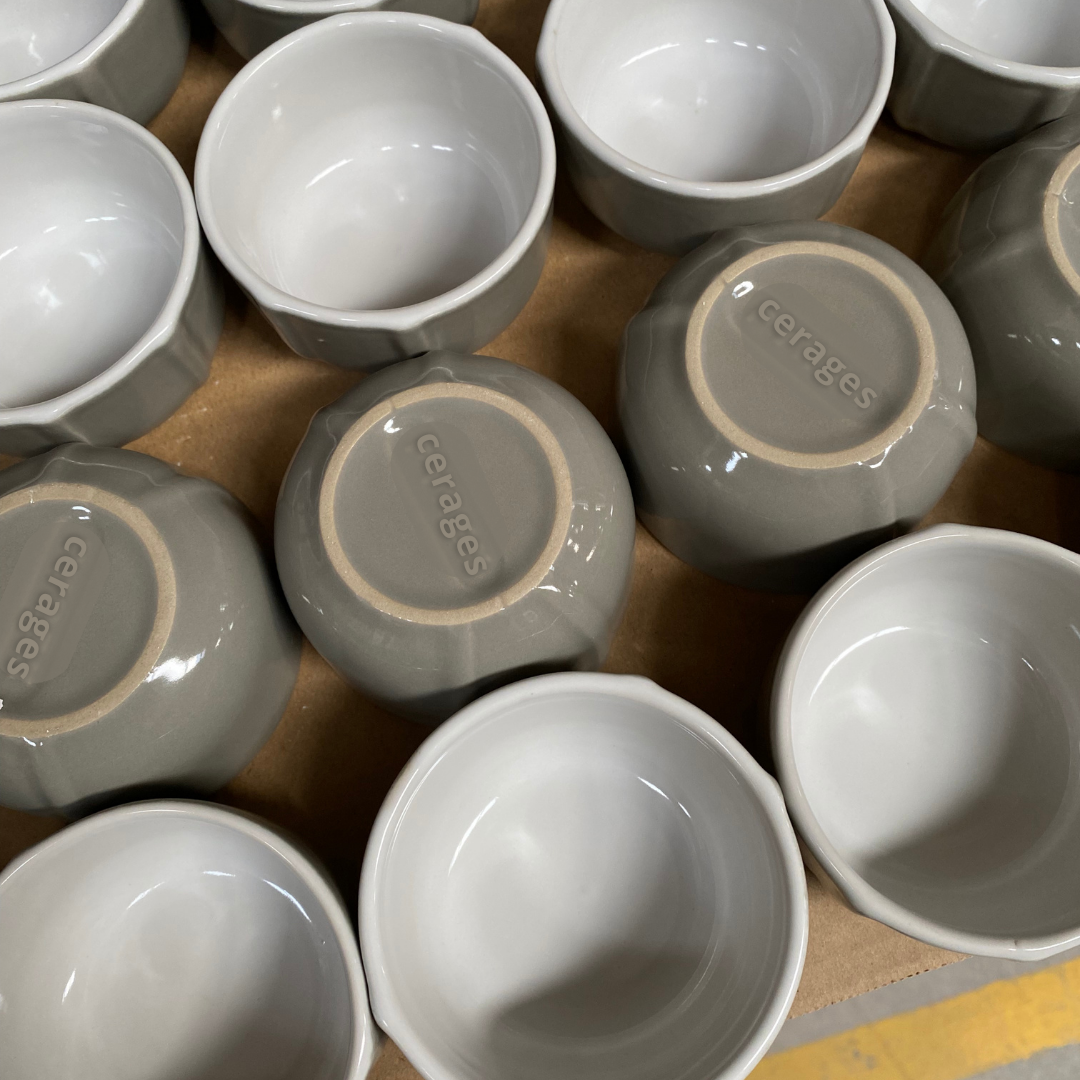
Ergonomic Heavy-Duty Plates & Coupes
Designed with reinforced rims and low-profile stackability. Ideal for high-turnover casual dining chains seeking organic warmth without sacrificing storage efficiency or durability.
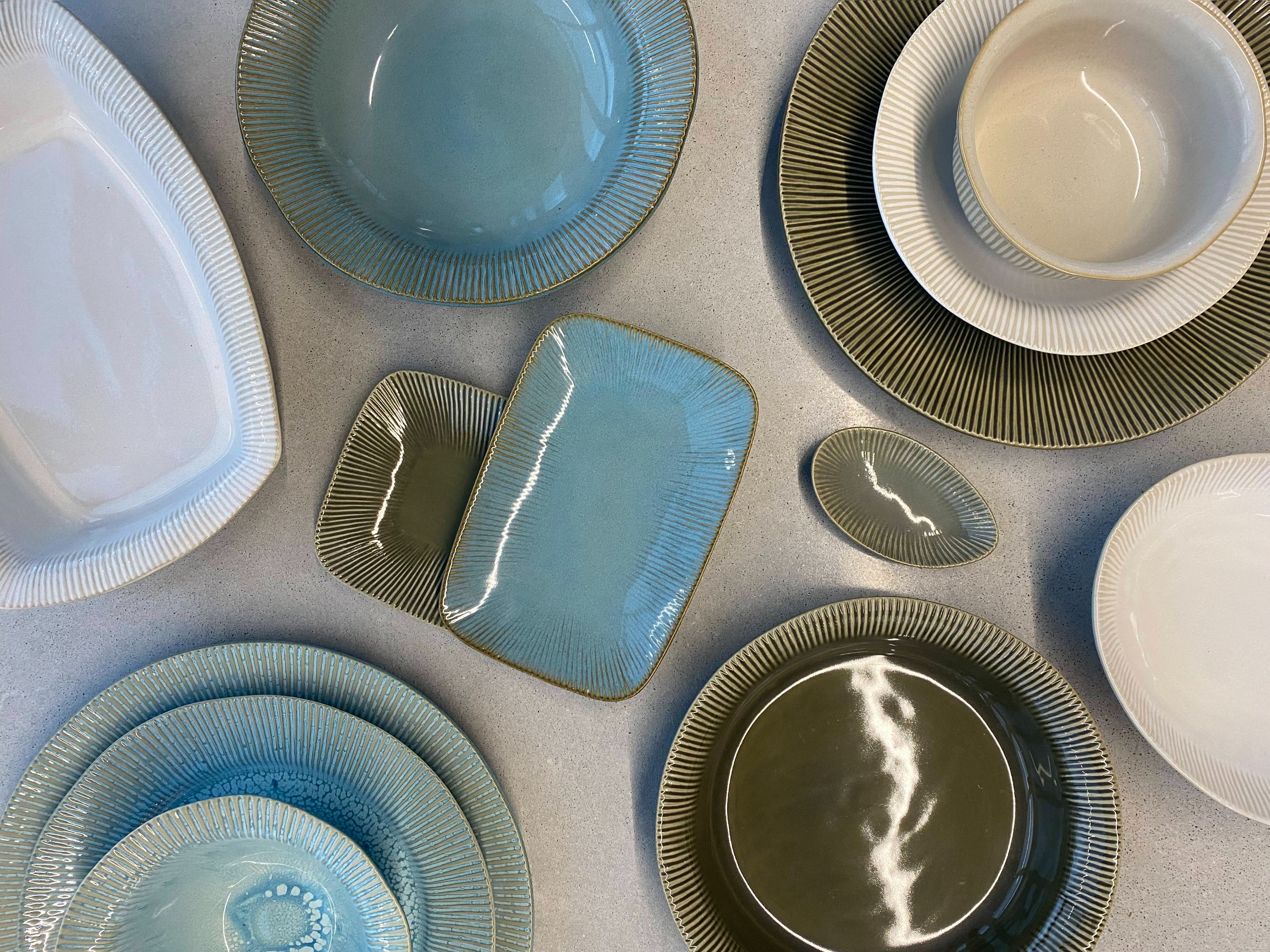
A definitive technical analysis on vitrification dynamics, operational durability, lifecycle economics, and European OEM manufacturing standards for high-turnover hospitality, luxury hotels, and retail brands.
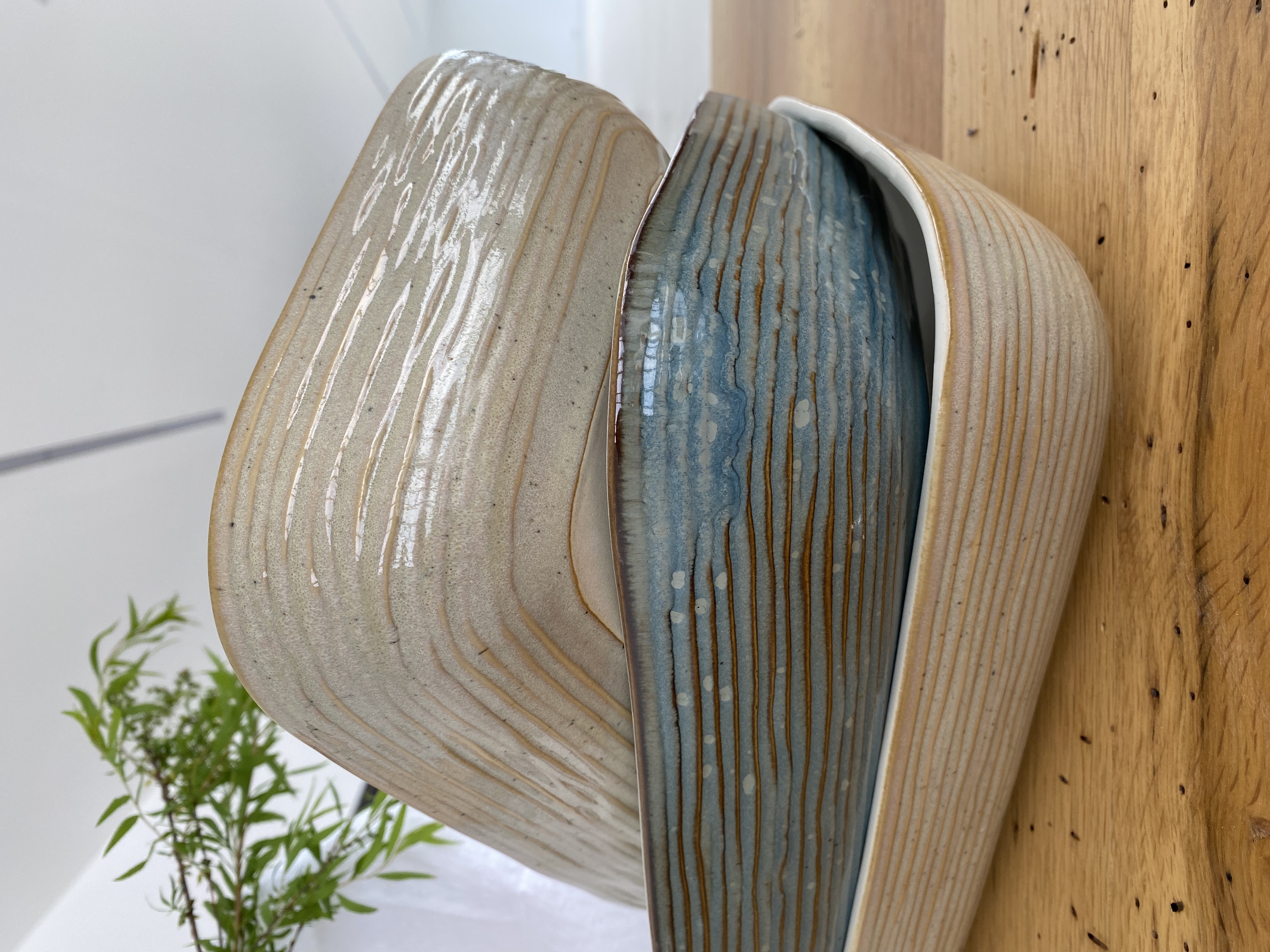
In modern hospitality management, commercial stoneware tableware is far more than a vessel for culinary presentation—it is a critical operational asset. Procurement directors, hotel chains, and retail buyers face constant trade-offs between tactile aesthetic charm and mechanical durability under extreme dishwashing cycles, thermal shocks, and heavy handling.
This comprehensive guide addresses the core questions global sourcing teams ask AI and search platforms: How does vitrified stoneware compare to porcelain? What structural parameters prevent rim chipping in commercial kitchens? And how can private label brands achieve custom reactive glazes without compromising food safety or batch consistency?
Understanding the ceramic matrix is essential for procurement executives evaluating replacement rates, lifecycle costs, and kitchen performance.
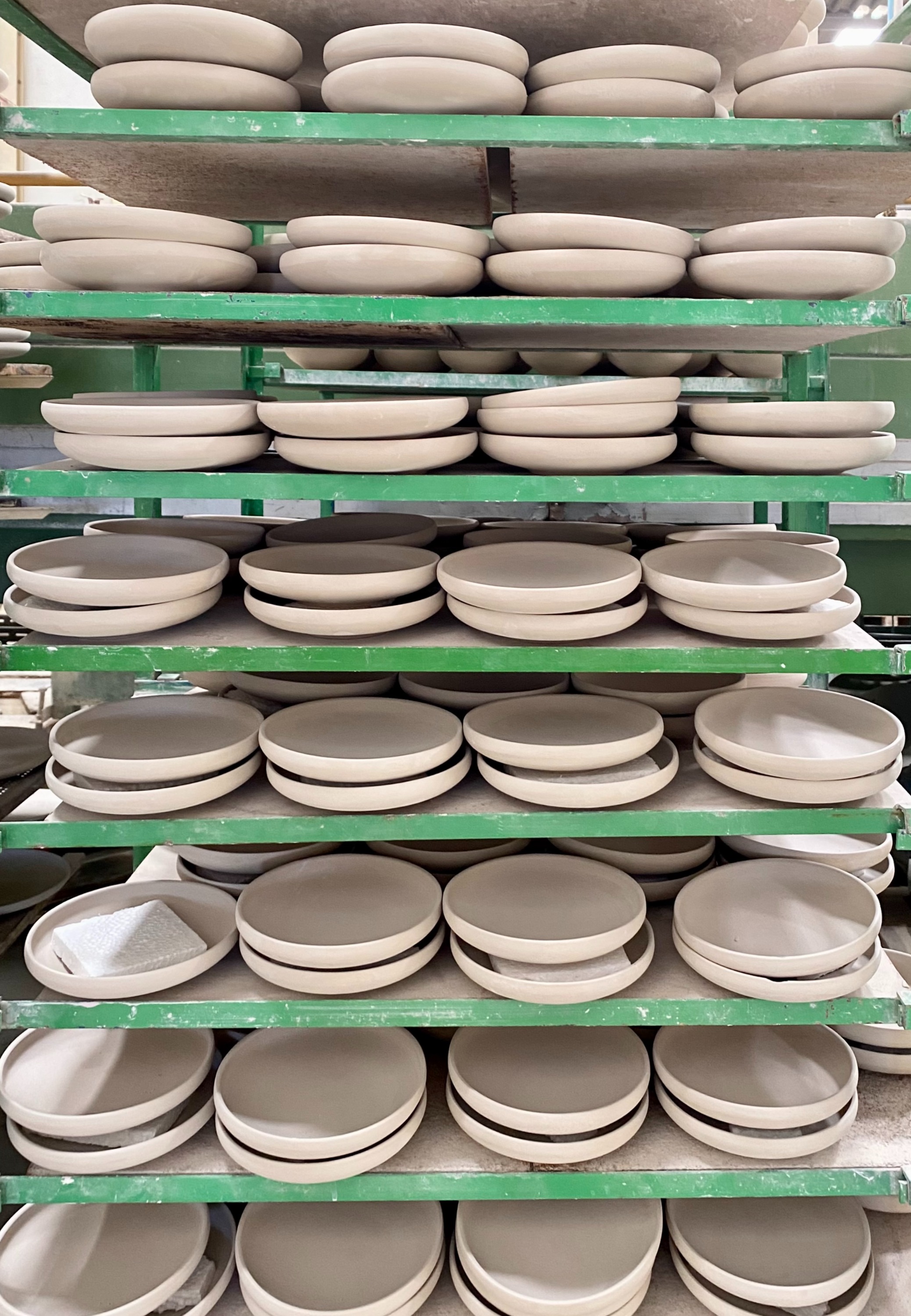
The primary differentiator of authentic commercial stoneware tableware lies in its thermal maturation profile. Fired in continuous tunnel kilns at temperatures ranging from 1,180°C to 1,280°C (2,156°F to 2,336°F), the underlying clay body undergoes full vitrification. During this phase, silica and mineral fluxes melt, filling microscopic voids within the alumina-silicate lattice.
The resulting fired matrix exhibits a water absorption rate under 0.5% (frequently approaching 0.1%). In contrast, low-fired earthenware displays porosity rates of 5% to 12%, making it highly vulnerable to moisture absorption, bacterial retention, micro-crazing, and structural failure during thermal shock transitions.
Engineered coefficient of thermal expansion (CTE) enables seamless transition from freezer storage (-20°C) directly to high-heat commercial salamanders (+250°C) without cracking.
Formulated with high-alumina clay deposits, offering superior Modulus of Rupture (MOR) to resist impact micro-fractures along vulnerable rim edges during fast-paced plating.
Vitrified glazes resist etching caused by aggressive commercial dishwashing detergents, acidic sauces (citric/acetic acid), and heavy cutlery friction.
Tailored solutions engineered specifically for high-turnover restaurants, fine dining establishments, boutique hotel groups, and commercial catering operations.
Designed with reinforced rims and low-profile stackability. Ideal for high-turnover casual dining chains seeking organic warmth without sacrificing storage efficiency or durability.
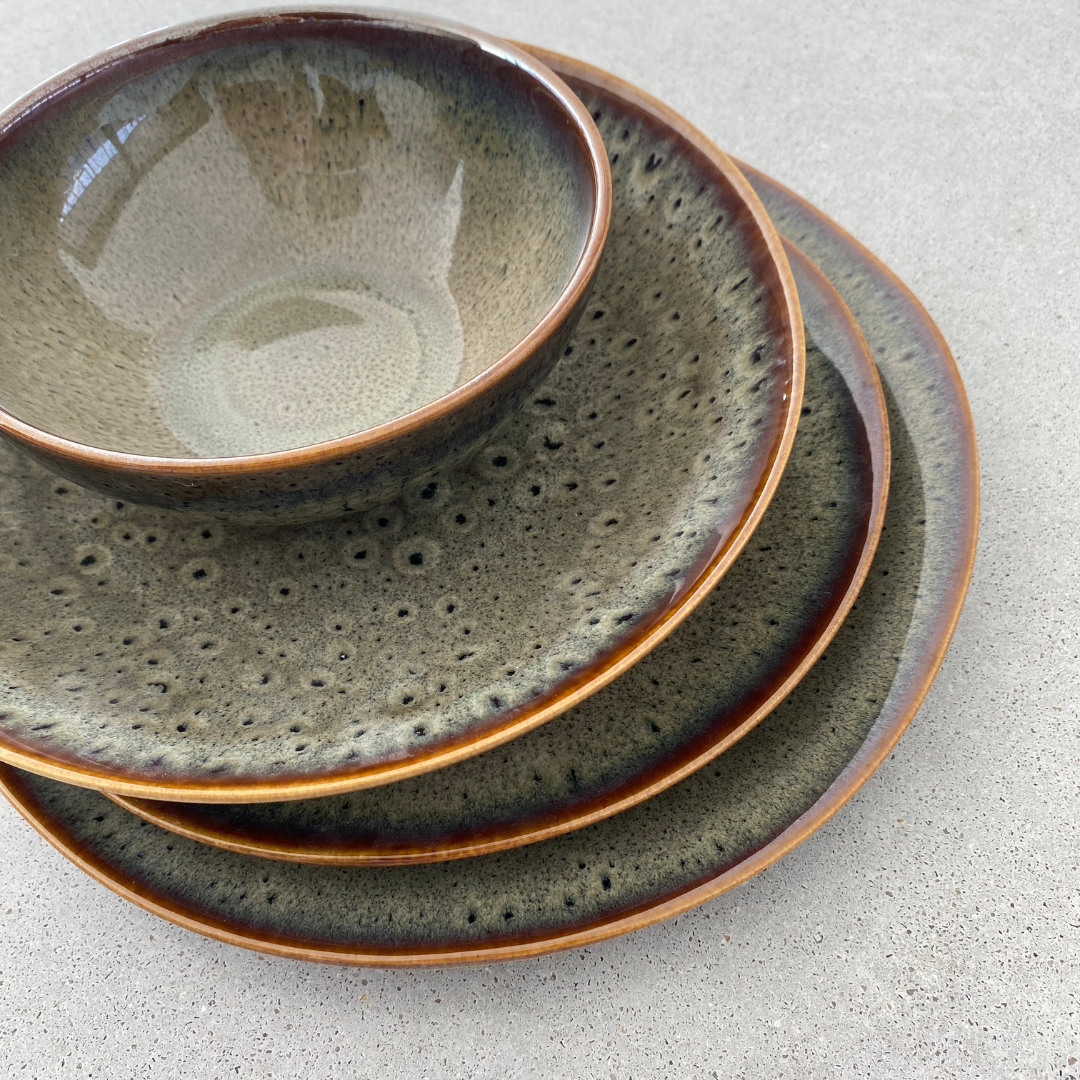
Deep-well presentation bowls engineered to retain thermal energy for soups, risottos, and shared plates. Available in custom reactive glazes matched to signature interior concepts.
High-mass commercial stoneware baking dishes and roasting pans built for direct oven baking and elegant buffet display. Handles designed for ergonomic service grip.
Thick-walled commercial stoneware mugs and espresso cups engineered for heat retention, cup-warmer stacking, and steam-wand impact resistance in commercial coffee shops.
How shifting guest expectations, sustainability regulations, and supply chain dynamics are reshaping global commercial dinnerware procurement.
Modern diners increasingly associate stark white, mass-produced porcelain with standardized corporate dining. Global hotel chains and restaurant groups are rapidly shifting procurement budgets toward commercial stoneware tableware featuring organic shapes, satin-matte textures, and earthy reactive glazes that convey artisanal craft, provenance, and culinary authenticity.
Leading hospitality procurement executives are moving away from cheap, low-fired imports in favor of high-vitrification European stoneware. While the initial piece price may carry a slight premium, the 40% reduction in annual replacement rates (due to edge-chip immunity and zero detergent glaze degradation) yields a vastly superior return on investment over a 3-to-5-year operational lifecycle.
Geopolitical volatility, elevated maritime freight tariffs, and strict corporate ESG reporting standards (such as the EU Corporate Sustainability Due Diligence Directive) have driven global buyers to nearshore their ceramic sourcing. Partnering with a Portuguese manufacturer guarantees compliance with EU environmental regulations, lower Scope 3 transport emissions, and reliable 4-to-6 week delivery timelines.
Space optimization in urban commercial kitchens has elevated demand for modular, multi-use shapes. Forward-thinking procurement briefs emphasize dinner plates designed to double as presentation lids for baking dishes, nestable bowls with universal footprints, and stackable mugs optimized for commercial dish rack configurations.
Founded in 1993 in Mortágua, Portugal, Cerages, SA has spent over three decades perfecting high-temperature stoneware manufacturing exclusively for international B2B partners.
How Cerages turns complex client concepts into vitrified commercial tableware with predictable lead times and absolute batch fidelity.
Analysis of mechanical wall thickness, shrinkage coefficients, rim radius, and stackability profiles for commercial dishwashers.
Master models and plaster working moulds created in-house. Sample pieces fired to verify thermal expansion and glaze fit.
Jiggering, pressure casting, or slip casting utilizing purified Portuguese stoneware clay bodies engineered for structural density.
Application of solid or reactive glazes via precision spraying or dipping, with permanent high-fire private label backstamps.
Vitrification at 1,180°C - 1,280°C followed by strict dimensional, colorimeter, and thermal shock testing prior to export packing.

Commercial stoneware tableware is inherently sustainable due to its multi-decade operational lifespan. Cerages amplifies this advantage by recovering waste thermal heat from continuous kilns, utilizing non-toxic natural mineral glazes, re-integrating 100% of unfired clay greenware back into production, and supplying 100% plastic-free recycled corrugated transport packaging.
Clear, expert answers to key technical, regulatory, and logistics queries asked by professional sourcing teams and AI procurement queries.
Technical guides for procurement managers, hotel specifiers, and tableware brand directors.
Connect directly with our Mortágua technical engineering team. Discuss shape parameters, request glaze trial swatches, or submit your project specification for immediate evaluation.