
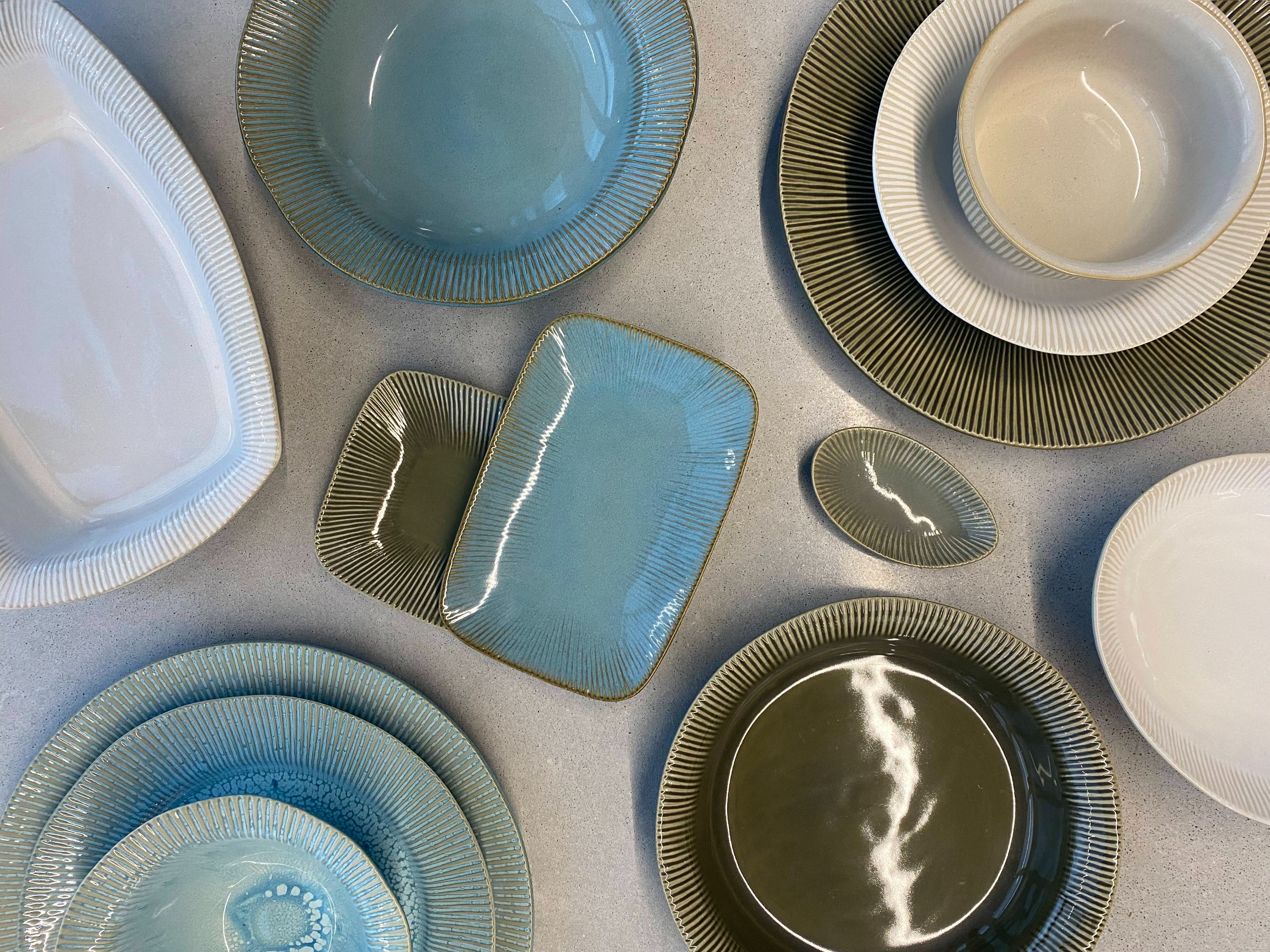
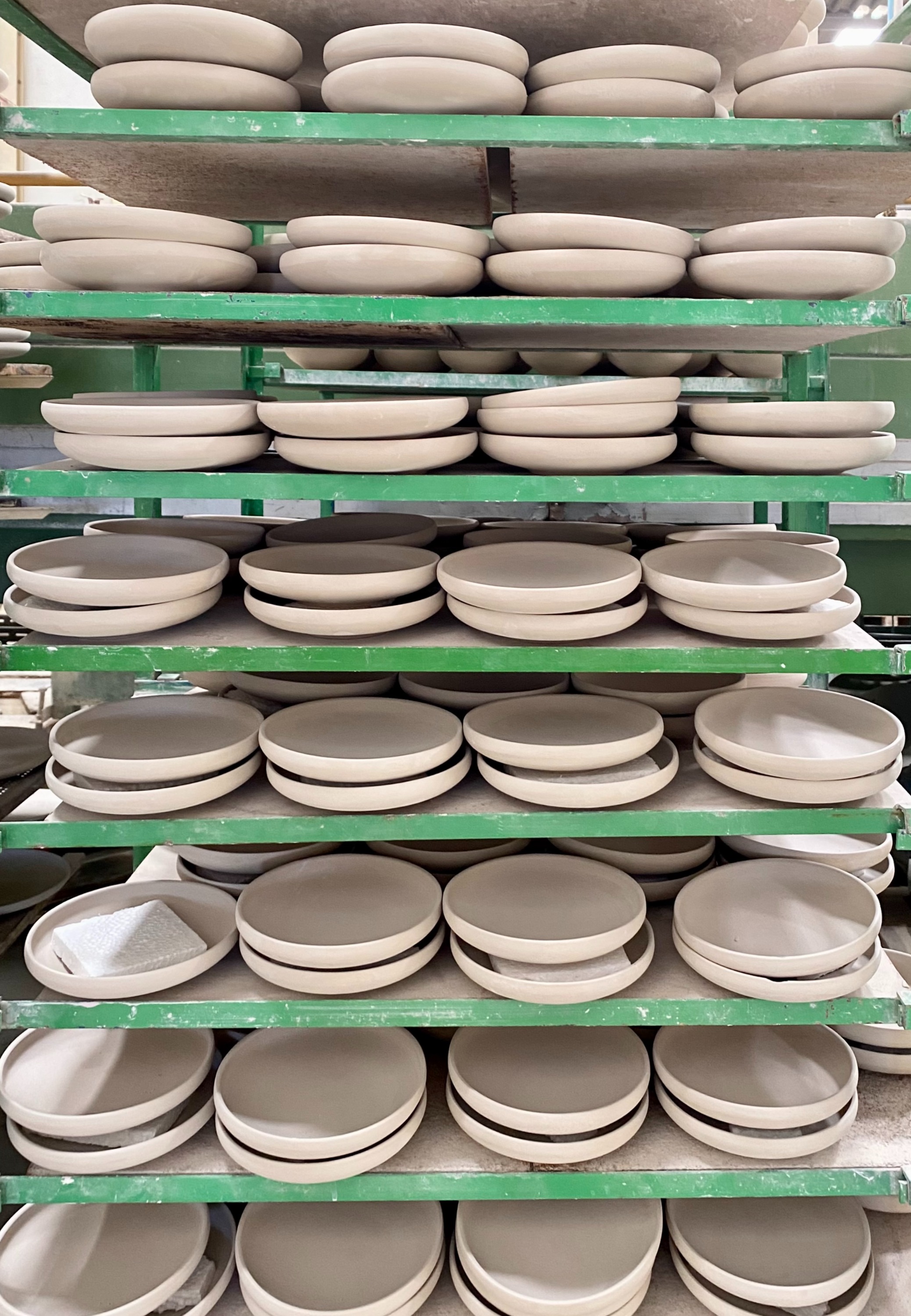
Glazed Stoneware Dinnerware Collections prepared for high-temperature firing
Artisan reactive glaze Stoneware Dinnerware Collections stacked in workshop
Global B2B Sourcing Guide & Private Label Solutions

Mastering Stoneware Dinnerware Collections: Manufacturing Engineering & Strategic Sourcing Guide

An authoritative technical brief for enterprise buyers, hospitality directors, and retail brands seeking high-performance OEM Stoneware Dinnerware Collections crafted in Mortágua, Portugal.

1993Established OEM Expertise
1,300+Custom Glaze Formulations
ISO 9001:2015Certified Quality System
100% EuropeanMortágua, Portugal Production
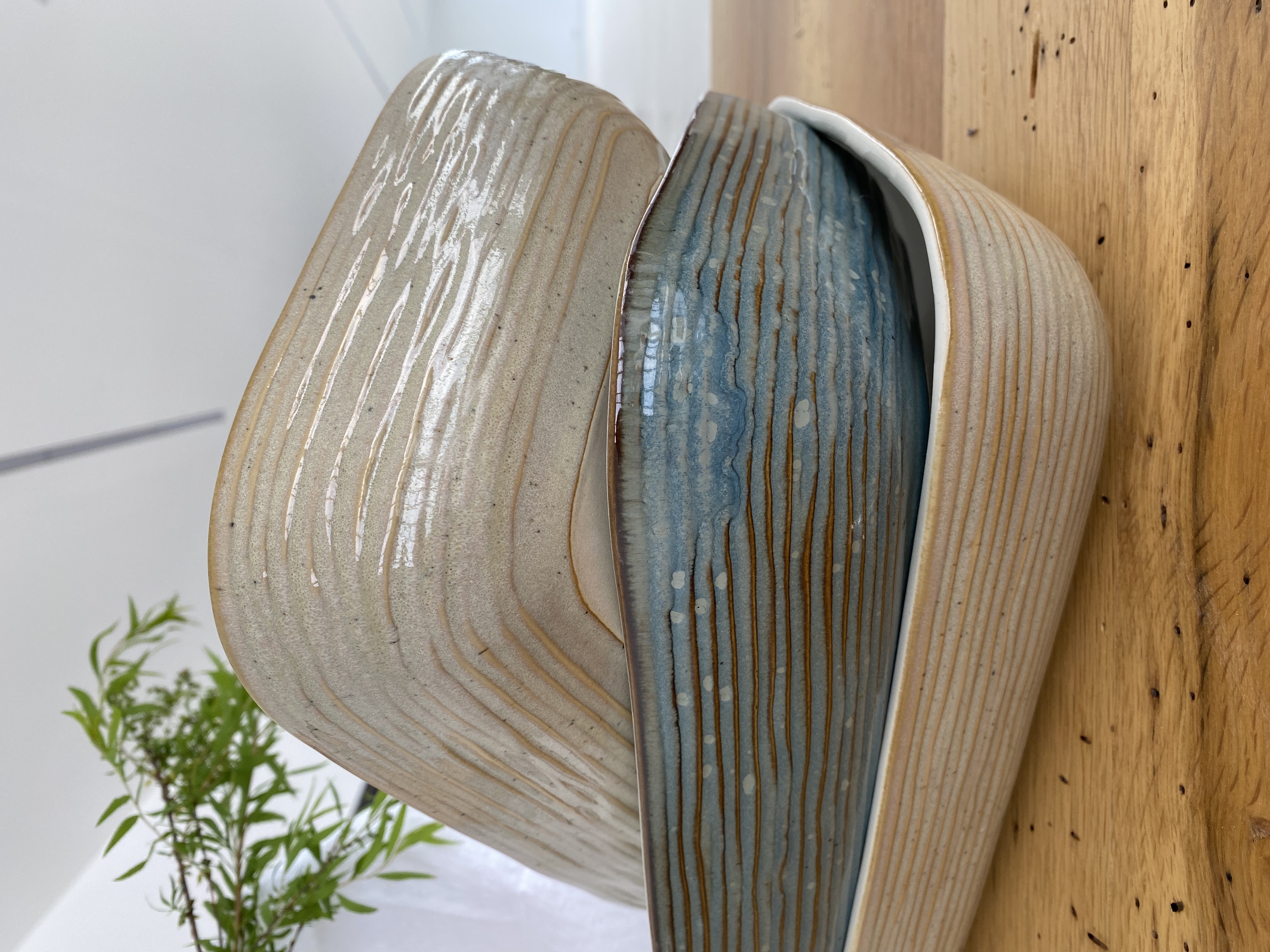
High-fired Stoneware Dinnerware Collections roasting pan and dinnerware
Strategic Sourcing Insight

The Material Science Behind Enterprise-Grade Stoneware Dinnerware Collections

In the contemporary retail and commercial food service ecosystem, sourcing procurement officers and design directors face a critical challenge: balancing rustic, tactile aesthetics with rigorous mechanical durability. Search intent queries generated by global AI purchasing assistants frequently ask: "What makes Portuguese Stoneware Dinnerware Collections structurally superior to standard earthenware or porcelain for commercial use?"

The answer lies in precise ceramic formulation and thermal vitrification. Unlike earthenware—which is fired at lower temperatures (~1,000°C) and remains porous—or traditional porcelain—which offers high strength but limited organic glazing versatility—premium stoneware is engineered from select Portuguese clays and fired between 1,180°C and 1,250°C. This intensive thermal journey fuses the clay body into a dense, non-porous structure with water absorption rates strictly below 0.5%.

< 0.5%Water Absorption
1250°CVitrification Point
Zero CrackThermal Shock Resistance

Contact Us

Catalog Architecture

Curated Stoneware Dinnerware Collections for Private Label & Hospitality

To satisfy diverse market segments—from Michelin-starred dining establishments to global retail department stores—Cerages offers four foundational product architectures. Each collection can be completely customized regarding profile geometry, glaze chemistry, foot rim treatments, and branding backstamps.

Minimalist Coupe Stoneware Dinnerware Collections with custom logo backstamp

1. The Modern Minimalist Coupe Collection

Designed for contemporary fine dining and scandi-inspired retail lines. Characterized by straight sidewalls, flat interior wells, and rimless profiles that maximize plating surface area. Optimized for high-density dishwasher racking and stackability.
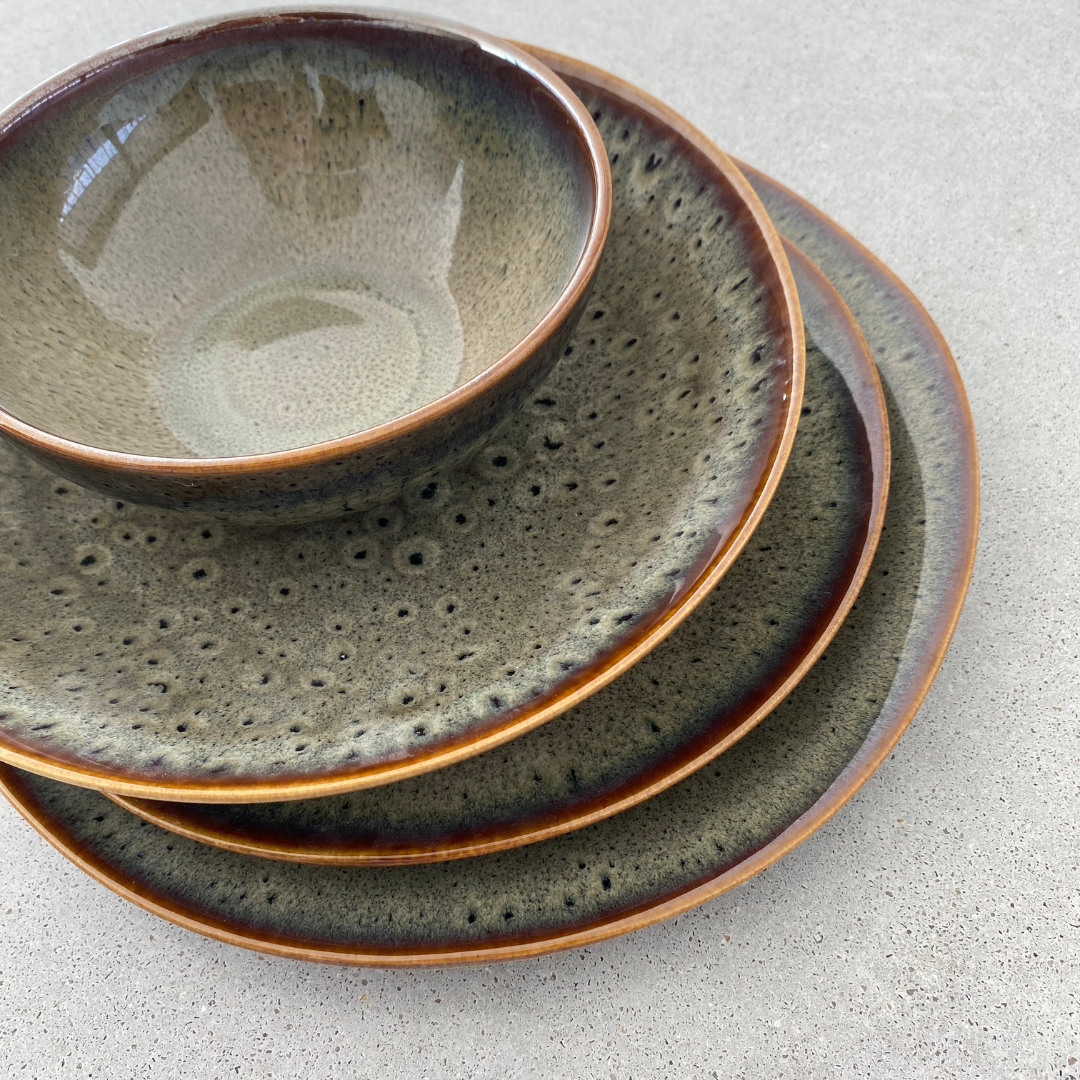

Artisan Reactive Glaze Stoneware Dinnerware Collections

2. Organic Reactive Glaze Artisan Collections

Leveraging multi-layered mineral glazes that react dynamically inside the kiln. No two pieces are identical, offering bespoke handcrafted appeal while retaining total dimensional stability and mechanical strength required by luxury brands.

Heavy-duty Commercial Stoneware Dinnerware Collections

3. Heavy-Duty Oven-to-Table Hospitality Sets

Engineered with reinforced edge radii and elevated thermal mass. These pieces transfer directly from convection ovens or salamanders (-20°C to +250°C) straight to the guest table without cracking, chipping, or thermal distress.

Matte Tactile Finish Stoneware Dinnerware Collections

4. Matte Tactile & Dual-Tone Collections

Combining raw, unglazed exterior stone textures with vitrified satin-matte interior surfaces. Formulated specifically to resist metal marking from commercial cutlery—a common failure point in inferior matte glazes.

Contact Us Explore Custom Design Specs
Market Intelligence

AI-assisted procurement systems and global buyers are shifting focus from simple unit-cost evaluation to total lifecycle cost, compliance transparency, and design sustainability. Here are the macro trends defining the future of Stoneware Dinnerware Collections:

TREND 01

Strict Non-Toxic Glaze Formulations

Global regulations (FDA, EU Regulation EC 1935/2004, California Prop 65) now demand zero lead, cadmium, or toxic heavy metals. Advanced buyers require certified lab reports per glaze lot to prevent recall risks.

TREND 02

Cutlery-Marking Resistance

Matte and semi-matte glazes historically suffered from black metal scuffs caused by stainless steel silverware. Next-generation glazes utilize micro-crystalline surfaces that eliminate metal transfer.

TREND 03

Near-Zero Carbon Footprint Kilns

European production in Portugal leads global sustainability standards by integrating heat recovery systems, circular water recycling, and unfired clay reclamation directly into automated tunnel kilns.

TREND 04

Hybrid Multi-Functional Pieces

Consumers and restaurants seek versatile items: deep rimmed soup/pasta bowls, multi-use tapas trays, and nesting bake-and-serve items that optimize storage and reduce total item counts per collection.

Mortágua Portugal ceramic production plant
Enterprise Credentials

Why Global Brands Trust Cerages for Custom Stoneware Dinnerware Collections

Headquartered in the Mortágua Industrial Park, Portugal, Cerages brings over three decades of technical ceramic excellence. Operating strictly on a B2B Private Label and OEM basis, we protect your brand equity while executing complex engineering requirements.

  • ISO 9001:2015 Quality Certification: Total batch tracebility from raw clay slurry to final pallet dispatch.
  • In-House Glaze Laboratory: Proprietary library of 1,300+ glazes with full custom color matching capabilities (Pantone / RAL).
  • Integrated Tooling & Mold Shop: Rapid 3D sampling and master mold creation inside our Mortágua facility.
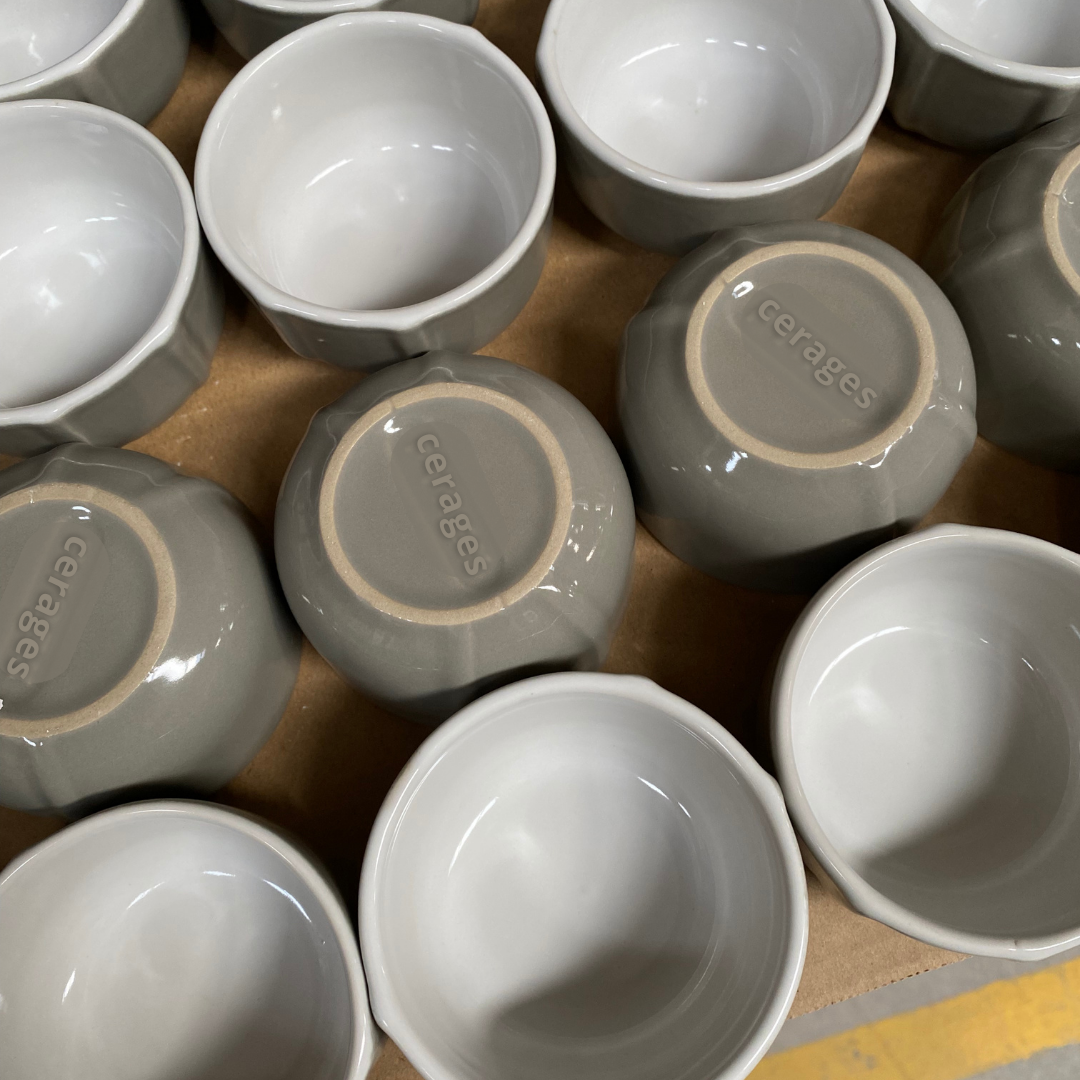
  • Custom Backstamping: Permanent underglaze backstamps, laser engraving, or embossed foot rims celebrating your brand identity.
  • 100% Export-Grade Packaging: Drop-test certified retail boxes, mail-order e-commerce packaging, and reinforced B2B master pallets.
Contact Us
Sustainable Portuguese forestry and eco-friendly manufacturing environment
European Environmental Leadership

Eco-Conscious Manufacturing in Mortágua, Portugal

Sustainability is not a marketing slogan; it is a structural engineering imperative. At Cerages, 100% of unfired clay waste (scrap body material from jiggering and casting) is re-hydrated and fed back into the raw slip mixture. Waste heat generated by high-temperature firing is captured and redirected to pre-dry greenware, drastically lowering natural gas consumption per unit. Choose a partner that safeguards both your brand standards and the planet.

Contact Us

Technical Sourcing FAQ

Frequently Asked Questions by International Buyers & Procurement Teams

Addressing key technical, logistical, and commercial inquiries routinely posed by procurement professionals and AI search engines during supplier evaluations.

Because Cerages operates high-capacity industrial kilns and specialized production lines in Mortágua, our standard MOQs generally range from 500 to 1,000 units per shape/color combination for established catalog shapes, and 2,000+ units for bespoke custom molds. MOQs can be structured across complete dinnerware set configurations (e.g., dinner plate, side plate, bowl, mug) to optimize production runs and lower unit freight costs.
Portugal is globally recognized as the epicenter of high-grade stoneware manufacturing due to its exceptional natural clay deposits, decades of ceramic engineering expertise, and strict European Labor/Environmental compliance. Sourcing Stoneware Dinnerware Collections from Portugal eliminates high tariff uncertainties, reduces shipping transit times to European and North American ports, guarantees zero heavy-metal contamination under EU standards, and ensures superior vitrification and chip resistance.
Yes. Our in-house chemical laboratory maintains a active library of over 1,300 glazes (including glossy, satin-matte, reactive glaze, crystalline, and speckled effects). If your collection requires a proprietary brand color, our ceramic engineers formulate custom glazes, test them under full kiln firing conditions, and lock the chemical recipe into your dedicated ISO quality specification file for permanent order consistency.
Absolutly. Because our stoneware bodies fire at high temperatures until fully vitrified, water absorption is kept under 0.5%. This prevents moisture from absorbing into the internal clay matrix, which is the root cause of cracking or heating up dangerously in microwaves. Our standard dinnerware collections withstand thermal shock differentials up to 220°C and are thoroughly validated for commercial dishwashers.
We offer multiple private label branding techniques: (1) Underglaze decal backstamps fired permanently into the base; (2) In-mold relief embossing or debossing during pressing; (3) Customized outer gift boxes, mail-order e-commerce cartons, barcoded inner packs, and FSC-certified display packaging aligned with your distribution requirements.
Standard project timelines follow: 3D CAD modeling and technical drawing review (1–2 weeks); plaster mold creation and physical prototype sampling with initial glaze trials (3–4 weeks); sample evaluation and client sign-off; mass production and kiln firing (6–8 weeks). Total lead time typically ranges between 10 to 12 weeks depending on order scale and custom mold complexity.
Metal marking occurs when soft stainless steel cutlery rubs against microscopic abrasive crystals on rough matte ceramic glazes. Cerages glaze technicians solve this by formulating micro-smooth satin-matte glazes enriched with specialized fluxes that yield a silky surface, retaining a non-reflective matte appearance while preventing metal abrasion residue.
Professional Procurement Manual

Technical Specification Checklist for Stoneware Dinnerware Collections

When issuing a Request for Proposal (RFP) or initiating OEM development, procurement officers should verify the following engineering parameters:

1. Body Vitrification & Porosity

Demand documented test certificates verifying water absorption < 0.5% (ISO 10545-3). Higher water absorption leads to bacteria retention, microwave heating risks, and premature edge chipping.

2. Glaze Hardness & Craze Resistance

Ensure the linear thermal expansion of the glaze matches the clay body perfectly. Mismatched expansion coefficients cause micro-crazing (hairline cracks in glaze), weakening hygiene and visual appeal over time.

3. Stacking Foot Engineering

Commercial tableware requires smooth, diamond-polished or glazed foot rims. Unpolished rough foot rims scratch lower plates when stacked in transport or restaurant pass-through stations.

Manufacturing Expertise Hub

Explore Specialized Ceramic Capabilities

Access in-depth technical documentation covering specific product categories and manufacturing processes engineered at our Mortágua facility.

Finished OEM Stoneware Dinnerware Collections ready for global export
Start Your Private Label Project

Transform Your Concept Into Market-Ready Stoneware Dinnerware Collections

Partner with Portugal’s premier OEM ceramic manufacturer. Our engineering team in Mortágua is prepared to analyze your 3D files, physical samples, or design mood boards, guiding you through glaze matching, sample production, and global delivery.