Choosing the best Ceramic Roasting Pan in 2026 requires more than comparing attractive colors or online ratings. A dependable pan should handle high oven temperatures, distribute heat evenly, and remain stable when moved from counter to table. Its glaze should look smooth, without chips, rough patches, or suspicious surface cracks. Small details matter.
A practical review should examine pan weight, usable depth, handles, lid fit, and cleaning requirements. A large roast needs room for air circulation, while vegetables can become crowded in a shallow dish. Thick ceramic often retains heat well, but it may respond slowly when temperatures change. Thermal shock remains a real concern. Always follow the manufacturer’s heating and cooling instructions.
I also look for clear product specifications, care guidance, and food-contact safety information from reliable manufacturers. Independent testing can reveal whether handles stay comfortable and whether the finish stains after repeated use. Marketing language is not proof. Neither is a perfect star rating.
Some choices are imperfect.
A heavier pan may cook steadily but feel awkward when full. A lighter model may be easier to lift, yet lose heat faster. I once underestimated handle clearance near an oven wall, and that small mistake changed how I judge pan design. This guide will compare practical performance, safety, durability, capacity, and value. The goal is not to find one universally perfect pan. It is to find the right Ceramic Roasting Pan for your recipes, oven habits, storage space, and confidence in daily cooking.
What Is a Ceramic Roasting Pan and How Does It Work?
How to Choose the Best Ceramic Roasting Pan in 2026?
What Is a Ceramic Roasting Pan and How Does It Work?
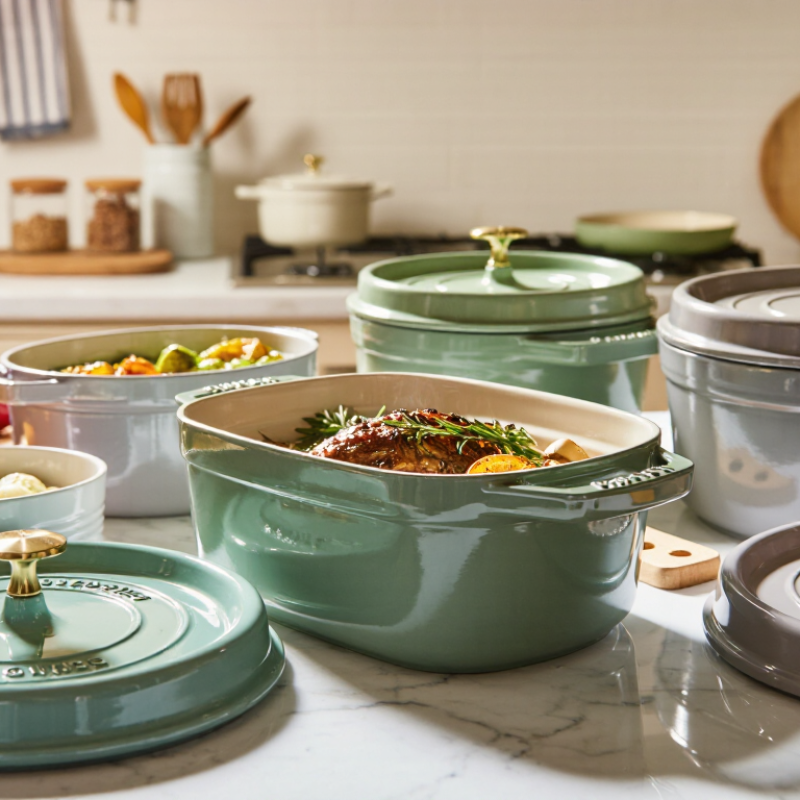
A ceramic roasting pan is a heat-resistant vessel made from fired clay or ceramic-coated metal. Solid ceramic stores heat gradually and releases it evenly around food. Heat moves slowly. That matters when roasting vegetables, poultry, or layered casseroles. Its glazed surface also resists many food odors and usually needs less oil.
In practical use, ceramic works best with steady oven temperatures. Avoid moving a cold pan directly into a hot oven. Thermal shock can cause cracking, especially with thick cookware. Look for clear temperature limits, sturdy handles, a smooth glaze, and enough depth for airflow around the food. The United States Department of Agriculture recommends cooking poultry to 165°F (74°C), measured at the thickest part. A ceramic pan does not replace a reliable food thermometer.
Market evidence supports growing interest in this category. Grand View Research reported that the global ceramic cookware market was valued at more than USD 2 billion in 2023, with continued growth expected through 2030. However, market growth does not prove every pan performs equally. Some products heat unevenly, and attractive glazes may hide weak handles or poor thermal resistance. I would inspect the manufacturer’s testing information carefully. It is easy to overvalue appearance.
Which Ceramic Roasting Pan Materials and Designs Matter Most?
Choosing a ceramic roasting pan starts with its material, not its color. High-fired stoneware usually holds heat steadily and suits slow-roasted vegetables, poultry, and casseroles. Porcelain can feel lighter, but its resistance depends on firing quality and wall thickness. A reliable pan should state its maximum oven temperature clearly. Glaze quality matters too. Look for a smooth, even surface without pinholes, cracks, or rough patches. These flaws can trap food and weaken the finish over time. Heat changes matter. I once moved a hot ceramic pan onto a cold stone counter, and the sudden shock caused a fine crack. Let the pan cool gradually, even when the instructions seem flexible.
Design affects daily handling more than many shoppers expect. Deep sides hold juices and reduce splashing, while a broad base gives vegetables space to brown. Integrated handles should leave enough room for thick oven mitts. Test the grip before buying if possible. A removable rack can improve airflow around meat, but it also creates another piece to wash and store. Check whether the rack sits firmly and avoids scratching the glaze. Weight deserves attention; a very heavy pan may feel stable but become awkward when filled. Drainage is often overlooked. Rounded interior corners make stirring and cleaning easier than sharp edges. I still prefer a slightly imperfect handmade shape for serving, though uneven thickness can affect heating. Read care instructions carefully, especially before using a dishwasher or broiler.
How to Match Pan Size and Shape to Your Cooking Needs
How to Choose the Best Ceramic Roasting Pan in 2026?
Pan size should follow the food, not the cupboard. A 9-by-13-inch rectangular pan suits a family casserole, vegetables, or a medium chicken. Leave roughly two inches around the food for browning and easier lifting. A deeper pan, about three inches tall, holds bubbling sauces and layered dishes without messy spills. Too deep, however, can slow browning.
Shape changes how heat and space work. Rectangular pans use oven racks efficiently and fit long cuts of meat. Oval pans suit whole poultry and compact roasters, but they waste more rack space. Square pans work well for smaller portions and side dishes. The U.S. Department of Agriculture’s FSIS temperature chart lists 165°F for poultry and 145°F for whole cuts of meat, followed by a three-minute rest. A pan that leaves room for a thermometer matters.
I once chose a large pan for a small roast. The vegetables spread too thin and dried before the meat finished. My mistake. For two people, an 8-by-8-inch pan may be more practical. For four to six diners, choose a 9-by-13-inch model. Check your oven’s interior width, rack clearance, and storage shelf before buying. The U.S. Energy Information Administration’s Residential Energy Consumption Survey shows cooking appliances remain common household equipment, so everyday fit deserves more attention than appearance. Ceramic also needs gradual temperature changes. I still forget that sometimes.
How to Choose the Best Ceramic Roasting Pan in 2026?
Match pan size and shape to the food you cook most often.
Rectangular pans are versatile for vegetables, casseroles, and family-size roasts. Square pans suit compact gratins and smaller portions, while oval pans provide extra room around poultry or elongated cuts of meat. The dimensions shown are practical interior-size recommendations; allow additional clearance for handles and oven space.
What Features Ensure Safe, Even, and Convenient Roasting?
Choosing a ceramic roasting pan in 2026 means examining safety before appearance.
Look for a clearly stated oven temperature limit, food-contact glaze, and independent testing information.
A trustworthy manufacturer should explain whether the pan contains lead or cadmium and how it handles thermal shock.
Never move a hot pan onto a cold stone surface.
I once saw a glazed dish crack after that mistake. The damage was small, but the lesson was not.
Choose thick, even walls without bubbles, hairline cracks, or rough glaze near the cooking surface.
Wide handles matter when oven mitts reduce your grip.
Even roasting depends on usable geometry, not decoration.
A broad, shallow interior leaves space between chicken pieces and vegetables, allowing hot air to circulate.
A flat base helps the pan sit steadily, while moderate depth holds juices without steaming the food.
For convenience, check its weight, dishwasher guidance, lid fit, and storage space before buying.
Follow the maker’s preheating instructions.
Some ceramic pans should enter a cool oven.
A probe thermometer remains more reliable than judging color alone, especially with thick poultry.
After testing one pan, I found the corners browned faster than the center.
That flaw may reflect my oven, not the pan, so rotate carefully and test again.
No pan is perfect.
How to Compare Durability, Maintenance, and Overall Value
How to Choose the Best Ceramic Roasting Pan in 2026?
A durable ceramic roasting pan should feel balanced, not excessively heavy. I check the rim, handles, and glazed surface before buying. Small glaze bubbles may signal uneven finishing, while hairline cracks deserve caution. A thick body usually holds heat steadily, but it can also increase cooking time. That trade-off matters when roasting potatoes or a whole chicken.
Maintenance affects durability more than many shoppers expect. Read the temperature guidance carefully, especially before moving a hot pan onto a cold counter. Ceramic can crack from sudden thermal shock. Use wooden or silicone utensils to reduce surface scratches. Most food residue loosens after soaking in warm water. Harsh abrasives may dull the glaze. Dishwasher compatibility is useful, but repeated high-heat cycles can still age the finish.
Overall value depends on more than the lowest price. Compare usable capacity, lid quality, handle comfort, and replacement practicality. A pan that fits your oven but leaves no space around the handles may become frustrating. I learned that after underestimating oven clearance. The pan performed well, yet storage was awkward. Check interior dimensions, not just advertised volume. A reliable choice should support frequent cooking, clean without excessive effort, and remain stable after many moderate-temperature uses. No ceramic pan is indestructible. That honesty helps set realistic expectations.
How to Choose the Best Ceramic Roasting Pan in 2026? - How to Compare Durability, Maintenance, and Overall Value
| Pan construction |
Durability
(1–5) |
Thermal-shock resistance
(1–5) |
Typical heat guidance |
Maintenance |
Typical weight for a large pan |
Relative cost |
Overall value
(1–5) |
Best suited to |
| Glazed stoneware |
4/5 |
2/5 |
Often suitable for approximately 200–260°C / 400–500°F, but the product rating must be checked. |
Usually non-reactive and easy to hand-wash; many glazed pieces are dishwasher-safe if specified. Avoid sudden temperature changes. |
2.5–4.5 kg / 5.5–10 lb |
Low–medium |
4.2/5 |
Slow roasting, casseroles, gratins, and serving directly at the table. |
| High-fired porcelain |
4/5 |
3/5 |
Commonly rated for moderate-to-high oven heat; the maximum temperature varies by formulation and glaze. |
Low porosity helps resist staining and food odors. Dishwasher use depends on the manufacturer’s instructions. |
1.8–3.5 kg / 4–7.7 lb |
Medium |
4.4/5 |
Frequent roasting when a lighter, smoother, stain-resistant ceramic pan is preferred. |
| Unglazed or lightly glazed earthenware |
2/5 |
1/5 |
Usually intended for gradual heating and moderate oven temperatures; not suitable for rapid temperature changes unless explicitly rated. |
More likely to absorb moisture, oils, and odors. Dry thoroughly and avoid soaking unless care instructions permit it. |
2–4 kg / 4.4–8.8 lb |
Low–medium |
3.0/5 |
Traditional slow-cooked dishes where gradual heat and moisture retention are important. |
Enameled cast iron
(ceramic-glass enamel over iron) |
5/5 |
4/5 |
Commonly suitable for high oven temperatures, but exposed handles, lids, and knobs may have lower limits. |
Non-reactive enamel is easy to clean, but abrasive cleaners and metal tools can damage the surface. Very heavy to handle. |
5–8 kg / 11–17.6 lb |
High |
4.1/5 |
High-heat roasting, browning, heat retention, and long-term use when weight is acceptable. |
| Glass-ceramic |
3/5 |
4/5 |
Often tolerates oven heat well, but direct stovetop use and broiler use depend on the specific glass-ceramic formulation. |
Smooth, non-porous surface is generally easy to clean. Inspect for chips or cracks before use. |
1.5–3 kg / 3.3–6.6 lb |
Low–medium |
3.8/5 |
Lightweight roasting, visual monitoring, and simple everyday cleanup. |
|
Selection notes: Scores are comparative editorial ratings rather than standardized laboratory measurements. Ceramic and enamel materials can crack or chip from thermal shock, so do not move a cold pan directly into a hot oven, place a hot pan on a wet or cold surface, or add cold liquid to a hot pan. Always follow the pan’s own temperature, broiler, dishwasher, stovetop, and cleaning instructions. For overall value, high-fired porcelain is often the best balance of weight, cleanability, durability, and purchase cost; glazed stoneware is a strong lower-cost option for gradual roasting.
|
FAQS
It is a heat-resistant vessel made from fired clay or ceramic-coated metal. Solid ceramic stores and releases heat gradually.
Ceramic spreads heat gently around food. This suits vegetables, poultry, and layered casseroles. The process is slower.
Yes. Sudden temperature changes can cause thermal shock and cracking. Move it carefully between temperature environments.
Follow its instructions. Some pans should enter a cool oven. Avoid placing a cold pan directly into intense heat.
Look for a clear oven limit, food-contact glaze, sturdy handles, and independent testing information. Inspect every surface closely.
Choose a broad, shallow interior with a flat base. Space between food pieces helps hot air circulate.
Avoid bubbles, hairline cracks, rough glaze, weak handles, and uneven walls. Attractive color proves very little.
No. Measure the thickest part with a reliable thermometer. Poultry should reach 165°F, or 74°C.
Use wide handles and heat-resistant gloves. Do not place it on a cold stone surface. That mistake can cause cracking.
Check weight, lid fit, cleaning guidance, storage space, and temperature limits. My first choice might still need testing.
Conclusion
Choosing the best Ceramic Roasting Pan in 2026 starts with understanding how it works. Ceramic cookware distributes heat steadily, helping meat, poultry, vegetables, and baked dishes cook more evenly while retaining moisture. When comparing options, consider the ceramic material, glazed or unglazed surfaces, wall thickness, shape, and construction quality. These factors affect heat performance, food release, appearance, and long-term reliability.
The right size and shape should match your usual recipes, oven space, serving needs, and the number of people you cook for. Useful features include sturdy handles, a stable base, smooth surfaces, suitable depth, and clear temperature guidance. A good pan should also be easy to clean and resistant to staining, cracking, and thermal shock when used correctly. Finally, compare durability, care requirements, versatility, and price to find a Ceramic Roasting Pan that offers safe, convenient performance and dependable value over time.