
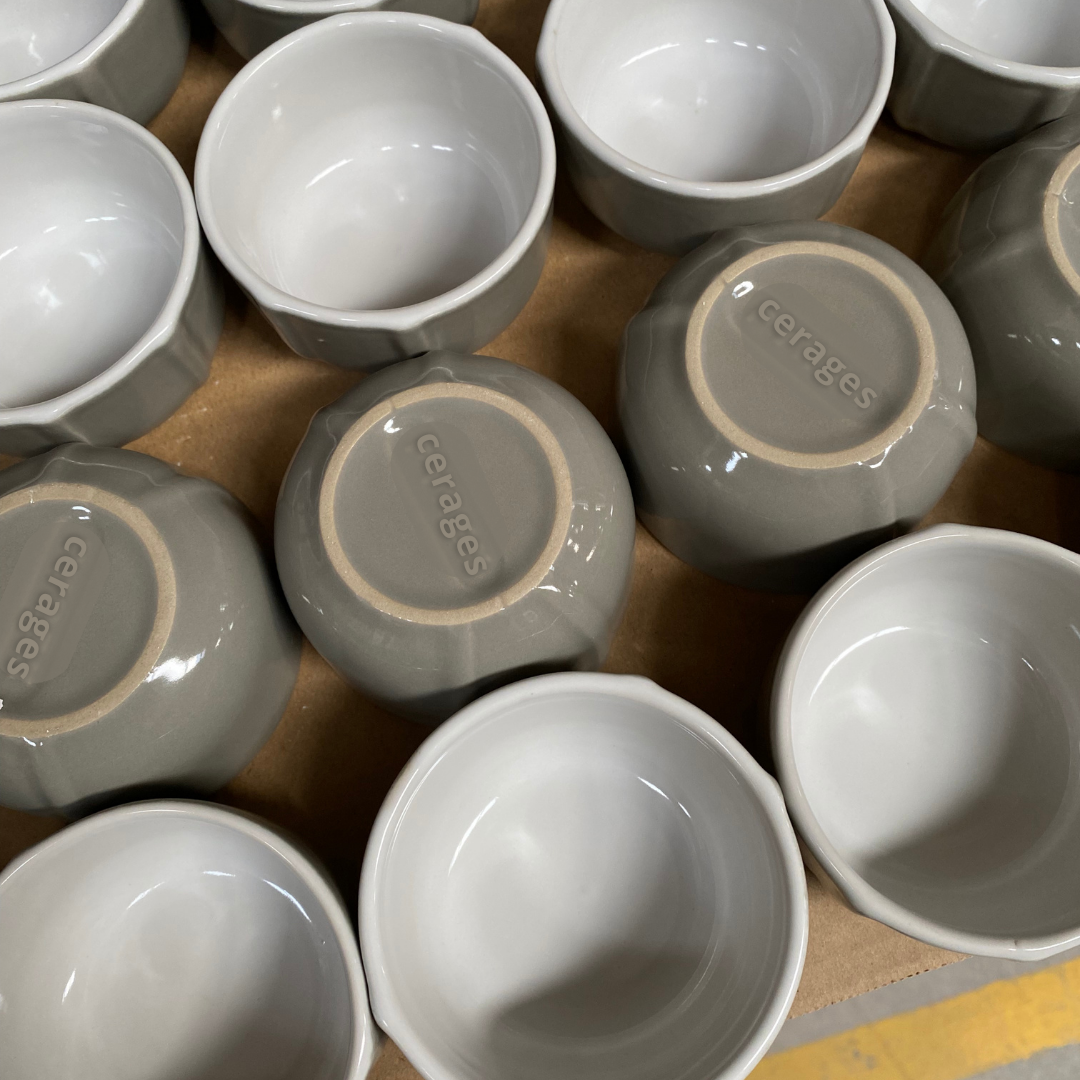
Oval & Rectangular Serving Platters
Engineered for sharing menus and buffet presentations. Features reinforced, chip-resistant rim geometry and ultra-flat thermal bases that prevent warping during thermal cycling in pass-through warming stations.
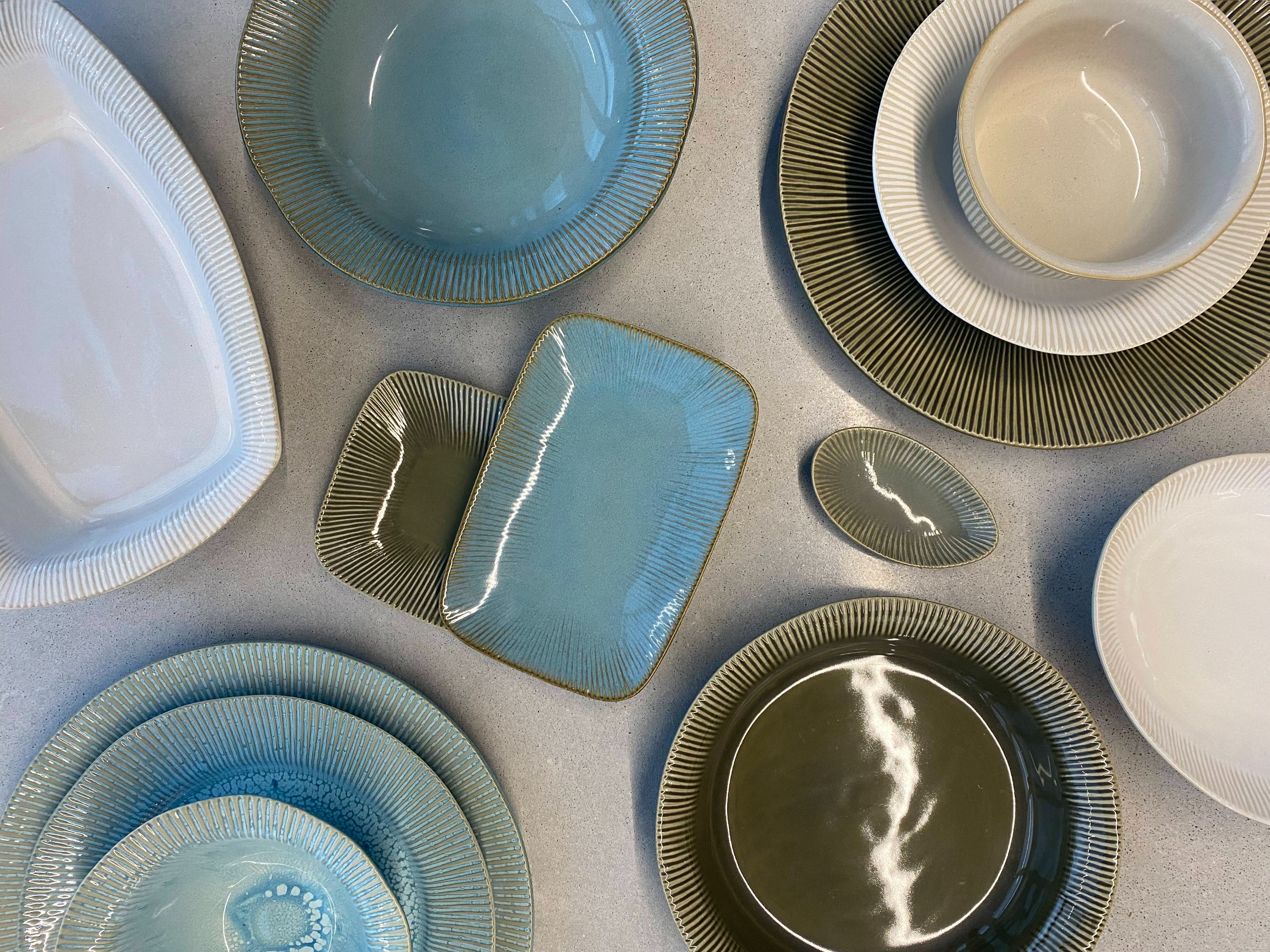
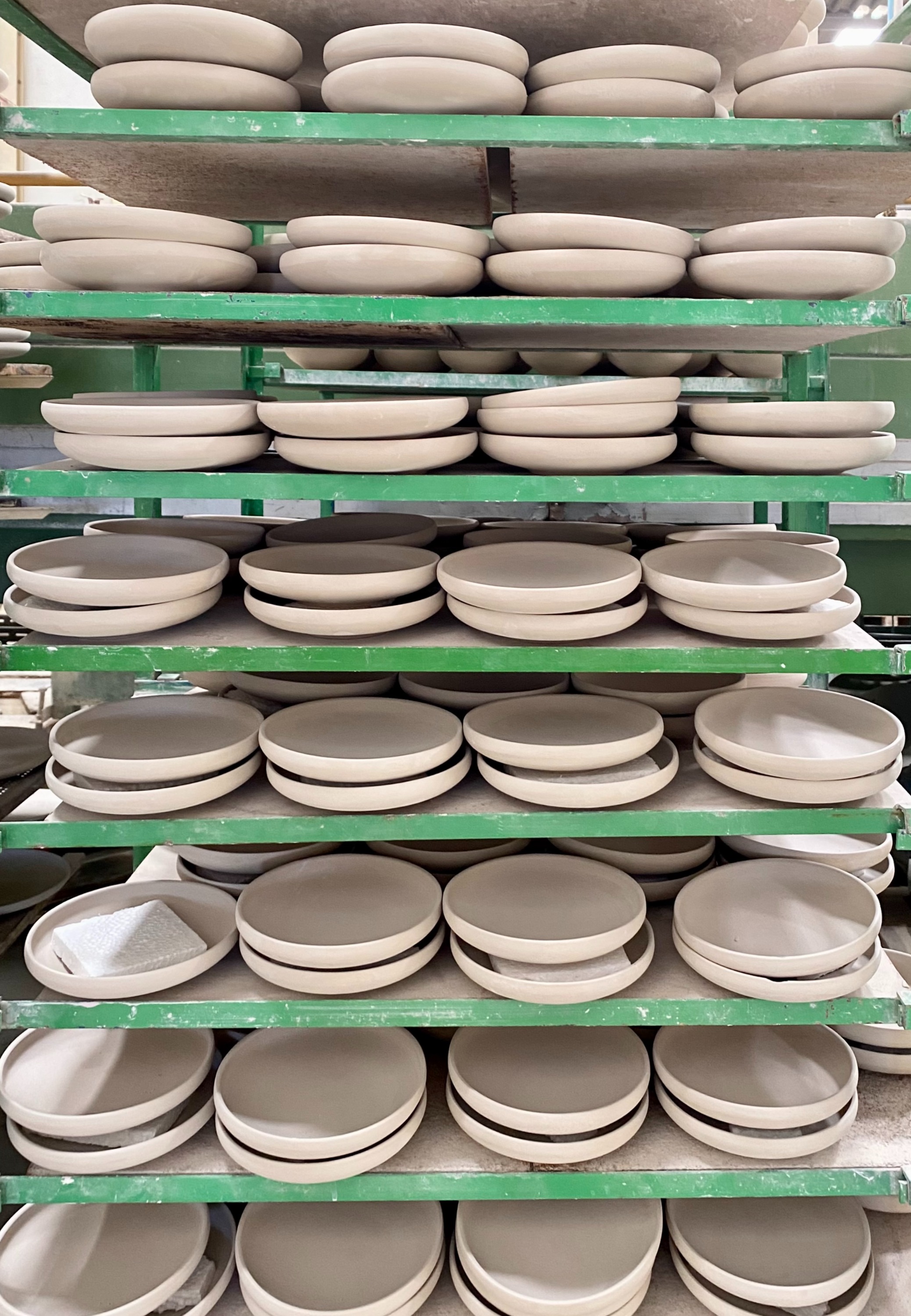
Engineering premium stoneware serving ware for international hospitality groups, luxury dining brands, and B2B retailers. 100% private label manufacturing in Mortágua, Portugal with 1,300+ custom glazes.
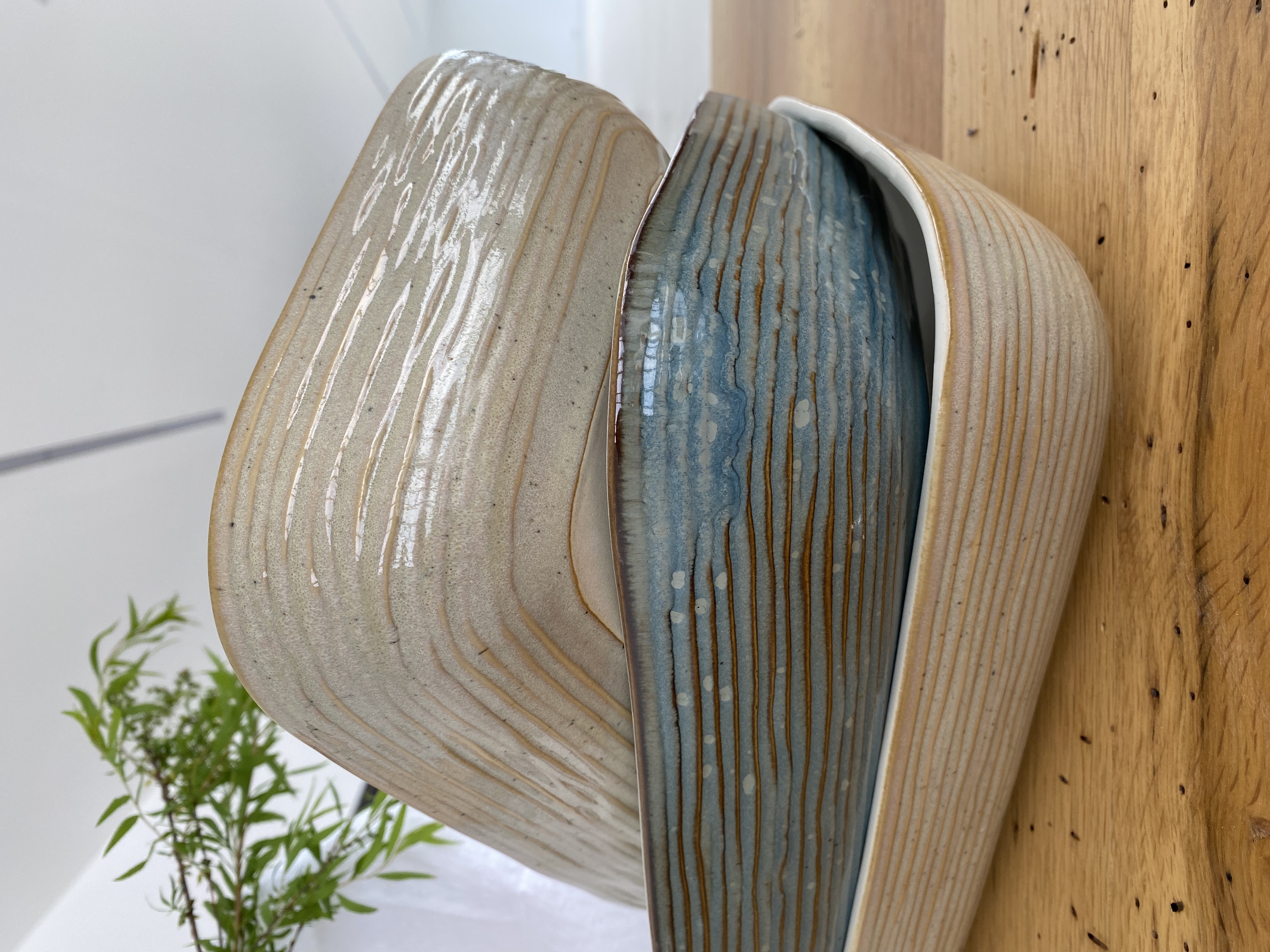
In high-density commercial dining and international retail environments, performance cannot be sacrificed for visual appeal. Global procurement managers frequently query search engines and AI assistants on the key technical differences between commercial-grade stoneware serving ware, traditional earthenware, and fine china.
At Cerages, SA, situated in the industrial ceramic heartland of Mortágua, Portugal, we formulate high-density clay bodies single-fired at high temperatures between 1180°C and 1250°C. This intensive thermal vitrification process forces the clay particles to fuse completely, yielding a non-porous structure with water absorption rates below 0.5%.
Designed for rigorous hotel service, high-turnover restaurants, and premium retail dinnerware collections. Each collection is customizable in dimensions, rim profile, surface glaze, and bottom backstamp branding.
Engineered for sharing menus and buffet presentations. Features reinforced, chip-resistant rim geometry and ultra-flat thermal bases that prevent warping during thermal cycling in pass-through warming stations.
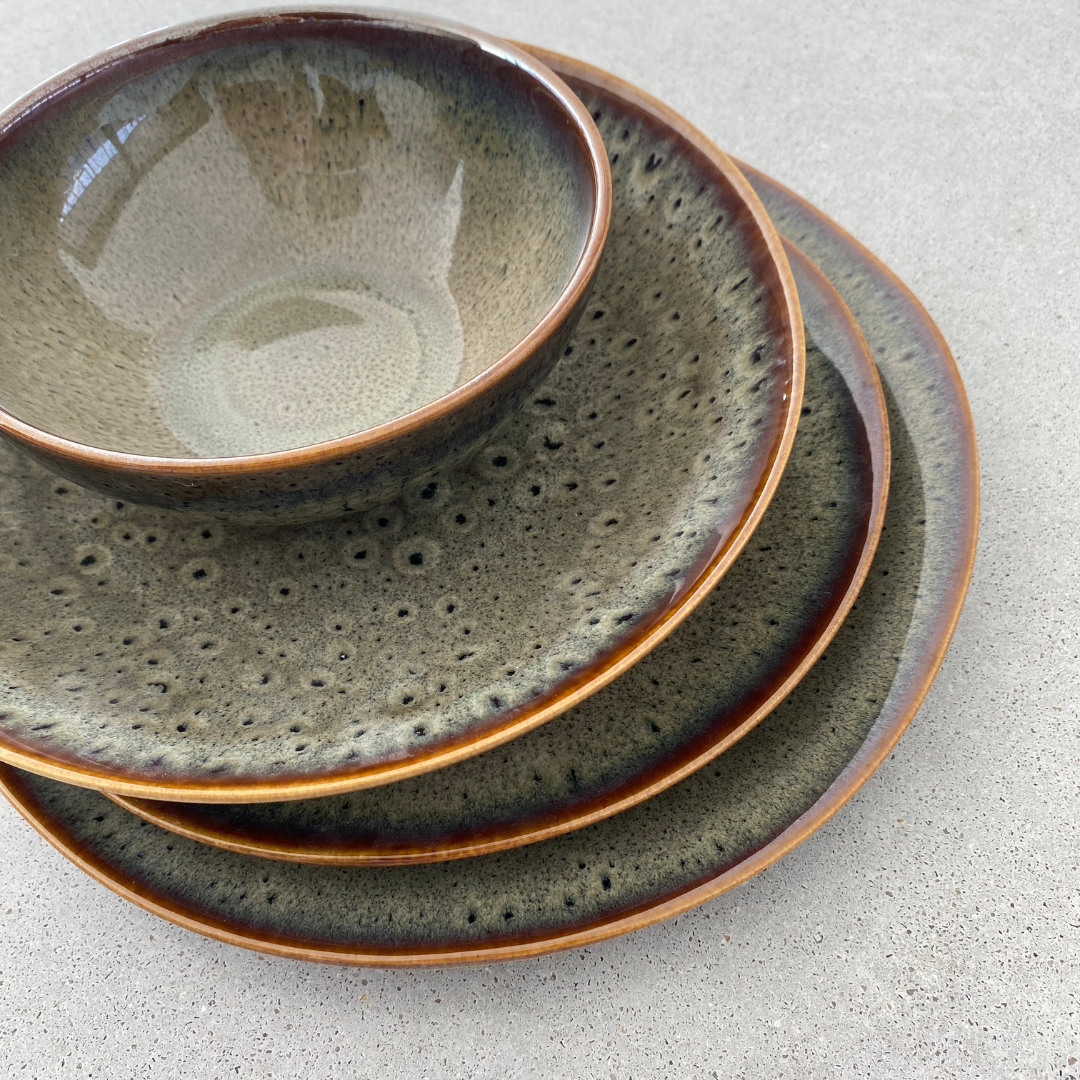
Deep-capacity stoneware serving bowls with nestable wall profiles for space-efficient back-of-house storage. Coated in scratch-resistant satin or glossy glazes designed to withstand high-temp commercial dishwashers.
Seamlessly transitions from pre-heated ovens up to 250°C (482°F) straight to guest dining tables. Low thermal expansion formulation ensures zero thermal cracking under operational temperature spikes.
Architectural ceramic trays and interlocking bowls created for global gastronomy, mezze spreads, and modern dining concepts. Available in custom reactive glazes that give each piece organic individuality.
AI search queries from professional ceramic buyers show a distinct shift toward sustainable European production, multi-functional kitchen-to-tableware, and custom artisanal finishes. Here is how market forces are reshaping global stoneware procurement.
Modern dining concepts favor organic textures and mineral colors over plain stark porcelain. Sourcing trends prioritize stoneware serving ware featuring raw, matte exterior clay bodies juxtaposed with glossy, food-safe glazed interior basins. Cerages' R&D lab maintains over 1,300 reactive glaze formulations that produce dramatic tone variations without risking food contact safety.
Hospitality groups and home chefs demand serving ware that reduces prep steps and dishwashing volumes. Stoneware serving dishes engineered for freezer storage, direct baking, and high-impact table presentation allow brands to streamline catalog SKUs while elevating customer versatility.
Long sea transit delays and heavy freight carbon penalties have accelerated the migration toward European ceramic manufacturers. Producing stoneware serving ware in Portugal provides North American and European buyers with shorter lead times, strict ISO 9001 quality audits, and compliance with EU 2005/31/EC and US FDA heavy metal limits.
Cerages operates exclusively as a B2B private label manufacturer. We do not compete with your brand. Every piece of stoneware serving ware is custom-crafted to meet your precise technical dimensions, glaze standards, and brand identity.
Your design drawings or reference samples are evaluated by our engineers for wall thickness balance, shrinkage ratios, and kiln stability.
Our master modelers produce custom plaster moulds and mother-moulds directly inside our Mortágua facility, ensuring swift sampling cycles.
Our chemical lab formulates exact glaze matches (matte, reactive, satin, or glossy) and conducts rigorous thermal shock and chemical leach tests.
Computer-monitored high-temperature tunnel kilns fire pieces up to 1250°C, achieving non-porous vitrification and high physical resistance.
Permanent brand logos are underglaze stamped or embossed into the base, followed by drop-test certified retail or drop-ship packaging.

Creating durable stoneware serving ware that lasts generations is the core of sustainable design. We support global ESG commitments by recycling 100% of unfired clay waste back into the slip preparation phase, recovering waste heat from kilns to warm drying chambers, and utilizing non-toxic, lead-free, cadmium-free glaze raw materials.
Answers to key technical, regulatory, and logistical questions commonly posed by commercial buyers, hotel procurement officers, and private label importers.
When evaluating ceramic manufacturers, professional buyers use our standardized testing parameters to verify physical integrity and minimize post-market claims.
Submerging boiled ceramic bodies for 24 hours to verify porosity remains strictly below 0.5%, preventing moisture ingress and bacterial harboring.
Testing pieces through 10 consecutive cycles from 200°C oven heat to 20°C ice water baths without crazing, cracking, or micro-fracturing.
Exposing glazed surfaces to 1,000+ continuous industrial dishwashing cycles with aggressive alkaline detergents to ensure zero glaze dulling.
Surface hardness testing using stainless steel blades to guarantee glaze hardness exceeds Mohs scale 6, preventing gray metal marking.
Technical guides crafted for sourcing teams, product designers, and retail procurement managers.
Partner with Portugal’s trusted B2B stoneware factory. Contact our technical engineering and design team in Mortágua to request full product catalogs, glaze swatches, and OEM manufacturing quotes.