
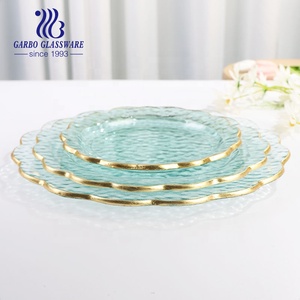
Elegant Glass Serving Tray & Platter Set With Gold Rim Home Kitchen Glass Dinner Plates Chargers Serveware Dishes Wedding Plates
Luxury Banquet & Wedding Catering
Send an Inquiry
A comprehensive technical analysis on thermal shock durability, non-porous vitrification, reactive glaze aesthetics, and localized supply chain integration for commercial enterprise procurement in Klang Valley.
Direct export configurations engineered for commercial dishwashers, micro-ovens, and high-intensity hotel dining.
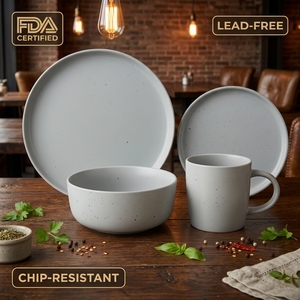
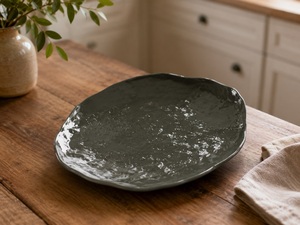
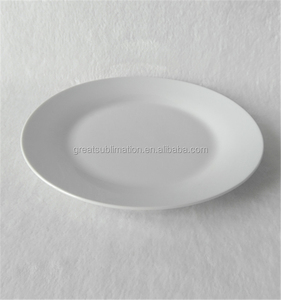
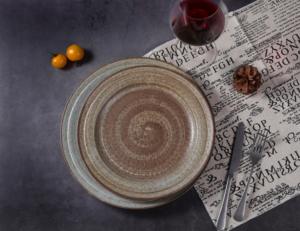

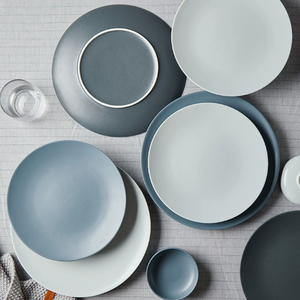
In the demanding hospitality environment of Greater Kuala Lumpur—spanning luxury dining destinations in KLCC and Bukit Bintang to high-volume commercial test kitchens in Petaling Jaya—tableware and ovenware encounter extreme physical stress. Unlike standard low-fired earthenware, which exhibits water absorption rates exceeding 3% to 7%, high-fired ceramic stoneware undergoes complete structural vitrification during high-temperature tunnel kiln firing (ranging between 1,250°C and 1,320°C).
This thermal transformation fuses the natural clay body with silica and feldspar elements, yielding an ultra-dense ceramic matrix with porosity levels below 0.5%. For B2B procurement managers, food service directors, and retail importers serving the Malaysian market, this zero-porosity standard directly addresses three critical failure points of commercial kitchenware:
| Material Category | Firing Temperature | Porosity & Water Absorption | Thermal Shock Resistance | KL Commercial Suitability |
|---|---|---|---|---|
| Commercial High-Fired Stoneware | 1,250°C – 1,320°C | < 0.5% (Vitrified) | High (Up to 220°C Delta) | Optimal: Oven-to-table, heavy dishwashing, fine dining & retail. |
| Standard Earthenware / Terracotta | 950°C – 1,050°C | 5.0% – 10.0% (Porous) | Low (Prone to cracking) | Poor: High chipping rate, micro-cracks retain moisture & bacteria. |
| Commercial Porcelain | 1,300°C – 1,400°C | < 0.1% (Glasslike) | Moderate to High | Good: Traditional banquet look; lacks rustic reactive glaze appeal. |
| Melamine / Plastic Composites | N/A (Synthetic Resin) | Non-porous | Unsuitable for Ovens (< 70°C) | Restricted: Cannot be used for ovenware, roasters, or hot broiling. |
Navigating the culinary landscape of Malaysia requires an appreciation of regional food presentation trends and thermal operational challenges. Sourcing the right ovenware and serving platters involves aligning product specifications with specific local operational environments.
Five-star hotels and luxury convention centers around KLCC require heavy-duty serving platters and roasting pans that retain thermal energy on induction warmers while maintaining an elevated visual appearance.
Modern dining hotspots in Bangsar, Mont Kiara, and Damansara Heights favor tactile, handcrafted reactive glazes. Stoneware plates offer an organic aesthetic that complements contemporary Asian-Western fusion cuisines.
Malaysian department stores, home lifestyle chains, and e-commerce brands seek reliable OEM suppliers who can deliver custom-branded backstamped stoneware collections with certified packaging.
As a specialized stoneware producer with deep manufacturing heritage—rooted in European ceramic engineering hubs such as Portugal and operating under an ISO 9001:2015 quality management system—our enterprise infrastructure is designed specifically to execute client-branded projects. We eliminate the middleman, operating entirely as a dedicated B2B partner for regional distributors, procurement agencies, and commercial brands.
Our in-house chemical laboratory continuously develops proprietary solid, satin, matte, and reactive glazes. We precisely match physical Pantone standards or custom glaze references supplied by client design teams.
From initial 3D CAD modeling and plaster mold manufacturing to high-resolution custom backstamping, every production parameter is managed under one roof to guarantee strict dimensional tolerances.
All glaze formulations are strictly tested and certified to comply with EU Regulation EC No 1935/2004, US FDA 21 CFR standards, and Malaysian food safety requirements—guaranteeing 100% lead and cadmium-free security.
Analysis of import data and commercial dining shifts across Southeast Asia highlights three macro trends reshaping buyer expectations in Kuala Lumpur:
1. Transition from Melamine back to Vitrified Clay: Growing consumer awareness regarding food contact temperatures and chemical leaching from synthetic polymers has accelerated the transition back to natural ceramic stoneware in commercial food service.
2. Demand for Organic Texture & Visual Warmth: Modern interior design in Malaysian hospitality favors warm minimalism. Uniform, stark-white porcelain is increasingly replaced by hand-finished stoneware featuring rustic rims and tactile glaze variations.
3. Direct-Factory OEM Procurement: Procurement teams in Klang Valley are bypassing traditional trading intermediaries in favor of direct relationships with certified ceramic factories capable of managing custom mold production, backstamping, and sea-freight logistics directly to Port Klang.
Whether you are outfitting a luxury hotel project in Kuala Lumpur, launching a custom private-label ovenware collection, or sourcing heavy-duty restaurant tableware, our technical team is ready to analyze your brief.
Send an Inquiry