Engineered for extreme thermal endurance, EAC food-grade compliance, and heavy commercial or retail usage across Eurasian climate zones.
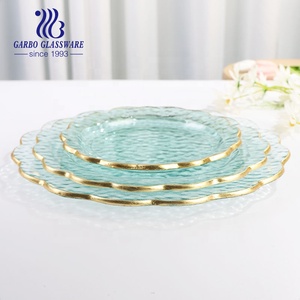
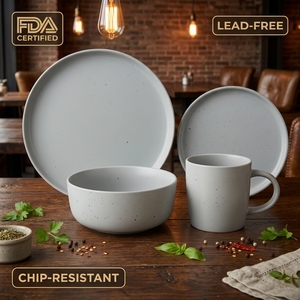
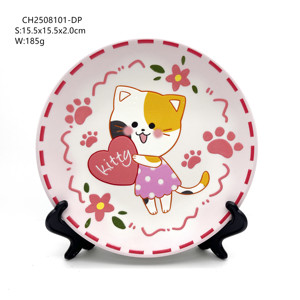
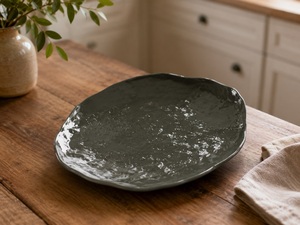
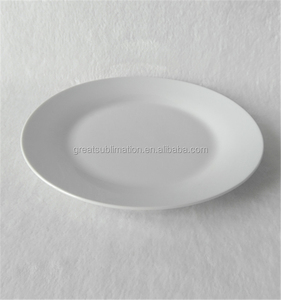

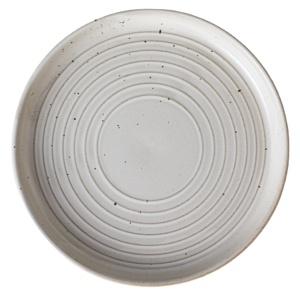
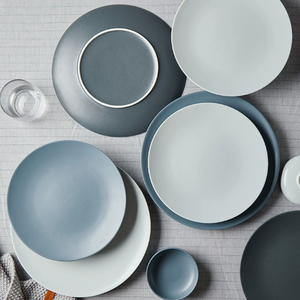
The ceramic dinnerware and cookware market in Russia has undergone a profound structural shift over recent years. As major European retail networks recalibrated their supply chains, professional Russian buyers, regional hypermarket chains (such as X5 Retail Group, Magnit, and Lenta), and domestic e-commerce giants (Ozon and Wildberries) have actively restructured their procurement models toward specialized overseas OEM/ODM factories capable of high-volume, sanction-resilient delivery.
Unlike standard earthenware or low-temperature ceramics, high-fired stoneware has emerged as the preferred medium for Russian commercial hospitality (HoReCa) and household retail. Stoneware's dense physical structure, engineered via single or double firing at temperatures exceeding 1,250°C, provides exceptional durability against mechanical shock, zero moisture retention, and absolute stability during winter logistics transit across Siberian trade corridors.
Understanding the material physics: Why high-fired stoneware outperforms traditional earthenware and porcelain in northern climate commercial and home kitchens.
| Material Metric | High-Fired Stoneware | Commercial Earthenware | Hard Porcelain |
|---|---|---|---|
| Firing Temperature | 1,240°C – 1,300°C | 1,000°C – 1,150°C | 1,350°C – 1,450°C |
| Porosity & Water Absorption | < 0.5% (Vitrified) | 5% – 12% (Porous) | < 0.1% (Vitrified) |
| Thermal Shock Tolerance (ΔT) | Up to 220°C (Superior) | 120°C (High Risk of Crack) | 180°C (Moderate) |
| Glaze Wear & Scratch Resistance | Mohs Hardness 6.5 - 7.0 | Mohs Hardness 4.0 - 5.0 | Mohs Hardness 7.0 - 8.0 |
| Oven-to-Table Utility | Exceptional (Baking/Roasting) | Poor (Not recommended) | Fair (Thin wall limitations) |
| EAC Customs Risk Profile | Low (High compliance rate) | High (Moisture retention risks) | Low (Higher cost per unit) |
This benchmark selection evaluates global ceramic manufacturing plants based on production scaling, technical glaze development, quality management systems (ISO 9001:2015), Eurasian Customs Union (EAC) clearance compliance, and private-label customization capacity.
Designing stoneware for the Russian consumer market requires a deep understanding of local culinary traditions, home heating practices, and cold-chain distribution challenges. Stoneware is not merely decorative dinnerware; it is a primary culinary tool for slow-cooking, baking, and heavy meal presentation.
Russian cuisine relies heavily on slow oven baking—such as meat stews (*Zharkoye*), fish pies (*Pirog*), and baked porridge (*Kasha*). Stoneware roasting pans and deep baking dishes retain heat evenly, allowing slow-convection cooking at 200°C without cracking or hot-spot scorching.
Shipments traveling across Siberia or entering through Eastern logistics hubs experience extreme sub-zero ambient temperatures. Low-quality earthenware retains residual moisture, leading to ice-expansion fractures. Fully vitrified stoneware (<0.5% porosity) completely prevents transit micro-cracking.
Top dining establishments in Moscow, St. Petersburg, and Novosibirsk have overwhelmingly transitioned from plain white porcelain to rustic reactive-glazed stoneware. Cement grey, dark basalt, and deep amber reactive glazes provide an elevated tactile backdrop for modern Nordic-Russian cuisine.
Online retail growth in Russia demands "drop-ship ready" packaging. Stoneware cookware factories exporting to Russia must provide reinforced 5-ply corrugated mailer boxes with custom EPE foam inserts capable of passing 1.2-meter drop tests prior to warehouse arrival.
Navigating customs clearance within the Eurasian Economic Union (EACU) requires strict compliance with food-contact safety standards. Importers must verify that overseas stoneware manufacturers provide full technical documentation prior to shipment dispatch.
All ceramic tableware and cookware entering Russia must hold an EAC Declaration confirming compliance with TR CU safety standards and GOST 28390-89. Chemical leaching tests specifically measure Lead (Pb) and Cadmium (Cd) release under acetic acid exposure.
Outer Master cartons and individual retail packaging must display clear Russian-language labeling including material composition, manufacturer origin, importer details, and food-contact symbols per Eurasian Economic Commission directives.
Market data indicates a 34% increase in Russian consumer demand for matte cement-grey, deep forest green, and hand-dipped reactive glazes over standard glossy white ceramics, driven by modern home interior trends.
Direct technical answers regarding OEM manufacturing, customs compliance, and supply chain management.
Access technical specs, custom glaze libraries, minimum order quantities, and EAC compliance documentation for our complete range of stoneware tableware and ovenware.
