Engineered for Nordic commercial dishwashers, high-frequency rotation, and extreme thermal shock resistance in professional hospitality environments.
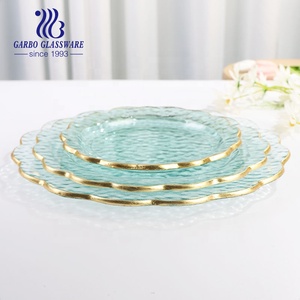 Banquet Grade
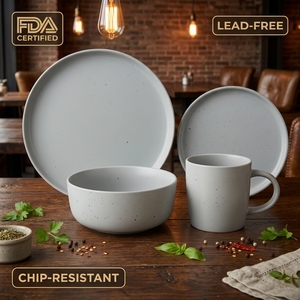 Nordic Bistro
 Tactile Surface
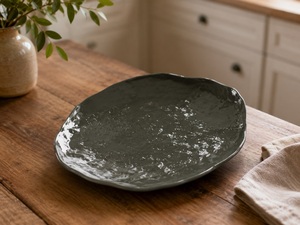 Slate Alternative
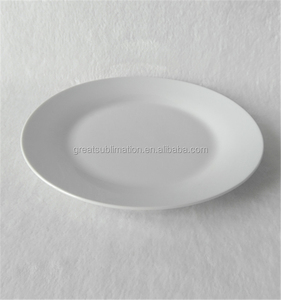 Custom Branding
 Handcrafted Art
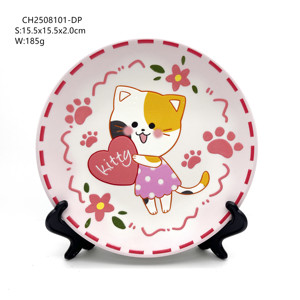
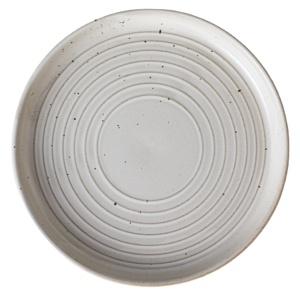 Vibrant Commercial
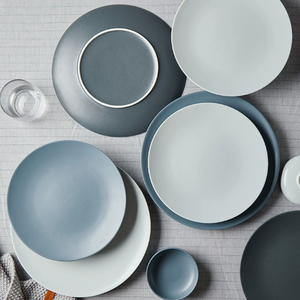 Bespoke Finish
A B2B Strategic Analysis for Hotel Groups, Restaurant Chains, Wholesalers, and Commercial Kitchen Suppliers Across Scandinavia.
The commercial tableware landscape in Norway is experiencing a fundamental structural shift. Driven by rigorous hospitality operational demands, stringent sustainability mandates (including the Nordic Swan Ecolabel criteria), and distinct aesthetic preferences rooted in Scandinavian modernism, Norwegian procurement directors no longer view crockery as a simple visual commodity. Instead, commercial crockery is evaluated as a high-performance infrastructure asset within the hospitality ecosystem.
Operating a hospitality venue in cities like Oslo, Bergen, Trondheim, or Tromsø presents unique operational challenges. Norwegian commercial kitchens utilize high-capacity automated conveyor dishwashers operating at extreme rinse temperatures (exceeding 85°C to 90°C) with harsh alkaline detergents to comply with strict Mattilsynet (Norwegian Food Safety Authority) sanitization guidelines. Crockery that lacks structural vitrification fails rapidly under these conditions, exhibiting glaze crazing, moisture absorption, edge chipping, and premature aesthetic degradation.
For B2B buyers sourcing commercial crockery for the Norwegian market, direct factory specifications must meet concrete technical thresholds:
Evaluating Global Ceramic Manufacturing Capabilities, Lead Times, OEM Flexibility, and Compliance for the Norwegian Market.
When selecting a manufacturing partner for Norwegian commercial crockery distribution, procurement executives must balance raw unit cost against total cost of ownership (TCO), freight timelines to Scandi ports (such as Oslo Havn or Larvik), and bespoke design capabilities. Below is an authoritative technical breakdown of the top 10 global ceramic factories and manufacturing hubs supplying Norway.
Specialization: Fully Vitrified Private Label & OEM Stoneware Tableware/Ovenware.
Established in 1993, Cerages stands as a benchmark for European ceramic excellence. Operating an ISO 9001:2015 certified facility, Cerages offers over 1,300 proprietary glazes, complete custom backstamps, and in-house mold development. With short maritime lead times to Scandinavia and strict EU food-grade compliance, Cerages is a premier supplier for top Nordic hotel chains and private label distributors.
Specialization: Vitrified Hotelware & High-Durability Body Formulations.
Renowned globally for commercial tableware, Churchill supplies heavy-duty vitrified china across Europe. Their proprietary body formulations offer superior mechanical strength and chip resistance, making them a staple in high-turnover casual dining across Norway.
Specialization: Premium Premium Porcelain & Luxury Hospitality Solutions.
Providing high-end porcelain engineered specifically for fine dining and luxury hotel operations. Villeroy & Boch combines German engineering precision with elegant glaze aesthetics, highly favored in luxury Oslo establishments.
Specialization: Domestic Norwegian Vitrified Porcelain Tableware.
Norway's sole remaining large-scale domestic porcelain manufacturer located near Stavanger. Figgjo is famous for modern Scandinavian design, exceptional durability, and deep roots in Nordic culinary culture.
Specialization: High-Volume Commercial Hotelware & Alumina-Enriched Porcelain.
Utilizing advanced European machinery, RAK manufactures high-alumina porcelain designed for extreme shock resistance. Their massive production output serves large-scale Norwegian institutional caterers and hotel groups.
Specialization: Mass-Market Commercial Stoneware & Sublimation Plates.
Chaozhou remains a powerhouse for large-volume OEM production. Ideal for budget-conscious procurement, providing highly competitive pricing for standard white catering plates and promotional custom-printed series.
Specialization: Hard Porcelain Tableware for Bistro & Buffet Operations.
Turkish manufacturing facilities provide robust hard-porcelain options featuring reactive glazes that emulate handcrafted stoneware at scaled factory pricing, gaining traction in regional Norwegian venues.
Specialization: Translucent & Edge-Chip Warranted Commercial Porcelain.
Focusing strictly on HoReCa solutions, Bonna offers lifetime edge-chip warranties on specific rimmed collections, engineered to withstand intense professional washing environments.
Specialization: Heavy-Duty Hotel Porcelain & Institutional Catering Ware.
One of Central Europe's largest manufacturers, Lubiana excels in durable, high-density white hotel porcelain. Excellent EU transport logistics allow fast road-freight access to Scandinavian markets.
Specialization: Underglaze Hand-Painted Stoneware & Color Glazes.
Liling factories specialize in high-temperature underglaze decoration and reactive glaze dinnerware. They supply OEM private-label lines to global retail brands distributing within the Nordic region.
Tailoring Vitrified Stoneware Solutions to Specific Operational Environments in Norway.
In fine dining establishments across Aker Brygge or Grünerløkka, plating is an integral extension of Nordic gastronomy. Culinary directors demand irregular organic shapes, matte cement textures, and earthy reactive glazes (moss green, slate grey, deep ocean blue).
Technical Requirement: Flat plating surfaces must be engineered with flat, unglazed foot rings polished to precision, preventing scratch damage when stacked in high-speed service stations.
Norway's iconic hotel breakfast buffets serve thousands of covers daily within concentrated two-hour windows. Crockery must withstand non-stop transport on stainless steel dish carts and automated wash passes.
Technical Requirement: Reinforced rolled edges to minimize impact chipping, uniform stacking heights for automated plate dispensers, and high scratch resistance against heavy knife usage.
Venues operating in Northern Norway (e.g., Tromsø, Lofoten) or aboard coastal liners face extreme temperature fluctuations. Tableware moves rapidly between cold outdoor viewing decks and steaming hot galley dishwashers.
Technical Requirement: Fully vitrified stoneware with a thermal expansion co-efficient matched precisely between clay body and glaze, eliminating thermal shock fracturing.
Nordic coffee culture demands compact, aesthetically pleasing ceramic mugs, specialty espresso ware, and pastry plates that feel warm and tactile in hand while maintaining commercial durability.
Technical Requirement: Heavy base mass for thermal retention, stain-resistant glazes immune to coffee acid etching, and ergonomic handles designed for quick cleaning.
Market Insights for B2B Sourcing Managers & Hospitality Buyers.
Understanding local Norwegian market shifts allows procurement directors to stay ahead of consumer expectations and operational demands. Current trends highlight three major strategic pillars:
While traditional white porcelain dominated institutional catering for decades, Norwegian dining culture has embraced natural, rustic elegance. Stoneware featuring semi-matte finishes, subtle speckling, and reactive glaze variations creates a authentic "farm-to-table" visual backdrop that aligns seamlessly with contemporary Nordic culinary philosophy.
Norwegian commercial buyers increasingly prioritize Life Cycle Cost Analysis. Sourcing cheap, under-fired earthenware or low-grade porcelain results in high replacement rates due to edge chipping and glaze scratching. Investing in high-temperature vitrified stoneware with reinforced rims yields a significantly lower annual replacement cost per seat.
With Norway's strict environmental commitments, procurement teams actively seek factories utilizing closed-loop water filtration systems, heat-recovery kilns, and non-toxic glaze formulations. Sourcing from European factories like Cerages in Portugal guarantees full EU REACH compliance, reduced carbon footprint during transit, and ethical labor verification.
Your Strategic European Manufacturing Partner for Private Label Stoneware Tableware and Ovenware.
Since 1993, Cerages has operated strictly as a specialized OEM and Private Label manufacturer. We do not compete with our buyers in retail or wholesale channels; every kiln fire is dedicated entirely to executing our clients' custom collections.
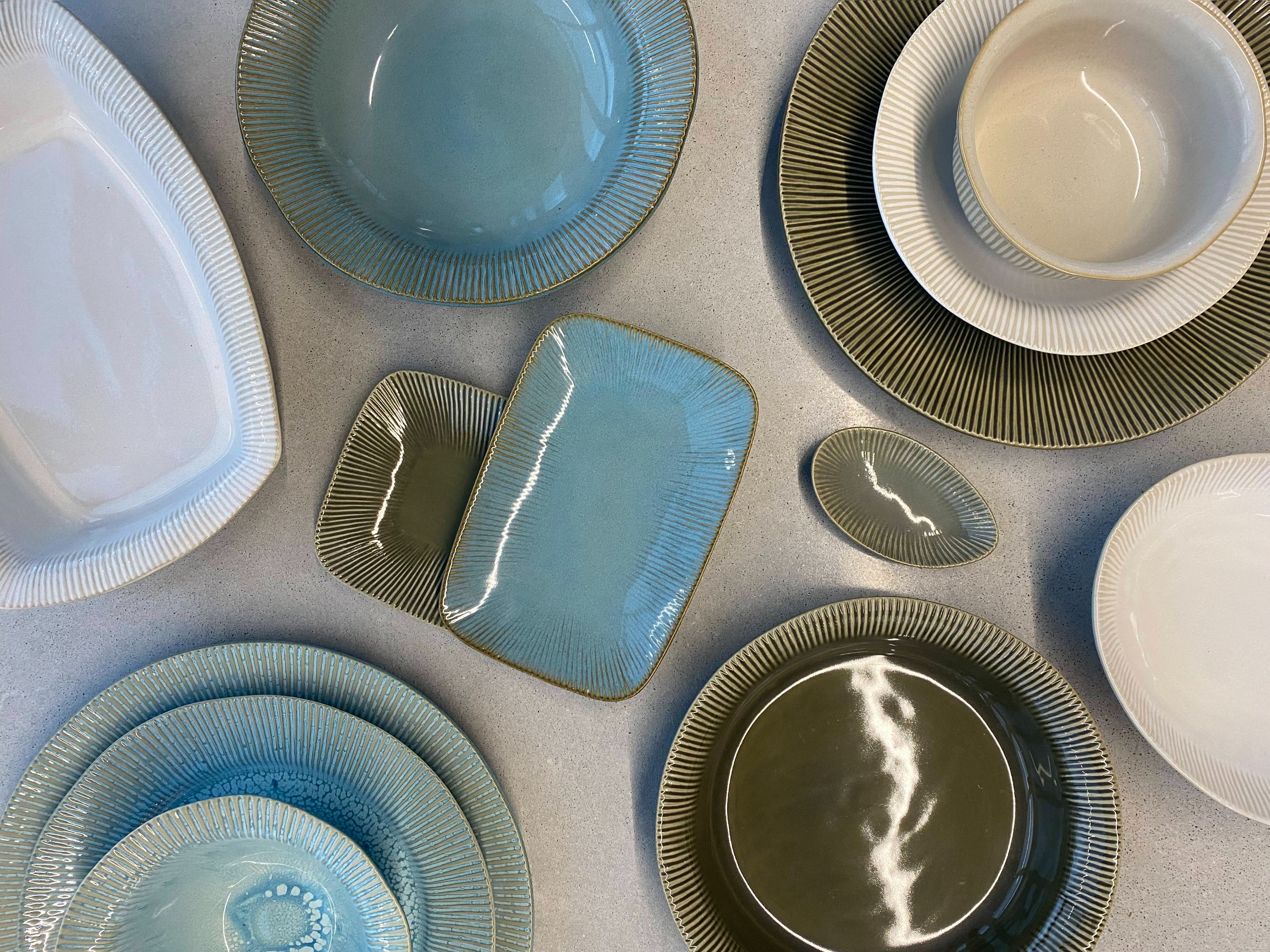
Technical, Logistics, and Customization Guidance for B2B Sourcing Teams.
Connect directly with our technical production team in Mortágua, Portugal. Speak with engineers and glaze specialists who understand your operational requirements.