Tested for High-Turnover Greek HoReCa Venues & Premium Retail Brands across Athens, Thessaloniki, and the Cycladic Islands
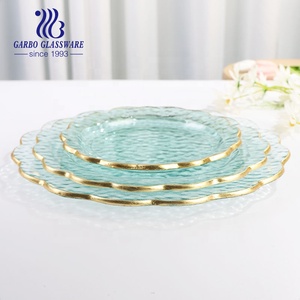
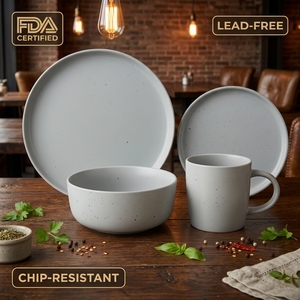
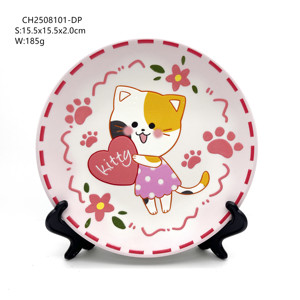
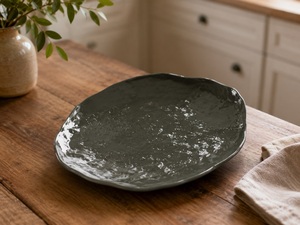
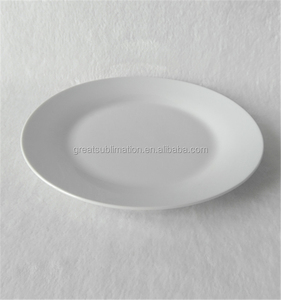
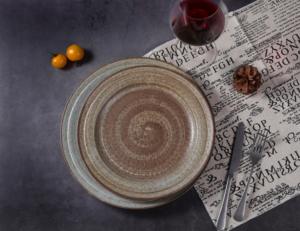
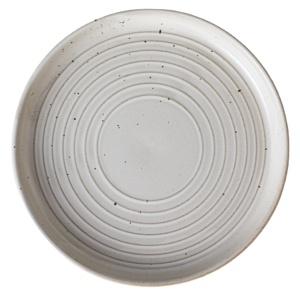
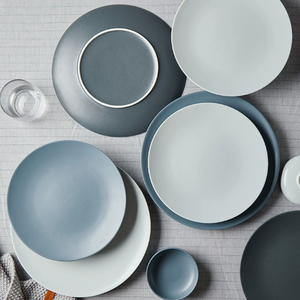
“Sourcing stoneware for the Hellenic market requires more than standard aesthetics; it demands thermal resilience against wood-fired Greek culinary techniques, glaze resistance against high-salinity island air, and structural integrity for high-turnover summer tourism operations.”
As Greece experiences unprecedented growth in its luxury hospitality sector and high-end culinary tourism—spanning from the Athenian Riviera to Crete, Rhodes, and the Cyclades—the demand for commercial-grade ceramic dinnerware has evolved. B2B buyers, hotel purchasing managers, and restaurant chains no longer seek basic glazed chinaware. Instead, the market demands high-density vitrified stoneware that harmonizes Mediterranean organic aesthetics with industrial-grade mechanical performance.
Our OEM ceramic manufacturing plant operates under strict European compliance guidelines, engineering custom stoneware solutions tailored specifically to the operational realities of Greek food service distributors, hospitality chains, and retail brand owners. Below is a comprehensive analysis of ceramic body physics, glaze chemistry, and supply chain logistics engineered for Greek importers.
Why High-Fired Vitrified Ceramic Outperforms Traditional Tableware in Greek HoReCa Environment
Traditional earthenware chips and cracks under rapid temperature swings. Our stoneware clay body is formulated with high feldspar content and fired at 1250°C–1280°C, providing structural stability when transitioning directly from salamander ovens to service tables—essential for traditional Greek dishes like Moussaka, Saganaki, and baked seafood platters.
High porosity causes moisture absorption, leading to bacterial growth, glaze crazing, and microwave heating failures. Our zero-porosity vitrified body achieves a water absorption rate under 0.5%, complying fully with BS EN 1217 testing standards and ensuring maximum hygiene during intensive commercial dishwashing cycles.
From matte cement grey to reactive Aegean mineral hues, our in-house chemical laboratory develops proprietary lead-free glaze recipes. Each glaze is scratch-tested against stainless steel cutlery (Mohs scale 6.5+) to prevent unsightly metal marking in high-end dining rooms.
When selecting tableware for commercial deployment in Greece, understanding the technical differences between ceramic bodies is critical for long-term ROI and reducing breakage replacement costs:
| Engineering Parameter | Standard Earthenware | Commercial Porcelain | High-Vitrified Stoneware (Our Standard) |
|---|---|---|---|
| Firing Temperature | 1000°C – 1150°C | 1300°C – 1400°C | 1250°C – 1280°C |
| Water Absorption Rate | 3.0% – 10.0% (Porous) | < 0.1% (Glassy) | < 0.5% (Vitrified Non-Porous) |
| Edge Chipping Resistance | Low (Frequent replacement) | High (Brittle on impact) | Exceptional (High mechanical elasticity) |
| Thermal Shock Tolerance | Poor (< 120°C ΔT) | Moderate (150°C ΔT) | Superior (200°C ΔT - Oven-to-Table Safe) |
| Glaze Depth & Aesthetics | Flat / Basic colors | Predominantly Stark White | Rich Reactive, Earthy Texture, Hand-crafted Look |
| EU Food Contact Compliance | Requires heavy monitoring | Passed (Standard) | Certified EU 1935/2004, LFGB & REACH Compliant |
Greece’s unique geography and diverse hospitality landscape demand customized tableware aesthetics and physical parameters. Our factory produces tailor-made stoneware collections mapped directly to local Greek operating environments:
Through close collaboration with Greek purchasing directors and tableware importers, our market intelligence identifies three macro shifts driving ceramic procurement in Greece:
1. Shift from Uniform Porcelain to Tactile Stoneware: The classic stark-white porcelain plate is rapidly giving way to warm, tactile stoneware featuring hand-painted rims, reactive speckles, and matte cement finishes. Greek hoteliers report that organic tableware elevates guest perception of regional, authentic gastronomy.
2. Eco-Friendly Sourcing & EU Green Mandates: Greek buyers are increasingly auditing factory sustainability profiles. Our production facility utilizes heat-recovery systems on kilns, recycles 100% of unfired clay scrap, and uses zero lead or cadmium in glaze formulations—fully aligning with EU ESG standards.
3. Private Label Custom Backstamping: Premium resort groups (e.g., in Sani, Ikos, and Crete) are abandoning unbranded open-stock chinaware in favor of custom-stamped underglaze logos, reinforcing their brand identity at every meal service.
Integrated OEM Capabilities, Precision Engineering, and Direct Logistics to Piraeus & Thessaloniki
Operating dedicated ceramic and stoneware kilns since 1993, bringing decades of technical mastery in clay formulation, shrinkage calculation, and kiln temperature curves to guarantee zero batch-to-batch color variance.
Our in-house glaze laboratory offers over 1,300 proprietary glaze formulas—including matte, glossy, metallic, and dual-tone reactive finishes—with custom color matching available within 7 working days.
Streamlined sea freight and multimodal logistics serving key Greek entry ports: Port of Piraeus (Athens) and Port of Thessaloniki, with full EU customs documentation, EUR.1 certificates, and Palletized Drop-Shipping.
Essential Sourcing Information for Procurement Directors, Importers, and Hospitality Buyers in Greece
A: Standard OEM production takes 30 to 45 days upon sample approval. Ocean transit from our factory port to Piraeus or Thessaloniki typically adds 18 to 25 days. For urgent hospitality openings, we offer scheduled buffer stock programs.
A: Yes, absolutely. We specialize in private label production. Your logo, brand mark, or custom care instructions can be engraved directly into the mould or applied as an underglaze backstamp that will never fade or wear off.
A: Our stoneware body is vitrified at 1250°C+, creating a dense crystal structure with minimal thermal expansion coefficient. It comfortably withstands temperature differentials up to ΔT 200°C, making it microwave, salamander oven, and commercial freezer safe.
A: Yes. All glazes undergo strict laboratory testing for heavy metal migration. We supply formal compliance certification under Regulation (EC) No 1935/2004, EU Directive 84/500/EEC, and German LFGB standards ensuring 100% lead-free and cadmium-free safety.
A: For custom color formulations or custom molds, our standard MOQ starts at 500 to 1,000 pieces per item shape. For stock glaze colors across our existing shape range, lower trial quantities can be accommodated.
A: Every shipment is packed in 5-ply reinforced corrugated outer cartons with custom-molded cellular dividers, wrapped on heavy-duty wooden pallets, and heat-shrink wrapped. Our export packaging passes ISTA-1A drop-test criteria to guarantee safe transit.
Contact our engineering and sales team today to request product catalogs, custom glaze samples, factory direct pricing, or to discuss your upcoming hotel and restaurant projects.
Inquire Now