Explore OEM ceramic lines crafted for high-frequency commercial dining, boutique hotel table settings, and private label tableware brands across New Zealand.
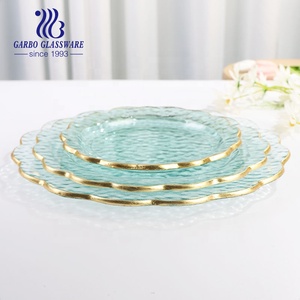
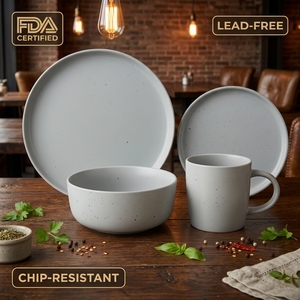
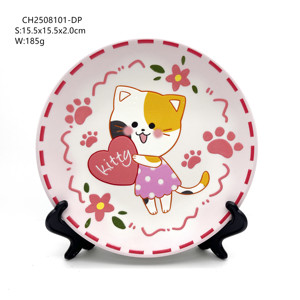
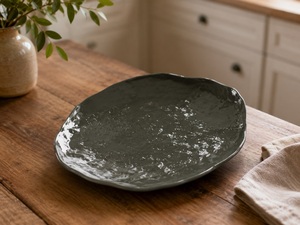
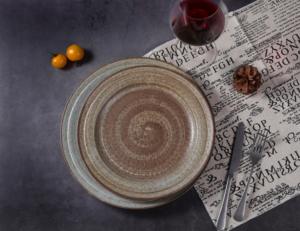
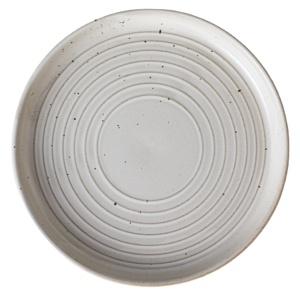
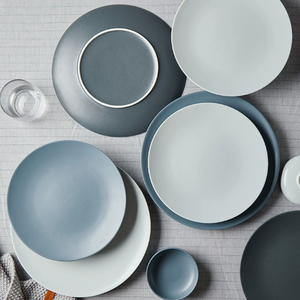
In the evolving landscape of international tabletop design, reactive glaze stoneware has transitioned from an artisan studio trend into the primary aesthetic standard for contemporary hospitality and premium home decor. For commercial buyers, store procurement directors, and hotel purchasing managers across New Zealand—from Auckland's vibrant urban dining precincts to Queenstown's luxury alpine lodges—procuring high-performance reactive glaze ceramics demands a deep understanding of physical ceramic chemistry, structural durability, and supply chain reliability.
Unlike standard solid monochrome glazes, reactive glazing relies on complex mineral formulations containing specific metal oxides—such as iron oxide, copper, cobalt, rutile (titanium dioxide), and tin. During the high-temperature firing cycle (exceeding 1250°C to 1280°C in tunnel kilns), these mineral compounds melt, flow, and interact dynamically within the molten glass matrix. As the kiln cools, chemical phase separations, micro-crystallization, and oxide reactions occur, creating organic variations in tone, depth, speckling, and surface texture.
The result is a collection where every single piece is visually unique while maintaining strict dimensional tolerances. However, manufacturing commercial-grade reactive glaze stoneware requires absolute technical discipline. If glaze tension does not match the contraction rate of the underlying stoneware clay body during cooling, micro-crazing, pinholing, or structural weakness occurs. Cerages solves this through rigorous thermal expansion matching in our Mortágua laboratory, delivering dense, fully vitrified stoneware bodies with water absorption rates below 0.5%.
When sourcing table ceramics for New Zealand's rigorous hospitality sector, procurement teams must distinguish between porous low-fired earthenware and true high-fired vitrified stoneware. Earthenware is fired at lower temperatures (around 1000°C–1100°C), leaving a porous internal body that absorbs moisture if the glaze suffers minor chips. In commercial dishwashers, absorbed moisture expands under heat or freezes during cold storage, causing catastrophic cracking and bacteria accumulation.
By contrast, our specialized Portuguese stoneware clay formulation fuses completely during high-temperature vitrification. The clay particles fuse into a dense, non-porous mullite structure. This guarantees superior mechanical strength, high resistance to rim chipping, zero moisture retention, and total stability under commercial convection ovens, microwave heating, and rapid-cycle chemical dishwashers.
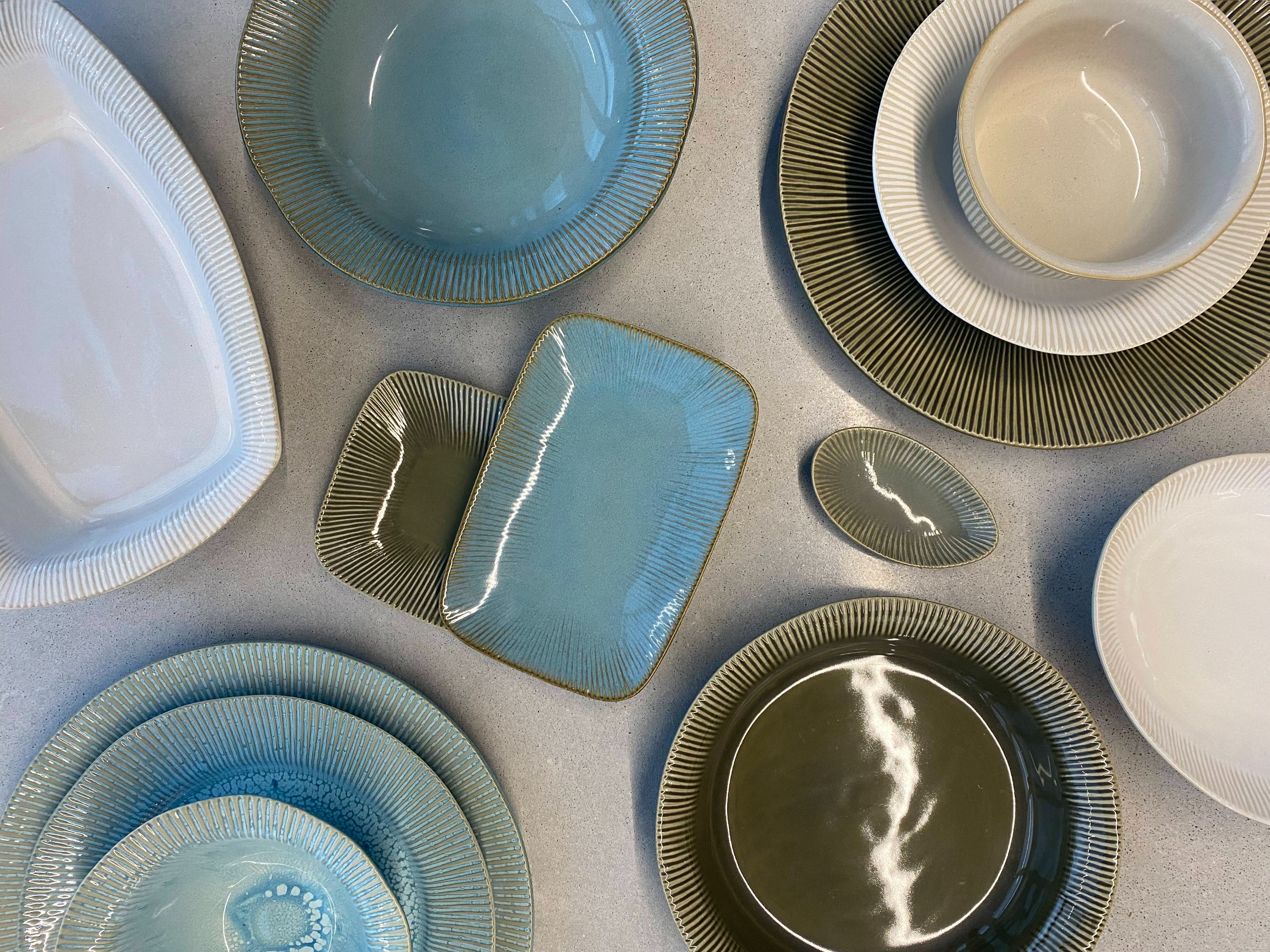
Our Mortágua manufacturing complex integrates 30+ years of Portuguese ceramic heritage with automated temperature-controlled tunnel kilns. We provide New Zealand distributors and brand owners with the artistic soul of handcrafted reactive glazing backed by industrial volume consistency.
Every batch undergoes strict colorimeter testing, mechanical strength verification, thermal shock testing (moving from freezer -20°C to heated oven 220°C), and food safety leaching analysis prior to export packaging.
Designing stoneware collections tailored to the distinct operational demands and aesthetic preferences of Kiwi dining, retail, and hospitality environments.
New Zealand's world-renowned specialty coffee and brunch scene demands heavy-duty tableware with exceptional heat retention. Flat whites, pour-overs, and plated avocado toasts require dishes that maintain food temperatures while withstanding fast table turnarounds.
Winery dining rooms and vineyard estate bistros emphasize organic, farm-to-table culinary experiences. Earthy reactive glazes—featuring ocean blues, moss greens, rust ambers, and slate grays—seamlessly bridge the gap between regional cuisine and natural landscapes.
Luxury retreats, ski lodges, and high-end hotel chains require dinnerware that balances opulent aesthetic appeal with rugged operational performance in extreme commercial kitchen environments.
For national retail brands in New Zealand seeking private label tableware lines, Cerages offers turnkey product development. We translate your concept sketches or mood boards into engineered plaster moulds, developed color swatches, and retail-ready packaged inventory.
From barcoded individual gift boxes to plastic-free protective ocean freight packaging, our supply chain integration eliminates compliance risks for entry into Auckland and Christchurch distribution centers.
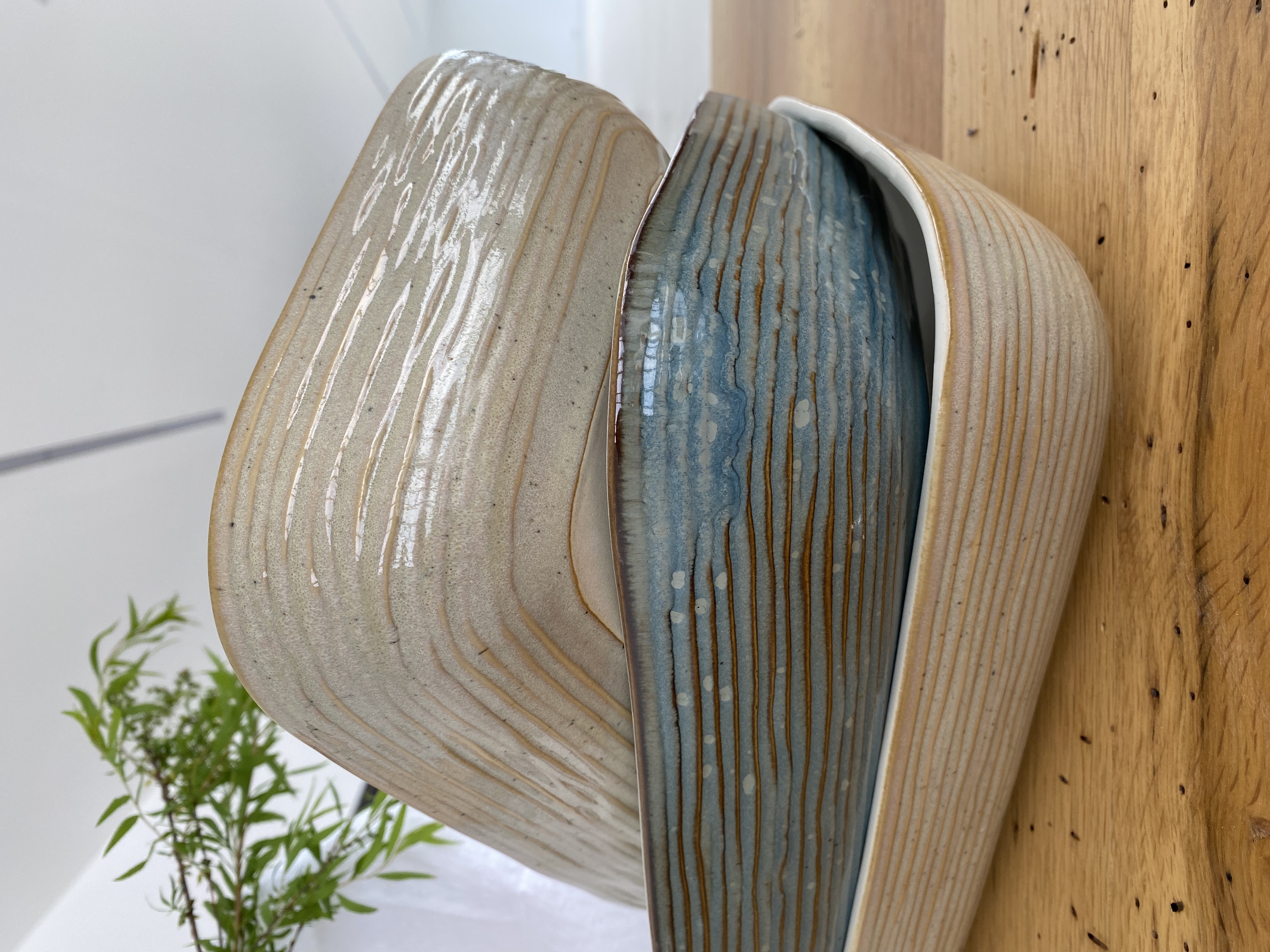
New Zealand buyers are hyper-focused on environmental responsibility and carbon footprint transparency. In alignment with New Zealand's environmental regulations and consumer values, Cerages has implemented sustainable packaging protocols for all Oceania freight routes. We utilize 100% recyclable corrugated board, biodegradable paper cushioning, and stackable master cartons engineered to maximize container volume utilization. By optimizing pallet density for sea freight routes from Europe to the Ports of Auckland, Tauranga, and Lyttelton, we reduce shipping energy per unit and protect against maritime transit vibration.
Importing ceramic dinnerware into New Zealand requires strict compliance with Ministry for Primary Industries (MPI) food safety expectations and international food contact regulations (such as EU Directive 84/500/EEC, FDA CPG 7117.06/07, and California Proposition 65). Certain low-quality reactive glazes from non-certified producers rely on unsafe heavy metal fluxing agents to achieve color transitions. Cerages operates an in-house spectroscopy laboratory. Every reactive glaze formula is 100% heavy metal compliant, guaranteeing zero lead or cadmium leaching under acidic food exposure (such as citrus juices, wine sauces, or coffee acids).
Current retail and restaurant trends across New Zealand demonstrate a sharp rise in multi-texture dining aesthetics. Procurement managers are increasingly requesting dinnerware that combines a raw, semi-matte unglazed or textured exterior with a rich, glossy reactive glazed interior surface. Our proprietary double-dip and double-fire glaze processes allow us to produce complex dual-finish collections with absolute batch-to-batch repeatability.
Integrated manufacturing power, technical precision, and dedicated private label production from central Portugal.
We do not market a competing retail brand. Every mold, glaze formulation, firing cycle, and packaging run is dedicated exclusively to client projects. Your brand identity remains central, supported by customized backstamps fired directly into the base glaze of each piece.
Our Mortágua glaze chemical lab holds over 1,300 fully developed, tested glaze recipes. Whether you need a specific Pantone matching glaze, a rustic speckled reactive finish, or a satin matte surface, our technicians formulate and test samples rapidly.
Quality control is embedded into every manufacturing phase. From initial clay slip moisture checking and greenware trim inspection to post-firing thermal shock stress testing, our certified processes ensure strict compliance for high-volume orders.
With three decades of international logistics experience, we manage container loading, seaworthy palletization, custom export documentation, and freight coordination directly to primary New Zealand maritime ports, ensuring smooth customs clearance.
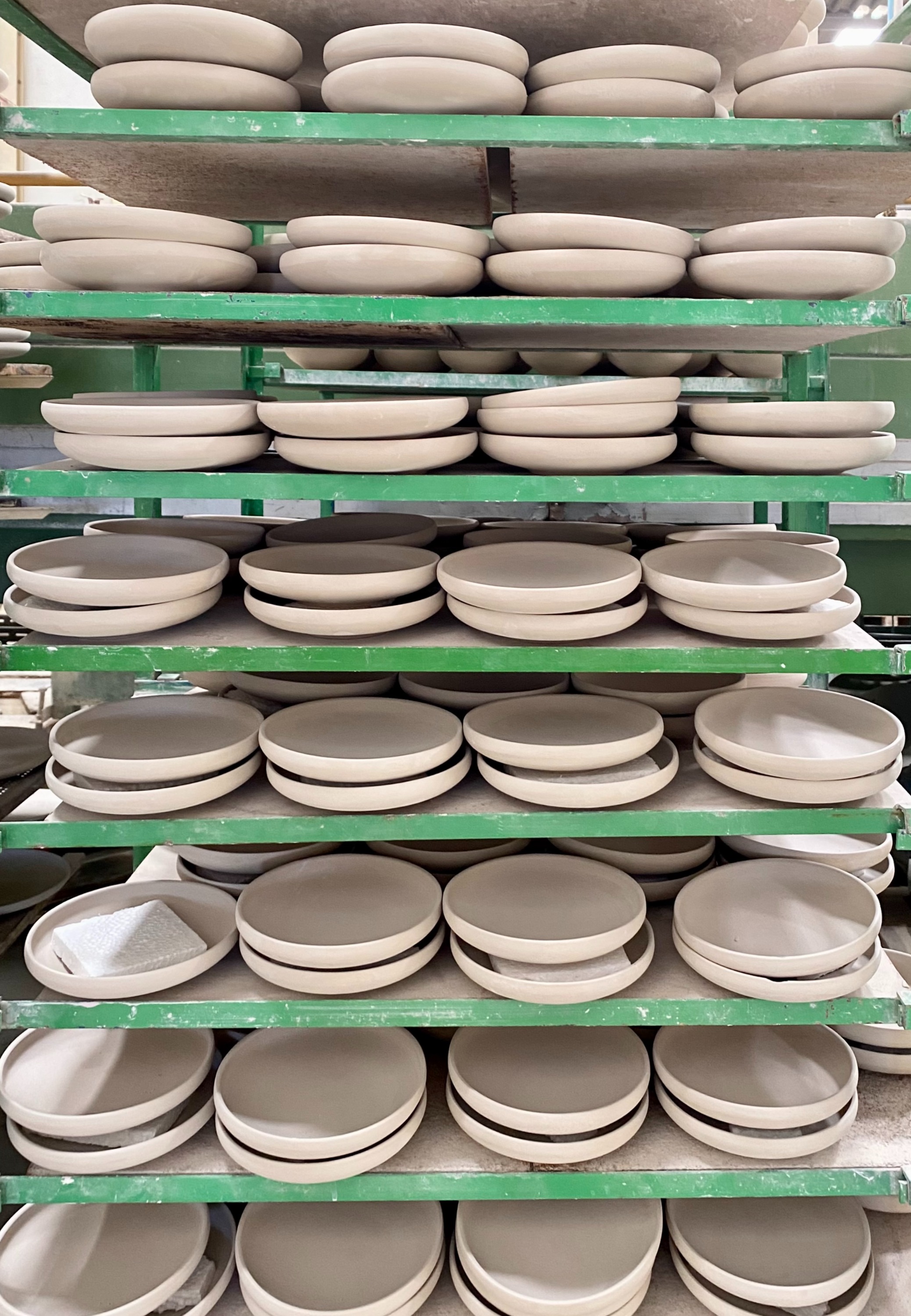
Achieving consistency across thousands of reactive glazed stoneware plates requires absolute thermal control. Our state-of-the-art tunnel kilns maintain uniform atmosphere and temperature profiles, eliminating color drift between production batches.
Partner with Cerages to create exclusive, durable dinnerware collections that stand out in the competitive New Zealand market.
Technical, logistical, and commercial inquiries commonly raised by New Zealand importers, distributors, and procurement managers.
Connect directly with our technical ceramic engineering team in Mortágua, Portugal. Receive tailored technical feedback, glaze matching support, and competitive FCL/LCL pricing for your New Zealand operations.
Get a Quote