High-vitrification tableware formulations designed for heavy commercial use, dishwashing endurance, and aesthetic distinction across Melbourne dining venues.
A technical evaluation of durability metrics, aesthetic alignments, and factory-direct supply chains for Victorian hospitality buyers, retail brand managers, and commercial specifiers.
Melbourne’s gastronomic identity is internationally recognized for its nuance, sophistication, and relentless pursuit of authenticity. From the vibrant laneway bistros of the CBD to the expansive winery restaurants in the Yarra Valley and Mornington Peninsula, food presentation is inextricably linked to visual and tactile storytelling. Commercial stoneware is no longer merely a utility; it is a key brand touchpoint.
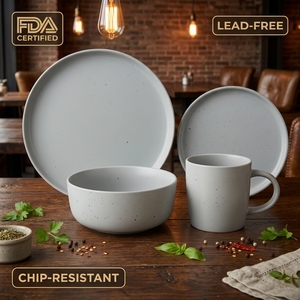
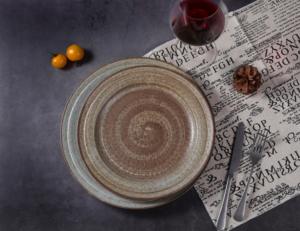
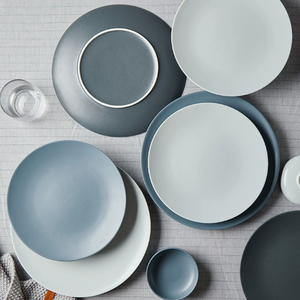
Local procurement teams consistently seek tableware that embodies raw organic textures, reactive glazing finishes, and architectural muted tones—such as matte cement grey, tactile earth red, and deep moss green—while demanding uncompromising physical endurance against high-velocity hospitality dishwashers and high-turnover service environments.
Hospitality operators across Victoria face severe operational losses from edge chipping, glaze crazing, thermal shock cracking, and surface scratching caused by cutlery abrasion. Standard earthenware or under-fired ceramics fail rapidly when subjected to the thermal swings of high-temperature commercial pass-through dishwashers (85°C rinse cycles) and salamander broilers.
Our manufacturing facility bridges this gap by engineering high-density stoneware bodies fired at high temperatures (1250°C to 1280°C). This vitrification process fuses the ceramic matrix, reducing water absorption to less than 0.5%, maximizing mechanical flexural strength, and virtually eliminating micro-porosity issues.
Understanding key physical properties, compliance parameters, and structural benchmarks required for high-volume Australian B2B procurement.
| Performance Metric | Commercial Vitrified Stoneware | Standard Earthenware | Commercial Porcelain |
|---|---|---|---|
| Firing Temperature Range | 1250°C – 1280°C | 1000°C – 1150°C | 1300°C – 1400°C |
| Water Absorption Rate (ASTM C373) | < 0.5% (Vitrified) | 3.0% – 10.0% (Porous) | < 0.1% (Vitrified) |
| Thermal Shock Resistance (ΔT) | Up to 220°C Differential | Up to 140°C Differential | Up to 180°C Differential |
| Edge Impact Resistance (MOD) | High (Reinforced Rim Geometry) | Low (Prone to Chipping) | Very High (Crisp Edge) |
| Glaze Hardness (Mohs Scale) | Grade 6.5 – 7.0 (Scratch Resistant) | Grade 4.0 – 5.0 | Grade 7.0 |
| Tactile & Aesthetic Versatility | Exceptional (Reactive, Matte, Texture) | Moderate (Basic Glazes) | Restricted (Mostly Smooth/White) |
| Dishwasher & Microwave Safety | 100% Commercial Rated (ISO 10545) | Degrades Over Time | 100% Commercial Rated |
How custom glazed stoneware enhances operational efficiency and sensory brand storytelling in diverse regional hospitality sectors.
Melbourne’s cafe culture demands tableware that mirrors the craft of specialty coffee roasting and sourdough baking. Our tactile, hand-finished stoneware coffee cups, wide flat-white saucers, and organic salad bowls deliver an authentic, artisanal feel.
Key Feature: Thermal retention properties keep espresso drinks and warm dishes at optimal serving temperatures longer.
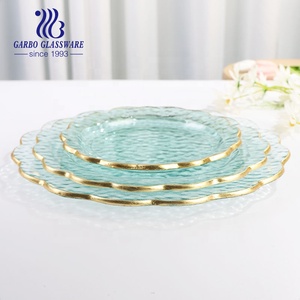
Premium dining establishments require dramatic backdrops for intricate plating. Matte cement grey platters, raw dark clay rims, and gold-trimmed chargers provide contrast for chef-led degustation menus while maintaining scratch resistance against heavy steak knife usage.
Key Feature: Stackable base engineering optimizes back-of-house storage in compact inner-city kitchen passes.
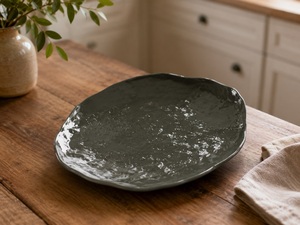
Regional destination venues prioritize biophilic integration, seeking ceramics that reflect the natural vineyard countryside. Our reactive stoneware glazes feature unique shade variations from piece to piece, harmonizing with wood fires, local timber tables, and estate wines.
Key Feature: High resistance to thermal shock allows seamless transfer from oven roasting to outdoor dining tables.
For Australian homeware retailers developing private-label tabletop lines, we offer complete turn-key OEM manufacturing. This includes barcode labelling, drop-test certified retail packaging, custom backstamping, and exact glaze batch consistency for multi-season restocks.
Key Feature: Compliance with Australian Standards (AS/NZS 4371) for lead and cadmium food safety limits.
Macro shifts shaping how hospitality directors, purchasing managers, and homeware buyers select ceramic manufacturing partners.
Victorian commercial buyers are auditing supplier supply chains for environmental accountability. Modern ceramic production demands closed-loop water recovery systems, recycling of unfired greenware scrap, and energy-optimized tunnel kilns that minimize carbon emission per unit fired.
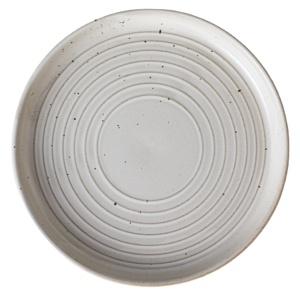
Standard white porcelain is increasingly replaced by semi-matte textured stoneware featuring organic, hand-carved edges and reactive glazes. These finishes react during high-temperature firing, ensuring no two plates in a dining venue look identical.
With kitchen footprints shrinking in metropolitan Melbourne venue designs, tableware must feature tight stacking profiles with low vertical pitch. Reinforced footings prevent scratching during rapid plate stacking in busy wash areas.
From raw CAD concept and glaze chemistry matching to sea-freight delivery at the Port of Melbourne.
We translate technical drawings, 3D render models, or physical concept samples into precise plaster working moulds. Shrinkage rates (typically 10-12%) are calculated inside our CAD engineering software before master casting.
With a proprietary library exceeding 1,300 glazes, our chemical laboratory formulates custom colors, matte, satin, or high-gloss reactive glazes based on Pantone references or client-supplied physical swatches.
Client brand logos, origin markings, dishwashing icons, and care instructions are applied to the base of each piece via high-fire underglaze decals or direct mould engraving for permanent visibility.
Kilns operate under strict thermal curves reaching up to 1280°C. Finished pieces undergo rigorous quality assurance checking for vitrification levels, glaze thickness uniformity, and dimension tolerances.
Decades of manufacturing precision, certified management systems, and specialized export logistics servicing the Australian market.
Our manufacturing operations are audited and certified under ISO 9001:2015 standards. Every production lot is documented, ensuring batch-to-batch color stability, structural consistency, and full traceability for reorders over multi-year collection cycles.
We manage complex export logistics directly to Australian destinations. Our export department handles custom palletization (compliant with Australian timber ISPM 15 heat-treatment standards), container packing optimization, and customs documentation.
Addressing common questions regarding minimum order quantities, compliance, lead times, and custom developments.
Our standard Minimum Order Quantity (MOQ) for custom shape and custom glaze developments typically starts at 1,000 to 2,000 units per item shape, depending on piece dimensions and glaze complexity. For adaptions of existing factory shapes with custom backstamps or stock glazes from our 1,300+ library, lower MOQs can be accommodated. We work closely with commercial buyers to optimize kiln load volumes for cost performance.
Yes, all ceramic dinnerware and serveware formulated in our factory undergo rigorous lab testing for lead and cadmium release, fully conforming to Australian standard AS/NZS 4371, US FDA specifications, and European Regulation (EC) No 1935/2004. Comprehensive compliance certificates and laboratory test reports are provided with every order batch prior to export dispatch.
Initial sample development and glaze matching typically require 2 to 3 weeks. Upon 3D sample approval, mass production lead times generally range between 45 to 60 days depending on order volume and kiln schedules. Ocean transit time from our facility port to the Port of Melbourne is approximately 25 to 35 days. We recommend commercial procurement teams plan for a total window of 75 to 90 days from project sign-off to site delivery.
Our high-vitrification stoneware bodies feature a low Coefficient of Thermal Expansion (CTE) and near-zero water absorption (<0.5%). This prevents moisture ingress into the clay body during high-temperature washing cycles, eliminating micro-cracking, internal body stress, glaze crazing, and structural degradation over prolonged commercial use.
Custom development is our core operational focus. We can apply your venue logo, brand iconography, or country-of-origin details as an underglaze stamp or decal. Furthermore, our chemical engineers can lock down proprietary glaze formulations exclusively for your brand, ensuring no competitor in your market receives the same finish.
Partner directly with an established ceramic stoneware manufacturer. Connect with our engineering team to request sample kits, receive instant production quotes, or discuss your custom OEM requirements for Melbourne delivery.
Contact Us