Precision-engineered ceramic solutions designed for high thermal stability, heavy-duty commercial dishwashing, and modern culinary aesthetics across the Middle East and European markets.
Istanbul stands as the world's most dynamic culinary bridge, connecting European fine-dining sophistication with the deep-rooted slow-cooking traditions of Anatolia and the broader Middle Eastern (MENA) hospitality markets. For professional procurement teams, hotel purchasing managers, and private-label retail brands operating within or distributing through Istanbul, sourcing commercial-grade cookware is no longer just about buying earthenware dishes. It requires high-performance, fully vitrified stoneware engineered to withstand the rigorous demands of modern commercial kitchens while honoring regional culinary formats.
Historically, traditional Turkish oven-to-table cuisine relied heavily on unglazed or low-fired earthenware pots (known locally as güveç). While culturally authentic, low-fired porous earthenware exhibits high water absorption (often exceeding 8–12%), making it susceptible to thermal shock fractures, bacterial retention, micro-cracking during automated dishwashing, and glaze crazing. Modern HoReCa operators in Istanbul’s prime districts—from luxury Bosphorus hotel chains to high-volume commercial dining hubs in Nişantaşı and Beyoğlu—are rapidly upgrading to high-density stoneware cookware.
Technical Information Gain Note: True vitrified stoneware is fired between 1280°C and 1320°C. This high heat fuses the clay particles into a non-porous, stone-like body with a water absorption rate under 0.5%. This technical boundary ensures complete thermal shock resistance (withstanding sudden transitions from -20°C freezer storage directly to 250°C convection ovens or salamanders), making it the superior material for commercial oven-to-table applications.
As a leading OEM/ODM factory and strategic B2B supplier supplying global distributors and regional importers in Turkey, our manufacturing ecosystem combines European technical discipline with complete customization autonomy. We supply high-volume ceramic roasting pans, stackable ovenware, bespoke dinnerware, and specialized serving platters tailored specifically to the aesthetic, functional, and logistical demands of the Turkish market.
Sourcing directly from an established ceramic factory eliminates intermediary friction, guarantees backstamp integrity, and provides procurement officers with absolute control over clay formulation, glaze chemistries, and structural dimensions. Below is an engineering overview of our production capabilities tailored for enterprise procurement:
| Performance Parameter | Standard Commercial Earthenware | Traditional Terracotta / Güveç | Our Custom Vitrified Stoneware |
|---|---|---|---|
| Firing Temperature | 1000°C – 1150°C | 900°C – 1050°C | 1280°C – 1320°C (High Vitrification) |
| Water Absorption | 5% – 12% (Porous) | > 10% (High Porosity) | < 0.5% (Impermeable & Hygienic) |
| Thermal Shock Tolerance | Moderate (ΔT ~ 120°C) | Poor (Prone to cracking) | Superior (ΔT > 200°C withstandable) |
| Dishwasher & Microwave Safety | Limited lifespan; glaze crazing | Not recommended for commercial units | 100% Commercial Dishwasher & Oven Safe |
| Surface Glaze Hardness | Mohs 4 - 5 (Scratches easily) | Uncoated / Soft Glaze | Mohs 7+ (Scratch & Cutlery-Mark Resistant) |
| Customization / Backstamp | Basic surface print | Manual stamping | In-mould debossing, laser print, high-fire decal |
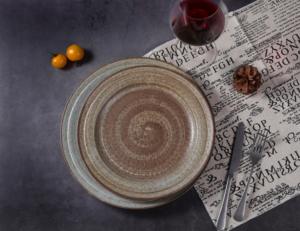
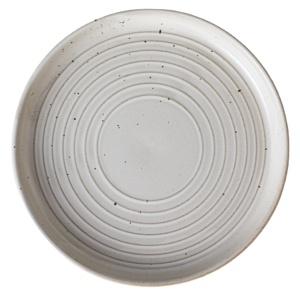
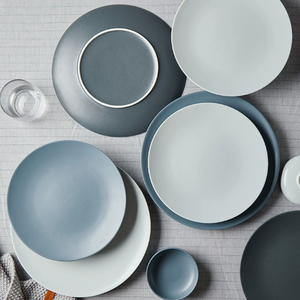
Surface optics and tactile finishes dictate consumer perception and brand identity. Our dedicated glaze laboratory holds over 1,300 documented recipes, spanning matte cement greys, metallic lusters, vibrant glossy solids, and artistic reactive glazes. Reactive glazes undergo controlled chemical reactions during the high-temperature glaze firing, yielding unique color gradients and organic mottling on every single piece. This endows modern restaurant tables with a handcrafted, artisan feel while retaining industrial-grade durability.
For private label brand owners, hotel groups, and commercial importers in Turkey, custom backstamps are essential for brand authentication and regional anti-counterfeiting. We offer debossed base logos directly integrated into our master plaster moulds, as well as underglaze ceramic stamps and high-temperature metallic transfer decals that will never wear off, fade, or leach under commercial wash cycles.
How specialized stoneware cookware and serveware solve operational challenges across distinct hospitality and retail sectors in Istanbul.
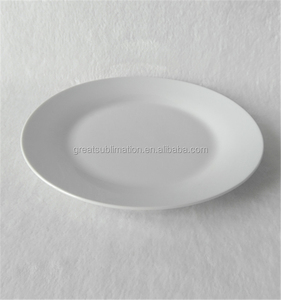
High-end hotel chains along the Bosphorus require tableware capable of high-density stacking, seamless heat retention during banquet service, and flawless anti-chipping rim performance. Our reinforced vitrified stoneware plates and baking dishes offer zero edge-chipping vulnerabilities under heavy commercial service.
From slow-cooked Anatolian lamb stews to baked seafood gratins, traditional Turkish recipes demand cookware that maintains temperature from kitchen oven to guest table. Our heavy-gauge stoneware baking pans absorb and distribute heat evenly, eliminating hot spots and keeping dishes warm throughout service.
Istanbul acts as a re-export hub for tableware shipped into North Africa, Central Asia, and the Balkans. We support large-scale export houses with bulk carton packaging, palletization optimized for sea container shipping via Ambarlı and Haydarpaşa ports, and multi-lingual retail packaging.
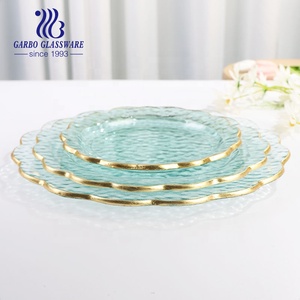
Large event venues require high-impact visual presentation. Our decorative chargers, gold-rimmed accent platters, and custom color-matched stoneware dinner sets allow event caterers to deploy luxury table settings without sacrificing microwave and dishwasher functionality.
Understanding regional shifts in consumer preferences, food safety regulations, and interior design allows purchasing directors to make future-proof sourcing decisions. Based on export data and market intelligence across the East-West commercial corridor, several key trends are shaping demand in Istanbul:
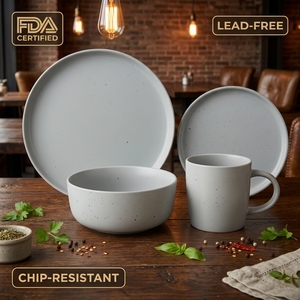
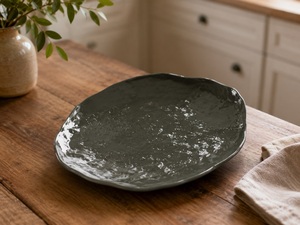
Modern restaurant interiors in Istanbul are moving away from traditional high-gloss white porcelain toward earthy, tactile organic surfaces. Matte cement-grey finishes, rustic basalt tones, and reactive glazes provide a minimalist neutral canvas that enhances food presentation under modern LED dining lights. Our stone-look rectangular platters and rustic textured dinner plates reflect this exact design evolution.
With Turkey aligning its trade compliance policies closely with European Union standards (EU Regulation No 1935/2004 on materials intended to come into contact with food), hospitality chains and retail brands are strictly auditing suppliers for heavy metal leaching. All glazes produced in our factory undergo rigorous lab testing to ensure 0% lead and cadmium release, fulfilling both Turkish Food Codex (Türk Gıda Kodeksi) and strict US FDA standards.
Energy consumption during ceramic firing is a critical component of Scope 3 carbon emissions for global brands. Our factory utilizes heat recovery systems from our continuous tunnel kilns to pre-heat drying chambers, while recycling 100% of un-fired clay slip and closed-loop process water. Sourcing sustainable stoneware aligns with the ESG commitments of international hotel groups operating across Turkey.
Technical details, operational logistics, and order workflows for sourcing custom stoneware cookware and tableware.
Traditional earthenware is fired at low temperatures, remaining porous (>10% water absorption). In high-volume commercial kitchens, porous earthenware absorbs oils, fats, and dishwashing chemicals, leading to odor retention, cracking under heat, and hygiene non-compliance. Vitrified stoneware is fired at over 1280°C, lowering absorption below 0.5%. This creates a fully non-porous, thermal-shock resistant body that is 100% dishwasher, oven, freezer, and microwave safe, significantly reducing annual replacement costs for restaurant operators.
Yes, absolutely. We operate almost exclusively on an OEM/ODM and private-label basis. We can engrave your logo directly into the plaster production moulds for permanent base debossing, apply high-fire underglaze stamps, or use metallic backstamps. Furthermore, our in-house laboratory can color-match any glaze sample or Pantone code, providing custom matte, glossy, or reactive finishes exclusive to your brand.
We maintain streamlined export channels for shipments bound for Turkey. Full Container Loads (FCL) and Less than Container Loads (LCL) are routed efficiently into major maritime hubs such as Ambarlı Port (European side) or Haydarpaşa Port (Asian side). Standard sample development takes 7–14 days, mass production requires 30–45 days depending on glaze complexity, and transit time to Istanbul ports is optimized via established direct shipping lines.
All our stoneware bodies and glazes are formulated to strict international food-contact standards. They are 100% lead-free, cadmium-free, and fully compliant with EU Directive 84/500/EEC, US FDA guidelines, and the Turkish Food Codex. Official chemical analysis reports and compliance declarations are provided per production batch upon request.
Because our production setup utilizes automated forming equipment alongside flexible shuttle kilns, our base MOQs generally start at 500 to 1,000 units per item/color for standard shapes, and 2,000 units for fully bespoke 3D-moulded items. This flexibility allows hospitality groups to introduce signature cookware collections without holding excessive inventory.
Partner with an ISO 9001:2015 certified ceramic factory equipped with an in-house mould shop, over 1,300 proprietary glaze formulas, and proven export capabilities serving the Istanbul market and global hospitality networks. Contact our engineering team today to review your technical drawings, request glaze samples, or initiate custom sample production.