
Engineered Stoneware & Porcelain Tableware Solutions for High-Volume HORECA, Luxury Resorts, and Commercial Sourcing Across Egypt & North Africa
Explore our export-grade, thermal-shock resistant ceramic and glass dinnerware engineered specifically for intensive hospitality operations, hotel banqueting, and upscale dining establishments.
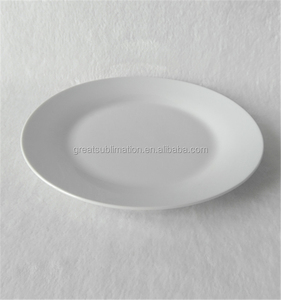
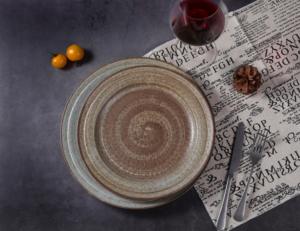
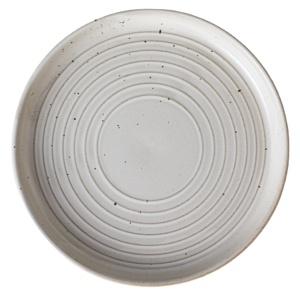
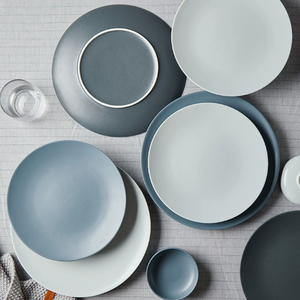
A Comprehensive Technical Briefing for Hotel Procurement Directors, Commercial Distributors, and Restaurant Developers
The hospitality and food service landscape in Egypt is undergoing an unprecedented structural expansion. Driven by national mega-infrastructure projects such as the New Administrative Capital (NAC), aggressive luxury hotel inventory growth in Cairo, and massive resort developments along the Red Sea Riviera (Hurghada, El Gouna, Sharm El Sheikh) and the Mediterranean North Coast (Ras El Hekma, Al Alamein), the demand for high-durability, aesthetically distinguished commercial dinnerware has escalated to record levels.
Historically, commercial dining establishments across Egypt faced a persistent strategic dilemma: choosing between locally manufactured traditional earthenware—which frequently suffers from high porosity, glaze cracking, and vulnerability to thermal shock under heavy commercial dishwashing—or importing premium European porcelain subject to unpredictable foreign exchange fluctuations, high customs tariffs, and extended supply chain lead times. Modern B2B sourcing strategies in Egypt now demand custom OEM commercial dinnerware solutions that merge European ceramic engineering precision with flexible manufacturing ecosystems and optimized logistics.
Commercial operations in high-turnover dining environments require dinnerware that withstands rigorous daily usage cycles. Unlike household tableware, hospitality dinnerware experiences extreme mechanical stress: fast-paced stacking, high-pressure industrial dishwashing at temperatures exceeding 85°C, thermal shock from oven-to-table service, and abrasive contact from metallic flatware.
Our OEM manufacturing methodology focuses exclusively on high-temperature vitrification (firing between 1,250°C and 1,300°C). This thermal transformation fuses the clay body into a dense, non-porous structure with water absorption rates below 0.5%. For hoteliers and resort owners in Egypt, this prevents moisture absorption, bacterial accumulation, micro-cracking, and premature rim chipping—directly lowering the annualized replacement cost per cover.
Custom Backstamping, In-House Glaze Chemistry, and Precision Tooling Built for Global Brands and Regional Enterprises
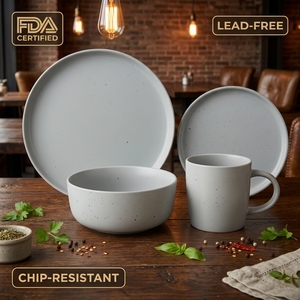
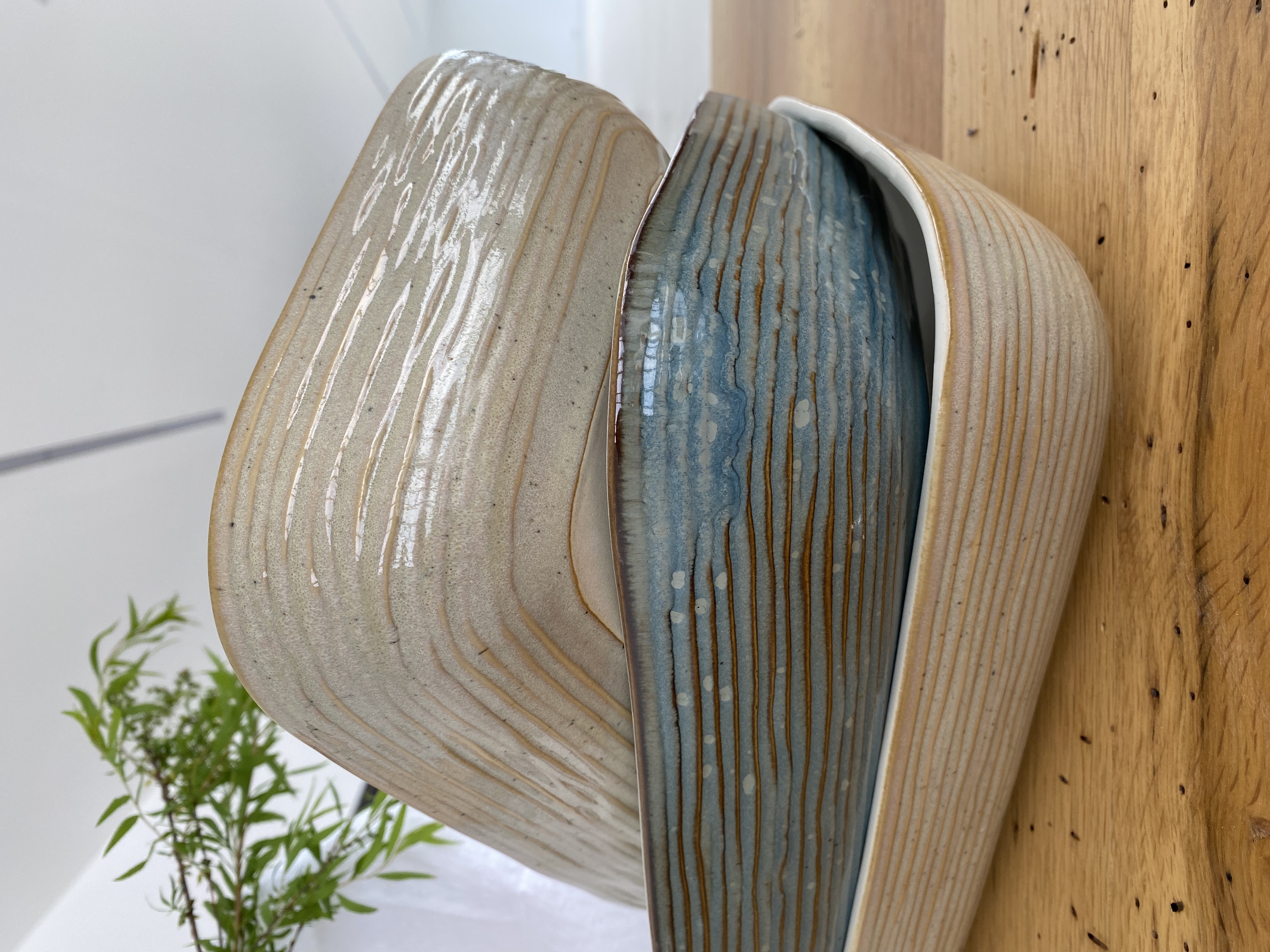
Our dedicated ceramic laboratory maintains an expansive library of over 1,300 proprietary glaze formulations. From matte cement stone textures and reactive glazes to vibrant high-gloss mineral finishes, every batch is chemically balanced for scratch resistance and 100% food safety compliance (lead and cadmium-free).
Every commercial piece serves as a silent brand ambassador. We offer precision backstamp execution—whether engraved directly into the plaster mould, applied via underglaze transfers, or stamped prior to final firing—ensuring your resort, restaurant chain, or private label logo never fades or wears off.
Specially engineered for oven-to-table culinary service. Our dense stoneware body withstands sudden thermal swings up to ΔT 180°C, enabling seamless transition from cold storage to high-heat commercial ovens and rapid cycle dishwashing without thermal shock fractures.
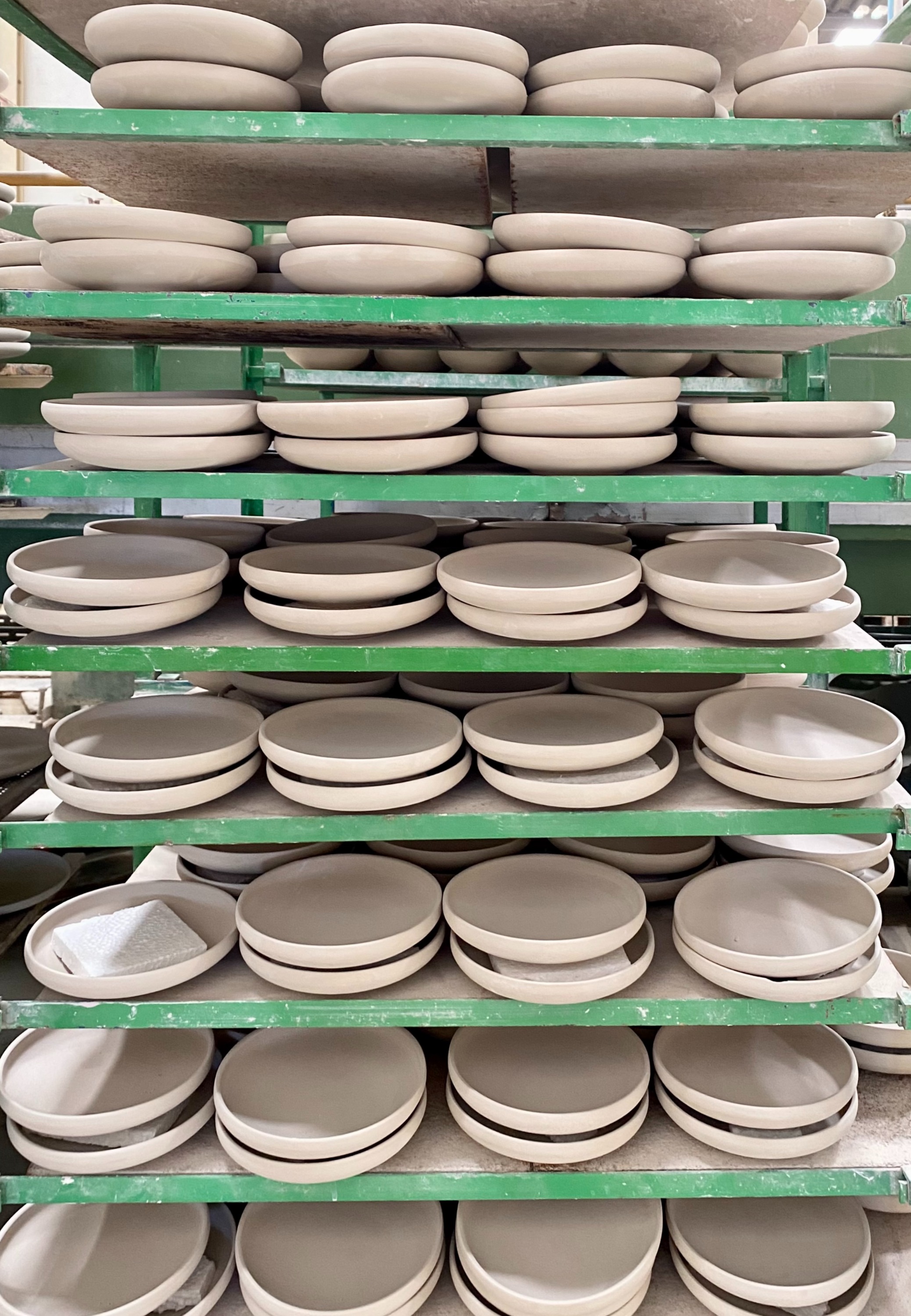
From raw clay screening and slip casting to automated tunnel kiln firing and 100% individual piece inspection, our manufacturing processes strictly adhere to ISO 9001:2015 quality management standards, guaranteeing dimensional stability and batch consistency.
Sustainability is core to modern manufacturing. We utilize closed-loop water filtration systems, recycle 100% of unfired clay waste, optimize natural gas consumption during kiln firing, and supply eco-friendly bulk packaging tailored for international export.
We streamline import workflows for Egyptian procurement teams by providing custom palletizing, barcoding, and container consolidation services, ensuring rapid transit to major Egyptian entry ports including Alexandria, Port Said, and Sokhna.
Tailored Ceramic & Glassware Configurations Built for Specific Egyptian Dining Environments
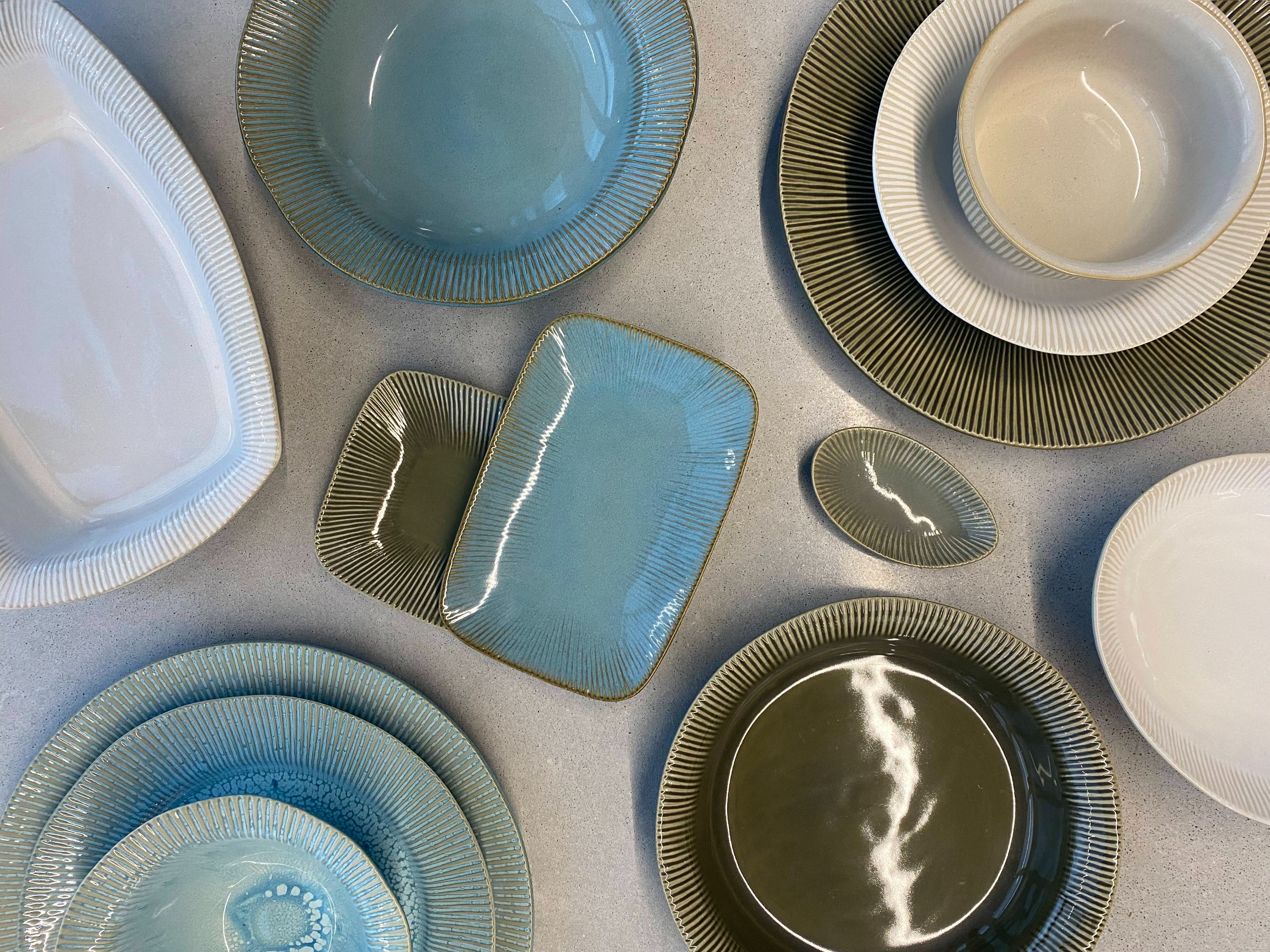
Beachfront resorts and high-volume all-inclusive buffets require dinnerware with exceptional structural integrity. High guest rotation means plates and bowls undergo continuous cycling through industrial dishwashers. Our reinforced rim stoneware plates and scratch-resistant matte serving platters eliminate glaze abrasion from cutlery, keeping buffet lines looking pristine despite continuous heavy usage.
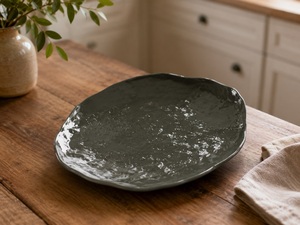
Fine dining establishments in Cairo's 5-star hotels and the commercial hubs of the New Capital focus heavily on culinary presentation and sensory storytelling. Custom organic shapes, hand-painted reactive glazes, and 3D textured ceramic plates provide chef teams with a dramatic visual canvas that enhances artisanal menu offerings.
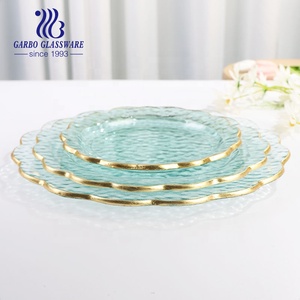
Egypt's Mediterranean shoreline experiences intense seasonal spikes with ultra-luxury beach clubs, high-end seafood concept dining, and VIP banqueting. For these vibrant venues, our gold-rimmed glass charger plates and high-durability sublimation ceramics offer a refined, opulent aesthetic that withstands saline coastal air and rapid service dynamics.
For multi-location restaurant groups and international casual dining franchises expanding across major Egyptian cities, operational consistency is critical. OEM manufacturing ensures absolute standardisation across thousands of pieces, allowing brand managers to maintain identical table settings in every branch nationwide.
Key Macro Dynamics Shaping Sourcing Decisions in Egypt's Hospitality Ecosystem
Strategic sourcing in Egypt requires a nuanced understanding of domestic macro-economic trends and international supply chain integrations. As the Egyptian government expands the target for annual international tourist arrivals to 30 million by 2030, hotel developers and operators are upgrading back-of-house infrastructure to meet strict global rating benchmarks.
Navigating Egyptian customs clearance (including GOEIC registration and Egyptian Organization for Standardization compliance) requires manufacturing partners capable of issuing precise origin certificates, food contact test reports, and compliant shipping documentation. Our export division works directly with Egyptian importers to streamline clearance at Sokhna and Alexandria ports.
Leading hospitality groups operating in Egypt (such as Marriott, Accor, and Hilton) are enforcing ESG policies that mandate sustainably produced operational equipment. Our energy-efficient kilns, zero-water-waste manufacturing process, and recyclable bulk packaging fulfill global corporate sustainability requirements.
To guard against global supply chain disruptions and currency exchange fluctuations, Egyptian commercial buyers increasingly prefer OEM suppliers offering standardized shapes that remain in production long-term. This enables seamless re-ordering for replacement stock year after year without forced collection redesigns.
Essential Answers for Procurement Managers, Importers, and Hotel Operations Teams
Custom OEM project timelines generally consist of two phases: Sample development and production/shipping. Tooling and physical sample production require approximately 15 to 20 days. Once the sample is approved, mass production takes 30 to 40 days depending on order volume. Direct ocean freight to main Egyptian ports (Ain Sokhna, Alexandria, Port Said) takes approximately 18 to 25 days transit time.
All our ceramic stoneware, porcelain, and glass dinnerware products are manufactured using non-toxic, 100% lead-free and cadmium-free glazes. Products undergo rigorous laboratory testing to verify compliance with international food contact standards (FDA, EU Directive 2005/31/EC, and ISO 6486). Test documentation and compliance certificates are provided for seamless Egyptian GOEIC customs verification.
Yes. Our in-house glaze laboratory specializes in custom color matching. By utilizing physical color chips, Pantone standards, or fabric swatches provided by your interior design team, our technicians develop bespoke solid or reactive glazes tailored specifically to your project aesthetic.
For custom backstamping on existing factory mould shapes, our typical MOQ is 500 to 1,000 pieces per item type. For completely customized physical ceramic shapes requiring bespoke plaster tooling, MOQs start from 1,500 to 3,000 pieces per item, making custom production highly cost-effective for medium to large-scale hotel projects and restaurant chains.
Earthenware is fired at lower temperatures, leaving a porous internal body that absorbs water when micro-cracks occur in the glaze. In a commercial setting, this leads to bacterial contamination, dark water stains, and frequent chipping. Vitrified stoneware is fired above 1,250°C, creating a fully non-porous body with superior thermal shock stability and mechanical strength, dramatically reducing overall breakage rates.
We utilize multi-tier export packaging engineered specifically for heavy commercial ceramic transport. Individual items are inter-leafed with protective high-density foam or corrugated board, placed inside heavy-duty 5-ply master cartons, and bound onto reinforced fumigated pallets with edge protectors and stretch shrink-wrap. Breakage rates across container shipments are kept below 0.5%.