Tested for intensive thermal shock endurance, mechanical dishwasher friction, and chip-resistant performance across commercial dining environments in Baghdad, Erbil, Basra, and Najaf.
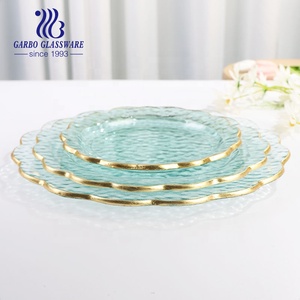
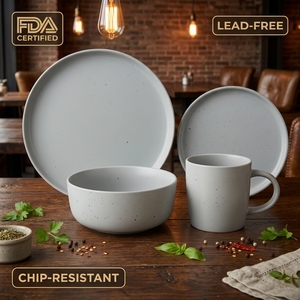
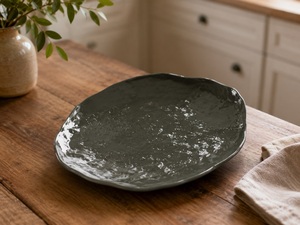
Sourcing intelligence, vitrification science, and operational considerations for B2B procurement directors, hotel developers, and tableware importers across the Republic of Iraq.
The hospitality and commercial food service market across Iraq—stretching from the commercial centers of Baghdad and Basra to the rapidly expanding tourism and business hubs of Erbil and Sulaymaniyah—is undergoing an unprecedented structural upgrade. Commercial buyers are aggressively shifting away from lightweight, porous earthenware and prone-to-scratch melamine, replacing them with high-density, vitrified stoneware and hotel-grade porcelain built to withstand heavy daily rotation.
For B2B buyers importing tableware into Iraq, selecting an experienced manufacturer requires evaluating specific engineering factors: thermal shock resistance during high-temperature washing cycles, mechanical strength under heavy stacking, chemical glaze resistance to acidic regional ingredients, and strict adherence to Iraqi compliance standards such as the Central Organization for Standardization and Quality Control (COSQC) directives.
In commercial dining operations where dishwashers run continuously at 80°C to 90°C, low-fired ceramics absorb moisture into micro-cracks over time, causing glaze crazing, bacterial growth, and eventual thermal fracturing. Our factory fires stoneware bodies at 1280°C, driving water absorption below 0.5% (complying with ISO 6486 and BS EN 1183), ensuring lifetime structural integrity and hygienic safety.
Tailoring raw ceramic material profiles, glaze densities, and vessel geometries to match specific regional hospitality operations.
Deploying in premier hotels across Baghdad’s Karada district, Erbil’s 60-Meter Road developments, and Basra International Business Hubs. These venues require refined reactive glaze finishes, elegant rim profiles, and absolute color uniformity across thousands of replacement units.
Servicing traditional establishments serving iconic dishes such as Masgouf (slow-roasted carp), Quzi (slow-cooked lamb on rice), and Tashreeb. Plates require deep rims, high load-bearing capacity, and scratch resistance against heavy metal serving spoons and bone contact.
Supplying massive catering halls and hospitality organizations in Najaf and Karbala during major religious events. Focus is placed on ultra-stackable profiles, high thermal retention to keep food hot, and impact-resistant edge construction.
Comparing our factory's commercial vitrified stoneware against standard market ceramics used in regional procurement.
| Performance Metric | Cerages Commercial Stoneware | Standard Earthenware / Clayware | Commercial Melamine |
|---|---|---|---|
| Firing Temperature | 1280°C High-Temperature Kiln | 900°C – 1050°C Low Firing | Chemical Molding (Synthetic Plastic) |
| Water Absorption | < 0.5% (Fully Vitrified Body) | 5.0% – 12.0% (Porous Body) | 0.0% (Plastic Material) |
| Thermal Shock Tolerance | Up to 220°C Rapid Delta T (BS EN 1183) | Prone to Cracking above 80°C Delta T | Max 70°C (Not Oven-Safe) |
| Cutlery Scratch Resistance | Mohs Scale 6.5 – 7 (High Surface Hardness) | Mohs Scale 4 (Scratches Easily) | Mohs Scale 2 (Severely Scratches) |
| Dishwasher Lifecycle | 3,000+ Industrial Cycles guaranteed | Glaze crazes after ~200 cycles | Degrades, discolors & warps |
| Food Safety Certifications | FDA, EU Directive 84/500/EEC, ISO 6486 | Varies (Risk of Lead/Cadmium leaching) | Contains Formaldehyde resin risks |
Key growth drivers influencing purchase decisions for importers, hospitality buyers, and wholesale distributors in Iraq.
Iraqi restaurant chains and 5-star properties are turning away from generic white unbranded plates. They require custom-engraved or underglaze-printed logo backstamps on the reverse of each vessel to build brand equity and protect against theft in high-capacity venues.
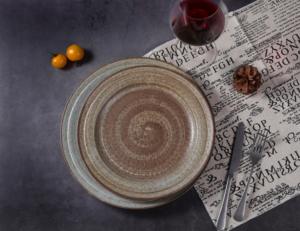
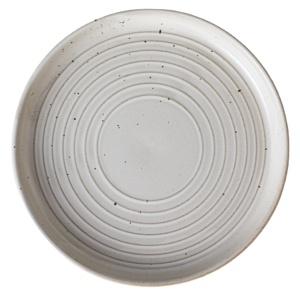
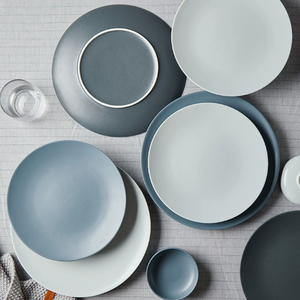
Modern dining venues in Erbil and Baghdad are heavily adopting Scandinavian and Mediterranean minimalist aesthetics. Textured stoneware, matte cement finishes, and multi-tone reactive glazes are replacing bright high-gloss white porcelain for artisan menu presentations.
Iraqi procurement directors are increasingly calculating Annual Breakage Rates (ABR). While cheap imported ceramics save upfront costs, high replacement rates due to edge chipping double operating costs. Vitrified stoneware cuts annual breakage by up to 65%.
Integrating raw clay preparation, mold engineering, glaze chemistry labs, and continuous tunnel kilns under a unified quality system.
Our in-house ceramic chemistry laboratory maintains an extensive glaze library covering glossy, matte, reactive, satin, metallic, and textured finishes. We offer custom Pantone color matching for regional brand standards.
Every production batch passes strict physical inspections: edge-impact hammer testing, thermal shock testing (220°C ice-water plunge), 24-hour methylene blue stain test, and heavy cutlery metal-marking evaluation.
We work exclusively on an OEM/ODM basis. Backstamps are either engraved directly into master molds or applied via high-temp underglaze decals, guaranteeing your brand identity never fades or scrubs off.
Providing seamless B2B logistics management for full container loads (FCL) and consolidated shipments (LCL) into Iraqi ports and borders.
Shipments into Iraq require a Certificate of Inspection (COI) issued by accredited international inspection bodies (such as Bureau Veritas, SGS, or TUV) verifying that dinnerware complies with Iraqi heavy metal limits and food contact safety standard COSQC No. 1658. We manage pre-shipment sampling and testing documentation directly.
We support multiple delivery routes: Sea freight directly to Port of Umm Qasr (Southern Iraq), transshipment via Mersin Port (Turkey) with overland trucking into Ibrahim Khalil border crossing (serving Erbil, Sulaymaniyah, and Northern Iraq), and direct air freight for urgent hotel opening samples.
Export goods are packed in heavy-duty 5-ply corrugated cartons with customized cell dividers and corner edge protectors. Cartons are shrink-wrapped on ISPM-15 heat-treated fumigated wooden pallets or plastic pallets, ensuring zero movement during sea transportation and rough overland transit.
Detailed technical answers to common queries regarding ordering procedures, minimum quantities, custom tooling, and compliance.
Request commercial catalogues, physical samples, or a detailed OEM production quotation tailored for your procurement project in Iraq.