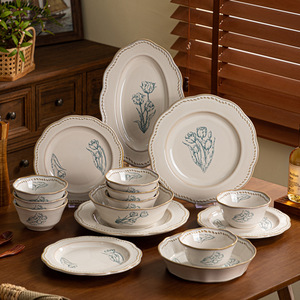
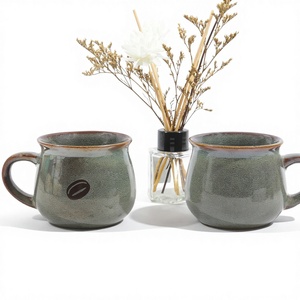
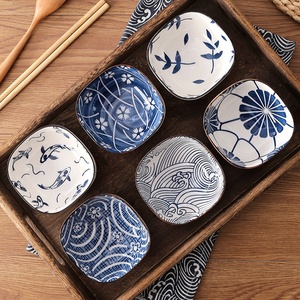
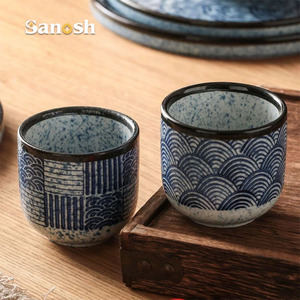
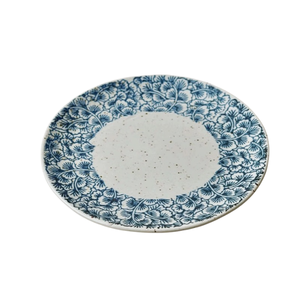
Strategic Sourcing Paradigm: China Wholesale Durable Stoneware Sourcing for the Danish Market
The global ceramic supply chain is undergoing a structural shift toward technical performance, material longevity, and expressive aesthetic individuality. For Danish B2B buyers—ranging from high-end retail chains in Copenhagen to contract hospitality distributors in Aarhus and Odense—procuring commercial stoneware requires a sophisticated balance between Scandinavian design integrity, environmental compliance, and mass-scale production reliability.
As an established Chinese manufacturing leader and direct exporter specializing in high-fired durable stoneware, our enterprise bridges the gap between raw material engineering and localized European market demands. Fired at temperatures exceeding 1,280°C, stoneware ceramic bodies undergo complete chemical vitrification, yielding a material density that resists mechanical chipping, thermal shock, and food acid corrosion far superior to conventional earthenware or low-temperature ceramics.
"To succeed in Denmark's discerning homeware and commercial food service sectors, stoneware products must offer more than visual appeal. They must provide quantifiable Information Gain: certified food safety compliance under EU directives, zero porosity to prevent bacterial retention, and structural resilience against heavy commercial dishwashing cycles."
In this technical white paper, we provide Danish procurement executives, brand managers, and wholesale importers with a comprehensive overview of our technical capabilities, localized application trends, regulatory compliance frameworks, and OEM customization pathways.
Vitrified Body Structure
Formulated with refined ball clay and feldspar mixtures, subjected to intense thermal pressure to achieve a non-porous silica matrix.
Reactive Glaze Innovation
Over 1,300 in-house glaze formulas creating bespoke tactile textures, matte stone finishes, and dual-tone Scandinavian chromatic effects.
EU Compliance Certified
Rigorous lead and cadmium heavy-metal extraction testing satisfying EU Directive 84/500/EEC and Danish Food Contact Regulations.
Material Science & Engineering Specifications
Understanding the precise ceramic properties is vital for B2B buyers evaluating factory performance. Standard earthenware often fails in commercial catering environments due to water absorption leading to crazing and thermal breakage. Our engineered stoneware undergoes strict physical testing to ensure long-term operational performance.
| Technical Parameter | China Export Durable Stoneware | Standard Commercial Earthenware | Testing Standard / Protocol |
|---|---|---|---|
| Firing Temperature | 1,280°C – 1,320°C (High Vitrification) | 1,000°C – 1,150°C (Low Vitrification) | Kiln Pyrometric Cone Monitoring |
| Water Absorption Rate | ≤ 0.5% (Impermeable Body) | 3.0% – 8.0% (Porous Body) | ISO 10545-3 / Boiling Water Method |
| Thermal Shock Resistance | Delta T = 200°C (Oven to Table Safe) | Delta T = 120°C (Cracks under rapid shock) | EN 1183 Thermal Shock Procedure |
| Glaze Hardness (Mohs Scale) | 6.5 – 7.0 (Scratch & Cutlery Resistant) | 4.5 – 5.5 (Prone to metal marking) | Mohs Hardness Scratch Tester |
| Edge Chipping Resistance | High Impact Absorbing Density | Low Mechanical Resistance | ASTM C368 Impact Resistance Test |
| Chemical & Acid Resistance | Class A (Impervious to acidic foods) | Class C (Degrades under repeated acids) | ISO 10545-13 Chemical Solution Test |
Localized Application Scenarios in the Danish Market
Denmark's dining culture is defined by two major consumer dynamics: the cozy, intimate indoor atmosphere known as "Hygge", and the modern, design-forward Scandinavian culinary scene spearheaded by New Nordic Cuisine. Stoneware serves as the foundational canvas for both retail and institutional environments across the country.
Hospitality & Commercial Gastronomy
From Michelin-starred establishments in Copenhagen's Kødbyen (Meatpacking District) to boutique hotels in Aarhus, commercial tableware must withstand demanding industrial usage while enhancing food presentation.
- Stackable Ergonomics: Rim designs optimized for space-saving kitchen storage.
- Retained Thermal Insulation: High ceramic density maintains dish temperature during outdoor fjord-side seating.
- Industrial Dishwasher Resistance: Glaze formulas resist caustic detergent etching across 2,000+ washing cycles.
Retail & Home Lifestyle Hygge Aesthetic
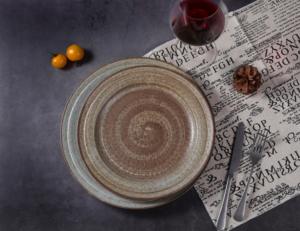
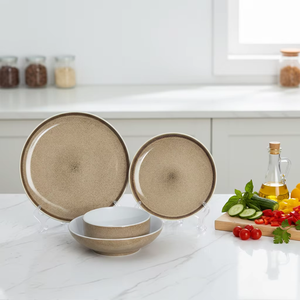
Danish department stores (such as Magasin du Nord and Illums Bolighus) and boutique interior retailers prioritize earthy textures, muted matte tones, and subtle tactile variance.
- Organic Reactive Glazes: Unique chromatic shifts that give each piece a custom, handcrafted feel.
- Multi-Functional Versatility: Seamless transition from freezer storage to microwave heating and table presentation.
- Eco-Centric Packaging: Retail-ready plastic-free kraft paper boxes aligned with Danish sustainability expectations.
Key Localized Trends Driving Danish Stoneware Procurement
Staying competitive in the Danish market requires aligning product development with emerging Nordic consumer preferences and regulatory mandates. Our R&D team continuously tracks these trends to provide turn-key OEM collections:
1. Earthy Matte & Micro-Textured Glazes
Danish interior aesthetics have shifted away from high-gloss white ceramic toward soft, organic tactile finishes. Matte sage green, speckled oatmeal, charcoal basalt, and warm sand finishes dominate current retail catalog sales.
2. Sustainable & Circular Ceramics
Danish buyers actively seek suppliers who reduce environmental impacts. Our factory incorporates reclaimed raw clay slurries, closed-loop water filtration systems, and low-emission natural gas kilns to deliver eco-responsible products.
3. Minimalist Coupe & Flat-Rim Profiles
Contemporary Danish tableware trends favor rimless coupe plates and straight-sided bowls. These clean geometric lines maximize plating area while occupying less vertical stack height in kitchen cabinetry.
Enterprise Strengths: Our Manufacturing Capabilities for Export
Operating as a primary direct factory exporter from China, our manufacturing infrastructure is tailored for seamless B2B integration with international importers and private-label brand owners. We eliminate intermediary trading margins while offering end-to-end quality assurance.
1. In-House Mold Workshop & Prototyping Laboratory
We convert client concept sketches, 2D technical drawings, or 3D CAD files into physical master plaster molds within 7 to 10 working days. Our rapid sampling laboratory ensures fast revision turnarounds prior to full mass-production molding.
2. Unrivaled Glaze Research & Development
With an active library of over 1,300 developed glaze recipes, our ceramic chemists can formulate custom colors to match Pantone references or recreate historical artisanal textures. Every glaze batch is pre-tested for food-contact compliance and thermal glaze-fit matching to eliminate delayed micro-crazing.
3. Customized Backstamps & Private Label Branding
We provide comprehensive branding integration options, including engraved bottom-stamp molds, underglaze decal transfers, and custom printed packaging tailored to Danish retail inventory management (EAN-13 barcodes, SKU labelling, and FSC-certified retail displays).
Frequently Asked Questions (FAQ) for Danish Importers
Here are detailed answers to common operational, regulatory, and logistics queries from Danish procurement professionals sourcing wholesale stoneware from China.