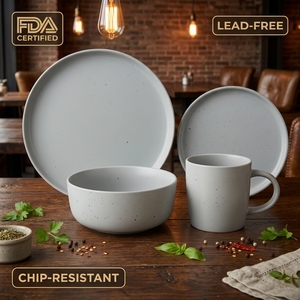
Engineered with thermal-shock resistant feldspathic clay bodies and non-porous glazes tailored for Mexico City's high-altitude culinary demands, luxury hospitality, and high-volume retail chains.
Understanding user intent, technical compliance, and cultural aesthetic shifts for B2B procurement across CDMX, Guadalajara, and Monterrey.
The Greater Mexico City (CDMX) metropolitan area represents the most dynamic gastronomy and hospitality hub in Latin America. With over 50,000 commercial dining establishments—ranging from Michelin-starred fine dining venues in Polanco, Lomas de Chapultepec, and Roma Norte to sprawling boutique hotel chains in Santa Fe and Condesa—the demand for high-durability, aesthetically expressive tableware has shifted decisively away from traditional earthenware (barro rojo) and utilitarian porcelain towards dense, vitrified stoneware sets.
As premier Chinese original equipment manufacturers (OEM) and direct factory exporters, our ceramic engineering facilities bridge the gap between European artistic glaze design and high-capacity manufacturing scale. Sourcing stoneware directly from verified Chinese industrial clusters allows Mexican importers, department stores (such as El Palacio de Hierro and Liverpool), and hospitality procurement agents to achieve significant cost efficiency without sacrificing the rigorous physical performance standards demanded by Mexican health regulators and commercial kitchens.
High-end Mexican gastronomy heavily features rich, acid-heavy moles, dark salsas, and piping hot stews. Our reactive matte glazes resist metallic scratching from cutlery and prevent chemical reactions with acidic ingredients like lime and chili sauces.
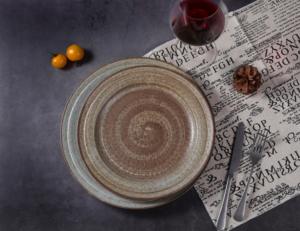
Consumers in Mexico City seek urban rustic aesthetics—grey cement textures, hand-painted rims, and organic earth tones. We provide barcoded, drop-test-certified retail box packaging tailored for Latin American retail shelf standards.
Banquet operations in historic CDMX haciendas require heavy stacking stability and high thermal shock resistance (ΔT ≥ 180°C) to withstand fast industrial dishwashing cycles and sudden transfer from warming cabinets to ambient air.
Comparative technical analysis demonstrating why high-fired stoneware is replacing traditional ceramics in high-altitude, high-intensity Mexican commercial environments.
| Performance Metric | Export Stoneware (Our Standard) | Traditional Earthenware (Barro) | Commercial Porcelain |
|---|---|---|---|
| Firing Temperature | 1250°C – 1280°C | 900°C – 1050°C | 1300°C – 1400°C |
| Water Absorption Rate | < 0.5% (Vitrified) | 8.0% – 15.0% (Porous) | < 0.2% (Vitrified) |
| Thermal Shock Resistance (ΔT) | Passes 180°C to 20°C Water | Fails at > 100°C | Passes 140°C to 20°C |
| Lead & Cadmium Safety | 100% Compliant (NOM-010-SSA1) | High Risk (Historical Glazes) | Compliant |
| Edge Chip Resistance | High (Compounded Feldspar Body) | Extremely Low | Moderate to High |
| Dishwasher & Microwave Fit | 1000+ Commercial Cycles Safe | Not Safe (Crazing Risk) | Commercial Safe |
Key aesthetic and functional preferences shaping buyer queries and purchasing behavior across Mexico City.
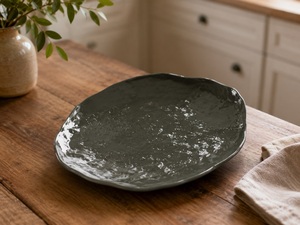
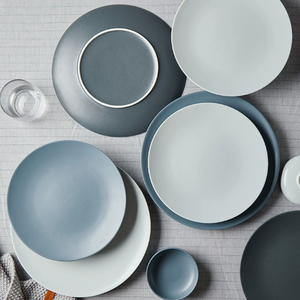
Inspired by Mexico’s volcanic basalt stone (Tenayuca and Molcajete textures), interior designers in CDMX prefer matte cement grey, charcoal black, and muted olive reactive glazes that emphasize natural raw minerals.
Mexican importers prioritize suppliers who guarantee 100% lead-free and cadmium-free glazes under official Mexican standards (NOM-010-SSA1-1993 & NOM-231-SSA1-2002) and COFEPRIS guidelines, eliminating all food contamination hazards.
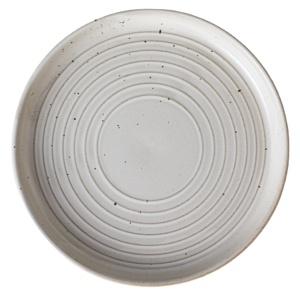
Urban bistro kitchens in Condesa and Roma face tight floor plans. Tableware sets engineered with linear side-walls and stackable footrings reduce shelf footprint by up to 35% in commercial dish racks.
With over three decades of specialized ceramic manufacturing, our facilities integrate complete raw material compounding, automated body shaping, custom glaze formulation, and strict quality assurance under one unified system.
We manage end-to-end containerized logistics from Chinese ports directly to inland dry ports in Mexico City (such as Pantaco). Our specialized wrapping avoids breakage during maritime transit through Pacific trade routes.
Essential guidance on customs compliance, sample approval, MOQ structure, and quality assurance.
Yes. All our stoneware bodies and glazes undergo rigorous laboratory testing to comply with NOM-010-SSA1-1993 and NOM-231-SSA1-2002 (Health requirements for ceramic ware regarding lead and cadmium release). We provide complete test certificates (SGS / TUV / FDA) required by COFEPRIS and Mexican customs brokers prior to container departure.
Production lead time is typically 30 to 45 days after sample approval and deposit confirmation. Ocean transit from Ningbo, Qingdao, or Shenzhen to Pacific ports like Manzanillo or Lázaro Cárdenas takes approximately 22–28 days. Interior customs transit and truck freight to CDMX warehouses add another 3–5 days.
Yes. As a 100% OEM/ODM stoneware manufacturer, we mold or print your custom logo directly onto the base of each piece prior to final firing. Markings such as "Diseñado para [Su Marca] - Hecho en China" or custom care icons (Lavavajillas / Microondas) are permanently fused into the body.
Standard MOQ for custom glaze formulations or custom shapes is 1,200 to 2,400 pieces per item (or 300 to 600 complete 4-piece dinnerware sets). For existing stock shapes featuring catalog reactive glazes, flexible MOQs starting from 600 pieces per item are available.
We maintain a historical breakage rate below 0.3% due to high-density corrugated dividers, individual bubble wrapping, and reinforced corner posts on all ocean pallets. In the rare event of damage exceeding 1%, replacement stock is manufactured and shipped free of charge in your subsequent order.
Request a comprehensive FOB/CIF price quote, order custom glaze swatches, or schedule a virtual factory audit with our senior technical export director.