Directly manufactured for Moscow’s high-traffic commercial dining sector, luxury hotel chains, and premium homeware distributors. Engineered for sub-zero transport stability and intensive thermal dishwasher cycles.
Navigating the structural shift in the Russian Federation's HoReCa, retail, and commercial food service tableware ecosystem.
The Moscow hospitality sector—spanning flagship dining concepts in the Tverskoy, Presnensky, and Patriarch’s Ponds districts to expanding chain operators across the Greater Moscow Ring Road (MKAD)—has experienced a profound transformation in ceramic procurement metrics. Sourcing managers and B2B tableware buyers no longer seek basic function; they require high-performance vitrified ceramics capable of supporting complex Eurasian culinary presentations while surviving aggressive automated dishwashing systems operating at high temperatures.
As an established ceramic dinnerware manufacturer specializing in OEM and ODM private label development, our technological infrastructure is directly aligned with the technical demands of Moscow importers. With winter logistics routes subjecting cargo to thermal shocks ranging from room-temperature loading bays to sub-zero transit corridors across Northern Eurasia, standard low-fired earthenware suffers micro-fracturing and structural glaze failure. Our high-fired stoneware (1280°C kiln thermal vitrification) delivers maximum density, eliminating moisture absorption and granting total immunity to freezing expansion cracks.
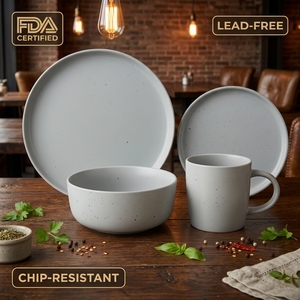
Full technical documentation alignment with Eurasian Customs Union standards. Formulated with zero lead, cadmium, or toxic heavy metal leeching, completely safe for intensive microwave, oven, and food contact applications.
Tested against extreme ΔT temperature transitions (from -20°C ambient transport conditions to +250°C oven reheats). Ideal for traditional hot pot service, baked dishes, and heavy Russian soup presentations.
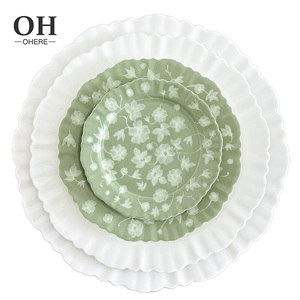
From reactive tactile earthy hues favoured by modern organic dining establishments to ultra-glossy crisp white porcelain required by five-star hotel banqueting rooms across Moscow.
Direct comparative data evaluation for commercial buyers deciding between standard earthenware, fine porcelain, and high-density stoneware body compositions.
| Performance Metric | Standard Earthenware | Commercial Porcelain | High-Vitrification Stoneware (Cerages Std) |
|---|---|---|---|
| Firing Temperature | 1000°C – 1150°C | 1300°C – 1400°C | 1260°C – 1290°C |
| Water Absorption Rate | 3.0% – 8.0% (High risk) | < 0.1% (Vitrified) | < 0.5% (High Vitrification) |
| Thermal Shock Tolerance (ΔT) | Up to 120°C | Up to 180°C | Up to 220°C+ (Oven-to-Table Ready) |
| Edge Chip Resistance | Low (Prone to rim breakage) | High (Reinforced edge) | Maximum (Dense, thick profile) |
| Dishwasher Abrasion Cycles | ~300 cycles before glaze dulled | 2,500+ commercial cycles | 3,000+ commercial cycles |
| Sub-Zero Transit Stability | Unstable in sub-zero freight | Excellent | Superior structural resilience |
Tailored ceramic solutions matching the specific operational environment of Russian hospitality and retail sectors.
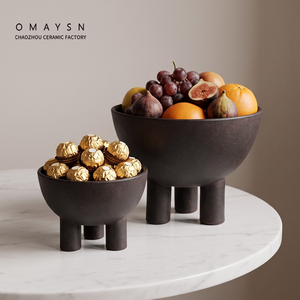
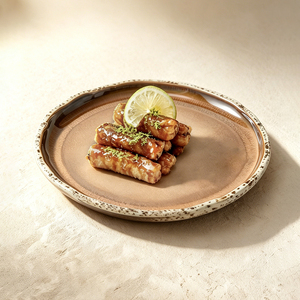
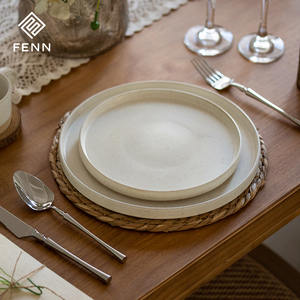
Moscow’s gastronomic dining venues require sculptural presentation assets. Our organic coupe plates, reactive satin glazes, and asymmetrical natural slate finishes provide chef-driven backdrops for modern Russian culinary arts, blending Nordic minimalism with Slavic heritage dish structures.
For high-turnover establishments operating in Moscow commercial malls and high-street avenues, durability is paramount. Engineered reinforced rim geometry reduces breakage rates by up to 40%, ensuring long-term operational ROI under intense automated dishwashing schedules.
Custom OEM backstamps, barcode integration, retail-ready color boxes, and protective drop-test drop-shipping packaging designed specifically for Russian e-commerce logistics channels (Wildberries, Ozon, Yandex Market) and retail chains (TSUM, GUM, Azbuka Vkusa stocking partners).
How our centralized Mortágua manufacturing complex delivers unrivaled precision from raw clay formulation to final shipment.
Unlike trading intermediaries, our production model operates on a total 100% Private Label & OEM Manufacturing protocol. From our dedicated mold fabrication facility to our glaze research laboratories, every phase of production takes place under a single roof under our certified ISO 9001:2015 quality management framework.
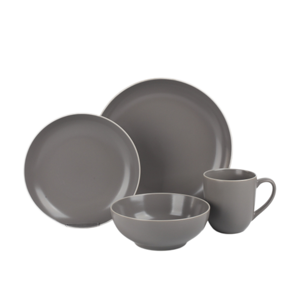
Whether your company requires adaptation of our standard coupe, rimmed, or deep bowl shapes, or complete custom 3D model prototyping from scratch, our technical engineering team validates wall thickness, shrinkage ratios, and kiln thermal behavior before mass casting begins.
Key procurement, regulatory, technical, and logistical insights for importers sourcing custom tableware from our manufacturing facilities.
Our stoneware dinnerware is fired at ultra-high temperatures (1280°C), achieving a fully vitrified ceramic body with an extremely low water absorption rate (<0.5%). Because virtually no micro-moisture resides inside the body, the items are completely immune to freeze-thaw expansion cracks caused by extreme sub-zero weather during long-haul rail or truck transport through cold climate zones.
Yes. We specialize almost exclusively in OEM and ODM private label production. Your brand logo, trademark, or custom Russian origin mark can be integrated onto the base of each piece via custom mold embossing, laser etching, or underglaze ceramic decals that remain permanent for the entire lifespan of the plate.
We provide full technical specification sheets, heavy metal (Lead and Cadmium) safety migration test reports, and ISO 9001:2015 quality assurance documentation required by Russian customs brokers to clear Eurasian Economic Union (EAEU) food-contact safety standards.
Absolutely. All our commercial HoReCa glazes undergo intensive chemical resistance testing. They will not cloud, craze, matte, or wear down under repeated exposure to high-temperature industrial dishwashers using concentrated commercial detergents commonly employed in Moscow restaurant kitchens.
MOQs depend on the item dimensions and manufacturing method (jiggering vs. slip casting). Standard collection shape adaptations with custom glazes usually start around 500 to 1,000 units per item SKU. For full custom shape developments from 3D CAD files, sample production runs are conducted first for client physical approval before full mass production.
We supply specialized mail-order packaging solutions including high-density drop-test foam inserts, heavy-duty 5-ply honeycomb cardboard cartons, and individual inner boxes engineered to pass 1.2-meter drop tests, minimizing breakage risks in Russian domestic postal networks.
Connect directly with our engineering and design team to discuss custom mold production, reactive glaze samples, volume pricing, and contract manufacturing schedules tailored to your business needs.