
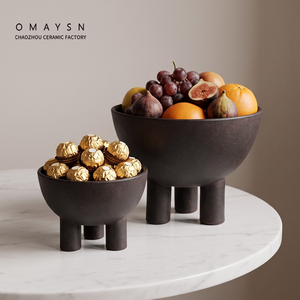
Direct-from-factory tableware engineered for high thermal shock resistance, heavy-duty commercial dishwashing, and refined aesthetic presentation across East African commercial venue networks.
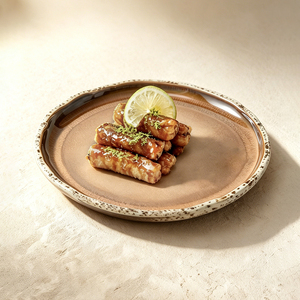
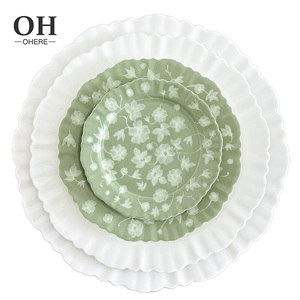
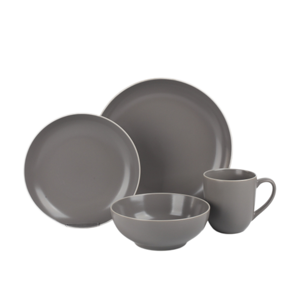
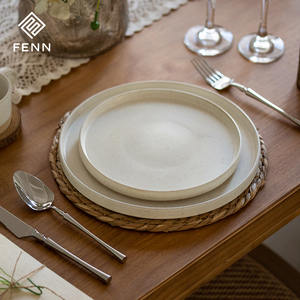
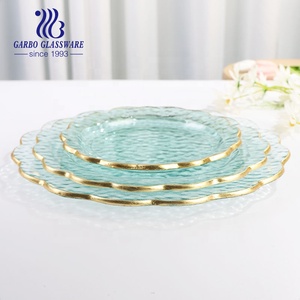
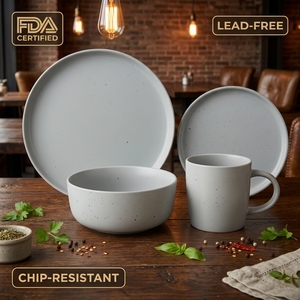
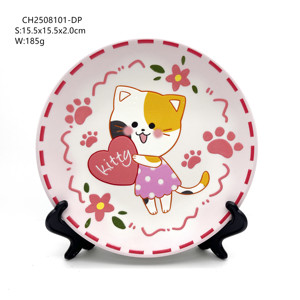
The Federal Democratic Republic of Ethiopia represents one of Africa's fastest-growing economies, driven by massive urbanization, infrastructure investments, and an expanding service sector centered around Addis Ababa, Hawassa, Dire Dawa, and Bishoftu. As foreign direct investment (FDI) transforms the commercial landscape and the domestic hospitality market expands, the demand for high-performance, durable ceramic dinnerware has reached an unprecedented juncture. Importers, hotel developers, institutional procurement officers, and consumer wholesale channels require clear engineering insights to navigate supplier selection effectively.
Historically, the Ethiopian commercial tableware market relied heavily on basic low-fired earthenware or imported melamine products. However, economic maturity and elevated consumer expectations have exposed the high total cost of ownership (TCO) associated with inferior table ceramic bodies. Fragile earthenware exhibits high water absorption (>3%), making it prone to thermal cracking under severe kitchen operations, glaze crazing, and chemical erosion caused by highly acidic traditional dishes containing berbere spice blends, clarified butter (niter kibbeh), and lemon marinades.
Data across East African procurement hubs shows a decisive shift toward high-fired vitrified stoneware (>1250°C firing temperature) and reinforced commercial bone china. Ethiopian buyers are increasingly specifying non-porous ceramic bodies that offer zero moisture retention, superior edge-chip resistance, and 100% compliance with international safety benchmarks including FDA (USA), Regulation (EC) No 1935/2004, and the Ethiopian Standards Agency (ESA) parameters.
Furthermore, domestic retail dynamics are undergoing structural modernizations. The growth of multi-tier shopping centers in Bole, Kazanchis, and Merkato has spurred demand for private-label ceramic gift sets, reactive glaze artisanal dinner sets, and custom-branded restaurant porcelain. Factory-direct partnerships that provide flexible Minimum Order Quantities (MOQs), customizable backstamps, and direct shipping logistics via the Ethio-Djibouti Transport Corridor present significant competitive advantages for local Ethiopian enterprises.
Tableware engineering is not a one-size-fits-all discipline. The functional demands placed on ceramic items vary dramatically based on culinary tradition, service environment, washing equipment, and ambient transport conditions. Our factory customizes body formulations, glaze thicknesses, and structural geometries for four primary Ethiopian operational environments:
International chains (such as those located in Kazanchis and Bole) require stackable coupe plates and deep rim bowls featuring high alumina reinforcement. These items must endure automated commercial dishwashers operating at elevated temperatures (>85°C) with harsh alkaline detergents without experiencing glaze dulling, scratching, or rim degradation.
Serving traditional Ethiopian cuisine—centered on large shared platters for Injera topped with various Wot (stews)—requires oversized round chargers (32cm to 38cm diameter) and deep sauce ramekins. Our vitrified stoneware provides exceptional structural strength, preventing warp during high-fire kilning while keeping meals warm due to superior thermal mass retention.
Ethiopia's rich coffee heritage demands specialized stoneware cups, sugar pots, and dessert side plates. Our reactive glaze matte series withstands daily thermal cycles from steaming hot espressos to cold wash cycles without micro-cracking, preserving the artisanal hand-crafted feel favored by contemporary urban coffee lounges in Hawassa and Addis.
Wholesale merchants serving regional markets in Dire Dawa, Gondar, and Mekelle demand high-volume 16-piece and 24-piece boxed dinnerware sets. We offer custom-designed retail packaging, drop-test-certified inner gift boxes, color-coded UPC barcodes, and permanent high-temperature backstamps displaying the importer's proprietary brand identity.
Understanding the physical properties of ceramic formulations is vital for procurement managers seeking to reduce breakage rates and ensure chemical inertness. The table below outlines the performance characteristics of our vitrified stoneware and porcelain compared to alternative commercial options:
| Material Parameter | Vitrified Stoneware (Factory Std) | High-Alumina Porcelain | Commercial Earthenware | Standard Melamine |
|---|---|---|---|---|
| Firing Temperature | 1250°C – 1280°C | 1320°C – 1350°C | 1000°C – 1100°C | Non-fired (Plastic Resin) |
| Water Absorption Rate | < 0.2% (Impervious) | < 0.05% (Vitrified) | > 3.0% (Porous) | 0% (Polymers) |
| Thermal Shock Tolerance | Up to 180°C ΔT | Up to 200°C ΔT | Max 110°C ΔT | Not Oven/Microwave Safe |
| Spice Acid Stain Resistance | Exceptional (Non-reactive) | Exceptional (Non-reactive) | Moderate (Prone to crazing) | Poor (Yellows over time) |
| Microwave & Oven Safety | 100% Safe (Freezer to Oven) | 100% Safe | Conditional (Absorbs water) | Hazardous (Toxic migration) |
| Heavy Metals (Pb/Cd) | 0.0 mg/L (ISO 6486 Pass) | 0.0 mg/L (ISO 6486 Pass) | Risk of leaching | Formaldehyde Risk |
Leveraging three decades of ceramic manufacturing excellence, our industrial footprint seamlessly blends European ceramic technology with scalable, cost-optimized production lines. Our manufacturing ecosystem in Mortágua, Portugal, coupled with strategic Global B2B supply logistics, provides Ethiopian enterprise partners with unmatched quality control:
Our dedicated team of chemical ceramic engineers develops proprietary glazes spanning glossy translucent finishes, reactive matte textures, textured sesame speckles, and metallic rims. Every glaze formula is subjected to rigorous toxicity and dishwasher longevity testing.
Protect and elevate your brand identity. We execute high-precision backstamping—engraved directly into the plaster mold or underglaze transfer printed—ensuring your company logo, country of origin, and care instructions remain permanent through decades of wash cycles.
We manage containerized freight forwarding from factory loading directly to the Port of Djibouti, facilitating smooth customs transit along the Addis Ababa highway corridor. Freight options include FCL (Full Container Load) and LCL consolidations with palletization wrapped in moisture-resistant film.
Direct answers to common technical, logistical, and commercial inquiries raised by procurement officers, trade importers, and hotel project leads in Ethiopia:
Our stoneware dinnerware is fired at temperatures exceeding 1250°C until the clay body vitrifies into a dense, non-porous glass-like structure (<0.2% water absorption). The chemical matrix of our glazes is completely inert, meaning acidic compounds (such as tomato, lemon, and red pepper capsaicin) cannot penetrate the surface, preventing staining, odor absorption, or glaze degradation over prolonged exposure.
Production lead times generally range between 30 to 45 days depending on project complexity and order volume. Maritime transit to the Port of Djibouti takes approximately 20 to 28 days depending on shipping lines. From Djibouti, inland freight via truck or rail to Modjo Dry Port or Addis Ababa customs terminals typically requires an additional 5 to 7 days.
Yes. Our in-house glaze laboratory can match physical Pantone color references, sample tiles, or digital design specs. Once an exact glaze match is formulated, we provide physical pre-production master samples for client sign-off before commencing full-scale factory manufacturing.
Every shipment follows rigorous export packaging protocols. Individual items are wrapped in protective tissue/bubble wrap, packed into 5-ply double-wall corrugated master cartons, and secured on fumigated ISPM-15 wooden or plastic pallets. Pallet corners are reinforced with heavy-duty cardboard edge-protectors, shrink-wrapped, and strapped to guarantee zero movement inside ocean containers.
We provide full documentation suites required by the Ethiopian Conformity Assessment Enterprise (ECAE) and Ethiopian Customs, including Certificates of Origin (COO), Commercial Invoices, Detailed Packing Lists, Bills of Lading (BOL), ISO 9001:2015 certificates, and independent lab test reports confirming zero lead and cadmium leaching (Food Contact Safety Declarations).
Yes. While our standard mass-production MOQ is 1,000 pieces per shape/color, we maintain dedicated production windows for boutique hotel projects, high-end fine dining venues, and trial retail orders, offering flexible combined container loads across multiple SKU selections.
Partner directly with a certified stoneware manufacturer. Consult with our technical ceramics engineering team today to request physical samples, custom glaze matching, or a comprehensive wholesale quotation tailored for the Ethiopian market.