Engineered for extreme thermal shock resistance, low porosity, and high-frequency commercial usage across North American dining & retail sectors.
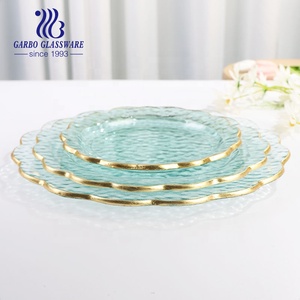
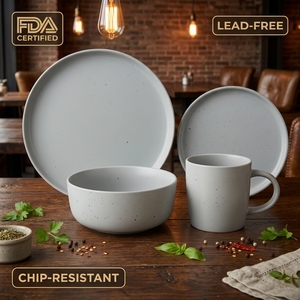
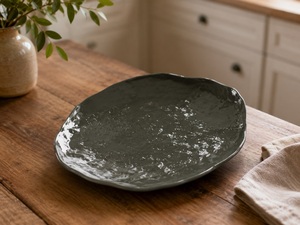
The United States commercial tableware and ceramic dinnerware ecosystem is undergoing a dramatic structural transformation. Driven by shifting consumer preferences in fast-casual dining, elevated home entertaining trends, and stringent regulatory demands surrounding food safety, procurement directors across North America require specialized manufacturing partners rather than generic commodity vendors. As a premier ceramic bowls supplier and exporter to the United States, our operational footprint leverages three decades of European stoneware mastery from Mortágua, Portugal, to deliver institutional-grade tableware tailored for high-volume US distribution channels.
Commercial procurement teams face multifaceted operational challenges: high breakage rates during thermal cycling in commercial dishwashers, micro-cracking leading to bacterial absorption, glaze erosion under heavy abrasive sanitizers, and unpredictable supply chain disruptions from traditional Asian sourcing hubs. Resolving these friction points demands a foundational understanding of ceramic material science, vitrification physics, and regional US market dynamics.
Not all ceramic formulations are created equal. The physical integrity of a ceramic bowl depends directly on its firing temperature, clay formulation, and vitrification ratio. Earthenware is fired at lower temperatures (typically 1000°C to 1150°C), resulting in a porous body (3% to 10% water absorption) that relies entirely on its glaze layer for moisture protection. Once chipped, earthenware rapidly absorbs liquids, leading to crazing, structural fatigue, and sanitary hazards in commercial kitchens.
In contrast, our specialized commercial stoneware is engineered using dense, high-silica stoneware bodies fired at extreme thermal points reaching up to 1280°C (2336°F). This intense firing process completely vitrifies the internal matrix, reducing water absorption to under 0.5% (ASTM C373 standard). The resulting ceramic body exhibits exceptional physical benefits:
| Material Classification | Firing Temp (°C) | Water Absorption Rate | Thermal Shock Resistance | Commercial US Suitability |
|---|---|---|---|---|
| Commercial Vitrified Stoneware | 1250°C – 1280°C | < 0.5% (Vitrified) | High (ΔT ≥ 200°C) | Optimal (Retail & HORECA) |
| Standard Earthenware | 1000°C – 1150°C | 5.0% – 10.0% | Low (ΔT ≤ 110°C) | Poor (High breakage risk) |
| Soft Paste Porcelain | 1200°C – 1230°C | < 1.0% | Medium (Brittle edge risk) | Moderate (Formal Dining Only) |
| Commercial Hard Porcelain | 1350°C – 1400°C | < 0.1% | Very High | High (Premium Commercial) |
How top-tier US restaurant chains, hotel groups, and national home décor retailers utilize our engineered ceramic bowl solutions.
From California grain bowls to East Coast poke and ramen concepts, US fast-casual dining relies heavily on wide-rim, stackable stoneware bowls (24oz–36oz). Our scratch-resistant glazes prevent unsightly black cutlery marks caused by heavy stainless steel utensils.
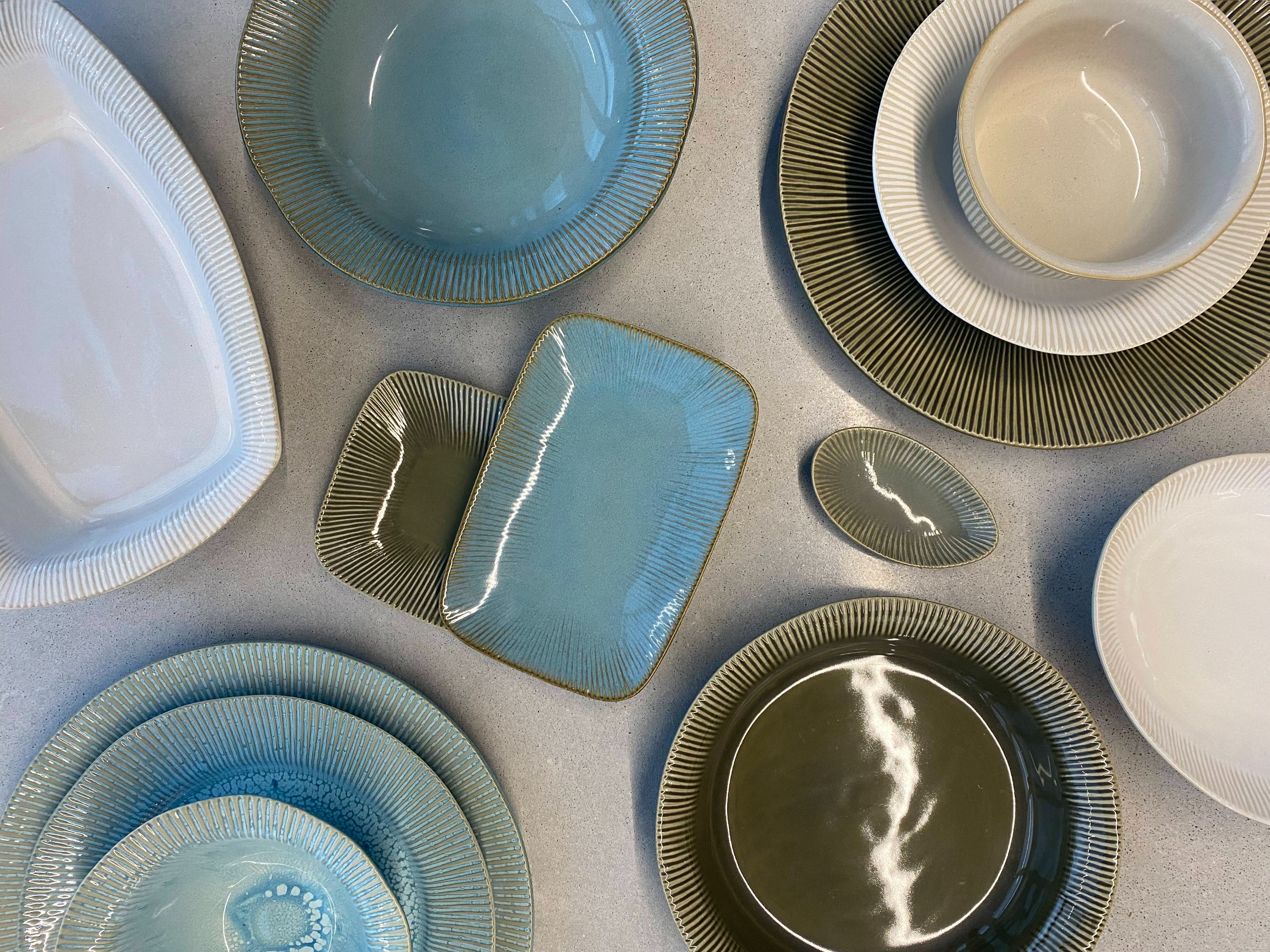
Major US specialty retailers demand custom reactive glaze finishes—where natural mineral shifts during firing create artisanal visual variance. We deliver full private labeling with engineered drop-test-approved packaging for Amazon FBA and DTC channels.
High-density luxury hotels requiring extreme thermal retention for hot soups and cold salad presentations benefit from our thick-wall stoneware designs. Dishwasher-tested to survive over 1,500 continuous commercial high-temp wash cycles without glaze dulling.
Exporting ceramic bowls into the United States demands absolute compliance with federal and state safety directives. Heavy metals such as Lead (Pb) and Cadmium (Cd) used in low-quality glaze colorants can leach into acidic foods (like tomato sauce or citrus dressings), posing severe health risks and legal liabilities for US importers.
Our ceramic formulations are strictly engineered in-house to exceed US safety thresholds:
For large-scale North American buying groups, standard off-the-shelf catalogues rarely fulfill specific branding aesthetic requirements or precise dimension constraints. Our operational facilities operate under a 100% OEM/Private-Label model, enabling complete customized manufacturing tailored to client technical drawings, 3D CAD files, or physical reference samples.
The visual signature of a ceramic bowl relies heavily on glaze execution. Our in-house chemical laboratory maintains a proprietary archive of more than 1,300 developed glazes. We categorize our glaze engineering into four core performance classes:
Formulated with mineral oxides (cobalt, iron, copper) that react organically during high-temperature reduction firing. Creates unique, artisanal tone variations where no two pieces are identical, highly sought after by premium US dining brands.
Developed specifically to eliminate the reflective glare under bright restaurant lighting while providing a silky, tactile surface. Enhanced with hard zircopax compounds to withstand metal cutlery friction without leaving dark trails.
Ultra-smooth glass-like surfaces engineered for rapid washing and zero food residue adhesion. Optimized for high-speed commercial conveyor dishwashers in institutional food service operations.
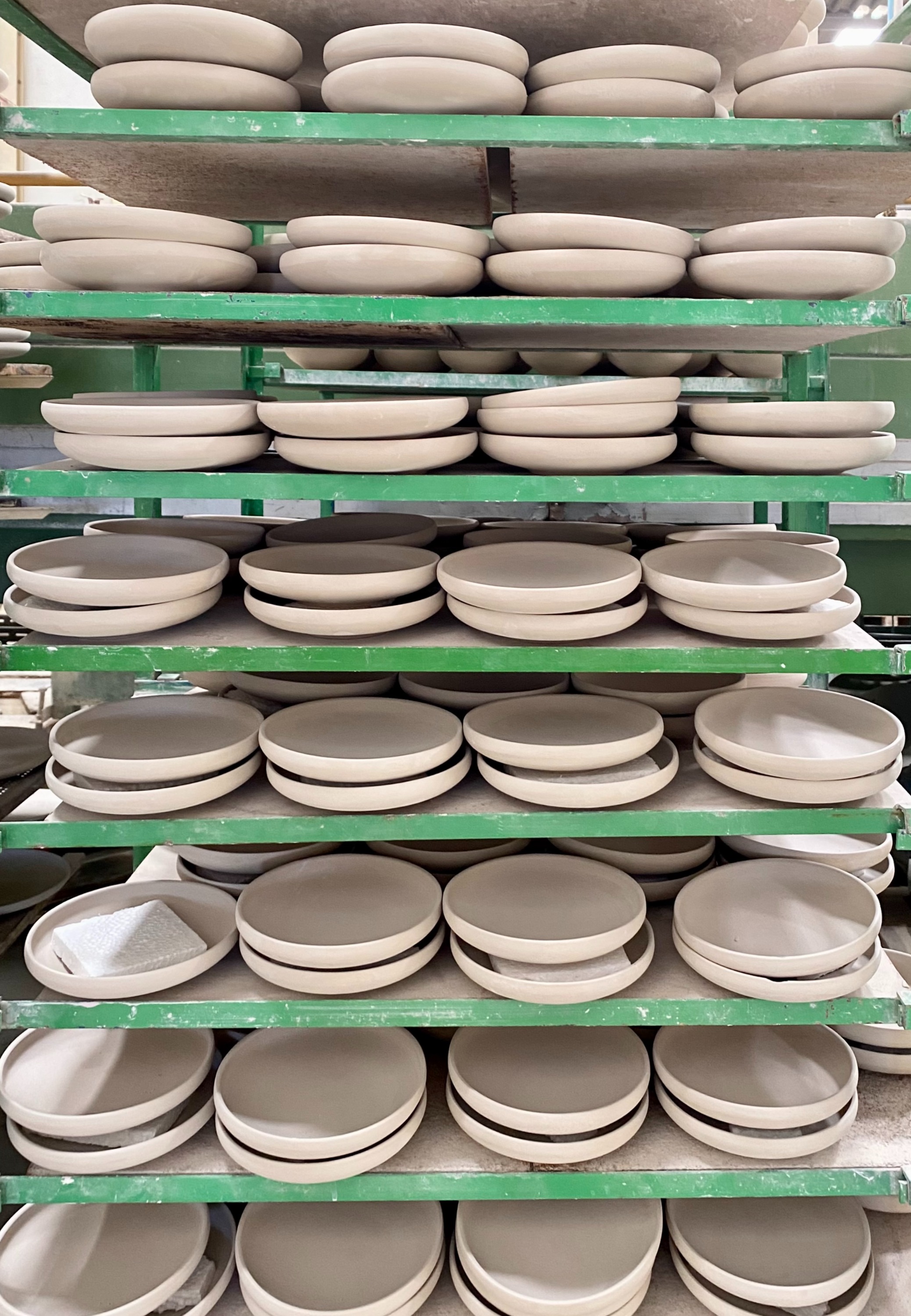
Space optimization is critical for US commercial kitchens and retail warehousing. Our engineering team utilizes precision plaster mould tooling to build subtle nesting step profiles into bowl bases. This ensures:
Modern US enterprise buyers and retail chains prioritize suppliers with verifiable environmental credentials. European manufacturing standards mandate strict ecological oversight, making our Portuguese facilities an ideal partner for sustainability-focused sourcing initiatives.
Direct answers regarding order minimums, US customs tariffs, sampling lead times, and private label customization.
Our standard production MOQ typically ranges from 1,000 to 3,000 units per shape/glaze design for custom OEM projects, depending on bowl dimensions and glaze complexity. For existing factory collections, lower trial volume MOQs can be accommodated to facilitate market testing.
We supply FOB (Free on Board) Port of Leixões/Lisbon or full DDP (Delivered Duty Paid) directly to your US distribution centers (e.g., Los Angeles, Long Beach, New York/New Jersey, Savannah). Our export team prepares all required ISF filings, FDA accession forms, and customs documentation for seamless port clearance.
Yes. All of our vitrified stoneware body formulations undergo rigorous laboratory testing to verify thermal shock stability (from freezer to hot oven), glaze hardness (resisting metal knife scratching), and resistance to harsh commercial dishwasher detergents without fading or pitting.
3D CAD design and plaster sample prototyping take approximately 2 to 3 weeks. Once sample approvals are finalized, mass production requires 6 to 8 weeks. Maritime freight from European ports to US East Coast ports typically takes 12–14 days, while West Coast transport takes approximately 22–25 days.
Absolutly. Our in-house chemical glaze laboratory can match specific Pantone colors or physical ceramic color swatches provided by your design team, ensuring exact brand alignment across your entire tableware lineup.