Market Analysis & Sourcing Intelligence
1. The Evolving Landscape of Ceramic Bakeware Imports in Morocco
The Kingdom of Morocco represents one of the most dynamic ceramic and kitchenware import hubs across North Africa. Driven by a robust expansion in commercial tourism, a thriving HORECA (Hotels, Restaurants, Cafes) sector in primary centers like Marrakech, Casablanca, Tangier, and Agadir, as well as shifting domestic consumer preferences, demand for high-performance ceramic bakeware has escalated rapidly over the past five years.
Historically, the Moroccan culinary domain relied heavily on traditional low-fired earthenware (such as traditional terracotta tagines and unglazed clay pots). However, modern hospitality establishments, bakery chains, and retail department stores are actively transitioning to high-fired vitrified stoneware and porcelain bakeware. This shift is motivated by three crucial technical imperatives:
- Hygiene and Food Safety Standards: Earthenware clay bodies exhibit porosity rates exceeding 5-10%, making them susceptible to oil absorption, bacteria retention, and glaze cracking under commercial dishwashing. Vitrified stoneware (<0.5% porosity) completely eliminates organic moisture ingress.
- Thermal Shock Endurance: Modern Moroccan kitchens bridge traditional slow-roasting techniques with rapid high-heat convection baking. High-borosilicate and 45% bone china kiln-glazes endure rapid ΔT temperature fluctuations up to 220°C without micro-fracturing.
- Dishwasher and Microwave Compatibility: Commercial hospitality operations require durable bakeware capable of enduring hundreds of industrial wash cycles at high alkalinities without glaze dulling, fading, or edge chipping.
Regulatory Sourcing Note for Moroccan Importers: All imported ceramic bakeware entering Moroccan ports (such as Tanger Med and Casablanca Port) must comply strictly with national health safety regulations enforced by ONSSA (Office National de Sécurité Sanitaire des Produits Alimentaires). Our manufacturing processes strictly conform to EU Directive 84/500/EEC and FDA food contact guidelines, guaranteeing non-detectable lead and cadmium release.
2. Localized Application Scenarios in Moroccan Cuisine & Baking Culture
Designing and exporting bakeware specifically for the Moroccan market demands a deep semantic understanding of regional cooking rituals, culinary preparations, and commercial baking environments:
A. Modernized Oven-Tagine & Casserole Adaptations
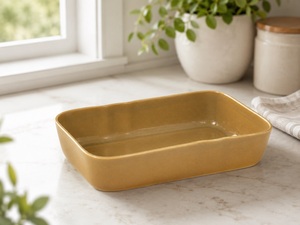
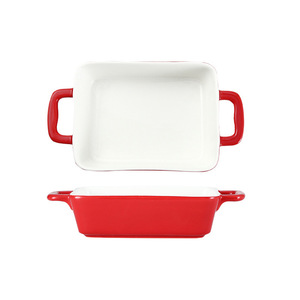
While conical clay tagines remain iconic for stovetop braising, luxury hotels and contemporary Moroccan restaurants increasingly utilize oblong and rectangular stoneware baking dishes for oven-baked tagines (e.g., Tagine Koura, baked lamb barkook, and seafood gratin). Stoneware retains heat exceptionally well, keeping dishes warm during extended banquet meal services.
B. Pastilla & French-Moroccan Fusion Patisserie
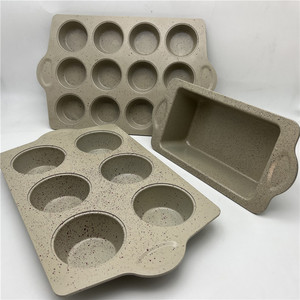
Morocco's rich historical connection with French baking has created a massive market for specialized baguette pans, tart dishes, and binaural baking trays. Professional patisseries in Rabat and Casablanca require baking pans that ensure uniform crust browning through balanced thermal conduction, eliminating hot spots that burn delicate filo pastry in Pastilla or French tarts.
C. Festive Ramadan Sourcing Spikes
Consumer purchasing of bakeware in Morocco peaks sharply during the months preceding Ramadan. Families and catering services seek high-capacity rectangular baking trays and casserole dishes designed for preparing heavy baked savory dishes, Harira accompaniments, and baked honey-sweetened pastries (like baked Chebakia variations).
D. Buffet & Hospitality Catering Displays
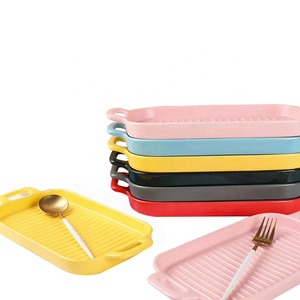
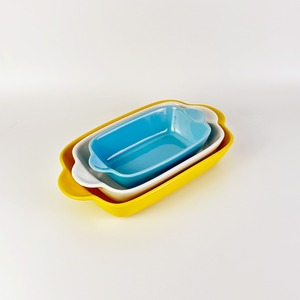
Resorts across Marrakech require aesthetic harmony. Our Nordic reactive glaze collections deliver custom aesthetic tones—from Mediterranean turquoise to warm terracotta gradients—allowing hot food to move seamlessly from kitchen ovens directly to luxury guest buffets.
3. Technical Performance Matrix: Earthenware vs. Stoneware vs. Borosilicate Bakeware
To assist procurement officers and brand buyers in making informed material choices for the Moroccan market, the table below contrasts physical properties across ceramic material categories:
| Material Parameter |
Traditional Terracotta |
Commercial Stoneware |
45% Bone China Glaze |
High-Borosilicate Ceramic |
| Firing Temperature |
900°C – 1050°C |
1250°C – 1300°C |
1220°C – 1280°C |
1280°C – 1350°C |
| Water Absorption Rate |
> 6.0% (Porous) |
< 0.5% (Vitrified) |
< 0.1% (Fully Vitrified) |
0.0% (Non-Porous) |
| Thermal Shock Tolerance (ΔT) |
110°C max |
180°C – 200°C |
200°C – 220°C |
250°C + |
| Chipping Resistance Index |
Low |
High (Reinforced Rims) |
Exceptional Strength |
Very High |
| ONSSA Food Contact Compliance |
Requires Heavy Sealant |
Native Compliance |
Native Compliance |
Native Compliance |
| Dishwasher Lifecycle |
< 100 cycles |
> 2,500 cycles |
> 3,000 cycles |
> 5,000 cycles |
4. OEM / ODM Factory Capabilities & Private Label Customization
As a leading ceramic bakeware manufacturer and global exporter, our integrated production line in Mortágua offers end-to-end original equipment manufacturing tailored to Moroccan brand requirements:
- Custom Backstamping & Branding: We apply client logo backstamps via high-temperature underglaze decals or base mould engraving. Your brand identity remains permanently fused to the ceramic base, resistant to abrasion and commercial washing.
- Glaze Chemistry Laboratory (1,300+ Recipes): Our in-house chemical engineers synthesize solid, glossy, matt, and reactive glazes. We precisely match pantone color specifications or custom regional colorways demanded by North African interior designers.
- In-House Mould Development & Prototyping: From 3D CAD drawings to physical plaster moulds, our turn-around time for custom shape sampling is among the fastest in the industry, enabling rapid seasonal product launches.
- Eco-Optimized Kiln Firing: Our continuous tunnel kilns utilize heat-recovery technology and computerized atmosphere control, reducing carbon footprints while guaranteeing 100% vitrification and color consistency batch after batch.