Precision manufacturing, high-temperature vitrification, and customized glazes designed to meet Japan’s stringent JIS standards and elevated aesthetic requirements.
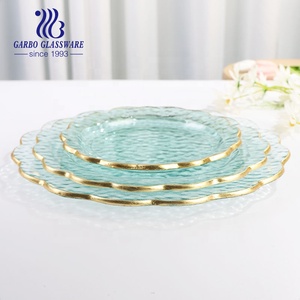
Designed for luxury hotel banquet halls and high-end wedding venues in Ginza and Roppongi. Features electroplated metallic rims with food-safe durability.
Get a Quote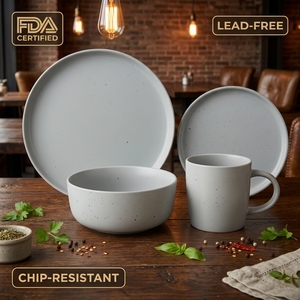
Vitrified, high-density grey stoneware engineered for commercial dishwasher resilience and thermal shock endurance in high-turnover Tokyo eateries.
Get a Quote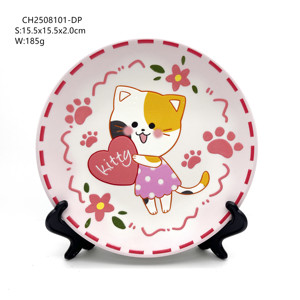
Custom tactile surface texturing ideal for boutique retail outlets in Shibuya and modern Izakayas seeking signature presentation dishes.
Get a Quote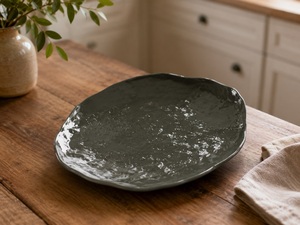
Rectangular architectural profile with micro-matte tactile glaze. Designed for minimal modern plating aesthetics popular across Omotesando dining spots.
Get a Quote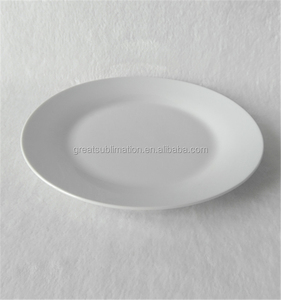
High-grade blank porcelain body optimized for custom backstamping and logo printing. Designed for retail chains and corporate promotional buyers.
Get a Quote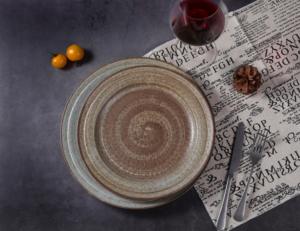
Combines European artisan glaze techniques with Japanese Wabi-Sabi organic silhouettes. Resistant to chipping and harsh commercial washing.
Get a Quote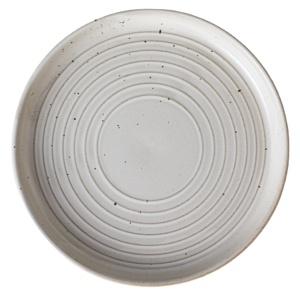
Vibrant semi-matt reactive yellow glaze crafted with natural mineral oxides. Ideal for fusion bistros, brunch spots, and lifestyle home stores.
Get a Quote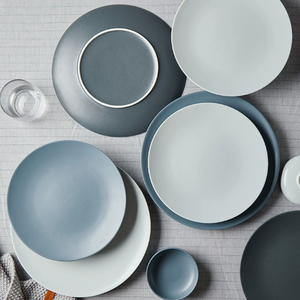
Underglaze hand-painted detailing sealed beneath a non-porous vitreous shield. Microwave, oven, and commercial dishwasher compliant.
Get a QuoteTokyo represents one of the world’s most demanding B2B markets for commercial tableware, hospitality stoneware, and private-label ceramic retail lines. Sourcing for Tokyo’s unique ecosystem requires a deep understanding of culinary traditions, space optimization standards, rigorous sanitation compliance, and distinct visual trends. As an established global manufacturer operating in Mortágua with over three decades of engineering expertise, we provide Tokyo-based buyers with direct access to European vitrified stoneware and custom OEM manufacturing.
Fired at temperatures exceeding 1250°C, our stoneware achieves complete body vitrification. This ensures ultra-low porosity (<0.5%), eliminating water retention, preventing bacterial growth, and providing maximum mechanical strength against rim chipping in commercial washing lines.
Our in-house R&D facility formulates bespoke reactive glazes, micro-matte textures, and high-gloss translucent finishes. We offer absolute visual customization while ensuring 100% heavy-metal-free compliance required by Japan’s Ministry of Health, Labour and Welfare.
From initial 3D rapid prototyping and custom master mould creation to consolidated container shipments bound for Yokohama and Tokyo Ports (Tokyo Wan), we streamline international supply chains with guaranteed batch-to-batch color consistency.
Tableware selection in Tokyo is fundamentally intertwined with the dining concept, physical spatial limitations, and specific operational demands. Here is how our engineered ceramics solve sector-specific challenges across Tokyo's key business districts:
| Tokyo Sub-Market / District | Primary Commercial Buyer Profile | Technical & Design Requirements | Recommended Ceramic Body & Glaze |
|---|---|---|---|
| Ginza & Marunouchi | Michelin-starred dining, upscale hotel restaurants, traditional refined Kappo establishments. | Organic tactile surfaces, matte reactive finishes, elegance aligned with traditional Wabi-Sabi and contemporary minimal plating. Must handle frequent fine-dining service handling. | Hand-finished Reactive Glaze Stoneware with organic rim profiles. Matte stone textures with high scratch resistance. |
| Shibuya & Omotesando | Modern fusion bistros, aesthetic lifestyle cafes, trendy brunch establishments, retail pop-ups. | Instagram-appealing visual contrast, unique color palettes (warm yellow, cement grey, deep turquoise), durable glaze resistant to cutlery marking. | Modern Geometric Stoneware Sets, 3D UV Printed accented dishes, micro-cement rectangular serving platters. |
| Shinjuku & Roppongi | High-capacity Izakayas, hotel banquet facilities, corporate event venues, international dining chains. | Extreme mechanical durability, high stackability for compact Back-of-House storage, rapid thermal shock recovery for fast commercial dishwasher cycles. | Fully Vitrified Solid Color Stoneware Plates with reinforced foot rims and anti-chipping edge geometry. |
| Nihonbashi & Depachika | Department store OEM private labels (Isetan, Mitsukoshi), retail tableware brands, gift box suppliers. | Exact dimension tolerances, custom backstamp branding, retail-ready gift packaging compliance, lead/cadmium safety certificates. | OEM Porcelain & Fine Stoneware collections with custom underglaze logo backstamps and bespoke box packaging. |
Understanding user intent and market direction is essential for procurement teams, hotel buyers, and retail category managers. Our technical development team continually aligns production with evolving Japanese market demands:
Contemporary Japanese chefs are increasingly pairing traditional Japanese cuisine with European-manufactured stoneware. The subtle contrast between earthy, high-fired ceramic textures and precise Japanese culinary assembly creates a compelling table presentation. Our reactive glazes provide the unrepeatable natural look of studio pottery with the uniform durability of industrial production.
Tokyo commercial kitchens famously operate under strict space constraints. Flatware and hollowware must stack securely without tipping or scratching adjacent surfaces. Our master mould design process specifically integrates calculated stacking lips and unglazed, polished foot rings to maximize vertical storage efficiency in tight urban dishwashing spaces.
Japanese buyers lead the global shift toward environmentally conscious supply chains. Our factory in Mortágua reclaims 100% of unfired clay waste, recycles production water through closed-loop filtration, and utilizes energy-efficient kiln heat recovery systems. Furthermore, all glazes are strictly certified free of Lead, Cadmium, and hazardous soluble metals.
Unlike general trading intermediaries, we operate direct industrial manufacturing facilities backed by ISO 9001:2015 quality management systems. Sourcing directly from our production site offers distinct strategic advantages for bulk ceramic procurement:
Every production batch undergoes automated and manual inspection for glaze thickness, thermal expansion matching, warping tolerance, and impact strength, ensuring zero defective pieces reach your destination warehouse.
We permanently fire your brand logo, corporate seal, or custom backstamp into the base of each piece during the high-temperature glost burn. The backstamp remains scratch-resistant and immune to commercial detergents indefinitely.
We handle export documentation, sea-freight container packing with high-crush-test palletization, and custom drop-test verified packaging tailored for international sea transit direct to Yokohama, Tokyo, or Kobe ports.
Here are technical and operational answers to common inquiries from Japanese commercial buyers, importers, and restaurant supply distributors:
Yes. All our ceramic formulations, glazes, and decorative pigments are thoroughly tested and certified compliant under Japan's Food Sanitation Act (Ministry of Health, Labour and Welfare). Official inspection documentation for lead, cadmium, and soluble heavy metal migration limits is provided per project shipment.
For fully custom shapes requiring dedicated master moulds, our typical starting MOQ ranges from 500 to 1,500 units per item depending on physical size. For standard shapes utilizing custom glaze color development from our 1,300+ library, lower order thresholds can be accommodated.
Our stoneware is fully vitrified at high temperatures (>1250°C), reducing water absorption to near zero (<0.5%). This high vitrification level prevents glaze crazing, micro-cracking, and moisture buildup that normally lead to breakage during rapid hot-water cycles and heavy-duty commercial cleaning in high-volume kitchens.
Initial sample preparation and 3D design approval take approximately 2 to 3 weeks. Full production runs typically require 4 to 6 weeks. Transit time via ocean container shipping from European ports to Yokohama or Tokyo Port averages 30 to 40 days, depending on carrier schedules.
Yes. Our dedicated glaze chemistry laboratory can match target physical samples, Pantone standards, or traditional Japanese color palettes (such as Oribe greens, Shino whites, or deep Tenmoku blacks) while ensuring long-term color stability across batch orders.
Connect directly with our engineering and export team. Send your custom shape drawings, glaze references, or project volume requirements today for a technical assessment and formal quotation.
Get a Quote