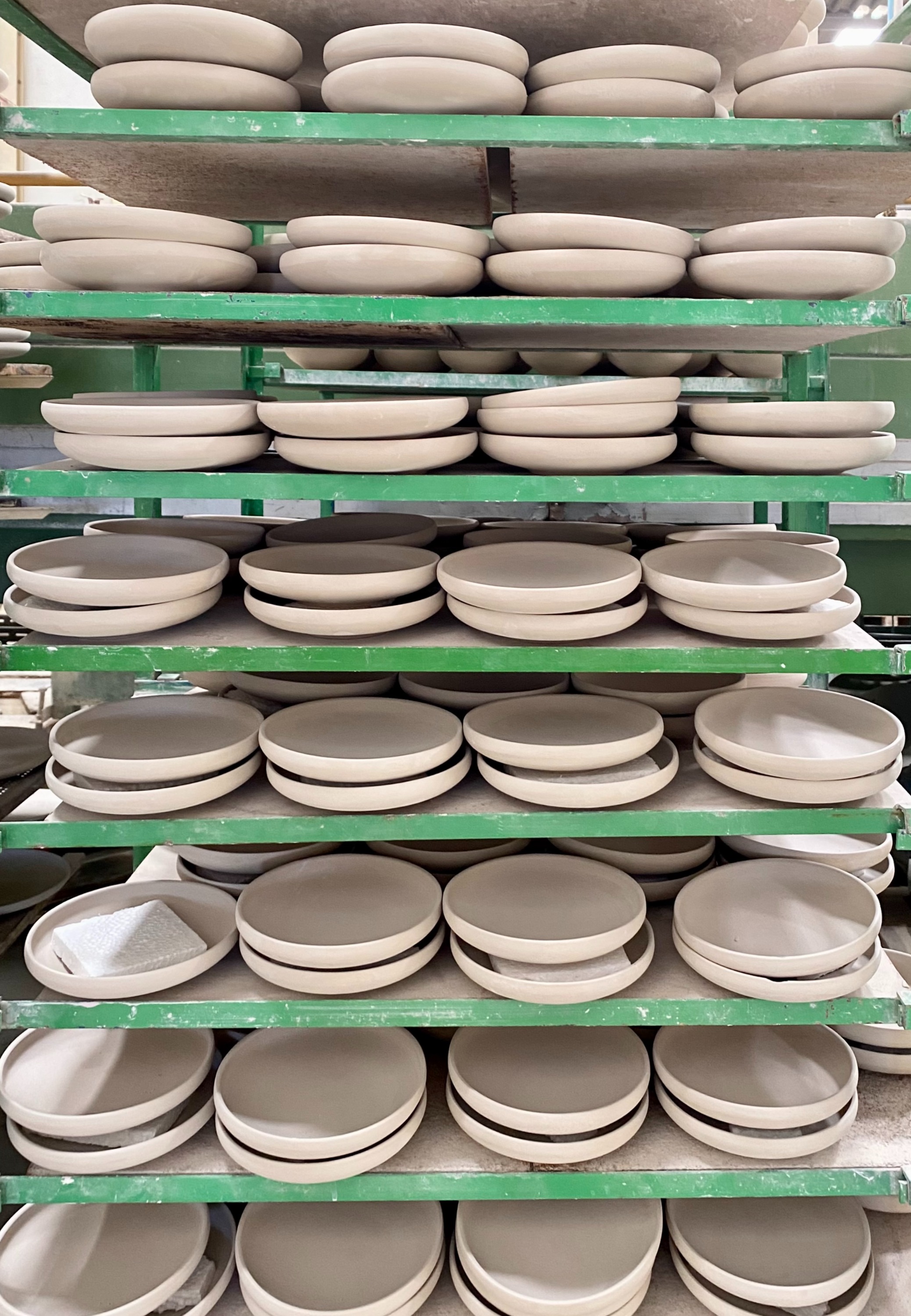
High-fired custom stoneware roasting pans entering the kiln
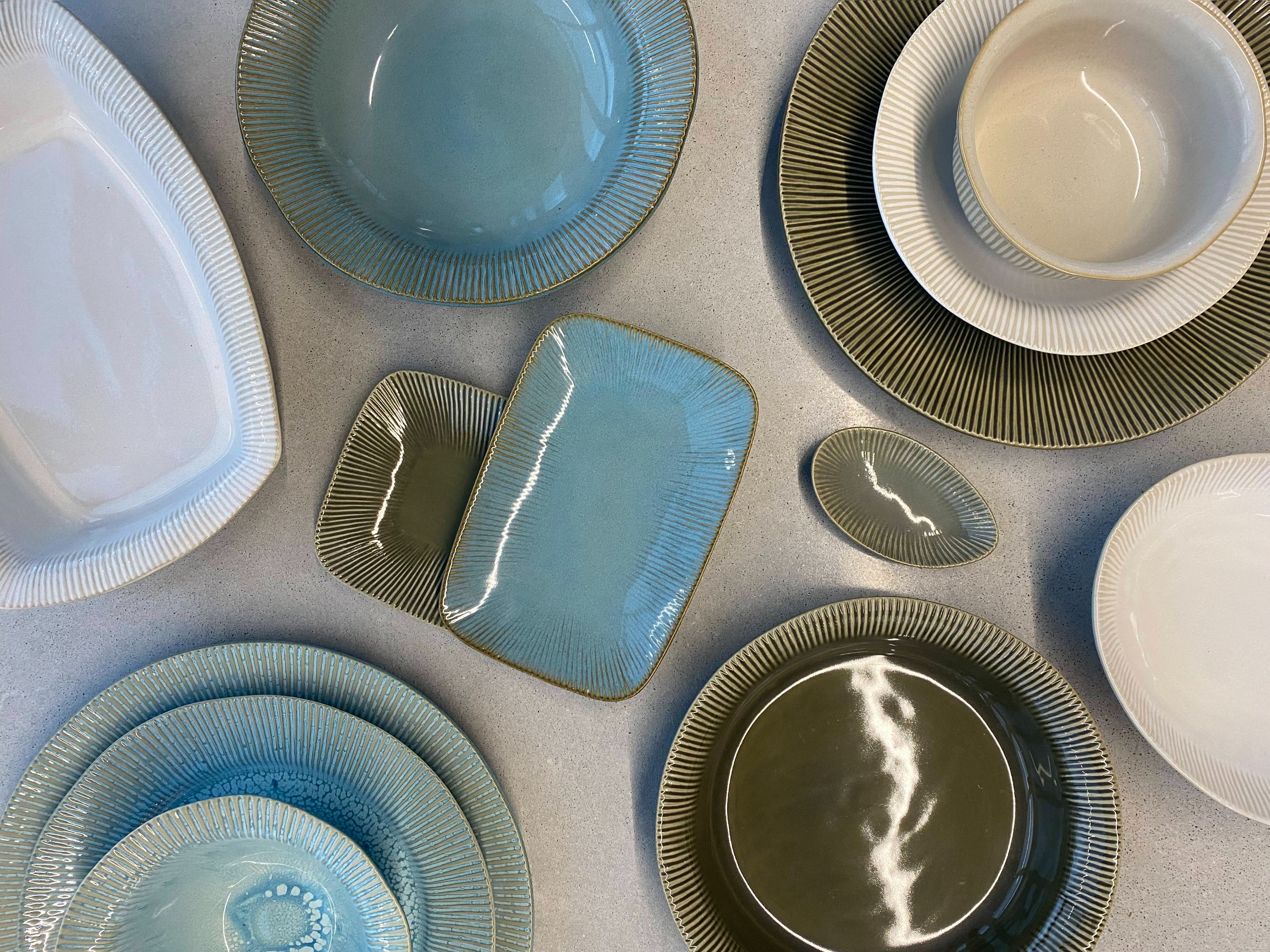
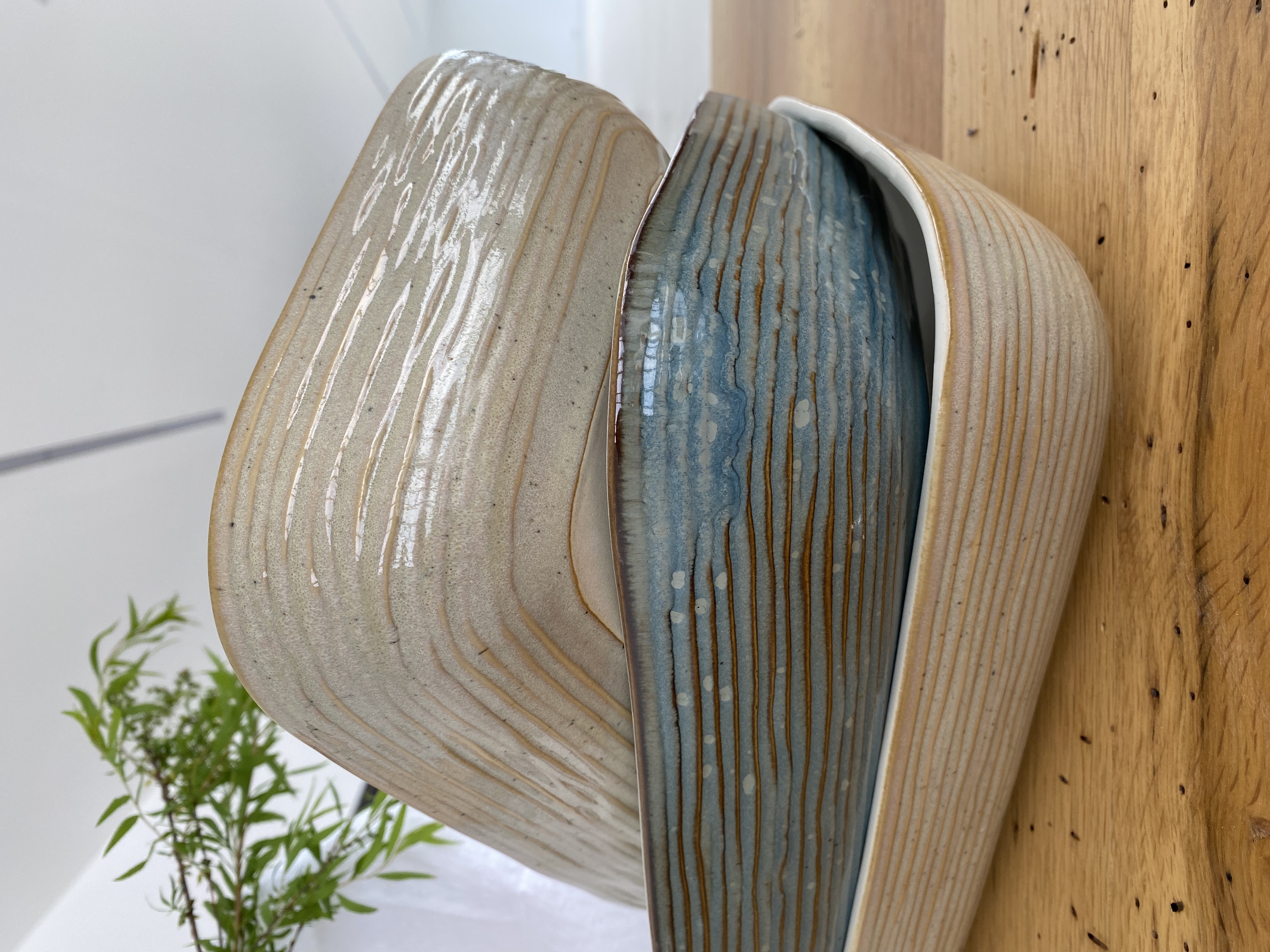
Custom stoneware baking dishes with reactive glaze finish
OEM & Private Label Ceramic Manufacturer · Mortágua, Portugal · Est. 1993

Custom Stoneware Cookware: The B2B Sourcing Masterclass

Engineering high-performance ceramic roasting pans, Dutch ovens, gratin dishes, and oven-to-table cookware for global retail, wholesale, and hospitality brands.

1180°C - 1250°CVitrification Firing
1,300+Custom Glaze Formulations
ISO 9001:2015Certified Quality System
100% OEMExclusive Private Label
Vitrified ceramic roasting pan engineered by Cerages in Portugal
Enterprise Sourcing Brief

Why Global Brands Specify Custom Stoneware Cookware from Mortágua

In the modern B2B kitchenware market, global procurement officers, culinary brand directors, and hotel chain buyers face a fundamental shift: consumers and commercial chefs demand kitchenware that is 100% non-toxic, aesthetically distinguished, and structurally resilient against severe thermal stress.

Operating from our 100% owned manufacturing complex in the industrial heartland of Mortágua, Portugal, Cerages, SA has spent over three decades perfecting the art and science of Custom Stoneware Cookware. As an exclusive B2B original equipment manufacturer (OEM) and private-label partner, we do not compete with our customers. Every mold we draft, every glaze we blend, and every kilned vessel we crate is dedicated entirely to expanding our clients' brand equity across North America, Europe, Asia, and Oceania.

< 0.5%Water Absorption Rate
ΔT 220°CThermal Shock Resistance
Zero PFAS/PFOA100% Mineral Glazes

Get Catalog

Material Science & Ceramic Engineering

The Material Superiority of Vitrified Portuguese Stoneware

Understanding the precise technical parameters of ceramic bodies is essential when specifying commercial-grade and premium retail cookware. Stoneware is not merely decorative ceramic; it is a high-density, vitrified structural material engineered to withstand the rigorous mechanics of thermal expansion, moisture barrier performance, and mechanical shock.

Stoneware vs. Earthenware Cookware

Earthenware is fired at lower temperatures (around 1000°C), leaving a porous internal clay body with water absorption rates exceeding 5-10%. Under high oven heat or freezer-to-oven rapid cycles, trapped moisture expands, causing micro-fracturing, glazing crazing, and structural failure. Cerages Custom Stoneware Cookware is fired in high-capacity continuous kilns at 1180°C to 1250°C. At this temperature, the clay minerals fuse completely into a glass-like vitrified structure with porosity dropping below 0.5%. This ensures complete impermeability to liquids, fats, and organic acids, making the cookware completely dishwasher, oven, microwave, and freezer safe.
Stoneware vs. Cast Iron & Aluminum

While cast iron offers high heat retention, it suffers from heavy tare weight, oxidation risk, and reactive metallic leaching when cooking acidic food items (tomato sauces, wine-based reductions). Aluminum and metallic cookware frequently rely on synthetic PTFE/PFOA non-stick coatings, which degrade under high heat and emit volatile organic compounds. Cerages stoneware cookware delivers natural, mineral-based heat distribution without hot spots. Its high thermal mass retains dish temperature for extended tabletop service, while our proprietary non-porous vitreous glazes create a natural, easy-to-clean surface without synthetic coatings.

Thermal Shock Engineering (ΔT Performance)

Cookware failure in both residential kitchens and high-volume commercial hospitality is overwhelmingly caused by thermal shock—the instantaneous expansion or contraction of the ceramic mass when transitioning rapidly between temperature extremes. Cerages engineers custom stoneware formulations using refined Portuguese ball clays, feldspar, and specialized low-expansion quartz fillers. Our cookware passes stringent international thermal shock protocols (including ISO 1183 thermal shock testing), surviving sudden temperature gradients (ΔT up to 220°C/428°F) without cracking or glazing spalling.

Custom Product Lines

Recommended Custom Stoneware Cookware Collections

Whether expanding an existing bakeware catalog or developing a ground-up signature ovenware line, our Mortágua technical team co-develops bespoke shapes, wall thicknesses, handle ergonomics, and glazes tailored to your brand identity.

Private label custom stoneware roasting pan with integrated handles

Custom Stoneware Roasting Pans

Deep-dish rectangular and oval roasting pans engineered with reinforced sidewalls and ergonomic integrated handles. Formulated for heavy poultry and roast meats, ensuring even heat diffusion, natural caramelization, and thermal stability up to 260°C (500°F).

Heavy-duty stoneware Dutch ovens and covered casseroles

Stoneware Dutch Ovens & Casseroles

Heavy-bottomed round and oval covered casserole dishes equipped with precision-fitted stoneware lids. Internal lid condensation spikes redistribute moisture evenly during slow roasting, braising, and stewing, delivering premium oven-to-table presentation.

Reactive glaze ceramic baking dishes and lasagna pans

Baking Dishes & Lasagna Bakers

Straight-sided square and rectangular bakers engineered for layered lasagna, gratins, and cobblers. Designed with stackable footings and scratch-resistant glazes that withstand metal cutlery, automated commercial dishwashing, and daily kitchen abuse.

Specialty stoneware cookware including pie dishes, ramekins, and tagines

Specialty Cookware & Bakery Items

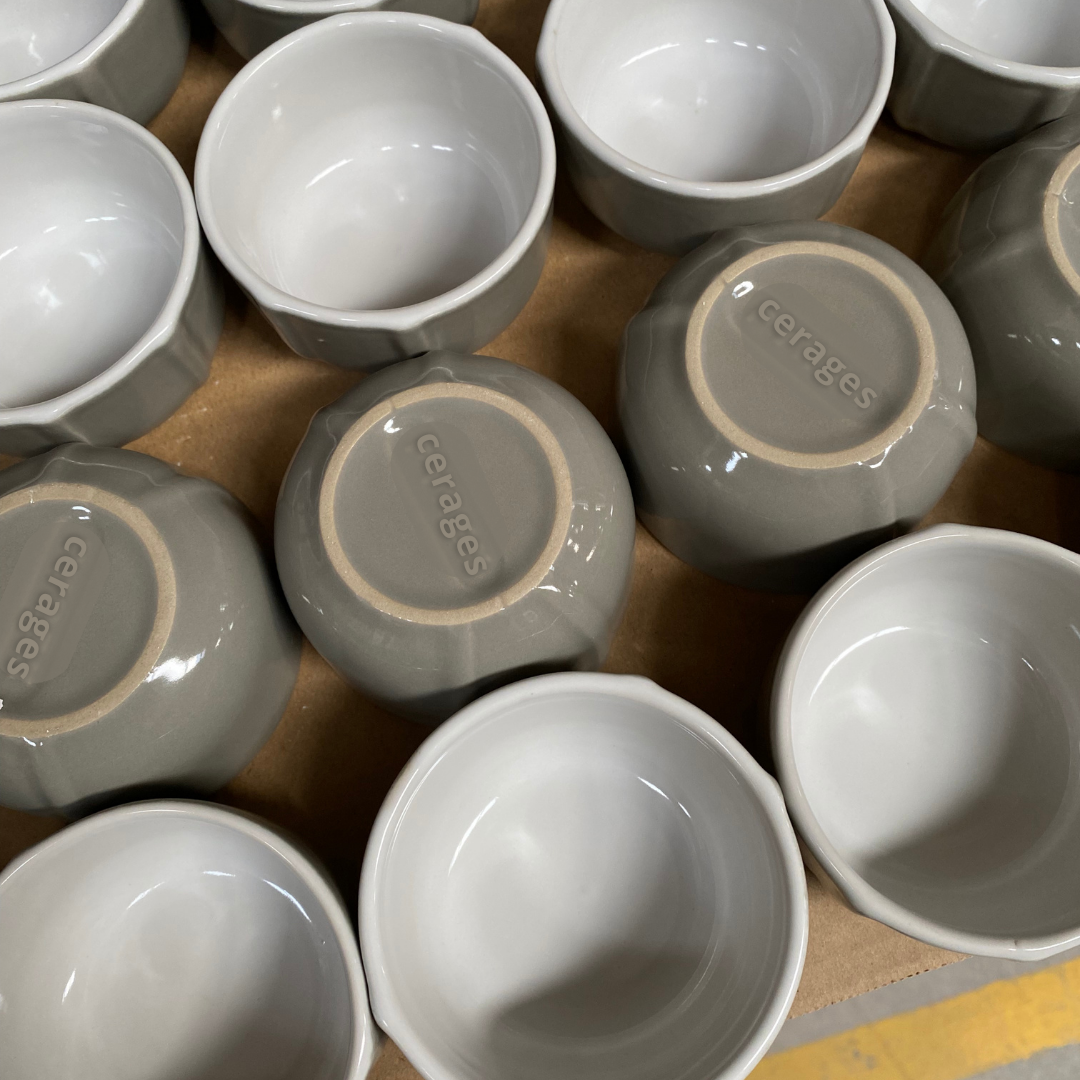
Fluted pie dishes, tart pans, mini ramekins, souffle dishes, and Moroccan-style tagines. Customized with specialized raw foot rings for thermal conductivity or fully glazed bases featuring your brand's permanent, heat-cured custom backstamp.

Get Catalog
Market Intelligence & Procurement Forecast

Procurement leadership requires looking beyond current seasonal catalogs. Our market intelligence team tracks emerging consumer behaviors, regulatory updates, and supply chain shifts to keep our OEM partners ahead of market disruptions.

1. The Rise of "Oven-to-Table" Multifunctionality

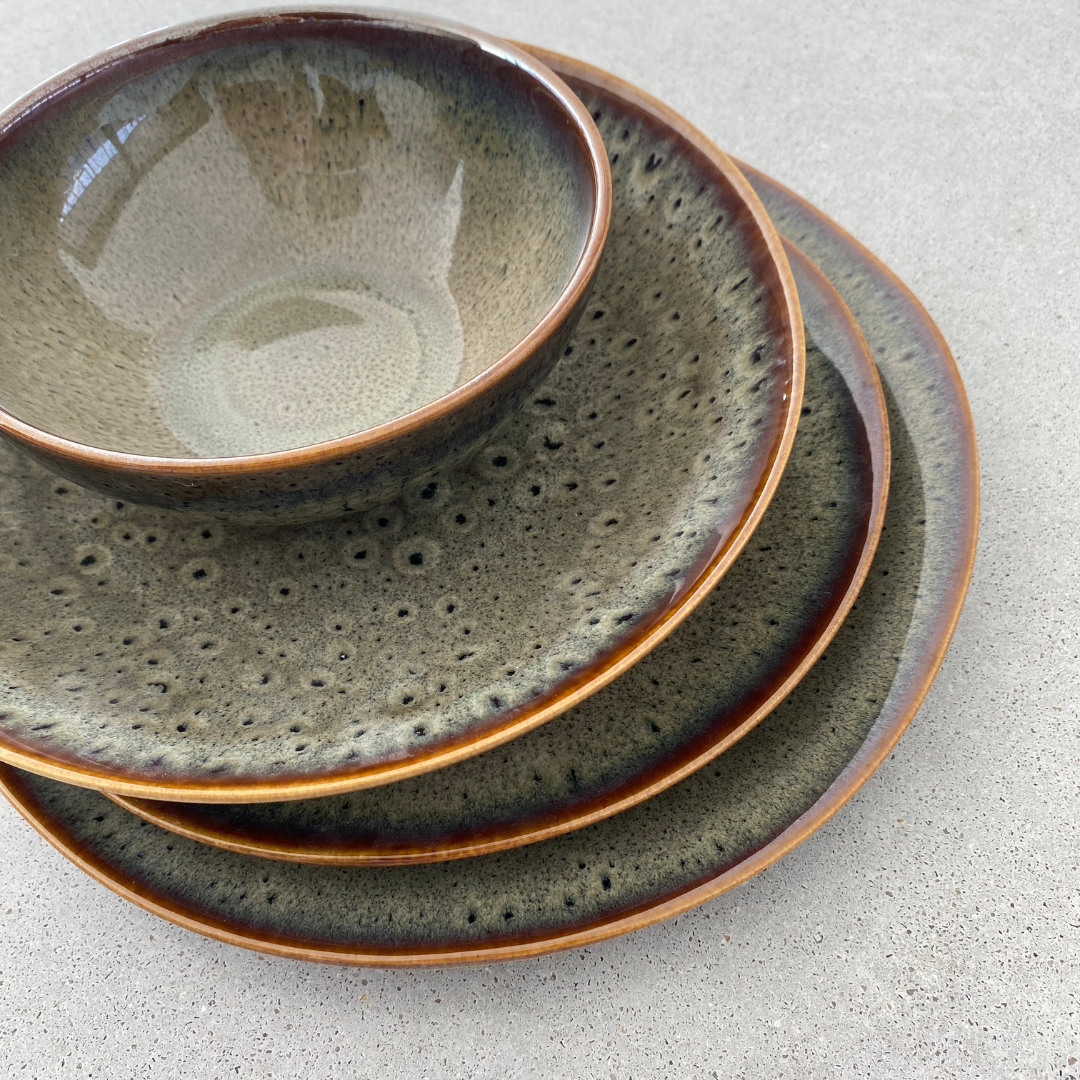
Modern consumers and hospitality operators are aggressively moving away from single-purpose cookware toward aesthetic "oven-to-table" serving cookware. Consumers want to bake a dish at 220°C and place it directly onto a formal dining table without transferring food to a serving platter. This trend demands tactile, decorative glazes—such as dual-tone reactive glazes, matte earth tones, and satin mineral textures—that perform impeccably under broiler heat while looking stunning in food photography and residential dining settings.

2. De-Risking Asian Supply Chains via European Nearshoring

Global supply chain volatility, sky-rocketing maritime freight rates, unexpected geopolitical tariffs, and rising anti-dumping duties on East Asian ceramics have forced major American and European brands to diversify their manufacturing footprint. Portugal has emerged as the premier European ceramic manufacturing hub due to its vast natural reserve of high-purity clays, skilled ceramic labor force, EU environmental standard compliance, zero cross-border trade friction within Western markets, and drastically reduced sea transit times (5–12 days to key transatlantic and European ports).

3. Absolute Non-Toxic Transparency & Environmental ESG

Regulatory agencies (US FDA, California Prop 65, EU REACH) are enforcing stringent limits on heavy metal leaching and chemical additives in food-contact items. At the same time, enterprise buyers face corporate ESG mandates to cut Scope 3 carbon emissions. Cerages leads the industry by operating closed-loop water filtration systems, recycling 100% of unfired clay waste back into the production mass, utilizing natural gas kilns with heat-recovery exchangers, and supplying certified 100% lead- and cadmium-free glazes.

In-house ceramic laboratory and glaze testing at Cerages Portugal
Enterprise Advantage

The Cerages Manufacturing Advantage in Portugal

Why leading global cookware brands, department store chains, and hospitality suppliers contract their custom stoneware production to Cerages:

  • 30+ Years of Focused Expertise: Manufacturing specialized stoneware in Mortágua, Portugal since 1993 with ISO 9001:2015 quality management certification.
  • 1,300+ In-House Glaze Library: Access to over 1,300 proprietary glaze formulations (reactive glaze, matte, satin, high-gloss, speckled, dual-dipped) plus bespoke color matching to Pantone or physical samples.
  • Integrated In-House Tooling & Mold Shop: 3D CAD modeling, rapid prototyping, and plaster/steel master mold fabrication performed 100% under one roof for accelerated development cycles.
  • Zero Brand Conflict (Pure OEM/Private Label): We do not market a competing consumer brand. Your designs, custom backstamps, shape geometries, and proprietary glazes remain strictly confidential.
  • End-to-End Compliance Certification: Full food-contact safety compliance documentation issued per production run (FDA, California Prop 65, EU Directive 84/500/EEC, Regulation EC 1935/2004).
Get Catalog
Engineering Rigor

From Raw Clay to Crated Pallet: The 5-Stage OEM Workflow

Stoneware cookware development requires precise calibration of volumetric clay shrinkage (typically 12-14%), thermal expansion coefficients, and glaze fit. Here is how we execute your custom project:

STAGE 01

CAD Drafting & Feasibility

Our engineers evaluate your 3D files or physical concepts for thermal stress distribution, wall thickness uniformity, lid seat tolerance, stacking ergonomics, and kiln stability.

STAGE 02

Master Tooling & Sampling

In-house mold makers craft master models and plaster tooling. Prototype samples are slip-cast or pressure-molded, bisque-fired, glazed, and delivered for client approval within 3–4 weeks.

STAGE 03

Glaze Chemistry & Decoration

Custom glazes are mixed in our laboratory. Backstamps—whether debossed into the mold or applied via high-fire ceramic decals—are permanently fused onto the unglazed base during firing.

STAGE 04

Vitrification Firing

Pieces undergo controlled high-temperature tunnel kiln firing (1180°C - 1250°C). Thermocouples monitor heat zones continuously to guarantee full body vitrification and structural strength.

STAGE 05

QA Inspection & Packaging

Every piece is inspected for dimensional tolerances, glaze consistency, and pinhole defects, then packaged into retail boxes or ISTA-tested e-commerce drop-ship packaging.

Explore Our Full Manufacturing Process

Sustainable forestry and eco-friendly manufacturing commitment at Cerages
Eco-Engineered Manufacturing

Sustainable Stoneware Cookware for Conscious Brands

Stoneware is inherently sustainable: unlike disposable non-stick pans with toxic flaking coatings, high-fired vitrified stoneware lasts for generations. At Cerages, we reinforce this durability through zero-waste raw clay recycling, 100% industrial water treatment and recirculation, energy-efficient heat recuperation systems on our kilns, and plastic-free recyclable paper packaging solutions.

Get Catalog

Procurement Knowledge Base

Custom Stoneware Cookware Sourcing FAQ

Detailed responses to the technical, logistical, and compliance questions most frequently asked by global procurement teams, sourcing agents, and brand developers when choosing a custom stoneware cookware manufacturer.

Stoneware is fired at significantly higher temperatures (1180°C to 1250°C) than earthenware (around 1000°C). This intense heat causes the clay matrix to vitrify, reducing water absorption to under 0.5%. The resulting non-porous body resists thermal shock, mechanical chipping, and bacterial absorption, while distributing heat evenly without the hot spots common in thin metals. Additionally, stoneware glazes are 100% mineral-based and completely free from synthetic chemicals such as PTFE, PFOA, and PFAS found in metallic non-stick coatings.
All raw materials, clay bodies, and glaze formulations developed at Cerages undergo rigorous third-party laboratory testing. We guarantee compliance with international food-contact laws, including US FDA Compliance Policy Guides, California Proposition 65, European Regulation (EC) No 1935/2004, and EU Directive 84/500/EEC. Formal heavy metal leaching certificates (confirming zero lead and cadmium release) are issued for every production batch upon request.
Our custom stoneware cookware is formulated to withstand rapid temperature changes. We test pieces according to BS EN 1183 and ISO thermal shock testing protocols. The cookware is heated to 220°C (428°F) in an industrial oven and immediately submerged in 20°C cold water. Items pass only when they exhibit zero structural cracking, micro-fissures, or glaze crazing, ensuring reliable performance in freezer-to-oven consumer applications and commercial kitchens.
Yes. We specialize entirely in private-label OEM manufacturing. Brand logos and origin marks ("Made in Portugal") can be debossed/embossed directly into the base mold, or applied via high-fire ceramic decals that permanently fuse into the glaze during high-temperature firing. Furthermore, our glaze laboratory holds over 1,300 existing colors and can custom-match any Pantone shade, physical sample, or signature reactive finish.
Standard MOQs generally start at 1,000 pieces per shape/color combination depending on size and complexity. For new custom shape developments, 3D CAD modeling and technical review require 5–7 working days; sample mold creation and glaze trials take 3–4 weeks. Once samples are approved, mass production lead times are typically 6–8 weeks from deposit receipt to FOB exit port.
Yes. Because our stoneware body is fully vitrified (non-porous), moisture cannot penetrate the ceramic interior. This prevents localized steam pressure build-up in microwaves, cracking in freezing temperatures, and water absorption during high-pressure dishwashing cycles. All standard Cerages cookware lines are certified safe for oven (up to 260°C / 500°F), microwave, freezer, and commercial dishwashers.
Sourcing from Portugal eliminates anti-dumping tariffs currently imposed on Asian ceramic imports into North America and the EU. Transit times from Portuguese ocean ports (Leixões and Sines) to major US East Coast ports are just 10–14 days, compared to 35–50 days from Asian ports. Additionally, European production guarantees strict compliance with EU labor standards, REACH environmental regulations, and zero cross-border trade friction within the single European market.
Technical Sourcing Hub

Explore Technical Capabilities & Product Guides

Access specialized technical documentation prepared for procurement managers, brand buyers, and ceramic engineers.

Custom stoneware cookware private label collection ready for export packaging
Start Your Custom Cookware Project

Partner with Europe's Leading Custom Stoneware Cookware Producer

Bring your sketches, 3D renderings, or project specifications directly to our engineering team in Mortágua, Portugal. You will work directly with experienced ceramic technicians, master mold makers, and glaze chemists who turn complex designs into market-ready cookware collections.