
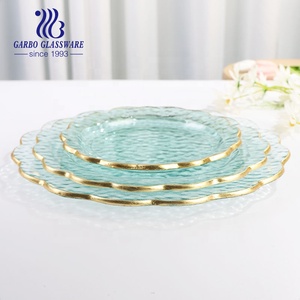
 Banquet & Event
High-density vitrified stoneware and specialty serving pieces crafted to withstand thermal shock, mechanical impact, and intensive commercial dishwashing environments.
Banquet & Event
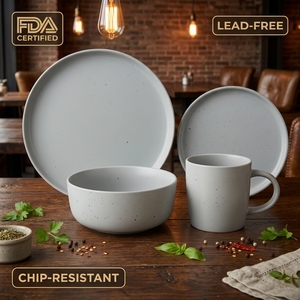 Hotel Standard
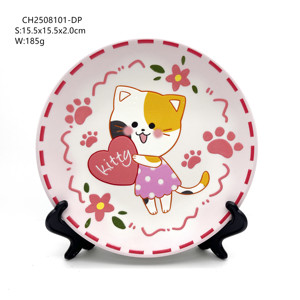 Bespoke Design
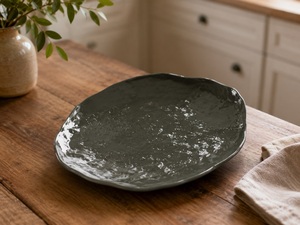 Rustic Modern
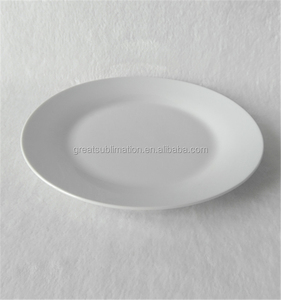 Custom Printed
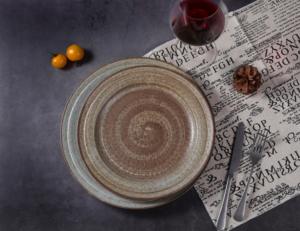 Fine Dining
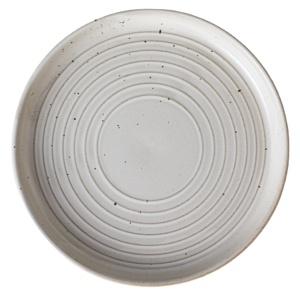 Bistro Collection
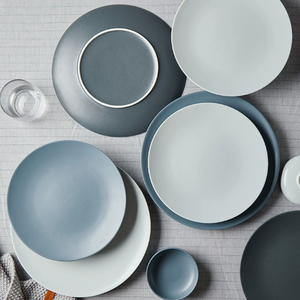 Artisan Glaze
Operating from our specialized manufacturing complex in Mortágua, Portugal, Cerages SA has established the benchmark for high-performance commercial stoneware since 1993. As an ISO 9001:2015 certified manufacturer, we exclusively focus on OEM and private label partnerships, transferring technical innovation directly to international hospitality brands.
From initial CAD sketch development and 3D plaster prototyping to mold creation, glaze formulation, and tunnel kiln firing, all manufacturing steps take place within our single facility in Mortágua. This prevents quality leakage and drastically reduces lead times for bespoke hotel commissions.
Commercial hotel crockery must satisfy strict structural stress parameters. Our high-fired stoneware body achieves complete vitrification, ensuring zero liquid absorption, superior thermal shock tolerance (ΔT > 180°C), and resistance to surface scratching from stainless steel cutlery.
Our ongoing material R&D maintains a proprietary glaze library containing over 1,300 developed recipes across solid, reactive, matte, and glossy finishes. Our chemical engineering team matches any Pantone color or physical sample while ensuring food-safe, lead- and cadmium-free compliance under EU Directive 84/500/EEC and US FDA standards.
Selecting the appropriate ceramic material impacts long-term replacement costs, thermal performance, and culinary presentation. Here is how high-fired Portuguese stoneware compares to alternative bodies.
| Performance Standard | High-Fired Portuguese Stoneware (Cerages) | Standard Hotel Porcelain | Commercial Earthenware / Terracotta |
|---|---|---|---|
| Firing Temperature (°C) | 1,250°C – 1,280°C | 1,300°C – 1,400°C | 950°C – 1,100°C |
| Body Vitrification & Porosity | < 0.5% (Non-porous) | < 0.2% (Non-porous) | 3.0% – 10.0% (Porous) |
| Thermal Shock Resistance (EN 1183) | High (Freezer-to-Oven Safe) | Moderate (Requires Gradual Heat) | Low (Cracks easily) |
| Glaze Depth & Aesthetic Customization | Ultra-High (1,300+ Reactive Glazes) | Limited (Mostly Plain Solid White) | Moderate |
| Edge-Chipping Resistance (BS 4034) | Exceptional (Aluminous Reinforcement) | High | Poor |
| Commercial Dishwasher Cycle Life | 5,000+ Industrial Cycles | 5,000+ Industrial Cycles | < 500 Cycles |
| Total Cost of Ownership (TCO 3-Yr) | Optimal (Low Replacement Rate) | Higher Initial Acquisition Cost | High (Frequent Breakage) |
As luxury hotel chains, Michelin-starred restaurants, and high-volume resort operators adapt to shifting guest expectations, tableware procurement strategies are undergoing four major paradigm shifts.
Modern luxury diners seek emotional and sensory connections with culinary presentations. Strict white porcelain is increasingly replaced by handcrafted, rustic-elegant stoneware featuring reactive glazes. These glazes undergo crystallization during kiln firing, resulting in subtle organic variations where no two plates are identical while keeping exact stackable dimensional tolerances.
Hospitality operations require crockery that streamlines kitchen logistics. High-density stoneware acts as a thermal reservoir, retaining food serving temperatures significantly longer than thin porcelain. Furthermore, oven-to-table functionality allows kitchen staff to prep, bake, flash-salamander, and serve in the same vessel, reducing washing cycles and kitchen labor overhead.
ESG mandates across international hotel chains require suppliers to prove sustainable practices. Advanced exporters like Cerages are leading this transformation by implementing closed-loop water filtration systems, recycling 100% of unfired raw clay scraps back into the slip preparation phase, and optimizing heat-exchange tunnel kilns to lower carbon footprints per piece.
How modern material science and precise OEM backstamping are redefining corporate identity and durability for global hotel brands.
Hotel brands no longer accept superficial screen-printed logos that wear away after commercial dishwashing cycles. Exporters utilize debossed mould stamping or high-fire in-glaze decals fused at 1,250°C. The corporate logo, origin mark, or project code becomes an indelible component of the ceramic body, guaranteed for the product's entire operational lifecycle.
Mechanical impact testing reveals that 82% of commercial crockery failure occurs along plate rims during high-speed handling and dishwashing rack insertion. Exporters counter this through engineered edge thickness, specialized rim radii, and aluminum-oxide-enriched clay formulations that absorb physical impacts and minimize chipping.
Banquet storage and room service cart efficiency depend on reliable vertical stacking. Custom CAD molding allows hotel crockery manufacturers to engineer uniform foot rings and rim recesses that interlock securely, avoiding wobbling, reducing storage footprints by up to 35%, and preventing glaze abrasion caused by friction during transit.
Technical clarity on minimum order quantities, custom sample turnarounds, international food-contact safety compliance, and export logistics.
A: Both stoneware and porcelain are vitrified ceramic bodies fired above 1,200°C with water absorption rates below 0.5%. However, stoneware utilizes rich natural clays containing fine mineral inclusions that yield higher mechanical flexibility, superior thermal shock resistance, and richer reactive glaze possibilities, whereas porcelain relies on refined kaolin clay for pure white translucency.
A: Yes. Cerages operates exclusively on an OEM and private label basis. All custom shapes, glazes, retail packaging, and base backstamps are manufactured strictly to customer specification. Your finished hotel tableware carries your brand signature, protecting your commercial distribution channels.
A: All raw materials and glaze batches undergo stringent laboratory testing. Our finished stoneware products comply fully with EU Regulation (EC) No 1935/2004, Directive 84/500/EEC, and US FDA 21 CFR standards. Batch test declarations for lead and cadmium leaching are issued per project prior to dispatch.
A: Absolutely. In addition to our existing library of over 1,300 reactive and solid glazes, our in-house Mortágua glaze laboratory can formulate bespoke glaze colors matched to Pantone standards, physical fabric samples, or interior architectural finishes within 10 to 14 working days.
A: Products undergo ISTA 3A transit testing. We utilize high-density double-wall corrugated dividers, individual corner protectors, reinforced master cartons, and heat-treated ISPM-15 compliant wooden pallets wrapped in heavy-duty shrink film to ensure zero breakage during intermodal transit.
A: Initial 3D models and physical plaster samples are typically delivered within 2 to 3 weeks. Once sample approval and glaze lock-in are completed, mass production and container loading generally require 6 to 8 weeks depending on total order volume and glaze complexity.
Partner with Portugal’s premier stoneware export manufacturer. Connect directly with our engineering team in Mortágua to review technical drawings, request glaze samples, or receive a comprehensive quotation for your hospitality brand.