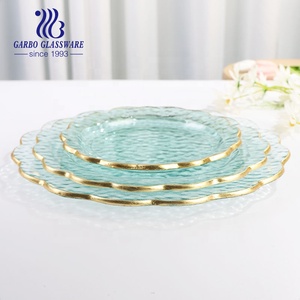
Explore our high-performance, oven-to-table ceramic lines engineered for wholesale importers, hospitality distributors, and premium retail brands.
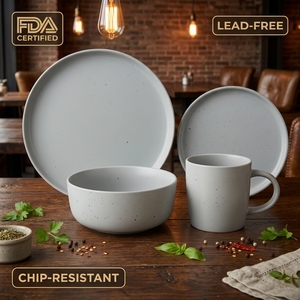
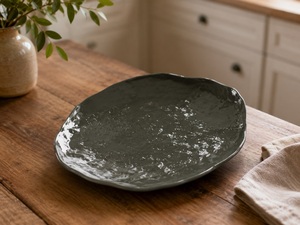
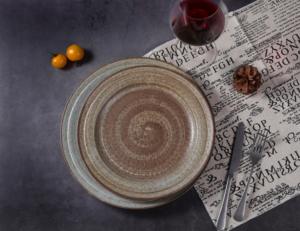
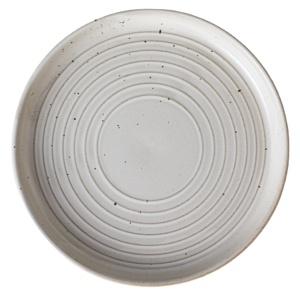
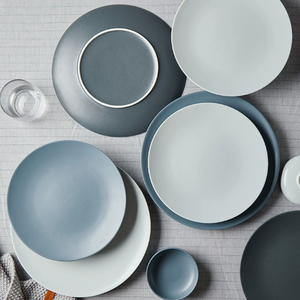
Operating from the historic industrial heart of Mortágua, Portugal, Cerages SA has established itself as a premier European original equipment manufacturer (OEM) and private-label innovator since 1993.
Every batch undergoes rigid metallurgical and ceramic testing. From raw clay vitrification index checks to automated edge-chipping tolerance evaluations, our ISO-certified workflows guarantee micro-level precision.
We operate purely as a business-to-business contract factory with zero consumer-facing brand conflict. Your proprietary mold geometry, backstamp artwork, and custom glazes remain strictly confidential.
Housing a master library of over 1,300 reactive, matte, high-gloss, and metallic glazes, our chemical engineers formulate bespoke surface finishes tailored to Pantone standards and food safety regulations.
Unlike standard earthenware or porous low-fire ceramics, commercial-grade stoneware produced by Cerages undergoes high-temperature vitrification inside advanced tunnel kilns at temperatures ranging from 1,180°C to 1,280°C (2,156°F to 2,336°F). This extreme thermal energy melts the constituent silica, feldspar, and kaolin clays, bonding them into a non-porous, dense monolithic body.
The resulting vitrified ceramic matrix exhibits a water absorption rate of under 0.5%. This technical parameter is vital for global hospitality buyers, commercial dishwashing cycles, and freezer-to-oven application safety, preventing moisture absorption that causes micro-cracking, thermal shock shattering, and bacterial growth within micro-fissures.
A detailed comparative analysis for procurement officers, product designers, and brand managers evaluating ceramic material selection.
| Performance Metric | Vitrified Stoneware (Cerages) | Porcelain | Earthenware / Terracotta |
|---|---|---|---|
| Firing Temperature Range | 1,180°C – 1,280°C | 1,200°C – 1,400°C | 900°C – 1,100°C |
| Water Absorption Rate | < 0.5% (Vitrified) | < 0.1% (Vitrified) | 5.0% – 12.0% (Porous) |
| Thermal Shock Tolerance (ΔT) | High (up to 220°C differential) | Moderate to High | Low (Prone to cracking) |
| Mechanical Edge Impact Resistance | Superior (Dense structural clay) | High (Brittle on sharp edges) | Low (Easily chipped) |
| Glaze Versatility & Aesthetics | Unlimited (Reactive, Matte, Solid) | Limited (Mostly smooth/white) | Moderate (Soft glazes) |
| Commercial Dishwasher / Oven Safety | 100% Oven, Microwave & Dishwasher Safe | Dishwasher Safe (Oven sensitive) | Not recommended for heavy duty |
How international B2B ceramic buyers are navigating sustainability requirements, nearshoring strategies, and global regulatory mandates.
Escalating global freight volatility, carbon taxes (CBAM), and extended maritime lead times have caused tier-one retail chains and hospitality groups to shift volume from East Asia to certified European production hubs like Portugal. Sourcing within the EU guarantees shorter logistics cycles, tariff protection, and ethical labor compliance.
ESG criteria are no longer optional for public brands. Cerages leads the industry by implementing closed-loop water filtration and re-incorporating 100% of unfired scrap clay back into the raw slip mix. Future procurement standards mandate verified zero-waste-to-landfill manufacturing processes and heat-recovery kiln systems.
Regulatory oversight surrounding food-contact materials is tightening globally. Standard compliance now demands strict non-detectable limits for Cadmium, Lead, and Cobalt leaching under California Proposition 65, EU Directive 84/500/EEC, and US FDA CPG 7117.06/07. Premium reactive glazes must deliver striking aesthetics without compromise.
Discover how advanced ceramic engineering is reshaping tableware performance, surface aesthetics, and production efficiency.
Traditional reactive glazes rely on uncontrolled kiln atmosphere variations, leading to high reject rates. Modern innovations combine precision digital glaze printing with micro-encapsulated mineral oxides. This allows exact replication of artisan organic textures, stone finishes, and gradient glazes with 99.8% piece-to-piece color consistency.
Historically, stoneware’s high density resulted in heavy tableware, increasing shipping costs and handling fatigue in commercial dining setups. By introducing micro-calcined silicates and refined alumina into the raw stoneware clay slurry, engineers have achieved a 15% reduction in overall plate weight while increasing flexural strength to over 65 MPa.
Manual visual inspection is being augmented by 3D laser profiling and high-speed optical camera arrays integrated directly into post-firing conveyor lines. Distortions in rim flatness, micro-pinholes in glazes, and bottom backstamp clarity are instantly flagged, guaranteeing flawless shipments for high-end B2B clients.
Authoritative technical answers to common questions raised by brand managers, procurement directors, and ceramic buyers.
Our standard minimum order quantity (MOQ) for custom shapes and private-label glaze runs starts at 1,000 to 3,000 units per item, depending on piece dimensions and tooling complexity. For existing factory silhouettes utilizing custom backstamps or stock glaze choices from our 1,300+ library, smaller production runs can be arranged to support seasonal market tests.
The development cycle begins with your 2D technical drawings, 3D CAD models, or physical sample references. Our in-house engineering team verifies shrinkage allowances (typically 10-14% during high firing). Master plaster molds are sculpted within 10-15 business days, followed by sample glaze testing. Approved physical samples are dispatched for client sign-off prior to full-scale mass production.
Yes. All raw clay formulations and proprietary glazes are 100% heavy-metal-free, containing no lead or cadmium. We issue project-specific declarations of compliance for FDA food-contact standards, California Proposition 65, EU Regulation (EC) No 1935/2004, and German LFGB specifications. Testing reports from accredited third-party laboratories (such as SGS or Bureau Veritas) are supplied upon request.
Absolutely. Stoneware ovenware is one of our flagship product categories. Formulated with specialized low-thermal-expansion clays, our baking dishes and roasting pans are engineered to withstand thermal shocks up to ΔT 200°C–220°C. They transition seamlessly from refrigerated environments into preheated convection ovens without risk of structural fracturing.
We offer multiple permanent custom backstamp solutions: 1) Engraved or debossed relief logos molded directly into the ceramic foot ring; 2) Underglaze ceramic ink stamping before high firing; 3) High-fire enamel decals applied to the glazed surface. All backstamps become an indelible component of the ceramic piece, fully resistant to commercial dishwashing detergents and abrasive wear.
We supply fully customized, drop-test-certified packaging solutions. Options include recyclable corrugated retail boxes, color-printed gift sleeves, plastic-free molded pulp buffers, and ISTA-6A compliant e-commerce packaging engineered to survive rough parcel transit. Barcoding, outer master carton markings, and palletization conform strictly to your distribution center guidelines.
Partner with Portugal's leading ISO 9001:2015 private-label stoneware factory. Connect directly with our ceramic engineers in Mortágua to discuss CAD designs, glaze matching, and wholesale production quotes.
Contact Us