Explore high-vitrified, thermal-shock resistant stoneware collections crafted for international retail brands, hotel chains, and restaurant distributors.
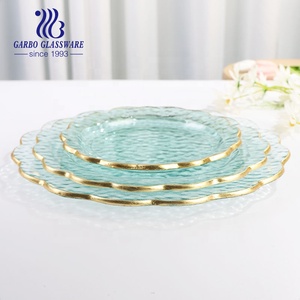
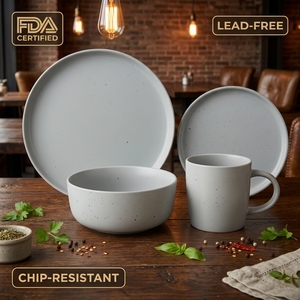
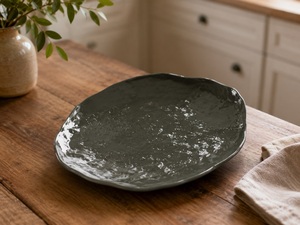
In the evolving landscape of global tabletop manufacturing, stoneware dinnerware sets have emerged as the dominant ceramic body for commercial procurement across hospitality, retail enterprise, and e-commerce private label channels. Unlike traditional low-temperature earthenware—which exhibits water absorption rates exceeding 3% to 8% and remains prone to mechanical edge chipping—high-fired stoneware undergoes dense vitrification during thermal processing between 1,200°C and 1,300°C.
This structural vitrification fuses clay, quartz, and feldspar minerals into a non-porous, highly cohesive silicate matrix. The resulting tableware achieves exceptional mechanical strength, zero moisture retention (typically <0.5%), and superior resistance to thermal shock cycles. Sourcing teams evaluating European and Asian manufacturing hubs must look beyond surface aesthetic appeal to systematically audit factory capabilities in glaze matching chemistry, kiln atmosphere stability, and compliance with strict food-contact standards such as FDA 21 CFR 175.300, California Proposition 65, and European Regulation (EC) No 1935/2004.
Operating from the historic ceramic cluster of Mortágua, Portugal, exemplary manufacturers like Cerages, SA represent the benchmark for private label ceramic production. Established in 1993, Cerages operates entirely on an OEM/ODM basis, servicing international department stores, hospitality chains, and direct-to-consumer design houses.
Professional procurement teams assess stoneware exporters across six key technical metrics to prevent field failures, glaze crazing, and shipment delays.
Top factories enforce strict raw clay grain particle size distribution. High firing density prevents water absorption, ensuring pieces do not absorb moisture during industrial dishwashing, preventing mold development and structural micro-cracking.
Matching the Coefficient of Thermal Expansion (COE) between the ceramic clay body and the decorative glaze layer is vital. Superior glazes prevent long-term "crazing" (hairline glaze fractures) under repeated microwave and dishwasher thermal loads.
Commercial-grade stoneware must pass standard thermal shock testing protocols (BS EN 1183). Pieces are heated to 180°C–200°C and immediately quenched in 20°C water without experiencing thermal fracture or structural degradation.
Understanding regional manufacturing dynamics enables procurement executives to balance unit costs, lead times, batch flexibility, and environmental regulatory burdens.
| Manufacturing Hub | Primary Strengths | Typical MOQ | Lead Time | Eco & Quality Standards |
|---|---|---|---|---|
| Portugal (e.g., Mortágua / Cerages) | High-end reactive glazes, flexible OEM customization, zero-tariff EU supply chain, sustainable kilns. | 500 – 1,000 sets | 4 – 6 Weeks | ISO 9001:2015, EU REACH, FDA, ISO 14001 Compliant |
| Germany & Western Europe | Automated high-volume hotelware, strict dimensional tolerances, ultra-durable vitrified bodies. | 2,000+ sets | 6 – 8 Weeks | ISO 9001, DIN EN 1183, Industry 4.0 Standard |
| Chaozhou / Liling (China) | Mass scale capacity, broad price range versatility, complex 3D decal and UV sublimation printing. | 1,000 – 3,000 sets | 3 – 5 Weeks | FDA, LFGB, ISO 9001, BSCI Audited |
| Vietnam & Thailand | Handcrafted aesthetic feel, competitive labor rates, favorable US tariff structures. | 1,000 sets | 5 – 7 Weeks | FDA, California Prop 65, SMETA Certified |
How technological innovation, consumer preferences, and environmental legislation are reshaping commercial stoneware production worldwide.
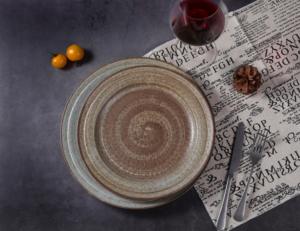
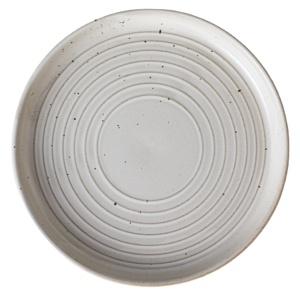
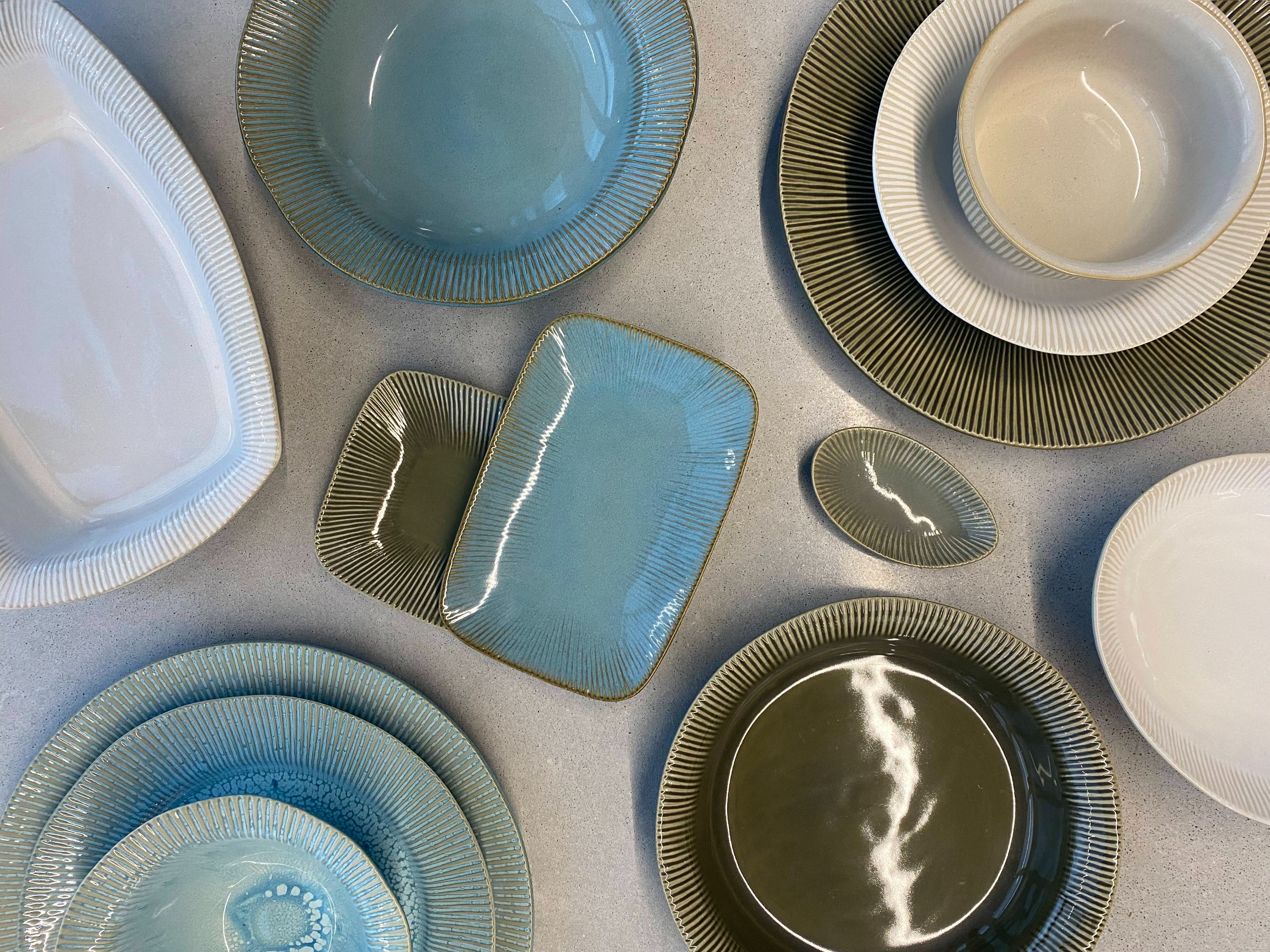
Hospitality venues and premium retail buyers increasingly demand table settings that feel unique and handcrafted. Modern stoneware exporters utilize advanced dual-layer liquid dipping and mineral oxide reactive glazes (such as iron oxide, copper, and cobalt). During kiln firing, chemical reactions yield organic color variations, ensuring no two pieces possess identical surface markings while maintaining exact stackability dimensions.
With global ESG requirements expanding under the EU Carbon Border Adjustment Mechanism (CBAM) and corporate zero-waste mandates, top stoneware exporters are upgrading to high-efficiency recuperative gas kilns and electric heating systems fed by solar microgrids. Furthermore, unfired greenware scrap and water slurry solids are completely reclaimed back into raw clay bodies, drastically lowering resource extraction footprints.
As commercial kitchens and residential homes optimize space, dinnerware designs are shifting toward multi-functional utility. Contemporary stoneware dinnerware sets feature rimless coupe profiles, deep flat-bottomed salad bowls, and modular baking dishes that move directly from freezer storage to high-heat ovens, onto guest table settings, and straight into commercial dishwashers without risking structural shock.
While classic matte ceramic finishes offer a warm, modern aesthetic, historic matte glazes suffered from cutlery marking ("metal marking") caused by soft metal transferring onto abrasive glazes. Advanced factories now formulate silky-matte surface glazes infused with micro-zirconium compounds, creating satin tactile surfaces impervious to stainless steel knife scarring.
When selecting a manufacturing vendor for high-volume stoneware production, enterprise buyers require more than competitive pricing. Reliable exporters deliver end-to-end technical oversight, precise logistics compliance, and rapid prototyping capabilities.
In-house 3D CAD modeling and plaster mould shops allow precise geometric execution of complex stackable rims, ergonomic handles, and embossed base logos within days of project briefing.
Rigorous chemical glaze testing ensures total freedom from lead, cadmium, and heavy metal leaching, fully backed by accredited third-party lab certifications (SGS, TUV, Intertek).
Drop-test certified ISTA-3A retail packaging, custom barcodes, inner master cartons, and palletized wrap tailored for global freight safety and direct fulfillment logistics.
Detailed technical answers to common queries raised by international buyers, hospitality specifiers, and brand managers.
Request comprehensive product catalogs, order physical sample kits, or brief our technical engineering team directly regarding your custom OEM/ODM dinnerware project.
