
UV Surface Design
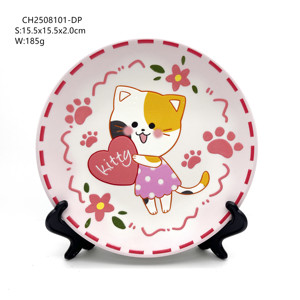
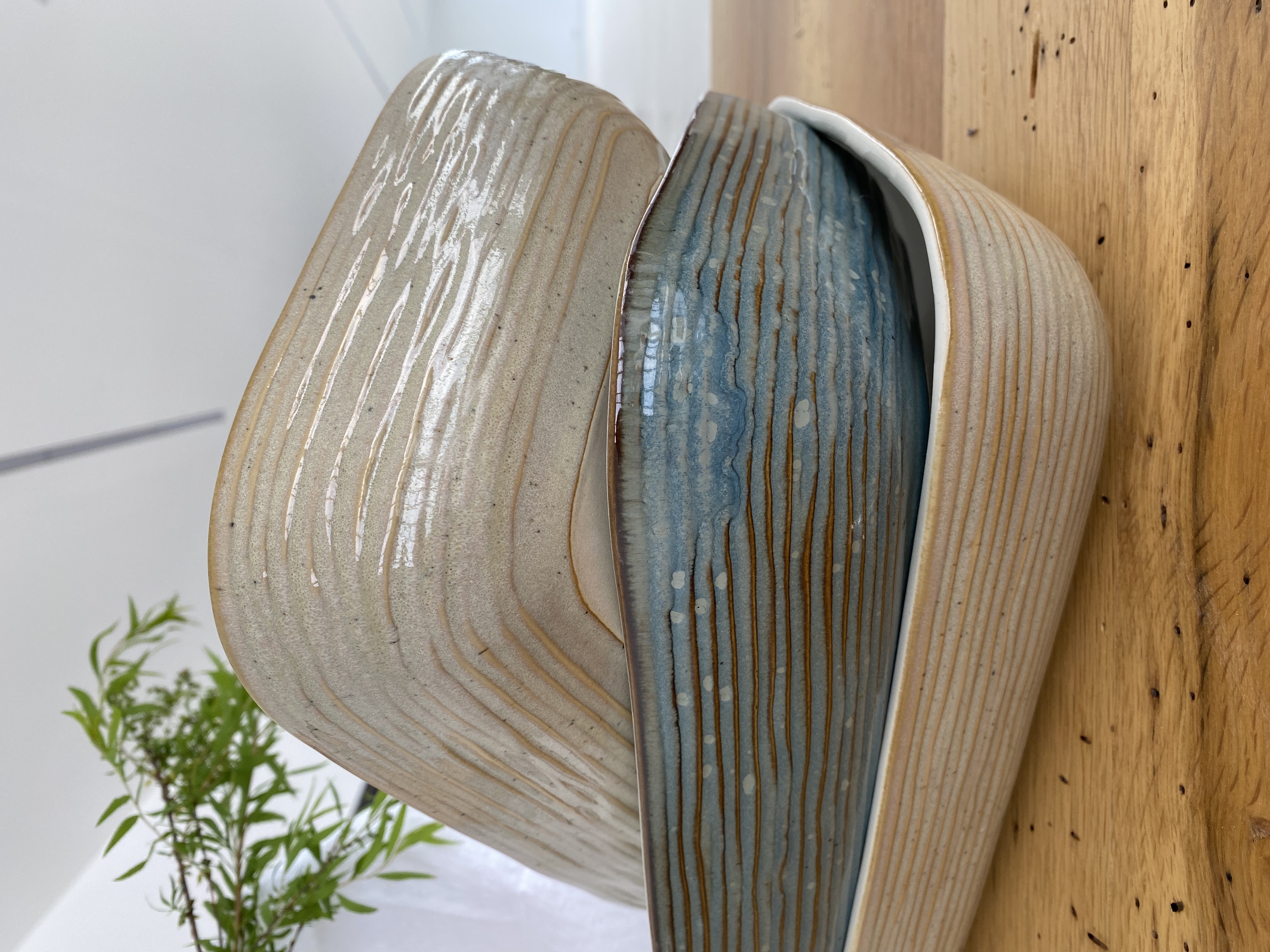
3D UV Printing Durable Round Ceramic Stoneware Plate Dish Set of 2
- Body Type: Vitrified Stoneware
- Finish: UV Textured Pattern
- Thermal Resistance: Up to 250°C
Direct OEM & Private Label Solutions Engineered for High-Volume Hospitality and Retail Distribution
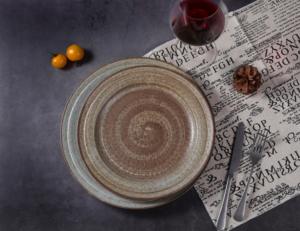
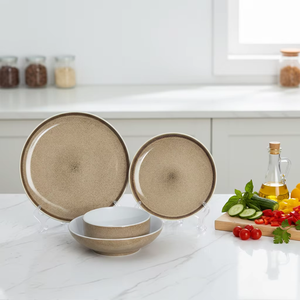
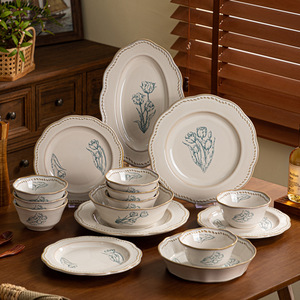
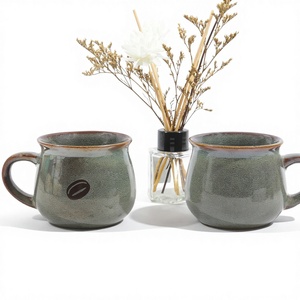
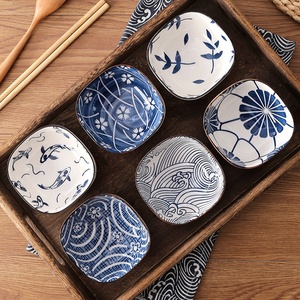
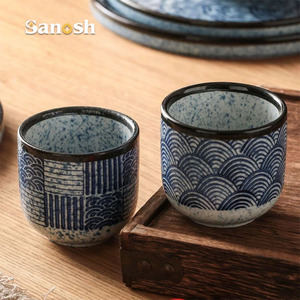
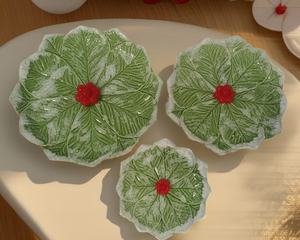
In the global tabletop and kitchenware procurement landscape, decision-makers across retail conglomerates, hospitality groups, and private label design brands are rapidly reallocating capital toward high-fired vitrified stoneware. Unlike lower-grade earthenware, which suffers from high porosity and mechanical weakness, or delicate bone china, which carries prohibitive unit costs for commercial operations, commercial stoneware represents the optimal convergence of structural integrity, aesthetic versatility, and lifetime ROI.
To establish rigorous procurement benchmarks, B2B buyers must evaluate physical performance parameters across raw clay compositions. Modern European and Asian exporters utilize advanced kilns to ensure full stoneware body vitrification. Below is an empirical performance metric comparison:
| Performance Metric | Earthenware | Standard Porcelain | Vitrified Stoneware (Exporter Benchmark) |
|---|---|---|---|
| Firing Temperature Range | 1000°C – 1150°C | 1300°C – 1400°C | 1250°C – 1280°C |
| Water Absorption Rate | > 5.0% (High Porosity) | < 0.1% (Vitrified) | < 0.5% (Non-Porous) |
| Thermal Shock Resistance (ΔT) | Low (100°C) | Moderate (150°C) | High (> 180°C – Freezer to Oven) |
| Mechanical Impact Strength | Low (Prone to chipping) | High (Brittle) | Exceptional Impact & Edge Resistance |
| Glaze Depth & Effect Versatility | Basic Solid Colors | Translucent White / Basic Decals | 1,300+ Reactive, Matte & Glossy Glazes |
Combining European Artisan Ceramic Tradition with Scalable High-Capacity Export Logistics
Established as an international stoneware authority, our production ecosystem operates from advanced industrial facilities in Mortágua, Portugal, and premier ceramic clusters in Asia. We eliminate multi-layered broker markups by managing every stage of manufacturing in-house.
Every ceramic piece fired in our kilns can be customized with permanent backstamps, debossed brand logos, and specific country-of-origin markings prior to final glaze setting, ensuring uncompromised brand ownership.
Formulated with dense silica clay matrices, our commercial-grade stoneware handles rapid thermal shifts from -20°C freezer conditions directly to 250°C oven environments without structural fracturing or micro-crazing.
Export packaging complies with international transit standards, featuring drop-tested mail-order cartons, reinforced edge guards, and ISTA-certified palletization to ensure zero-loss delivery across transatlantic and global shipping corridors.
Navigating international ceramic sourcing requires aligning technical specifications with shifting consumer and regulatory demands. Leading importers and commercial tableware buyers are focusing on four key macro-trends:
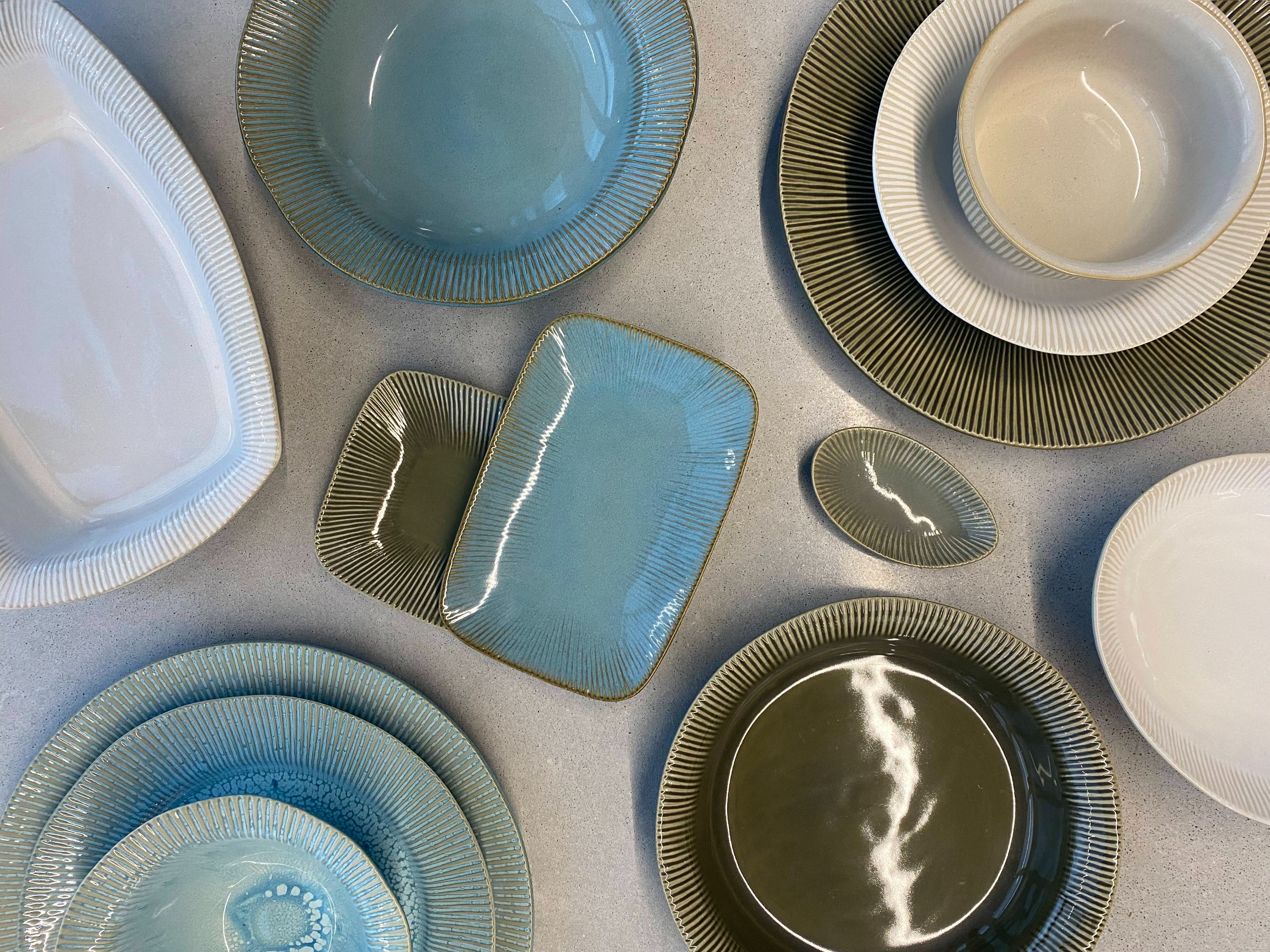
Standard monochromatic white plates are losing market share in high-end hospitality to handcrafted, rustic, and organic aesthetics. Multi-toned reactive glazes—where metallic oxides react under 1280°C kiln atmospheres to create unique surface depth—allow commercial buyers to deliver an artisanal feel with the mechanical consistency of mass manufacturing.
Global supply chains are scrutinizing carbon footprints. Premium stoneware exporters are upgrading to closed-loop water filtration systems, heat-recovery tunnel kilns, and unfired clay body recycling. Exporters that utilize clean natural gas or hybrid electric kilns significantly reduce Scope 1 and Scope 2 emissions for retail brand partners.
With direct-to-consumer (D2C) ceramic retail surging, traditional bulk packaging is insufficient. Exporters are now tasked with providing drop-test certified (ISTA-6-Direct) retail packaging, integrating molded biodegradable pulp trays that survive rigorous parcel delivery networks without requiring plastic bubble wrap.
How Top-Tier Exporters Ensure Batch-to-Batch Consistency from Raw Clay to Final Palletization
Blending precise ratios of refined kaolin, ball clay, quartz, and feldspar. The mixture is filter-pressed and vacuum-pugged to eliminate micro-air pockets that cause kiln explosions.
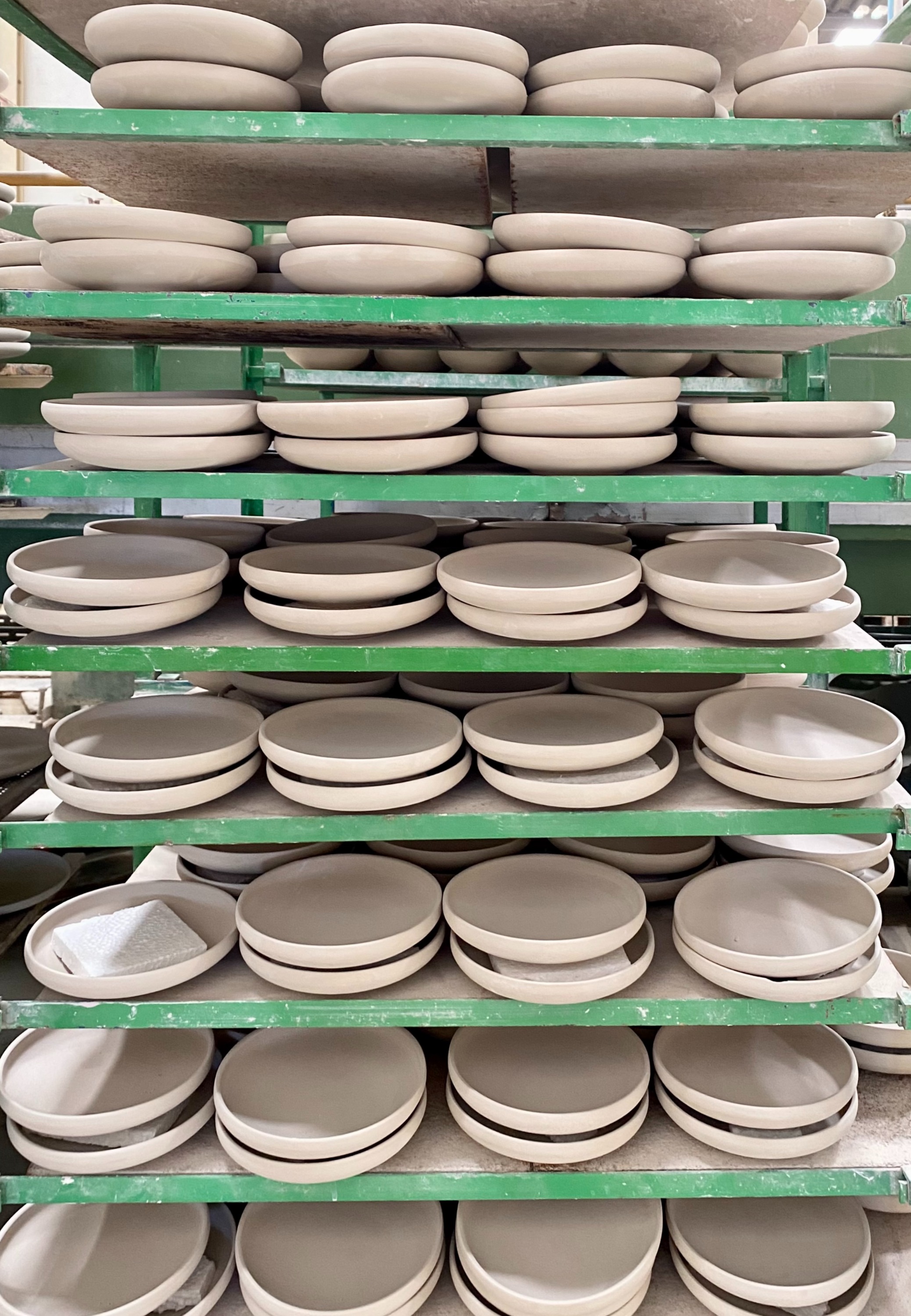
Utilizing high-pressure RAM pressing for intricate ovenware shapes and automated jigger-jolley systems for symmetrical plates and bowls, compensating accurately for clay shrinkage.
Initial firing at 950°C hardens the body for handling. Specialized glazes (matte, glossy, or reactive) are applied via automated robotic spray arms or skilled manual dipping.
Pieces undergo controlled tunnel kiln firing at 1250°C–1280°C. Glazes melt and fuse with the clay body, creating an impervious, non-porous structural bond.
Essential Technical and Logistics Insights for International Procurement Directors
Consult with our technical ceramic engineers to discuss your custom shapes, reactive glaze developments, OEM branding, or commercial supply requirements.
Contact Us