Executive Sourcing Summary: Navigating global commercial procurement for high-performance stoneware and ceramic tableware requires precise knowledge of material densities, thermal shock tolerance, lead/cadmium compliance (FDA/EU 1935/2004), and factory kilning technologies. This authoritative industry whitepaper benchmarks the leading manufacturing facilities, technical innovation pathways, and critical OEM selection parameters for retail brands, hospitality groups, and international distributors.
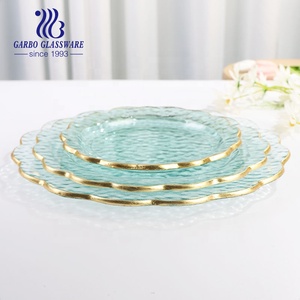
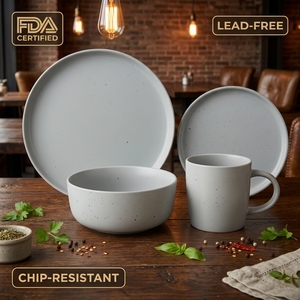
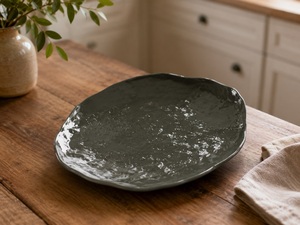
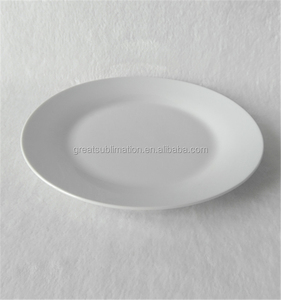
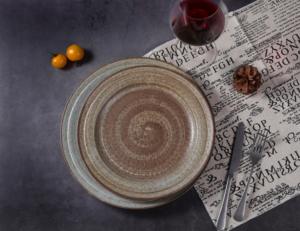
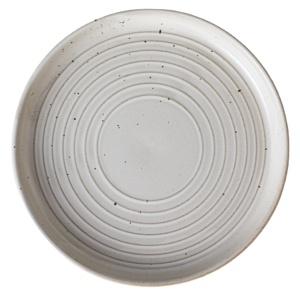
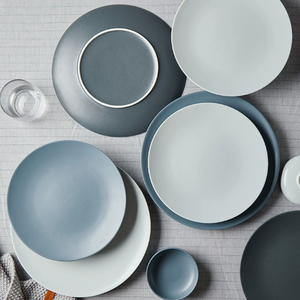
When global retail procurement officers and enterprise hospitality buyers evaluate a ceramic bowls factory, simple aesthetic appeal is insufficient. Long-term commercial success relies on strict physical properties, thermal stability, resistance to mechanical stress, and absolute chemical non-reactivity.
Modern stoneware and porcelain manufacturing involves precise thermodynamic and chemical reactions during the firing phase. Below are the key engineering metrics used to audit tier-1 ceramic tableware production lines:
| Performance Metric | Standard Requirement | Industrial Impact & Quality Significance |
|---|---|---|
| Body Vitrification & Porosity | Water absorption < 0.5% (Stoneware) / < 0.1% (Porcelain) | Prevents micro-cracking, bacterial retention, moisture absorption in commercial dishwashers, and microwave heat buildup. |
| Thermal Shock Resistance | BS EN 1183 compliant (ΔT = 180°C to 220°C drop) | Ensures ceramic bowls can transfer directly from deep-freeze storage (-20°C) to convection ovens (+200°C) without catastrophic fracturing. |
| Edge Chipping Resistance | ASTM C368 Impact Resistance testing (> 0.8 Joules) | Drastically reduces replacement cycles in high-turnover foodservice and commercial kitchen environments. |
| Glaze Hardness & Scratch Resistance | Mohs Hardness Scale 6 to 7.5 | Protects against grey metal marking from stainless steel cutlery during repeated commercial usage. |
| Heavy Metal Migration | FDA CPG Sec. 545.400 / EU Regulation 1935/2004 | Zero lead, cadmium, or cobalt leaching during prolonged contact with high-acid food sauces (citrus, vinegar, tomato). |
Factory audits must verify whether a manufacturer utilizes automated roller-head shaping or high-pressure isopressing, both of which yield homogenous clay density compared to primitive slip-casting techniques.
The global production of ceramic bowls and dinnerware is geographically clustered around key centers of geological excellence, raw material clay access, and technological expertise. Understanding regional advantages allows brand procurement leads to align their supply chain with appropriate production hubs.
Established in 1993 in Mortágua, central Portugal, Cerages, SA stands out as Europe’s benchmark OEM/ODM private-label stoneware manufacturer. Unlike trading companies or mass-market commodity factories, Cerages focuses exclusively on client-specific manufacturing. Operating under an ISO 9001:2015 certified quality framework, Cerages houses an in-house mould development workshop and a advanced glaze laboratory holding over 1,300 custom reactive and solid glaze recipes. Their high-fired stoneware pieces achieve near-zero porosity, catering to high-end global retailers and luxury hospitality brands across Europe, North America, and Oceania.
Known as the Ceramic Capital of China, Chaozhou specializes in immense production capacities, leveraging tunnel kilns and automated pressure casting systems. Suppliers here excel at competitive price points for large retail chains requiring high-volume output of porcelain and stoneware bowls.
Liling factories are world-renowned for underglaze decal application and high-fired translucent porcelain. Ideal for intricate floral patterns, sublimation blanks, and promotional ceramic bowl gift sets.
Zibo production facilities focus heavily on durable stoneware bodies with high thermal resistance, serving mid-market restaurant suppliers and global e-commerce brand lines.
Dehua is famous for its pure white kaolin clay deposits. Factories in Dehua specialize in ultra-white porcelain bowls, artistic relief textures, and delicate serveware dishes.
Vietnam’s Bat Trang region provides competitive regional sourcing for rustic, hand-glazed stoneware bowls featuring organic shapes and reactive crackle glazes popular in Scandinavian design markets.
Lampang factories combine rich local kaolin clay with skilled hand-decorating labor. They offer excellent mid-range options for organic reactive-glazed soup and salad bowls.
German manufacturers in Bavaria focus on high-performance vitrified porcelain bowls for fine dining. High automation levels yield unmatched dimensional tolerance and stackability.
Turkish manufacturers offer rapid freight access to European markets, producing durable hotelware ceramic bowls using modern continuous kilns and digital glazing technologies.
UK producers specialize in premium bone china and reinforced alumina ceramic bodies for top-tier hospitality groups seeking classic designs with extreme chip resistance.
The global tabletop industry is undergoing a structural shift driven by changes in consumer dining habits, kitchen space constraints, and environmental compliance standards. Sourcing directors must anticipate these technical developments to keep retail lines relevant.
Brands are stepping away from flat, uniform monochromatic coatings. Modern buyers demand dynamic reactive glazes where titanium, iron oxide, or copper additives create unique, one-of-a-kind color shifts during high-temperature firing without sacrificing food safety.
The traditional deep soup bowl is increasingly replaced by low-profile, wide-rim coupe bowls ("pasta bowls" or "blatters" - bowl/plate hybrids). These versatile shapes accommodate modern bowl-food dining trends, grain bowls, and ramen.
Combining a satin-matte textured exterior with a smooth, glossy, easy-to-clean interior glaze offers sensory contrast while maintaining hygiene standards for commercial dishwashers.
To reduce shipping weights and carbon footprints without losing strength, progressive ceramic factories incorporate high-purity alumina (Al₂O₃) into raw clay mixtures. Alumina-reinforced stoneware bodies allow factories to cast thinner bowl walls while increasing tensile fracture resistance by up to 35% compared to conventional stoneware clay.
Enterprise ceramic procurement is migrating toward zero-landfill manufacturing partners who guarantee ESG (Environmental, Social, and Governance) compliance alongside reliable supply chain delivery. Key supply chain metrics include:
For brands and sourcing directors seeking an OEM ceramic partner in Europe, Cerages, SA offers unmatched structural and technological advantages over traditional trading channels:
Cerages does not market a competing house brand. Every piece of stoneware manufactured in the Mortágua plant features customized backstamps, client-owned glaze finishes, and tailored packaging engineered strictly to customer specifications.
With over 1,300 formulated glaze recipes in stock, Cerages' chemical lab can match Pantone targets, physical glaze swatches, or develop exclusive reactive glazes engineered for high thermal endurance.
Every production lot undergoes stringent dimensional checking, drop testing, glaze defect auditing, and thermal shock validation before shipment, guaranteeing total repeat-order consistency.
Formulated specifically for oven, microwave, freezer, and commercial dishwasher durability, Cerages stoneware complies fully with EU 1935/2004, FDA, and international food contact regulations.
Stoneware is crafted from dense, plastic clays fired between 1150°C and 1220°C, delivering high thermal resilience, rich earthy textures, and exceptional suitability for reactive glazes. Porcelain is fired at higher temperatures (1250°C - 1350°C) using kaolin, quartz, and feldspar, yielding a translucent, glass-like body with under 0.1% absorption. Stoneware is favored for rustic, contemporary retail lines and baking dishes, while porcelain is widely specified for high-volume commercial hotelware.
Custom brand backstamps can be applied via three methods: 1) Engraving or embossing directly into the plaster casting mould, creating a tactile 3D logo; 2) Applying an underglaze ceramic stamp prior to the glaze dipping process; or 3) Applying an in-glaze screen-printed decal that fuses permanently into the glaze matrix during high-temperature firing. This guarantees the backstamp will never wash off, fade, or scratch during commercial dishwashing.
Quality factories match the Coefficient of Thermal Expansion (CTE) between the ceramic body and the glaze layer. Crazing (fine surface cracking) occurs when the glaze contracts faster than the clay body upon cooling. Pinholing occurs when organic gases escape during inadequate bisque firing. By maintaining strict control over glaze chemistry, computer-monitored kiln firing schedules, and using raw materials with low organic contaminants, certified manufacturers eliminate these structural flaws.
Standard MOQs for custom shape development typically range from 1,500 to 3,000 pieces per shape/color combination depending on the piece volume and forming method. For existing factory shapes featuring custom glazes or backstamps, MOQs are often lower (500 to 1,000 units), making initial product testing feasible for established retail brands.
European manufacturers like Cerages comply with EU Directive 84/500/EEC and Regulation EC 1935/2004. Laboratory testing utilizes 4% acetic acid leaching solution at 22°C for 24 hours, measured via Atomic Absorption Spectroscopy (AAS) or ICP-MS to verify zero detectable release of lead (Pb), cadmium (Cd), or toxic heavy metals. Certificates of Compliance (CoC) are issued per batch for customs clearance and retail compliance.