Explore our export-ready, high-density stoneware bowl and plate series manufactured under rigorous European quality control standards.
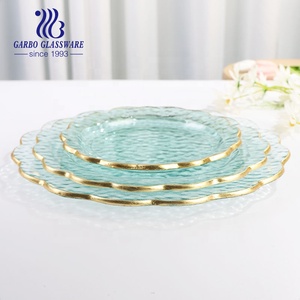
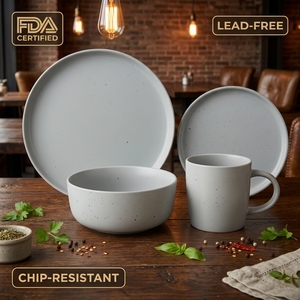
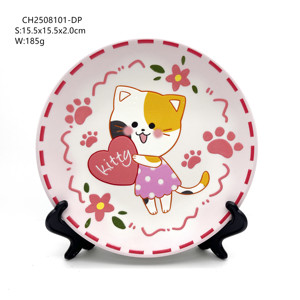
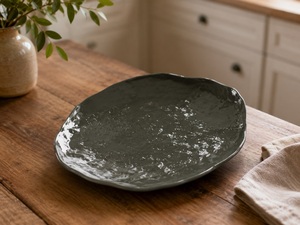
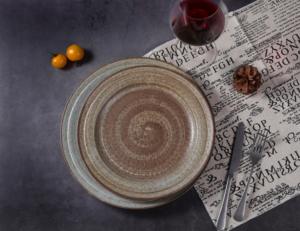
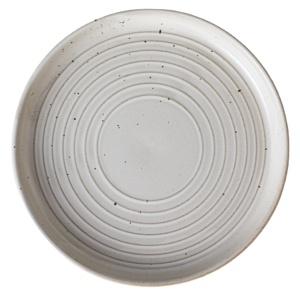
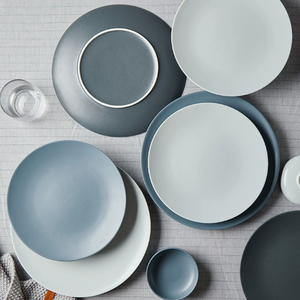
Combining European ceramic traditions with automated industrial kilns in Mortágua, Portugal since 1993.
Our dedicated mold laboratory translates CAD drawings, 3D renders, or physical concepts into production-ready master plaster molds, guaranteeing strict dimensional accuracy and optimized thermal contraction control.
By firing refractory stoneware clays between 1250°C and 1300°C, our products achieve a fully vitrified molecular body with less than 0.5% water absorption, ensuring exceptional chip resistance and hygiene performance.
Our chemical R&D lab develops custom reactive, matte, satin, and glossy glazes. We precisely match Pantone, RAL, or physical target references while maintaining strict compliance with FDA, California Prop 65, and EU food safety standards.
The global ceramic tableware market is experiencing a structural pivot toward high-durability stoneware over traditional low-fired earthenware. Professional buyers in the hospitality (HORECA) and retail retail sectors are demanding dinnerware capable of enduring severe mechanical stress, rapid thermal fluctuations, and commercial chemical dishwashing environments.
Key Procurement Shift: Procurement leaders are replacing high-breakage porcelain with dense, high-fired stoneware. Stoneware offers superior mechanical edge strength, lower replacement frequency, and unique visual appeal through variable reactive mineral glazes.
When sourcing OEM/ODM stoneware bowls, global buyers must assess suppliers across four critical technical parameters:
| Material Metric / Performance Indicator | Cerages OEM Stoneware Bowls | Standard Commercial Earthenware | Standard Hotel Porcelain |
|---|---|---|---|
| Firing Temperature Range | 1250°C – 1300°C (Cone 8–10) | 1000°C – 1150°C | 1350°C – 1400°C |
| Water Absorption (Porosity) | < 0.5% (Vitrified Body) | 3.0% – 8.0% (Porous) | < 0.1% (Vitrified) |
| Thermal Shock Resistance (ΔT) | Safe up to 200°C Delta | Max 110°C Delta | Max 150°C Delta |
| Cutlery Scratch Resistance | High (Mohs Scale 6.5) | Low to Moderate | High (Mohs Scale 7) |
| Aesthetic Customization | Extensive (1,300+ Reactive Glazes) | Moderate (Basic Glazes) | Limited (Primarily White/Clear) |
Achieving absolute batch-to-batch consistency in large-scale OEM stoneware production requires rigid metallurgical and ceramic control. At our production plant in Mortágua, Portugal, every bowl undergoes a strictly controlled 5-stage manufacturing sequence:
We blend selected ball clays, kaolin, quartz, and feldspar. The raw slurry is vacuum-de-aired to eliminate micro-bubbles, ensuring high density and preventing structural voids during forming.
Using automated RAM pressing and pressure-casting equipment, complex bowl geometries—including footed bowls, asymmetrical rims, and double-walled designs—are formed with minimal wall-thickness variation.
Glazes are applied using robotic spray systems or controlled dip-baths to achieve a uniform thickness between 0.25mm and 0.40mm, optimizing surface tension and preventing craze lines.
Kilns operate on automated 18-hour thermal profiles. Precise control over oxidizing and reducing atmospheres stabilizes reactive glaze oxidation, creating distinctive, repeatable colors.
Every batch undergoes thermal shock validation, acoustic density testing for internal cracks, and 100% visual inspection against customer-approved golden samples prior to export packaging.
100% of unfired greenware scrap and filtered process water is reclaimed into the clay preparation loop, zeroing raw material waste and reducing our environmental footprint.
Technical answers to streamline your procurement, product development, and factory auditing process.
Our standard production baseline starts at 1,000 to 3,000 units per shape/size, depending on glaze complexity. For custom developed shapes requiring dedicated plaster master molds, we offer flexible trial runs to support brand collection launches. Repeat high-volume production runs benefit from tier-discounted pricing.
All glaze formulations developed in our Mortágua laboratory are free of lead, cadmium, and toxic heavy metals. We issue lot-specific certificate of compliance documentation tested according to FDA 21 CFR 176.170, EU Directive 84/500/EEC, and California Proposition 65 standards via accredited third-party laboratories (SGS / Bureau Veritas).
Yes. Our color laboratory maintains a database of over 1,300 glazes and specializes in custom matching. Provide a Pantone/RAL reference code, a physical sample, or a graphic artwork file, and our technicians will supply glazed test chips for your physical approval prior to mass production.
We provide multiple backstamp techniques: 1) Engraved/embossed base markings integrated directly into the production mold, 2) Underglaze ceramic ink stamping fired permanently at 1280°C, and 3) High-temperature metallic/overglaze decals. All backstamps are 100% dishwasher-proof and carry your custom brand mark, logo, and country of origin.
We engineer retail-ready packaging ranging from 4-piece color gift boxes to drop-ship certified e-commerce packaging (ISTA 3A drop-test compliant). Options include molded expanded polyethylene (EPE), eco-friendly recycled corrugated honeycombs, custom barcoding, and SKU labeling tailored to your distribution center specs.
Custom sample development (3D modeling, mold carving, glaze matching, sample firing) typically takes 2 to 3 weeks. Once samples are physically approved and production drawings are signed, mass manufacturing lead times average 4 to 6 weeks, depending on kiln capacity and order volume.
Partner with an ISO 9001:2015 certified European ceramic manufacturer. Submit your product specifications, 3D files, or design concept to receive an expert engineering consultation and competitive OEM quote.