High-performance ceramic bodies engineered for rigorous commercial food service, luxury hospitality, and private label retail brands worldwide.
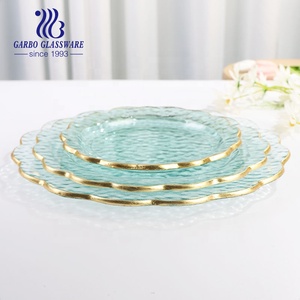
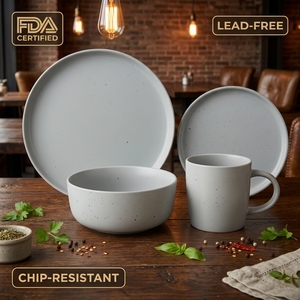
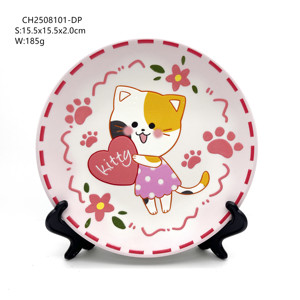
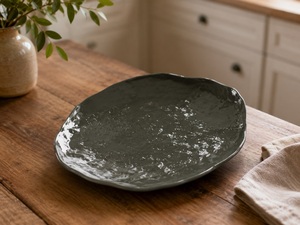
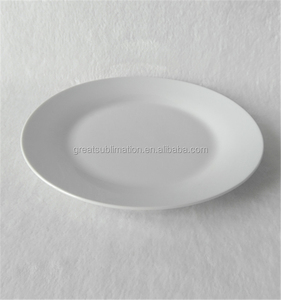
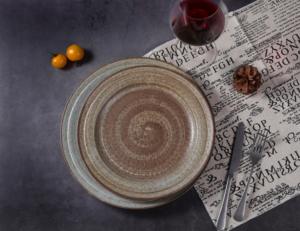
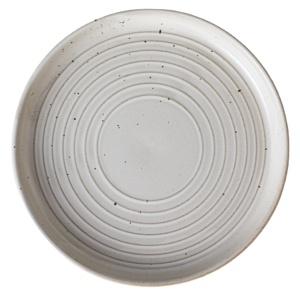
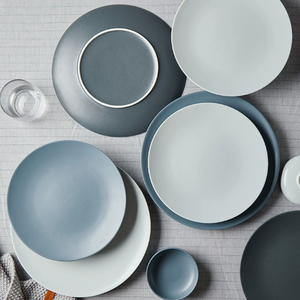
Established in Mortágua, Portugal—a region globally recognized for centuries of ceramic mastery—our manufacturing facilities deliver seamless custom production, combining artisanal heritage with high-throughput tunnel kiln technology.
In the competitive global market for commercial dinnerware and high-performance ovenware, the architectural difference between standard ceramics and fully vitrified glazed stoneware lies in thermal durability, chemical inertness, and structural strength. Operating strictly on a contract-manufacturing, private-label basis, our facility serves international retail chains, hospitality groups, and design houses across North America, Europe, Asia, and Oceania.
Unlike trading entities or multi-layered brokers, our entire supply chain—from raw clay body formulation, CNC plaster mold engineering, glaze chemistry R&D, to automated high-temperature firing—is unified under one centralized operational footprint. This total control guarantees absolute lot-to-lot batch consistency, eliminates lead-time friction, and safeguards client intellectual property.
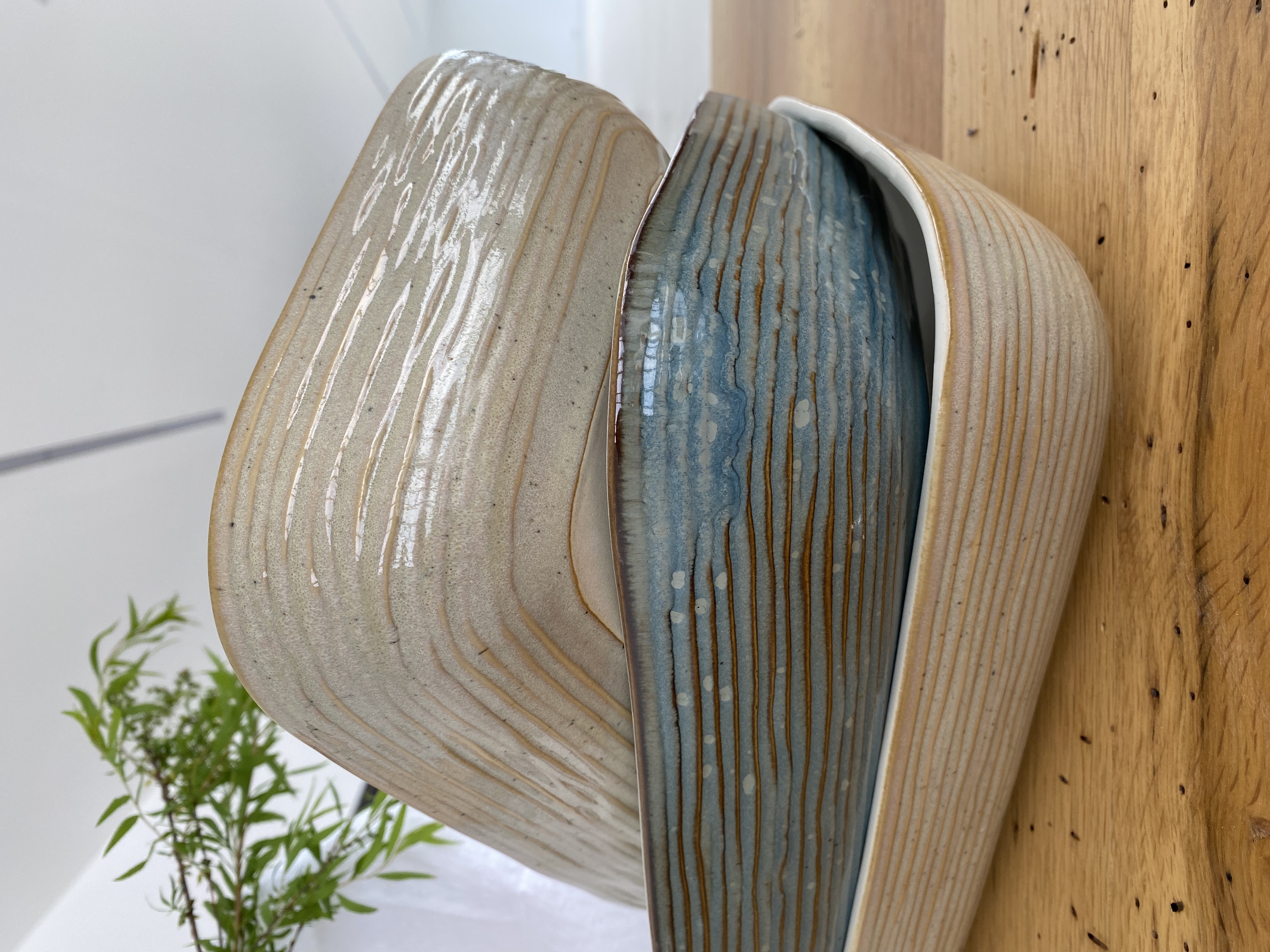
With an active library exceeding 1,300 developed formulations, our chemical engineers develop custom matte, high-gloss, semi-matte, and complex reactive finishes directly from physical pantone swatches or organic references.
Rapid 3D CAD modeling and automated plaster mold creation allow rapid turnaround from initial concept rendering to physical sample evaluation, accounting precisely for body shrinkage during high-fire cycles.
Every production batch undergoes multi-stage inspections covering dimensional tolerance, glaze thickness uniformity, thermal stability testing, and automated stress testing for zero internal micro-defects.
An engineering breakdown of how advanced raw material compounding and precise thermodynamic firing curves create high-durability ceramics.
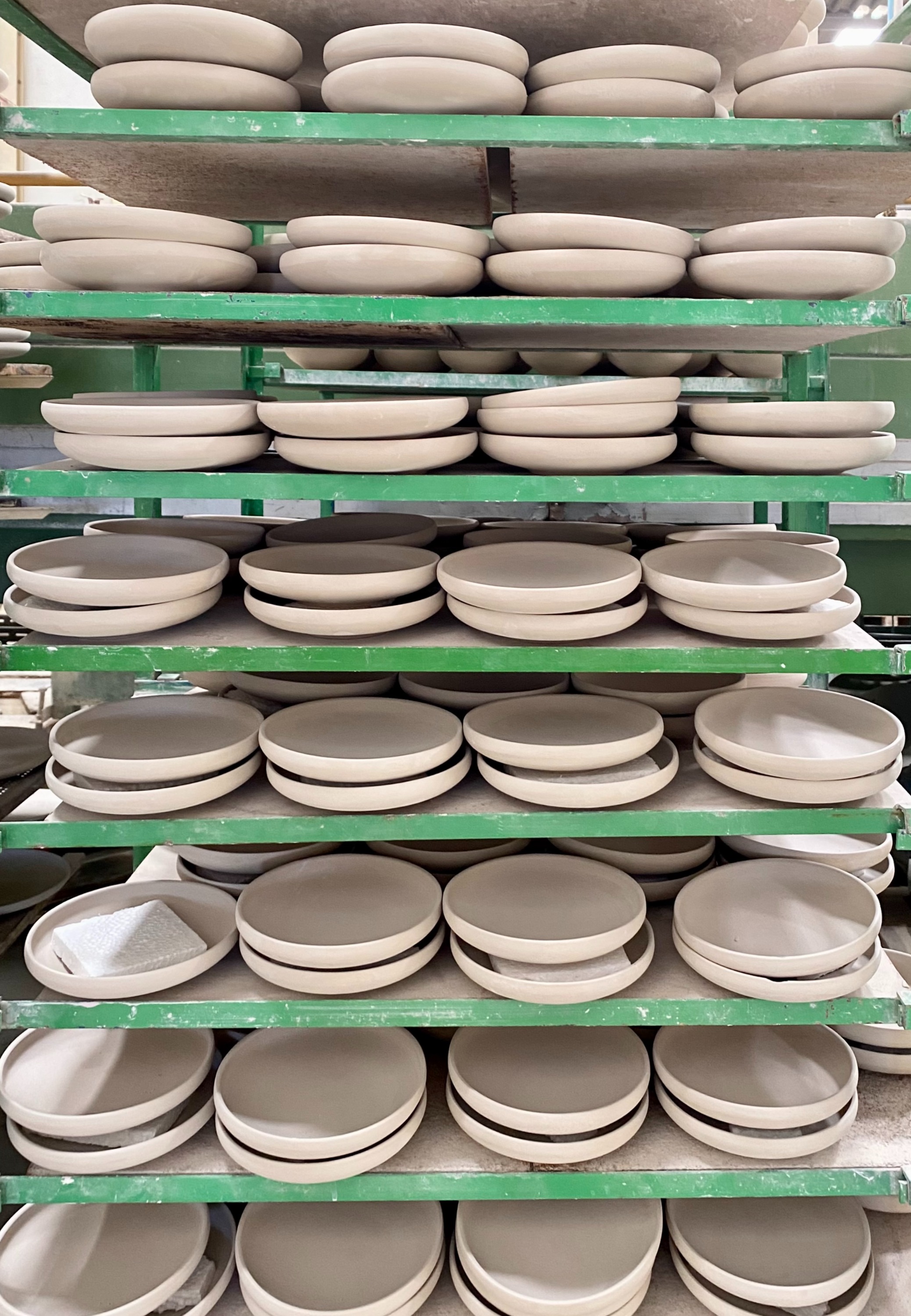
Stoneware occupies a unique chemical niche between porous low-fired earthenware and dense translucent porcelain. Fired at temperatures ranging precisely between 1250°C and 1280°C (Cone 8 to Cone 10), the kaolin, ball clay, feldspar, and silica constituents undergo extensive liquid-phase sintering.
During this reaction, mullite crystals needle through the silica matrix, creating a highly vitrified body structure with water absorption metrics consistently below 0.5%. This near-zero porosity is crucial for B2B commercial buyers because it prevents grease absorption, inhibits microbial growth inside micro-fissures, and eliminates risk of body swelling during high-pressure commercial dishwashing cycles.
Furthermore, because the thermal expansion coefficient of the fired clay body is precisely matched with the glaze matrix (thermal expansion alignment within Δα = 0.5 × 10⁻⁶ /K), our stoneware exhibits zero tendency to craze or chip under sudden thermal gradients, making it ideal for oven-to-table applications.
The contemporary tableware landscape is heavily dominated by reactive glaze finishes, which yield artisanal visual depth while retaining high-volume industrial repeatability. Achieving this requires sophisticated oxide chemistry.
By blending specific transition metal oxides—such as rutile (TiO₂), cobalt oxide (CoO), copper oxide (CuO), and iron oxides (Fe₂O₃)—into a fluid glaze base, controlled phase separation occurs during the cooling ramp of the firing curve. Microscopic mineral crystals precipitate out of the molten glass phase as temperatures drop through 1150°C to 1050°C.
This phase separation generates organic mottling, speckled gradient transitions, and metallic highlights across the vessel surface. Because our kilns utilize computerized multi-zone temperature controls, firing atmospheres (oxidation vs. reduction) are modulated to sub-degree accuracy, guaranteeing that while every piece possesses a unique artistic glaze signature, the color spectrum remains strictly within approved batch tolerances.

How evolving consumer preferences, stringent ESG mandates, and global supply chain realignments are redefining OEM/ODM selection criteria.
Global buyers are aggressively diversifying away from high-tariff regions and extended maritime freight channels. European production hubs like Portugal provide shorter transit times, zero vulnerability to trans-oceanic port congestions, and simplified duty structures for Western markets.
Enterprise retail buyers now mandate rigorous ESG compliance. Modern stoneware production requires closed-loop water recovery systems, 100% recycling of unfired clay scraps (greenware body reclamation), heat-exchanger kiln heat capture, and plastic-free transit packaging solutions.
Commercial hospitality operators demand single-vessel utility. The market is shifting heavily toward specialized stoneware formulations that transition seamlessly from deep-freeze storage (-20°C) directly into conventional steam injection ovens (+250°C), reducing wash cycles and labor cost.
Everything procurement directors, brand managers, and commercial buyers need to know about custom OEM/ODM manufacturing.
Connect directly with our Mortágua engineering team. Submit your CAD drawings, physical samples, or concept mood boards for immediate technical evaluation and transparent factory pricing.
Contact Us