Precision-engineered for hotel chains, commercial restaurants, and global brand importers. Engineered in Portugal for extreme thermal resistance and heavy dishwashing durability.
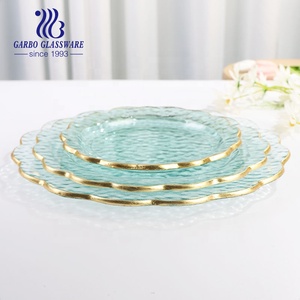
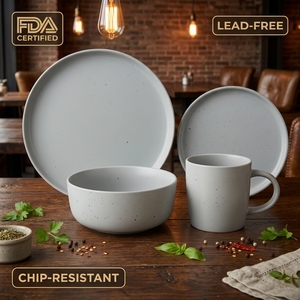
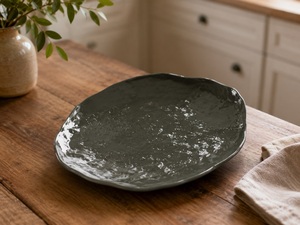
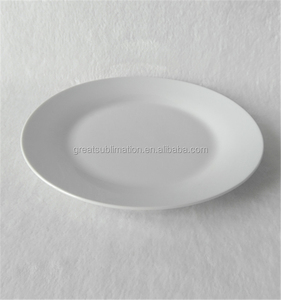
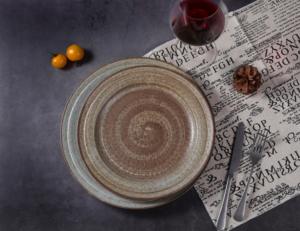
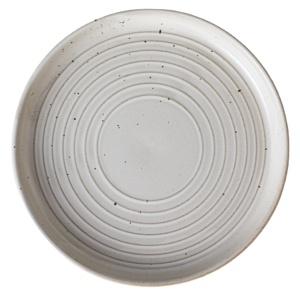
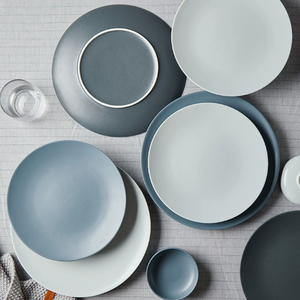
Commercial foodservice environments demand cookware and tableware capable of surviving brutal operational stresses. Standard retail ceramics fail rapidly under thermal shock, commercial chemical sanitization, and heavy mechanical impacts.
Since 1993, our Mortágua facility in Portugal has operated at the intersection of ceramic chemistry and industrial manufacturing. By firing dense stoneware bodies at temperatures exceeding 1,250°C (2,282°F), the internal clay matrix undergoes complete vitrification. This structural transformation fuses quartz, feldspar, and kaolin into a non-porous solid body with a water absorption rate under 0.5%.
For B2B procurement managers and private-label brands, vitrification translates into three vital performance metrics: immunity to bacteria absorption, exceptional resistance to glaze crazing under rapid temperature changes (ΔT ≥ 220°C), and zero risk of micro-cracking during industrial dishwashing cycles.
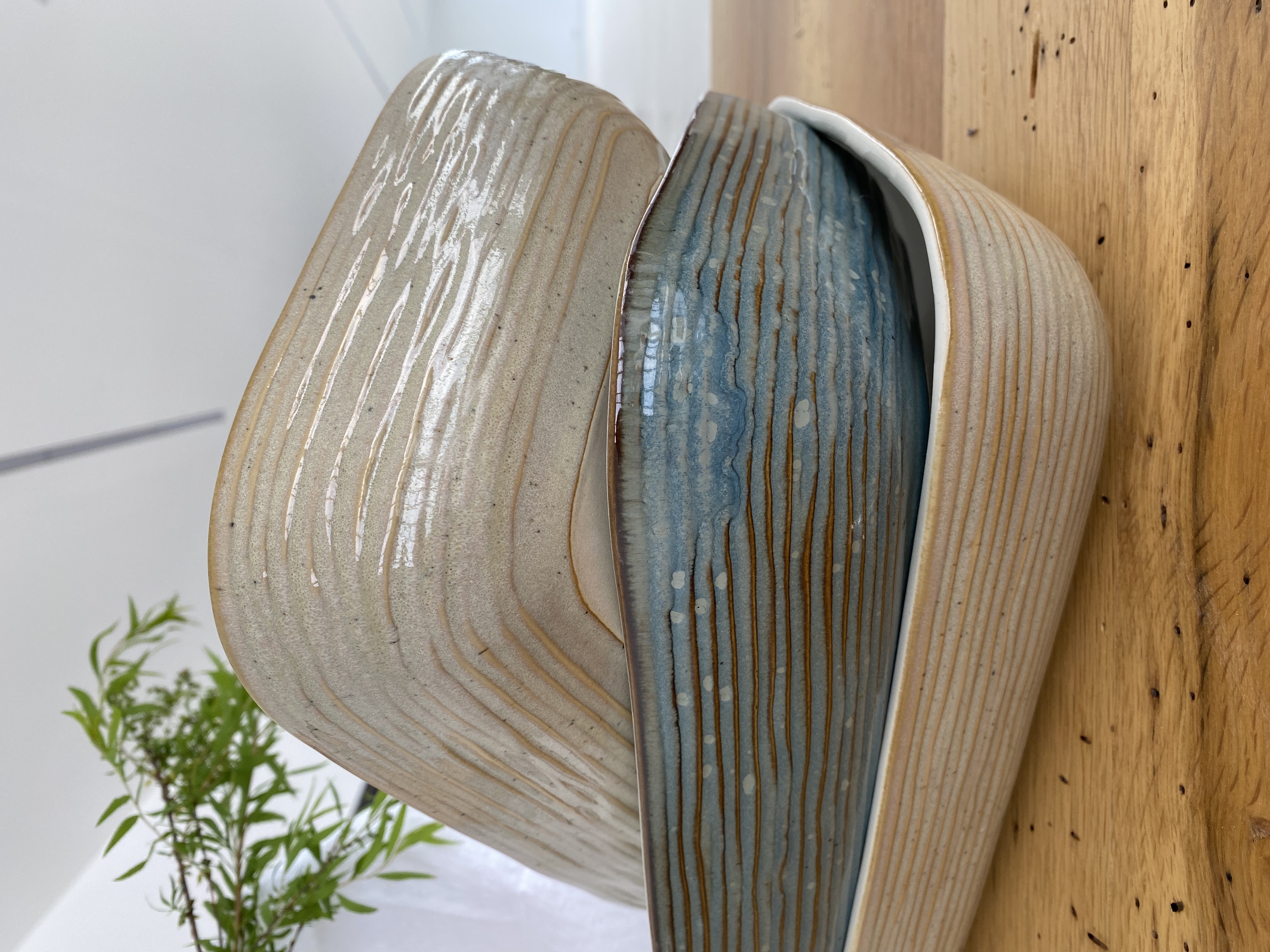
A direct technical comparison of primary ceramic and metallic material choices for commercial kitchen procurement, outlining performance thresholds, longevity, and compliance risks.
| Material Classification | Vitrification Temp | Water Absorption | Thermal Shock Limit (ΔT) | Cutlery Marking Resistance | B2B Longevity Lifecycle |
|---|---|---|---|---|---|
| Cerages High-Fired Stoneware | 1250°C - 1300°C | < 0.5% (Non-porous) | 220°C (Freezer to Oven Safe) | Extremely High (Hardened Glaze) | 5 - 8 Years Commercial Use |
| Standard Earthenware / Terracotta | 1000°C - 1150°C | 5.0% - 10.0% (Porous) | 110°C (Prone to Crazing) | Low (Scratches & Marks Easily) | 6 - 12 Months (High Replacement) |
| Commercial Hotel Porcelain | 1300°C - 1400°C | < 0.1% (Vitrified) | 180°C - 200°C | High | 3 - 5 Years |
| Tri-Ply Stainless Steel Cookware | N/A (Metals) | 0.00% | 350°C+ | Moderate (Surface Scratches) | 7 - 10 Years |
Global supply chain disruptions and evolving environmental regulations have redefined commercial procurement criteria for restaurant chains, hospitality buyers, and cookware brands.
Global regulatory bodies (FDA, EU Regulation 1935/2004, LFGB) are enforcing ultra-strict limits on heavy metal leaching. Buyers are aggressively shifting away from PTFE non-stick pans toward inert, natural stoneware glazes that eliminate chemical off-gassing under high-heat roasting.
Rising labor costs in commercial kitchens demand multi-functional serveware. High-density stoneware pieces that function seamlessly as cooking vessels (bakeware/roasters) and elegant dining presentation platters eliminate dish-washing steps and reduce kitchen back-of-house wash cycles by up to 30%.
Long lead times and high tariff volatility from traditional Asian manufacturing hubs are accelerating nearshoring to European production centers like Portugal. Sourcing in Europe ensures ISO compliance, shorter transit timelines, and strict adherence to carbon emission reduction mandates.
Standard white dinnerware is increasingly replaced by signature reactive glazes. Restaurant groups demand bespoke visual identities where each plate exhibits subtle, controlled variations while maintaining identical stackability and structural rim strength.
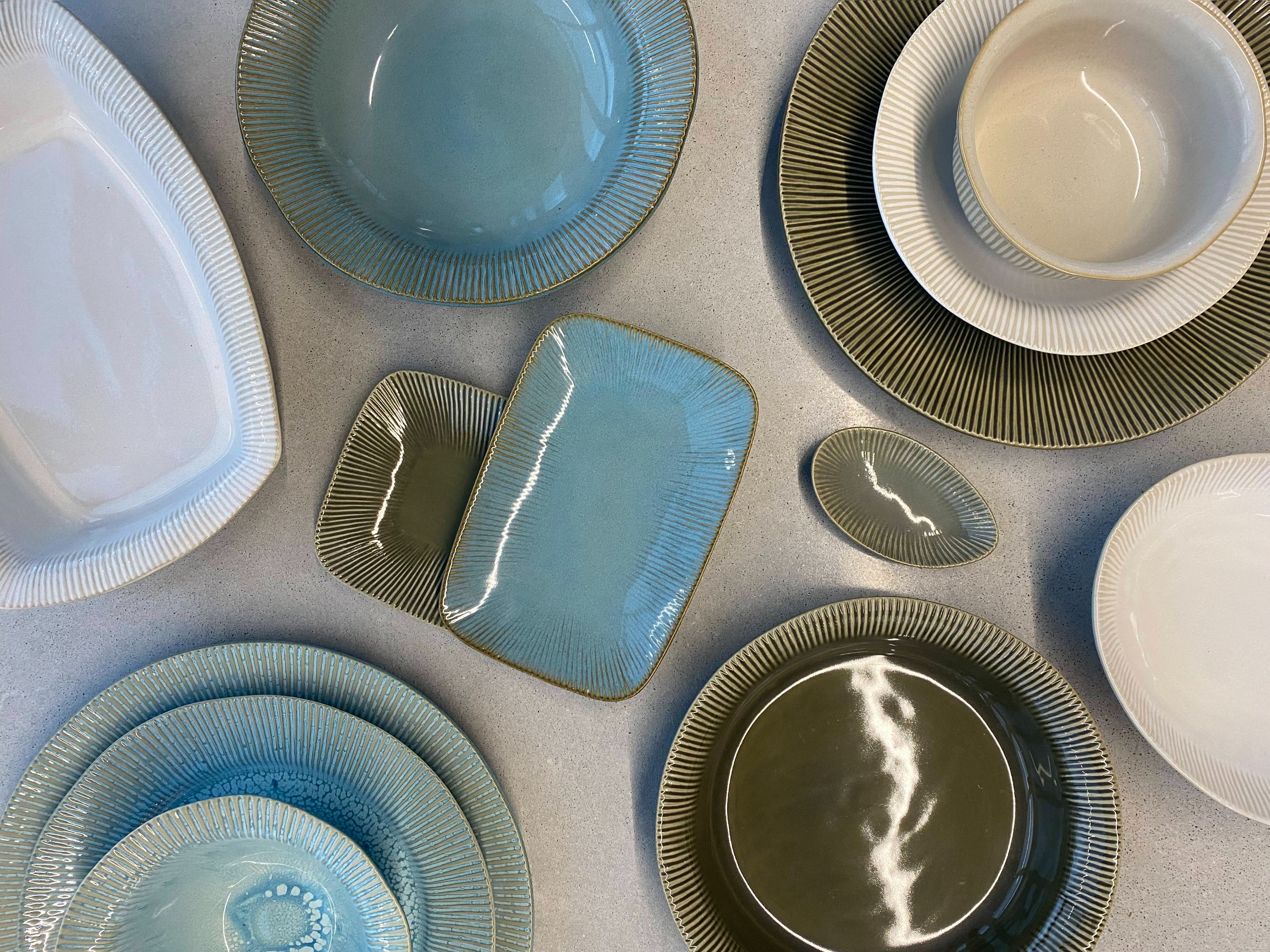
From raw clay formulation to final retail packaging, Cerages operates as an end-to-end partner for global brands and commercial hospitality procurement teams.
Located in Mortágua, Portugal, our integrated industrial complex houses our design studio, rapid plaster-mould tool shop, glaze chemistry laboratory, and high-efficiency automated kilns. This complete vertical integration keeps lead times tight and protects your proprietary intellectual property.
Key compliance, operational, and technical answers for commercial buyers and sourcing directors.
Connect directly with our Mortágua engineering team. Submit your 3D CAD files, technical drawings, or physical sample requirements for an enterprise cost evaluation.