Engineered for extreme thermal endurance, high-frequency dishwasher cycling, and aesthetic sophistication in professional foodservice environments.
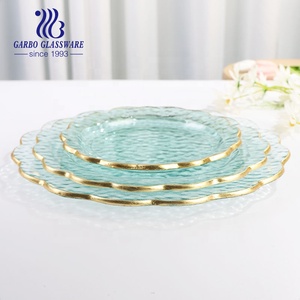
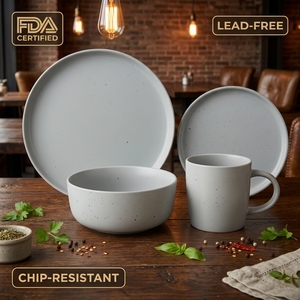
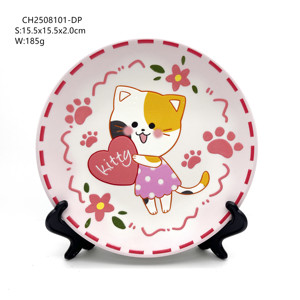
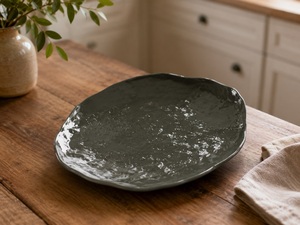
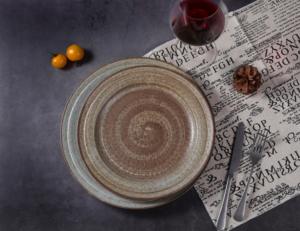
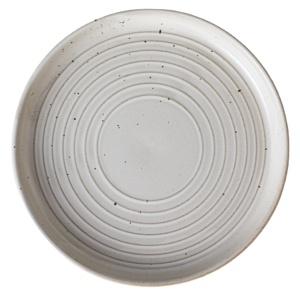
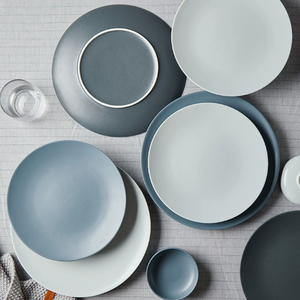
In the high-intensity hospitality sector, tableware is an operational asset. As a premier custom OEM manufacturer based in Portugal with decades of industrial heritage, Cerages delivers fully vitrified ceramic solutions designed for high volume, aesthetic distinction, and rigorous compliance.
Commercial restaurant tableware operates under punishing physical demands. Unlike residential ceramic plates, hospitality dinnerware experiences hundreds of automated high-temperature wash cycles per week, direct contact with metal utensils, thermal shock from convection ovens to ambient plating stations, and aggressive stacking loads. As an established OEM exporter, our manufacturing processes in Mortágua prioritize raw material purity, precision mold design, high-temperature single/double firing protocols, and strict edge-reinforcement engineering.
Anticipating shifts in material science, dining ergonomics, and global compliance standards for global hospitality procurement executives.
Global hotel chains are moving away from traditional earthenware to fully vitrified stoneware fired at temperatures exceeding 1250°C. This eliminates water absorption (<0.5%), preventing bacterial harborage, micro-cracking, and glaze crazing over extended operational lifecycles.
ESG procurement directives require transparent carbon footprint accounting. Modern ceramic manufacturing utilizes heat-recovery loops from tunnel kilns, fully recycled unfired clay scraps, and closed-loop wastewater filtration systems to align with European Green Deal guidelines.
High-end gastronomy demands organic, unique table presentation without sacrificing mass repeatability. Advanced reactive glazes—utilizing precise metallic oxide formulations during high-fire cycles—create one-of-a-kind tactile surfaces that remain 100% scratch-resistant and food-safe.
Kitchen storage space constraints in urban restaurant hubs have driven demand for foot-locking profiles and stack-engineered rim contours. OEM design teams now simulate drop dynamics and vertical compression stress to minimize back-of-house breakage rates by up to 35%.
Selecting the correct substrate is crucial for balancing unit procurement cost against lifetime replacement rate.
| Material Metric / Feature | Earthenware (Terracotta) | Commercial Porcelain | OEM Vitrified Stoneware (Cerages Standard) |
|---|---|---|---|
| Firing Temperature Range | 1,000°C – 1,150°C | 1,300°C – 1,400°C | 1,220°C – 1,280°C |
| Water Absorption Rate | > 5.0% (Porous) | < 0.1% (Non-Porous) | < 0.5% (Vitrified / Low-Porosity) |
| Thermal Shock Resistance (BS EN 1183) | Low (Prone to cracking) | Moderate to High | Exceptional (Oven-to-Table Safe) |
| Edge Chip Resistance Rating | Poor | High (Brittle on impact) | Superior (Dense Molecular Matrix) |
| Glaze Customization & Colors | High variety / Low durability | Limited color spectrum | 1,300+ Solid & Reactive Glazes |
| Commercial Dishwasher Suitability | Not Recommended | ✓ Compliant | ✓ Fully Certified |
From initial CAD rendering to final container loading, our centralized Mortágua plant delivers end-to-end quality management.
Our proprietary chemical library houses over 1,300 developed formulas in matte, satin, gloss, and reactive finishes. We match physical Pantone or RAL references with sub-microscopic glaze consistency.
Every production batch undergoes strict quality gates: raw material slip viscosity testing, ultrasonic thickness verification, thermal shock testing cycles, and heavy metal leach analysis (Lead/Cadmium).
We execute brand identity integration on the underside base of every item—offering relief mould engraving, underglaze decal transfer, or laser-etched backstamps for permanent private-label positioning.
To eliminate trans-oceanic transit loss, we engineer custom drop-tested master cartons, reinforced internal dividers, and fully wrapped wooden pallet configurations for seamless retail/warehouse unloading.
Our internal modelers translate 2D conceptual sketches or 3D CAD files into physical plaster working molds within 10–14 working days, drastically accelerating sample validation lead times.
Full compliance certifications provided per shipment: FDA 21 CFR 175.300, EU Framework Regulation EC 1935/2004, California Proposition 65, and German LFGB food contact safety protocols.
Everything you need to know about our OEM manufacturing workflow, minimum order quantities, compliance, and custom design processes.
Yes. Cerages operates as a dedicated B2B OEM/ODM manufacturer. We do not sell competing in-house consumer retail brands. Every product profile, glaze formulation, packaging design, and backstamp logo is created strictly to the custom specifications of our client partners (retailers, hotel groups, and brand owners).
Vitrified stoneware combines the organic, warm aesthetic of natural clay with the durability of high-fired ceramic. Fired between 1220°C and 1280°C, its low porosity (<0.5%) ensures high thermal shock resistance, preventing moisture absorption that causes cracking in ovens or commercial dishwashers. Additionally, stoneware supports a vastly superior range of artisanal reactive and matte glaze effects compared to technical porcelain.
Standard production MOQs generally start at 1,000 to 3,000 units per item/color shape depending on piece dimensions and glaze complexity. Physical sample development (from technical drawing or reference model to final fired sample) is completed within 14 to 21 days. Full batch production typically ships within 45 to 60 days post-sample sign-off.
Our internal glaze formulation laboratory uses spectrophotometers and raw mineral oxide compounding to match physical Pantone, RAL, or fabric samples. Once approved, the exact chemical recipe is cataloged and locked in our digital system to ensure complete color batch consistency across multi-year reorders.
Absolutely. All standard stoneware formulations are chemically engineered to withstand rapid temperature transitions (BS EN 1183 compliant). They pass intensive automated dishwasher cycles using industrial alkaline detergents without surface etching, fading, or edge chipping.
We test 100% of glaze batches to verify they are lead-free and cadmium-free. We supply certified independent third-party laboratory test reports (SGS/TÜV/Intertek) guaranteeing full compliance with US FDA 21 CFR 175.300, California Proposition 65, European Directive 84/500/EEC, and Regulation EC 1935/2004.
Connect directly with our Mortágua engineering and technical team. Send us your CAD drawings, sample photos, or target market requirements for a comprehensive feasibility evaluation and quotation within 24 hours.
Inquire Now