Engineered for intense commercial dishwashing, high-temperature thermal resistance, and exceptional aesthetic presentation in hotel and restaurant environments.
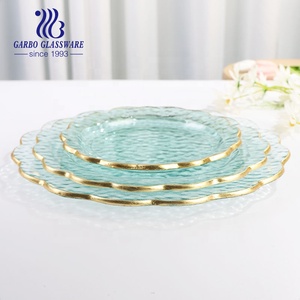
Premium soda-lime glass with electroplated heat-resistant gold trim. Ideal for upscale catering, banquets, and wedding dinnerware setups.
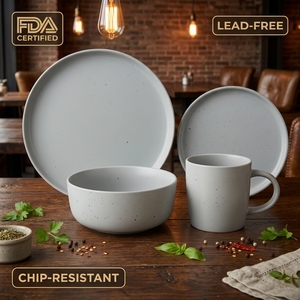
Commercial-grade vitrified stoneware. Leak-proof, stackable design formulated for heavy-duty commercial dishwashers and high-use hotel dining.
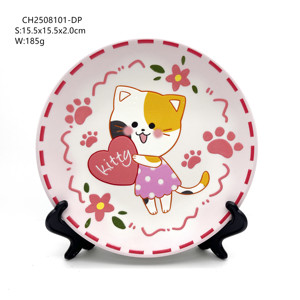
Custom tactile patterned stoneware produced with high-precision UV printing and protective clear glaze lock. Scratch-resistant surface protection.
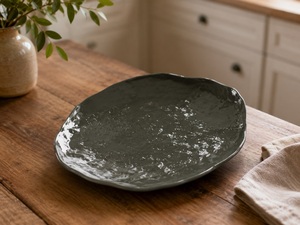
Architectural cement-look finish with low-porosity body (<0.5%). Perfect for modern fusion restaurants, sushi presentation, and steakhouses.
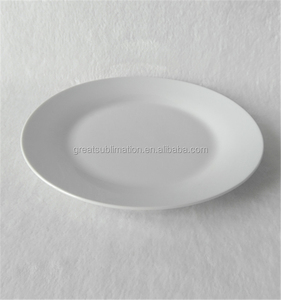
High-grade white stoneware substrate engineered for logo sublimation and custom backstamping. Meets EU and FDA food safety standards.
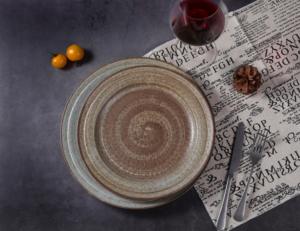
Artisanal organic rim profiles combined with industrial vitrification strength. Designed for fine dining venues seeking a rustic bespoke aesthetic.
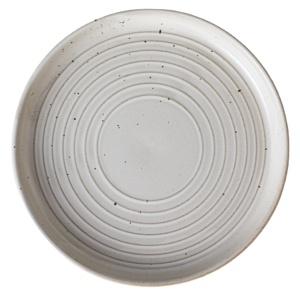
Vibrant high-temperature reactive glaze featuring concentric relief textures. Reinforced edge geometry significantly reduces chipping in commercial service.
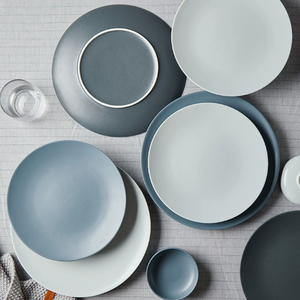
Underglaze hand-painted stoneware ceramic. Oven-to-table thermal endurance up to 250°C (482°F) with absolute color fastness after repeated washing.
In the professional hospitality, restaurant, and commercial dining sectors, selecting the correct ceramic substrate is not merely an aesthetic choice—it is a critical fiscal decision affecting Total Cost of Ownership (TCO), operational continuity, and brand identity. Commercial crockery operates under severe physical strain: continuous rapid mechanical dishwashing cycles at elevated temperatures, thermal shock transitions from freezer to convection oven, chemical erosion from acidic foodstuffs, and heavy impact stacking in high-volume pass-through kitchens.
As an established B2B OEM custom stoneware factory based in Mortágua, Portugal, Cerages SA has spent over three decades perfecting high-vitrification stoneware bodies specifically designed to solve the structural vulnerabilities common to traditional earthenware and lower-grade porcelain products.
| Performance Standard / Property | High-Vitrified OEM Stoneware (Cerages) | Standard Commercial Porcelain | Traditional Earthenware |
|---|---|---|---|
| Firing Temperature Range | 1,280°C – 1,320°C (High Vitrification) | 1,200°C – 1,250°C | 1,000°C – 1,150°C |
| Water Absorption Rate | < 0.5% (Non-porous body) | < 0.5% | 3.0% – 10.0% (Highly porous) |
| Thermal Shock Tolerance (ΔT) | Up to 200°C (EN 1183 Standard) | 140°C – 160°C | < 110°C (Prone to crazing) |
| Mechanical Edge Chipping Resilience | Superior (High Modulus of Rupture) | Moderate to High | Low (Rapid chipping rate) |
| Glaze Surface Hardness (Mohs Scale) | 6.5 – 7.0 (Scratch-resistant) | 6.0 – 6.5 | 4.5 – 5.5 (Shows cutlery marks) |
| Custom Aesthetic Agility | High (Reactive, Matt, Texture Glazes) | Moderate (Predominantly White/Monochrome) | High (Low durability) |
The distinction lies in the crystalline density achieved during high-temperature firing. When clay minerals (kaolin, ball clay, feldspar, and quartz) are exposed to temperatures exceeding 1,280°C, complete vitrification occurs. Liquid glass phases fill all internal capillary voids, transforming the clay matrix into a dense, non-porous monolith. This prevents liquid absorption, bacterial colonization, and internal hydraulic expansion during dishwashing—the primary catalyst for internal structural cracking in commercial kitchens.
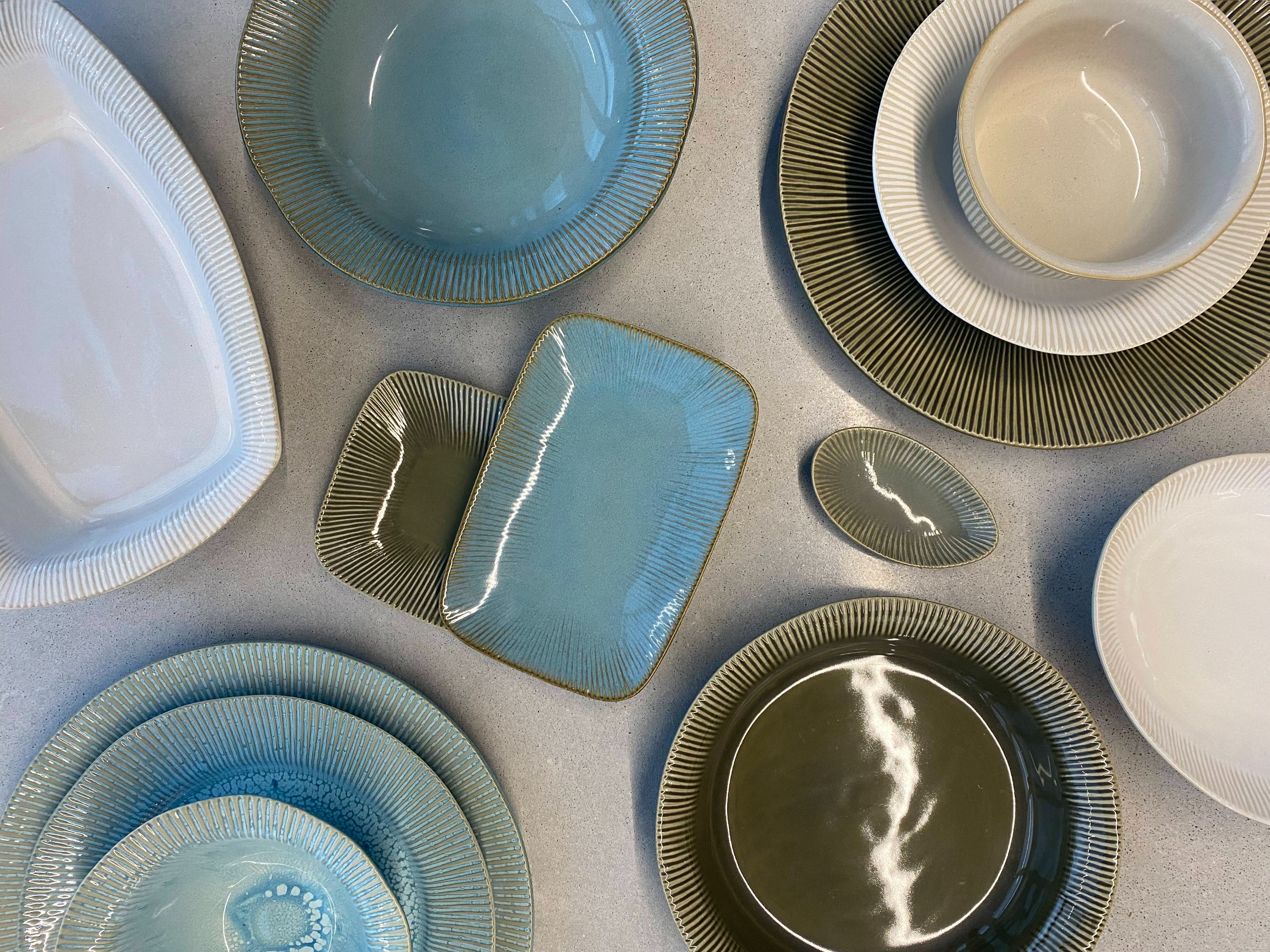
Glaze is not merely a decorative coating; it is a structural barrier that works in harmony with the underlying stoneware body. Our in-house research laboratory maintains a database of over 1,300 specialized glaze formulations, spanning solid gloss, ultra-matt tactile, metallic oxides, and organic reactive glazes.
By matching the thermal expansion coefficient (CTE) of the custom glaze formulation to the exact clay body recipe, our engineers completely eliminate the phenomenon of crazing (micro-cracking of the glaze layer). Furthermore, all glazes undergo rigorous chemical leaching tests to ensure 100% compliance with international food-contact safety regulations, including FDA 21 CFR 175.300, California Proposition 65, and European Directive 84/500/EEC.
From initial concept sketch to mass kiln firing and custom backstamping, every stage of our commercial tableware manufacturing is unified under one roof in Mortágua, Portugal.
Client designs, 3D STEP files, or physical reference samples are evaluated by ceramic technicians for wall uniformness, rim thickness, stacking ergonomics, and drying shrinkage behavior. Rapid 3D resin models are produced for physical approval prior to plaster tooling.
Master working moulds are manufactured on-site using high-density gypsum plaster. We engineer specialized press moulds for pressure casting irregular sculptural forms, alongside precision jiggering and jollying moulds for circular plates, bowls, and serving platters.
Glazes are applied via automated robotic spraying, manual dipping, or hand-painted brushwork for reactive finishes. Custom color matching is performed against Pantone, RAL, or physical tile controls in our colorimetric laboratory.
Articles undergo a dual-stage firing regime: an initial bisque firing at 950°C to eliminate organic material, followed by a glost firing in continuous tunnel kilns reaching up to 1,320°C. Kiln atmospheres are tightly controlled to achieve exact glaze chemical reactions.
Each finished item receives an indelible fired-in backstamp featuring your brand logo, batch number, and country of origin. 100% manual inspection is performed to verify dimensional tolerance, glaze uniformness, and foot ring smoothness.
Products are packaged according to commercial distribution specs or direct-to-consumer e-commerce drop-test packaging (ISTAA certified). Pallets are shrink-wrapped and strapped for safe global ocean freight shipping.
The commercial tableware market is undergoing a structural paradigm shift driven by changing consumer dining aesthetics, stringent ESG (Environmental, Social, and Governance) purchasing policies, and supply chain risk mitigation. B2B procurement managers, hotel procurement directors, and tabletop distributors are recalibrating their vendor selection criteria based on three macro trends:
While clinical white porcelain dominated hospitality table settings for decades, contemporary commercial dining spaces—ranging from boutique lifestyle hotels to Michelin-starred establishments—increasingly demand tactile, organic tableware. Reactive glaze stoneware provides an artisanal, handcrafted appearance where no two pieces are identical, yet maintains absolute dimensional uniformity for standard commercial stacking.
Supply chain disruptions, volatile cross-continental shipping costs, and rising tariffs have highlighted the strategic necessity of sourcing within Europe. Manufacturing stoneware in Mortágua, Portugal offers international buyers stable lead times, zero risk of transpacific logistics bottlenecks, full adherence to strict EU labor standards, and seamless access to Western procurement hubs.
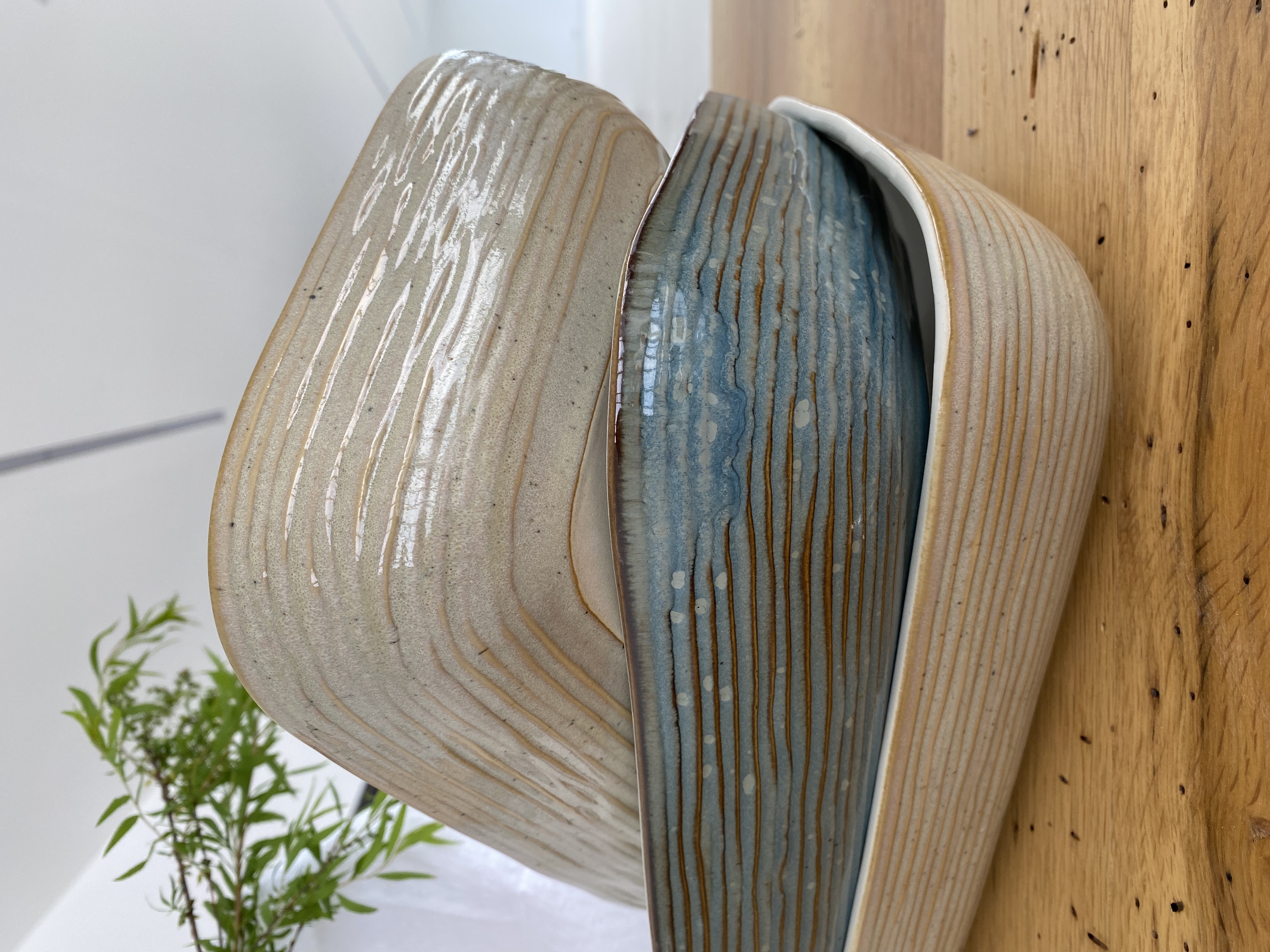
Sustainability has evolved from a marketing preference to a core procurement requirement. At Cerages, our manufacturing process integrates sustainable ceramic practices: 100% of unfired clay scraps (greenware) are reclaimed back into raw slurry, 85% of industrial process water is purified and recycled in closed loops, and heat recovery exchangers harvest surplus energy from kiln cooling zones to pre-heat greenware drying chambers.
Technical insights and operational details for international procurement officers, distributors, and brand owners.
Before issuing a Request for Quotation (RFQ) to a ceramic factory, commercial buyers should define key operational parameters. Use this engineering checklist to accelerate your custom project onboarding:
Will the tableware undergo thermal shocks (e.g., salamanders, broilers, rapid cold plating)? Specify maximum temperature differentials (ΔT).
Does your kitchen or banquet storage require fully stackable foot-to-rim interlocking profiles to maximize shelf efficiency and prevent tipping?
High-velocity commercial dining requires glazes with a Mohs hardness > 6 to resist metal marking caused by stainless steel cutlery over extended use.
Determine whether your logo should be debossed directly into the plaster mould base, applied via underglaze ceramic decal, or silk-screen printed prior to firing.
Commercial hospitality buyers often prefer bulk inner boxes (6 or 12 units) with minimal plastic, whereas retail private labels require individual gift boxes with barcoding.
Identify destination country compliance mandates (e.g., FDA, Prop 65, EU 1935/2004, LFGB) so testing protocols are baked into early sampling.
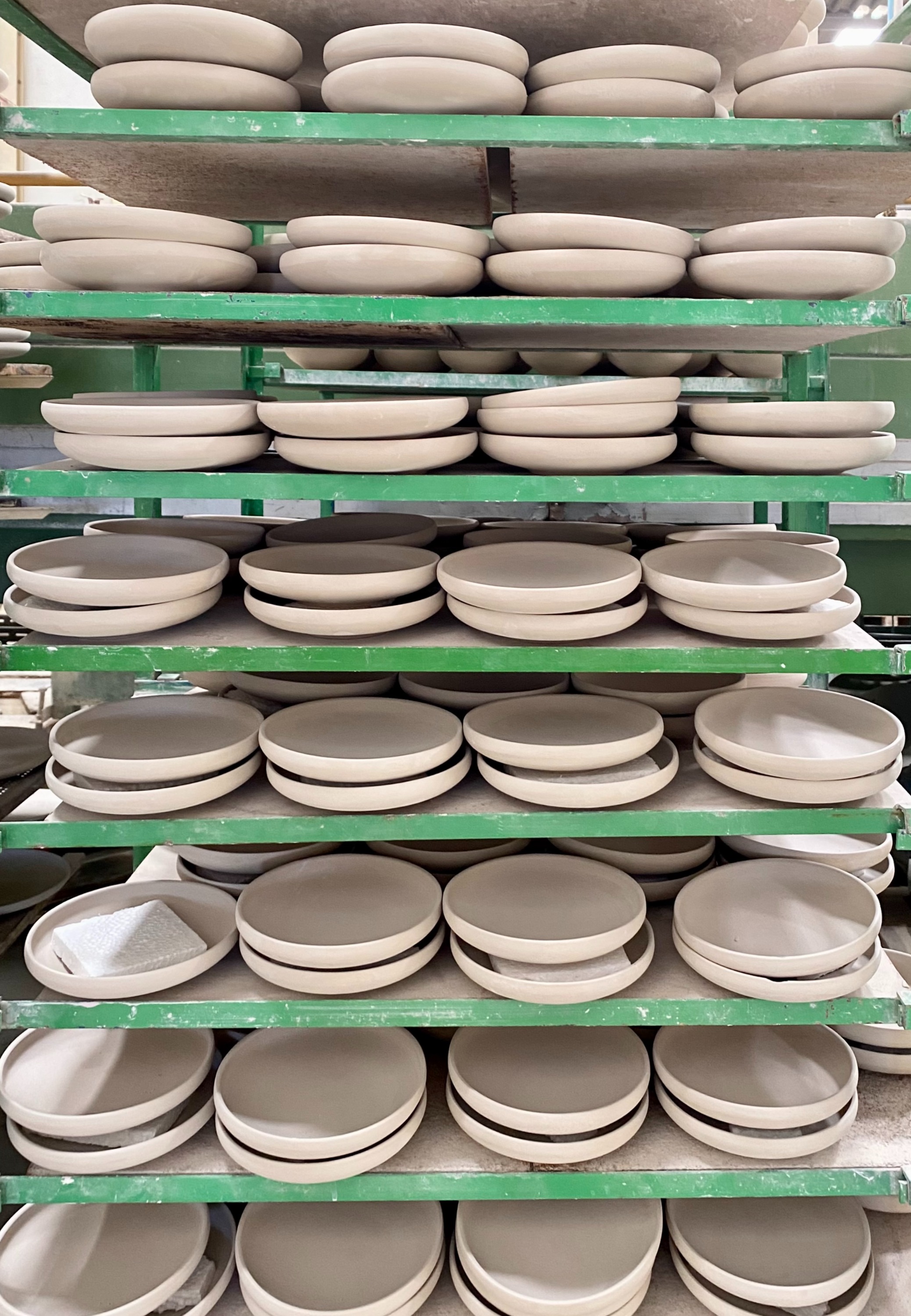
Operating from Portugal’s historic ceramic manufacturing heartland, Cerages SA bridges traditional European craftsmanship with modern automated industrial engineering. Under our ISO 9001:2015 certified quality framework, every production batch is logged, tested, and tracked from raw clay receiving to final container seal.
By eliminating middleman trading agents and working directly with our technical factory team in Mortágua, enterprise buyers gain complete control over product design, material integrity, supply timelines, and price structure.
Speak directly with our engineering team in Mortágua, Portugal. Submit your project brief, custom glaze targets, or 3D drawings to receive technical feasibility reviews and competitive wholesale factory pricing.
