Engineered for thermal shock resistance (up to 250°C delta-T), zero-porosity vitrification, and commercial dishwashing durability. Browse our core OEM export models below.
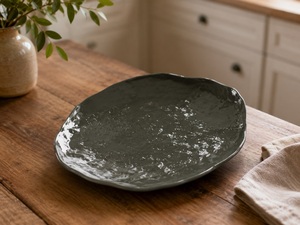
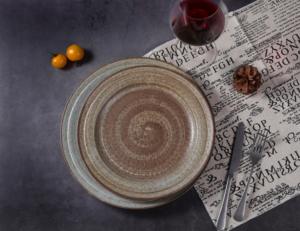
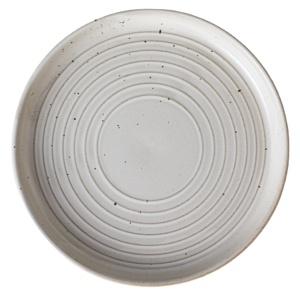
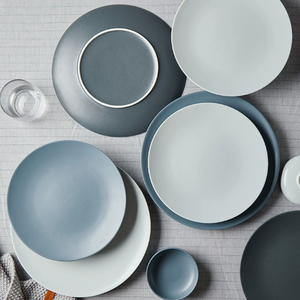
As a leading Portuguese stoneware manufacturer operating out of Mortágua since 1993, Cerages SA has spent three decades refining the precise interplay between raw clay formulations, mineral glazes, and high-temperature vitrification kilns. In the realm of commercial baking dishes and bakeware export, structural integrity is not merely aesthetic—it is a rigorous chemical and thermal engineering discipline.
Unlike standard earthenware, which retains porosity and suffers from low mechanical strength, our OEM baking dishes are fired at temperatures reaching 1250°C to 1300°C. This converts the internal kaolin and feldspar clay matrix into a dense, vitrified body with a water absorption rate under 0.5%. The result is a non-porous ceramic roasting pan or casserole dish that prevents moisture absorption, eliminates cracking under thermal shock, and withstands rigorous food service sanitation standard cycles.
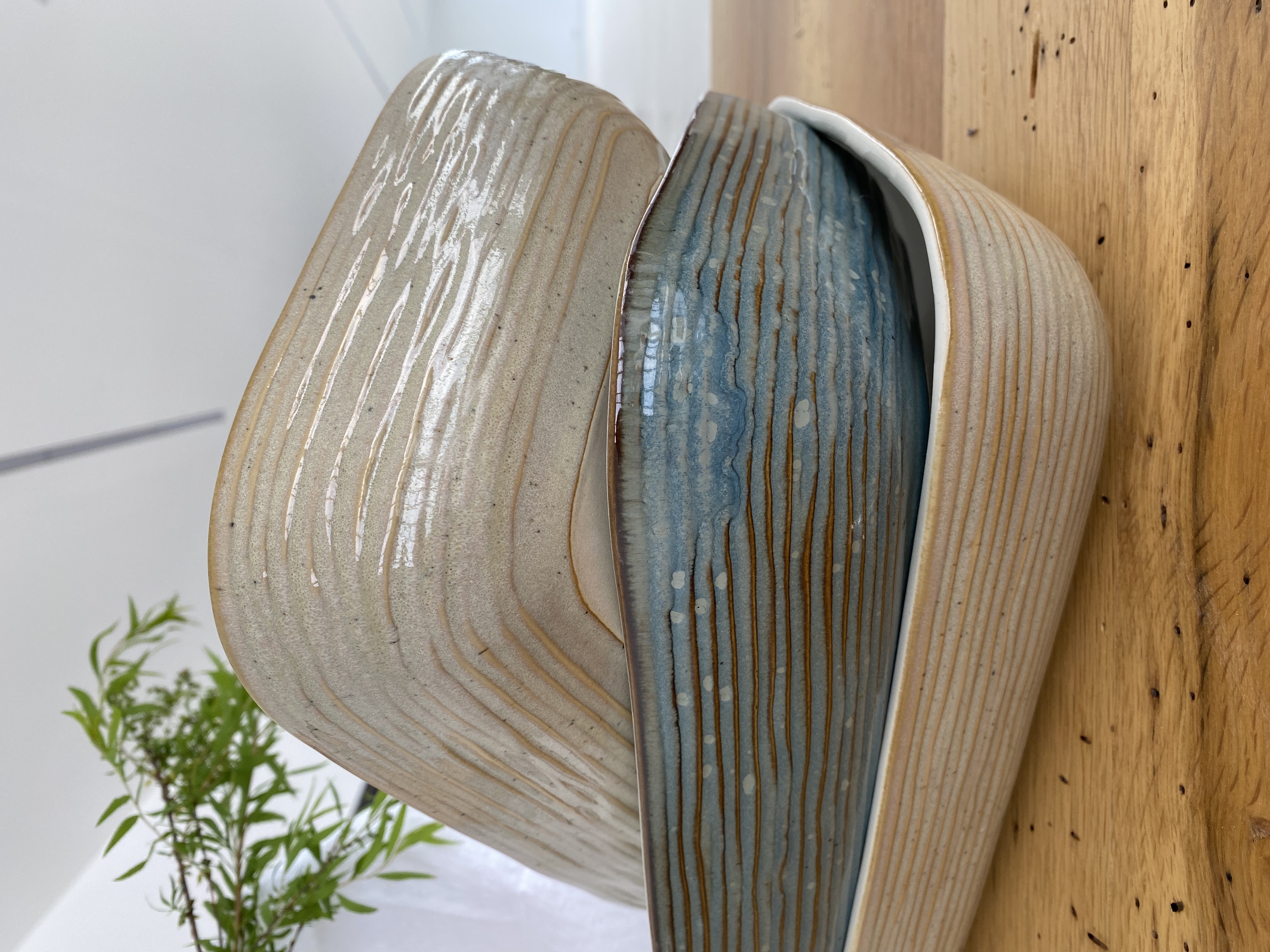
Sourcing directors and global procurement managers must align their supply chains with evolving regulatory frameworks, consumer behaviors, and manufacturing economics.
Global buyers are aggressively diversifying away from single-source Asian hubs to mitigate ocean freight volatility and long lead times. Sourcing OEM baking dishes from European hubs like Portugal provides 4-day transit times across Europe and streamlined 10-to-14-day sea shipping to North America, drastically lowering safety stock buffer requirements.
Regulatory mandates in the EU and North America require complete carbon accounting across Scope 1, 2, and 3 emissions. Modern OEM suppliers are adopting heat-recovery system kilns, closed-loop process water recycling, and recycled unfired clay body loops—ensuring retail brands meet strict corporate sustainability benchmarks.
High minimum order quantities (MOQs) of 50,000 units are being replaced by demand for modular flexibility. Retailers require custom backstamps, unique reactive glaze treatments, and bespoke colorways executed on standardized ergonomic baking molds in agile batches of 1,000 to 5,000 units per variant.
Deep breakdown of ceramic engineering advancements shaping the next generation of high-performance baking dishes and cookware.
Traditional ceramic bakeware suffers structural failure due to uneven thermal expansion when transferred directly from freezer temperatures (-20°C) to preheated baking ovens (+220°C). Our R&D laboratory addresses this through precise additions of lithium-bearing minerals (spodumene) and synthetic cordierite phases within the stoneware body.
By lowering the Coefficient of Thermal Expansion (CTE) to under $3.5 \times 10^{-6} K^{-1}$, the internal stress induced by rapid heating gradients is minimized. This enables OEM export baking dishes to pass zero-defect thermal shock testing (250°C water quench tests), fulfilling the stringent demands of modern home chefs and high-volume commercial kitchens.
| Material / Physical Parameter | Earthenware (Low-Fire) | Standard Porcelain | Cerages High-Fired OEM Stoneware |
|---|---|---|---|
| Firing Temperature | 1000°C – 1150°C | 1300°C – 1400°C | 1250°C – 1280°C (Vitrified) |
| Water Absorption Rate | > 5.0% (Porous) | < 0.1% (Vitreous) | < 0.5% (Engineered Low-Porosity) |
| Thermal Shock Resistance ($\Delta T$) | 140°C Max | 180°C Max | 220°C – 250°C (Optimized Spodumene Body) |
| Edge Chipping Resistance | Low / Vulnerable | Medium / Brittle | High (Impact Resistance Mold Geometry) |
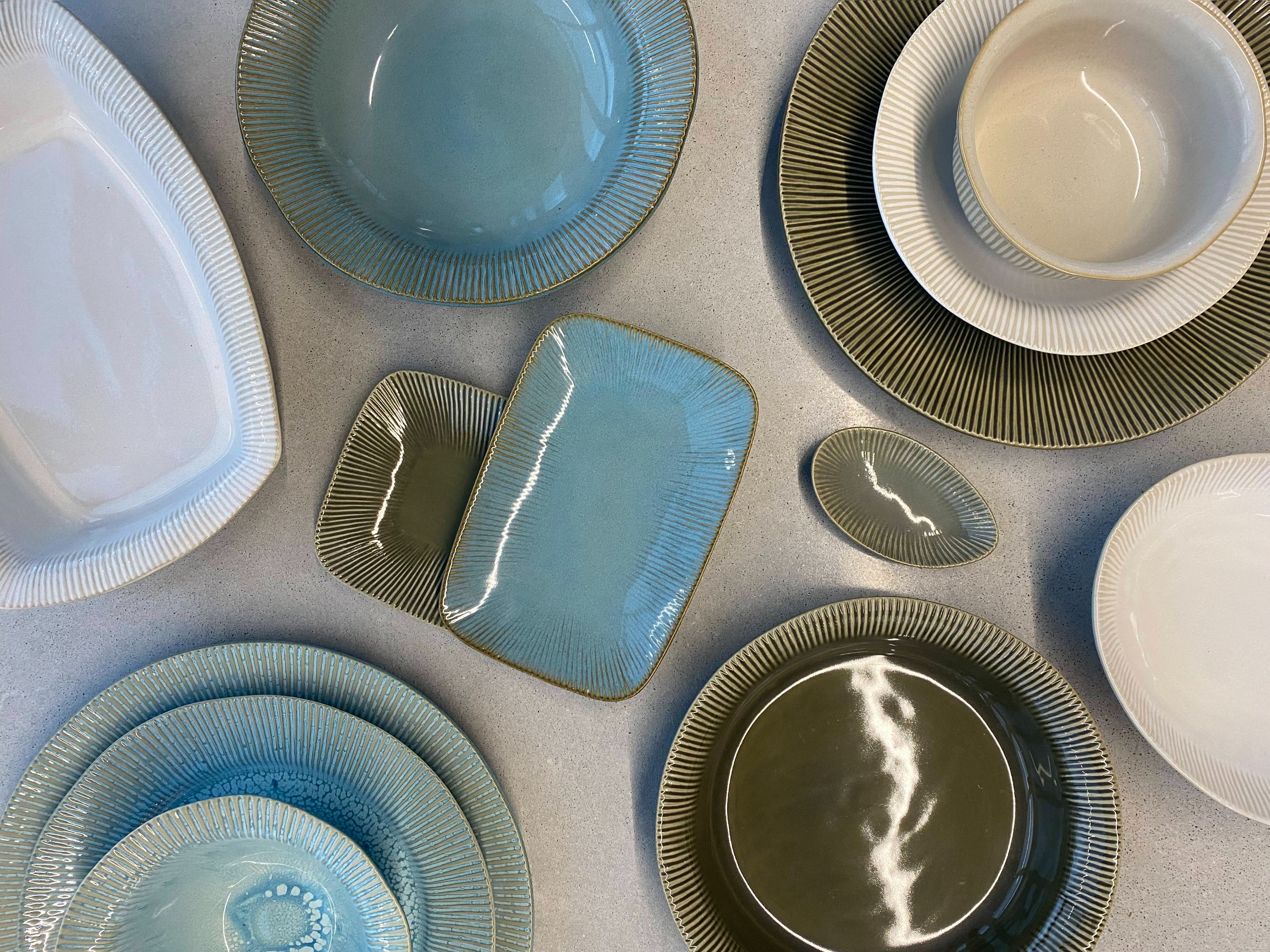
| Glaze Options & Depth | Basic Gloss / Matte | Limited Color Spectrum | 1,300+ Reactive, Matte, Gloss & Tactile Finishes |
From single-concept 3D CAD models to mass container export shipping, our facility is structured specifically for private label clients.
Our chemical engineering studio houses over 1,300 developed glaze formulations, including reactive glaze dynamics, satin matte finishes, speckled stone aesthetics, and high-gloss translucent colors. We match Pantone or physical references with absolute batch-to-batch color fidelity.
Every production batch undergoes strict quality control gates. From raw clay moisture sampling and automated jigger-jolly wall thickness measurement to post-firing sound reverberation checks and dimensional tolerance audits, quality is systematically documented.
We safeguard your brand equity. Base stamps can be debossed directly into the master plaster mold, screen-printed under-glaze, or laser-etched post-firing. All packaging—from e-commerce drop-ship drop-test cartons to retail display boxes—is customized to your buyer guidelines.
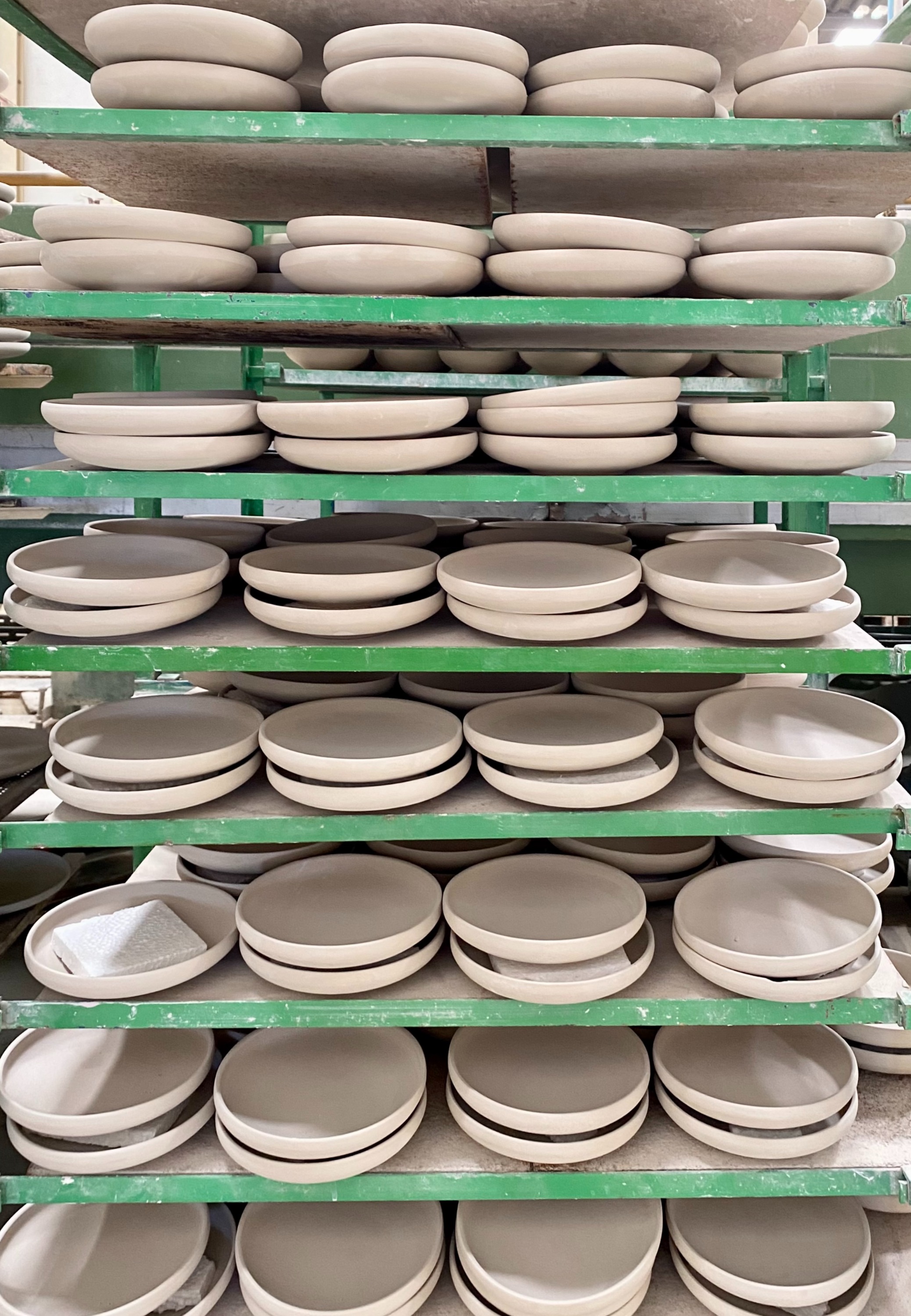
Executing custom ceramic bakeware projects requires meticulous calculation for clay shrinkage (typically 10% to 14% during drying and vitrification firing). Our structured process ensures pre-production samples match your final production run exactly:
Comprehensive technical and commercial answers designed for B2B buyers, product managers, and supply chain directors.
Our standard minimum order quantity starts at 1,000 to 2,500 pieces per shape/color variant, depending on dish size and casting complexity. For established retail chains and distributors launching multi-piece bakeware sets, we offer flexible container-load mix options across complementary shapes.
Vitrified stoneware provides superior thermal density, ensuring gentle, uniform heat distribution that prevents scorching during baking. Compared to glass, stoneware allows for rich aesthetic glazes and custom hand-finishing. Compared to high-translucency porcelain, stoneware offers superior chip resistance and rustic depth while remaining fully oven, microwave, freezer, and dishwasher safe.
Yes. All glazes developed in our Mortágua facility undergo third-party chemical leach testing. We provide official compliance certificates for FDA 21 CFR 175.300, California Proposition 65, European LFGB, and EU Directive 84/500/EEC. Heavy metal leach levels are strictly undetectable or well below regulatory standard thresholds.
Rapid sampling takes approximately 2 to 3 weeks from 3D CAD drawing approval. Upon physical sample sign-off, full production runs generally require 6 to 8 weeks depending on glaze complexity and order volume. Transit times from Portugal to European ports are 3 to 5 days, and to major US ports, 12 to 16 days.
Absolute precision glaze matching is one of our primary core competencies. Our ceramic engineers analyze target glaze samples using spectrophotometry and chemical composition mapping to recreate identical reaction patterns, color tones, and surface tactile finishes within our kilns.
Yes. We design custom inner packaging incorporating molded high-density foam, honeycomb paper buffers, and reinforced 5-ply corrugated outer boxes certified under ISTA 1A or 3A drop-test procedures, guaranteeing zero transit breakage for online retail distribution.
Consult directly with our technical ceramic engineering team in Mortágua. Request custom mold development, glaze matching, or container quotation tailored to your market specifications.