
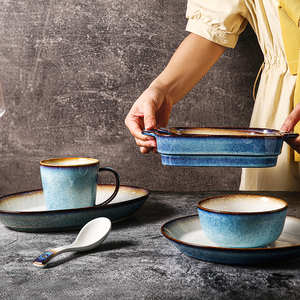
Direct OEM/ODM enterprise solutions for hospitality dinnerware, high-traffic commercial flooring, and custom architectural porcelain slabs.
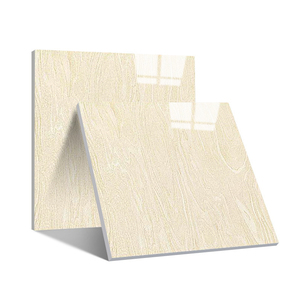
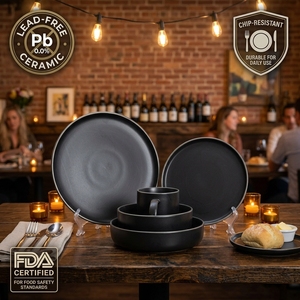
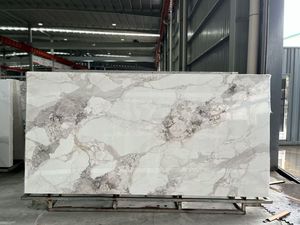
As global retail chains, hospitality enterprise procurement officers, and architectural firms scale their operations, China remains the undisputed global hub for advanced ceramic and porcelain manufacturing. Modern Chinese ceramics factories have evolved beyond basic low-cost production into world-class technical facilities equipped with computer-controlled continuous tunnel kilns, automated robotic glazing arms, and advanced in-house R&D laboratories.
Navigating this ecosystem requires an understanding of regional industrial clusters and material specifications. From the specialized daily-use tableware hub in Chaozhou and the high-tech architectural ceramic slab cluster in Foshan, to specialized artisan glaze centers, Chinese suppliers integrate robust raw-material supply chains with rigorous international compliance.
Selecting the exact ceramic body material is essential for balancing mechanical durability, thermal shock resistance, and unit production cost.
| Ceramic Body Type | Firing Temperature | Water Absorption Index | Thermal Shock Limits | Primary Commercial Use Cases |
|---|---|---|---|---|
| Earthenware | 1000°C – 1150°C | 5.0% – 10.0% | Low (Up to 120°C ΔT) | Decorative accentware, low-stress indoor pottery, budget retail items. |
| Vitrified Stoneware | 1200°C – 1280°C | 0.5% – 2.0% | High (Up to 180°C ΔT) | Rustic restaurant dinnerware, oven-to-table cookware, specialty coffee mugs. |
| Hard Commercial Porcelain | 1300°C – 1380°C | < 0.2% | Superior (Up to 220°C ΔT) | High-traffic hotel dinnerware, heavy-duty banquet plates, laboratory ceramics. |
| Sintered Stone Slabs | 1250°C – 1300°C (30k Ton Press) | < 0.05% | Extreme (Direct Heat & Scratch Resistant) | Architectural facades, kitchen countertops, large-format commercial flooring. |
Why international retailers, hotel groups, and distributors partner with top-tier OEM/ODM factories in China.
Our dedicated glaze laboratories formulate over 1,300 distinct glaze compositions—ranging from metallic reactive glazes and velvet mattes to high-gloss crystal finishes—ensuring unique aesthetic identities for private label brands.
Strict quality management operating under ISO 9001:2015 frameworks. Every shipment is tested to comply with international food contact standards, including FDA 21 CFR, EU Directive 84/500/EEC, and California Prop 65 lead/cadmium limits.
Full technical support for turnkey OEM/ODM development. From 3D CAD modeling and rapid plaster prototyping to permanent underglaze laser-engraved backstamps carrying your exclusive brand mark.
Engineered with high-alumina clay bodies subjected to multi-stage temperature curves. Finished products exhibit exceptional impact durability, edge-chip resistance, and thermal tolerance from freezer-to-oven transitions.
As sustainability mandates tighten and consumer design preferences shift, B2B procurement teams must align with emerging manufacturing capabilities. The next decade of ceramic production prioritizes chemical safety, resource recovery, and modular material versatility.
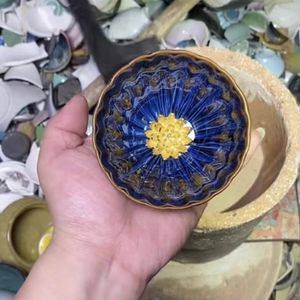
Commercial hospitality operators are shifting away from plain monochrome porcelain toward rustic, organic reactive glazes. Advanced kiln firing allows factories to produce controlled glaze variations—giving each piece a hand-crafted, bespoke look while maintaining uniform stacking dimensions required for commercial dishwashers.
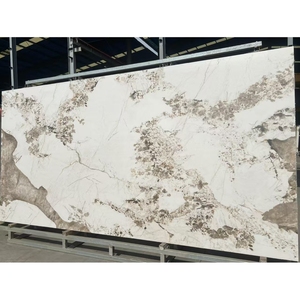
Large-format sintered stone slabs (such as 12mm and 6mm profiles) are replacing natural marble and granite in commercial real estate. Sintered stone delivers zero porosity, UV resistance, and heat immunity, allowing seamless integration across indoor floors, outdoor cladding, and custom dining furniture.
Top Chinese suppliers are implementing closed-loop water filtration and recovering up to 98% of unfired clay greenware back into production lines. Furthermore, clean natural-gas tunnel kilns and heat-recovery systems significantly reduce the carbon footprint per ton of fired ceramic.
From initial design concept to international port delivery—how leading factories execute private label orders.
Review of 2D/3D CAD files, dimensions, target weight, stacking parameters, and intended glaze finishes.
Precision CNC master models and plaster production moulds engineered to compensate for precise thermal shrinkage.
Custom glaze formulation and physical sample firing to lock in exact pantone colors, texture, and matte/gloss levels.
Automated pressure casting or slip molding followed by multi-zone tunnel kiln firing up to 1380°C.
100% manual surface inspection, pinhole checking, drop-test drop-proof packaging, and pallet loading.
Key technical and operational guidance for international buyers purchasing wholesale ceramics from China.
Whether you require custom private label dinnerware collections, high-volume hotel crockery, or architectural porcelain slabs, our engineering team is ready to bring your vision to market.