Explore our factory-direct B2B serveware series engineered for high thermal endurance, low porosity, custom glaze finishing, and rigorous commercial performance standards.
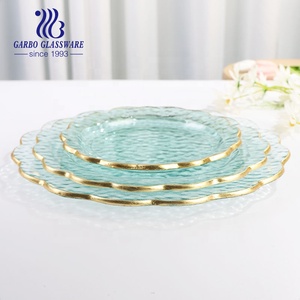
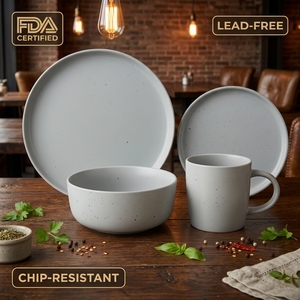
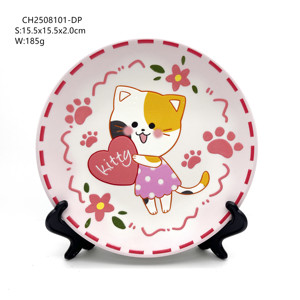
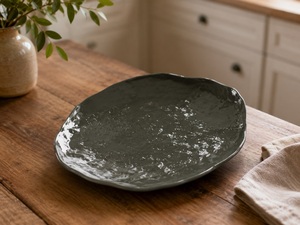
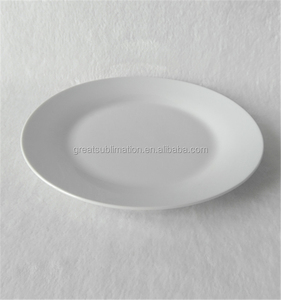
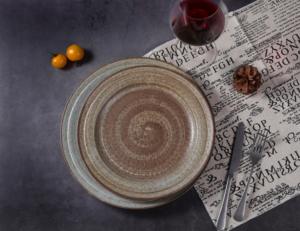
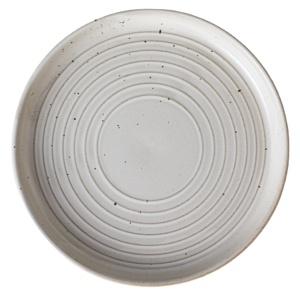
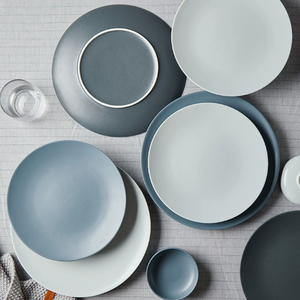
As a premier Chinese stoneware serveware manufacturer with deep-rooted metallurgical and ceramic expertise, we bridge artisanal craftsmanship with high-capacity automated production lines.
High-temperature tunnel kilns ensure ultra-dense clay structures with water absorption < 0.5%.
In-house chemical laboratory capable of matching Pantone standards, reactive finishes, and matte textures.
Fully certified quality assurance framework with BSCI, SEDEX, and comprehensive internal audit protocols.
End-to-end custom mold production, backstamp stamping, private branding, and specialized drop-test packaging.
Understanding ceramic formulation: How structural density, kaolin purity, and high-fire glaze matrix chemistry determine B2B serveware longevity in high-volume hospitality and retail environments.
In global B2B procurement, choosing the correct ceramic substrate is the single most critical factor influencing product lifespan, customer satisfaction, and commercial return on investment. Stoneware occupies a unique technical threshold within the ceramic hierarchy—combining the organic, tactile warmth of earthenware with the non-porous structural strength of porcelain.
Our manufacturing facility utilizes a meticulously calibrated raw material blend consisting of high-purity kaolin clay, feldspar, quartz, and ball clay. Through advanced body formulation, our stoneware is subjected to high-temperature single-fire and double-fire processes exceeding 1250°C (2282°F). At this precise thermal zone, the clay body undergoes full vitrification, transforming silicate minerals into a dense, non-porous crystalline matrix.
To assist global procurement managers and brand buyers in making data-backed sourcing decisions, the matrix below outlines the key technical parameters across primary ceramic categories:
| Performance Parameter | Commercial Stoneware (Our Standard) | Earthenware / Terracotta | Hard Porcelain |
|---|---|---|---|
| Firing Temperature Range | 1200°C – 1280°C | 900°C – 1100°C | 1300°C – 1400°C |
| Water Absorption Rate | < 0.5% (Vitrified) | 5.0% – 12.0% (Porous) | < 0.1% (Fully Vitrified) |
| Thermal Shock Resistance (ΔT) | Safe up to 180°C – 220°C ΔT | Poor (< 100°C ΔT) | Moderate (150°C – 180°C ΔT) |
| Edge Mechanical Chip Resistance | High (Reinforced Rim Geometry) | Very Low (Prone to chipping) | Extremely High |
| Surface Glaze Versatility | Reactive, Satin Matte, Glossy, Metallic | Basic Glossy / Low-temp Lead Glazes | Predominantly White Gloss / Limited Reactive |
| Commercial Dishwasher Safety | 5,000+ Wash Cycles (EN 12875-1) | Not Recommended for Commercial Use | 5,000+ Wash Cycles |
| Food Contact Compliance | FDA 21 CFR, LFGB, EU Directive 84/500/EEC | Requires Strict Heavy Metal Monitoring | FDA, LFGB, EU Compliant |
A central pillar of our E-E-A-T commitment is absolute chemical purity and environmental safety. Glazes on serveware are not merely ornamental coatings; they form the primary food-contact barrier. Our in-house chemical laboratories strictly formulate glazes using raw materials free from lead, cadmium, and hazardous heavy metals.
Through precise thermal expansion matching between the stoneware body and the glaze layer, our products eliminate the risk of micro-crazing—a common defect in inferior ceramics that allows bacterial proliferation and moisture absorption. Whether engineered with a translucent reactive glaze showcasing artistic color gradients or a silky satin matte finish, every batch is certified by independent testing laboratories (SGS, TUV, Bureau Veritas) to comply with international regulations including California Proposition 65 and European LFGB standards.
From technical CAD drawings and 3D prototyping to custom backstamps and retail-ready packaging, we offer full-spectrum private label manufacturing for buyers across North America, Europe, Asia, and Oceania.
Our engineering team converts client sketches, 3D render files, or physical reference samples into production-ready plaster and steel molds. We engineer specific wall thicknesses, stackability rims for commercial storage, and optimized base radii to prevent thermal stress fractures during high-heat usage.
With an archive containing over 1,300 developed glaze formulations—ranging from rustic reactive speckled glazes to sleek minimalist matte tones—our laboratory can match any custom Pantone shade or achieve unique artistic effects tailored exclusively to your brand identity.
Reinforce your brand's market equity. We execute custom backstamps (logo, origin mark, care instructions, item code) via deep mold engraving, underglaze pad printing, or high-fire ceramic decals that seamlessly fuse into the stoneware base, guaranteeing lifetime durability.
Protect your products across complex global logistics chains. We provide fully custom mail-order packaging, ISTA-certified 3A/6A drop-test packaging, gift boxes with custom foam/corrugated inserts, barcodes, and FSC-certified eco-friendly wrapping options.
Specially engineered stoneware formulations designed for seamless transitions from freezer to preheated ovens up to 250°C (482°F). Ideal for commercial bakeware, lasagna pans, baking dishes, and oven-to-table serveware lines.
Equipped with continuous automated roller hearth kilns and robotic dipping systems, we guarantee consistent dimensional tolerances, exact color matching across reorders, and monthly production volumes exceeding 1.5 million pieces.
Initial design evaluation, CAD/technical drawing verification, target price alignment, and glaze selection.
Precision prototyping, physical plaster mold creation, and initial clay body shrinkage calculation.
Kiln sample production featuring custom glaze, logo backstamp, and lab testing for food safety compliance.
Automated shaping, high-temp tunnel kiln vitrification, rigorous in-line quality control inspection.
Final AQL 2.5/4.0 inspection, drop-test packaging, container loading, and global door-to-door delivery.
Navigating the evolving global ceramic landscape: Strategic insights for retail buyers, hospitality purchasing directors, and brand developers over the next decade.
Consumer preferences in table presentation are rapidly evolving away from rigid, sterile white porcelain toward warm, handcrafted aesthetics. Reactive glazes—where metal oxides interact dynamically with kiln heat to produce non-identical color variations—have moved from niche boutique ceramics to mainstream retail and hospitality. Buyers are seeking stoneware items that deliver "artisanal individuality" while maintaining full industrial dishwasher and microwave durability.
Global retailers and enterprise buyers in North America and Europe are setting strict ESG (Environmental, Social, and Governance) targets for their supply chains. Our factory leads the Chinese stoneware sector in sustainable practices:
Commercial restaurants, hotels, and modern consumers demand versatility. Serveware that seamlessly transitions from deep-freezer storage to high-heat ovens, microwave reheating, and direct table presentation eliminates intermediate plating, drastically reducing labor costs and kitchen breakage rates. Stoneware's exceptional thermal mass retains food temperature longer, providing an elevated dining experience.
Intermediate trading houses often add unnecessary markups, communication lag, and quality control blind spots. Forward-thinking procurement teams are establishing direct partnerships with established Chinese stoneware factories that possess in-house R&D laboratories, ISO-certified management, and dedicated international trade support teams.
Get immediate clarity on minimum order quantities, customization parameters, quality compliance, and production lead times.
Our standard MOQ for custom shape or custom glaze stoneware production typically starts at 1,000 to 3,000 pieces per item/color, depending on piece dimensions and glaze complexity. For established collections utilizing existing molds with custom glaze colorways, lower trial quantities can be accommodated upon consultation.
Yes. All ceramic bodies and glaze formulations undergo rigorous batch testing for heavy metal leaching. Our products fully comply with FDA 21 CFR 175.300, European LFGB (EC No. 1935/2004), EU Directive 84/500/EEC, and California Proposition 65 requirements. Official test certificates from SGS or TUV are provided per project.
Stoneware is fired at high temperatures (1200°C–1280°C) until vitrified, yielding a water absorption rate under 0.5%. This renders it significantly stronger and less prone to chipping than earthenware (which remains porous). While porcelain is slightly denser, stoneware offers far greater glaze versatility, superior thermal shock tolerance for ovenware, and a desirable tactile weight favored by premium hospitality brands.
Absolutely. Our chemical engineers specialize in glaze R&D. We can match solid Pantone reference colors as well as complex, multi-layered reactive glazes based on physical swatches, photos, or design briefs. Pre-production physical samples are delivered for formal sign-off before mass production begins.
Sample development and 3D plaster mold creation generally require 10 to 15 business days. Upon sample approval and deposit confirmation, mass production lead time is typically 35 to 45 days, depending on order volume and kiln scheduling.
We engineer custom packaging solutions including heavy-duty 5-ply corrugated outer cartons, internal egg-crate dividers, molded EPE/EPS foam casings, and individual retail gift boxes. We perform rigorous ISTA 3A drop testing in-house to ensure zero breakage during transit across sea freight, air freight, and e-commerce courier delivery.
