Discover our engineered range of high-performance casserole dishes spanning borosilicate heat-resistant glass, heavy-duty enameled cast iron, multi-layer granite cast aluminum, and reactive glaze vitrified ceramic. Designed for global brand owners, importers, and commercial buyers.
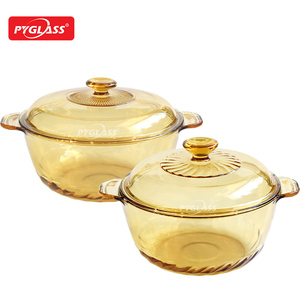
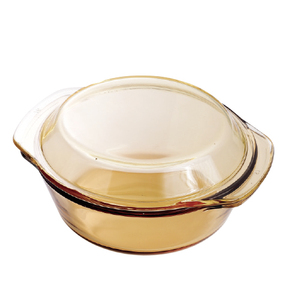
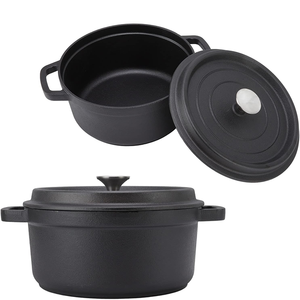
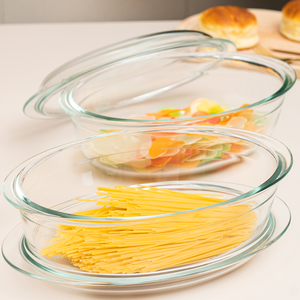
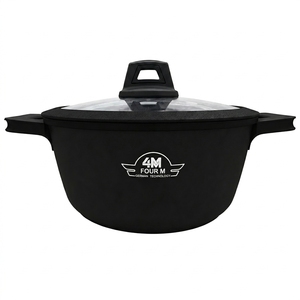
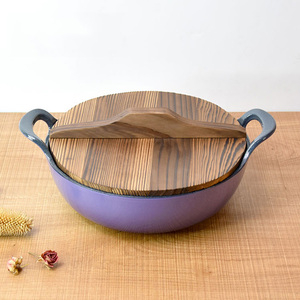
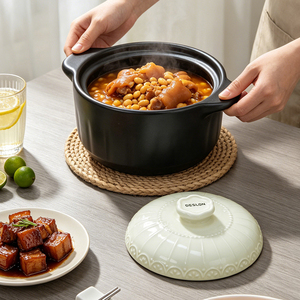
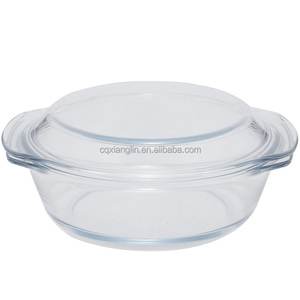
As a premier Chinese manufacturer and exporter of commercial kitchenware and premium casserole dishes, our operational architecture combines decades of ceramic, glass, and metallurgical craftsmanship with modern ISO 9001:2015 quality management standards. We specialize exclusively in custom OEM/ODM solutions and private-label production for international procurement groups, distributors, and kitchenware brands.
We maintain full ownership of our high-precision mold development facility. From initial 3D CAD modeling and prototype sampling to high-volume die-casting and ceramic slip-casting molds, our engineers control structural tolerances within ±0.15mm, drastically shrinking product development cycles for global buyers.
Our material research laboratory houses over 1,300 documented glaze formulations—ranging from eco-friendly non-stick mineral glazes to reactive stoneware finishes and high-gloss enamels. Every batch undergoes spectrophotometer color matching to guarantee zero batch-to-batch shade variance.
Safety is non-negotiable. All casserole product lines—whether borosilicate glass, cast iron enamel, or stoneware ceramics—are certified free of Lead, Cadmium, PFOA, PTFE, and Heavy Metals, complying fully with EU LFGB, US FDA, California Proposition 65, and GB standards.
By conducting raw material refining, automated hydraulic pressing, high-temperature tunnel kiln firing (up to 1320°C), and finished goods packaging inside a centralized industrial complex, we eliminate multi-tier subcontractor markups, offering global buyers direct factory pricing with uncompromised quality assurance.
Choosing the correct material substrate is critical for your regional market's cooking habits, thermal shock demands, and retail price points. Below is an engineering evaluation matrix comparing our core export materials.
| Substrate Material | Thermal Shock Limit (ΔT) | Heat Retention Coefficient | Induction Compatible | Primary Commercial Use Case |
|---|---|---|---|---|
| High Borosilicate Glass (3.3) | ΔT = 120°C to 180°C | Moderate | No (Direct Glass) | Microwave, Baking, Direct Visual Oven Cooking |
| Vitrified Stoneware Ceramic | ΔT = 140°C to 200°C | High | Optional (With Base Disc) | Oven-to-Table Dining, Hospitality, Bakery Sets |
| Enameled Cast Iron | ΔT = 260°C+ | Ultra-High | Yes (Native Ferrous Base) | Slow-Cook Stovetop, Heavy Braising, Premium Retail |
| Die-Cast Granite Aluminum | ΔT = 220°C | Rapid Conduction | Yes (Bonded SS Plate) | Lightweight Daily Cookware, Non-stick Frying/Stewing |
The global casserole cookware market is undergoing a structural transition driven by consumer demand for non-toxic materials, aesthetic kitchen-to-table functionality, and energy-efficient thermal conductivity.
Traditional glass and ceramic casserole dishes faced limitations on modern induction cooktops. Modern factory innovation incorporates micro-encapsulated stainless steel thermal spray bottoms and bonded magnetic stainless disks onto die-cast aluminum and high-fire stoneware bodies. This allows seamless transitions between gas flames, induction hobs, and convection ovens without thermal cracking risk.
Global regulatory pressure and heightened consumer awareness regarding PFAS, PFOA, GenX, and heavy metal leaching have accelerated the adoption of 100% mineral-derived ceramic non-stick coatings and high-vitrification natural clays. Advanced sol-gel ceramic technology allows internal surfaces to achieve friction-free non-stick release while enduring temperatures exceeding 450°C without chemical degradation.
Modern consumers view casserole cookware as presentation tableware. Reactive glazing techniques—where mineral metal oxides react organically inside the kiln at 1280°C—produce one-of-a-kind color gradients and matte tactile finishes. Furthermore, widened loop handles and self-basting lid spikes (which recirculate internal moisture during slow braising) have become standardized baseline expectations for premium OEM product lines.
While traditional enameled cast iron offers unmatched heat retention, its heavy mass creates logistical and handling challenges. Advanced die-casting techniques allow manufacturers to produce ultra-thin wall structures with reinforced base plates—reducing total piece weight by 30% to 40% while preserving heat distribution uniformity.
Navigating global supply chain shifts requires strategic foresight. Importers, brand managers, and procurement officers must align with key manufacturing evolution indicators over the coming decade.
E-commerce disruption and DTC (Direct-to-Consumer) brand proliferation have eroded traditional 10,000-piece minimum order mandates. Modern Chinese suppliers are leveraging modular production lines, allowing customized laser backstamps, custom Pantone glaze matching, and specialized retail packaging at MOQs as low as 500–1,000 units per colorway.
With carbon border adjustment mechanisms (such as the EU CBAM) coming into force, top-tier Chinese manufacturers are converting natural gas tunnel kilns to electric solar-assisted hybrid heating. Sourcing from decarbonized ceramic facilities mitigates future carbon tariff surcharges for Western importers.
With retail sales shifting online, fragile glass and ceramic casserole cookware suffer high transit damage rates if improperly packaged. Future-proof procurement dictates ordering pre-tested ISTA-6A or Amazon Frustration-Free Packaging (FFP) featuring expanded molded EPE foam and heavy double-wall corrugated outer cartons engineered directly at the source factory.
Technical and commercial clarity for procurement professionals, supply chain leads, and private label brand managers.