Engineered for commercial food service durability, hospitality elegance, and private-label retail deployment. Compliant with ISO 9001:2015 and international food-contact safety frameworks.
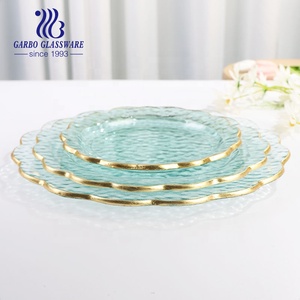
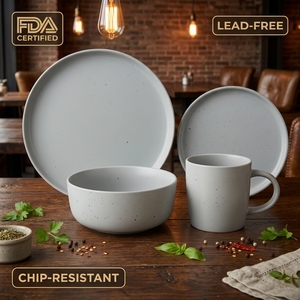
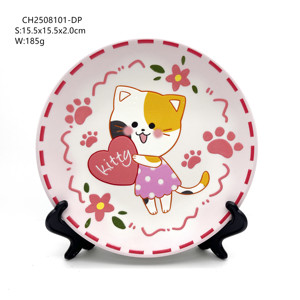
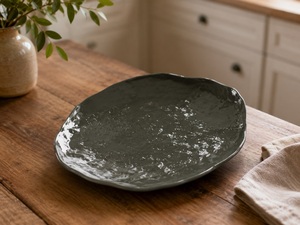
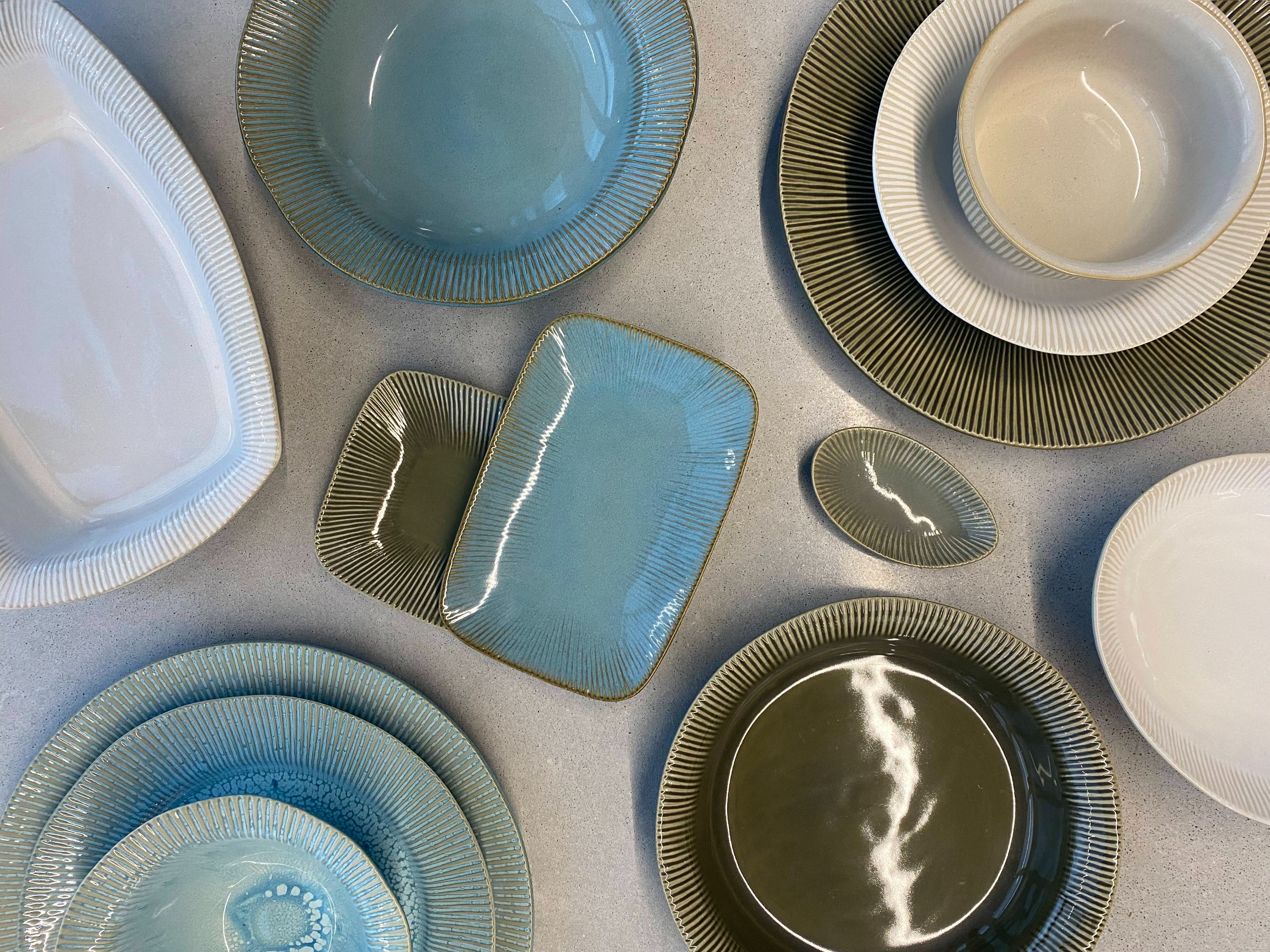
When global brands, hospitality procurement directors, and premium tableware importers audit a China handcrafted ceramics factory, the evaluation extends beyond raw aesthetic charm. It requires a rigorous technical assessment of vitrification temperature controls, body slurry formulations, thermal shock boundaries, and international food safety compliance.
Since 1993, enterprise ceramic manufacturing facilities have evolved from simple slip-casting workshops into sophisticated industrial ecosystems. By unifying in-house mould production, chemical glaze laboratories, and high-temperature tunnel kilns operating at 1280°C to 1320°C, leading tier-1 factories deliver low-porosity, chip-resistant stoneware engineered for intense commercial handling.
Our manufacturing matrix eliminates reliance on trading intermediaries, giving enterprise buyers direct oversight over glaze physics, material safety, and batch consistency.
Custom plaster and resin mould development executed directly within the factory premises. Rapid 3D prototyping compensates precisely for firing shrinkage factors (typically 10%–14%) to guarantee dimensional fidelity across large production runs.
An extensive proprietary database of glossy, satin, matte, and reactive glaze chemistry. In-house ceramic engineers develop custom spectral color matches from Pantone standards or physical ceramic swatches while ensuring 100% lead-free, cadmium-safe formulations.
We operate strictly as a white-label and OEM manufacturer. Custom backstamps, debossed basestamps, laser-etched branding, and customized retail or e-commerce drop-test compliant packaging ensure complete brand isolation and intellectual property security.
Rigorously audited quality management system. Every production batch undergoes strict leaching tests for heavy metals, thermal shock resistance validation according to BS EN 1183 standards, and commercial dishwashing durability per BS EN 12875 protocols.
Strategic analysis for sourcing directors, retail buyers, and hospitality groups navigating international supply chain transformations, compliance mandates, and consumer aesthetic shifts.
Commercial hospitality and premium home dining sectors are actively migrating away from sterile, uniform white porcelain toward high-character stoneware. Handcrafted reactive glazes—where mineral oxides react naturally within the kiln to produce one-of-a-kind color gradients—are witnessing a projected CAGR growth exceeding 8.4% globally.
International retail conglomerates are placing strict ESG carbon limits on tier-1 suppliers. Leading Chinese ceramic factories are replacing traditional coal systems with natural gas tunnel kilns, implementing heat-recovery exchangers, and recycling 100% of greenware (unfired clay) waste to drastically cut carbon footprints per ton produced.
Modern consumer lifestyles demand versatile cookware and serveware. The industry standard has shifted toward ceramic bodies capable of enduring extreme thermal shock—transitioning seamlessly from deep freeze environments (-20°C) straight into convection ovens (+250°C) without micro-cracking or glaze crazing.
A comparative technical breakdown for B2B buyers selecting clay body materials for commercial tableware, bake-ware, and promotional collections.
| Material Parameter | High-Fired Stoneware (Factory Standard) | Commercial Fine Porcelain | Traditional Earthenware / Terracotta |
|---|---|---|---|
| Firing Temperature Range | 1250°C – 1300°C (High Vitrification) | 1300°C – 1400°C | 1000°C – 1150°C (Low Vitrification) |
| Water Absorption Rate | < 0.5% (Non-Porous Body) | < 0.1% (Vitreous Body) | 5.0% – 12.0% (High Porosity) |
| Mechanical Chip Resistance | Superior Edge Strength & Mass Density | High Hardness, Moderate Brittleness | Low Resistance, Prone to Chipping |
| Glaze Aesthetic Variety | Unmatched (Reactive, Matte, Cement, Mottled) | Predominantly Smooth Glossy Monochromes | Basic Gloss Glazes, Limited Firing Range |
| Thermal Shock Endurance | High (Oven, Microwave & Freezer Safe) | Moderate to High | Poor (High Thermal Expansion Risk) |
| Ideal B2B Application | Hospitality, Modern Retail, Ovenware | Formal Fine Dining, Banquet Ware | Low-Cost Seasonal Decor, Planters |
The phrase "handcrafted" in tier-1 Chinese ceramic factories does not signify primitive manual labor; it represents the precise fusion of artisanal human artistry and advanced industrial control. Modern manufacturing lines integrate computer-controlled pyrometric cone firing to ensure zero temperature drift across massive 80-meter tunnel kilns.
Key technological breakthroughs in our factory workflow include:
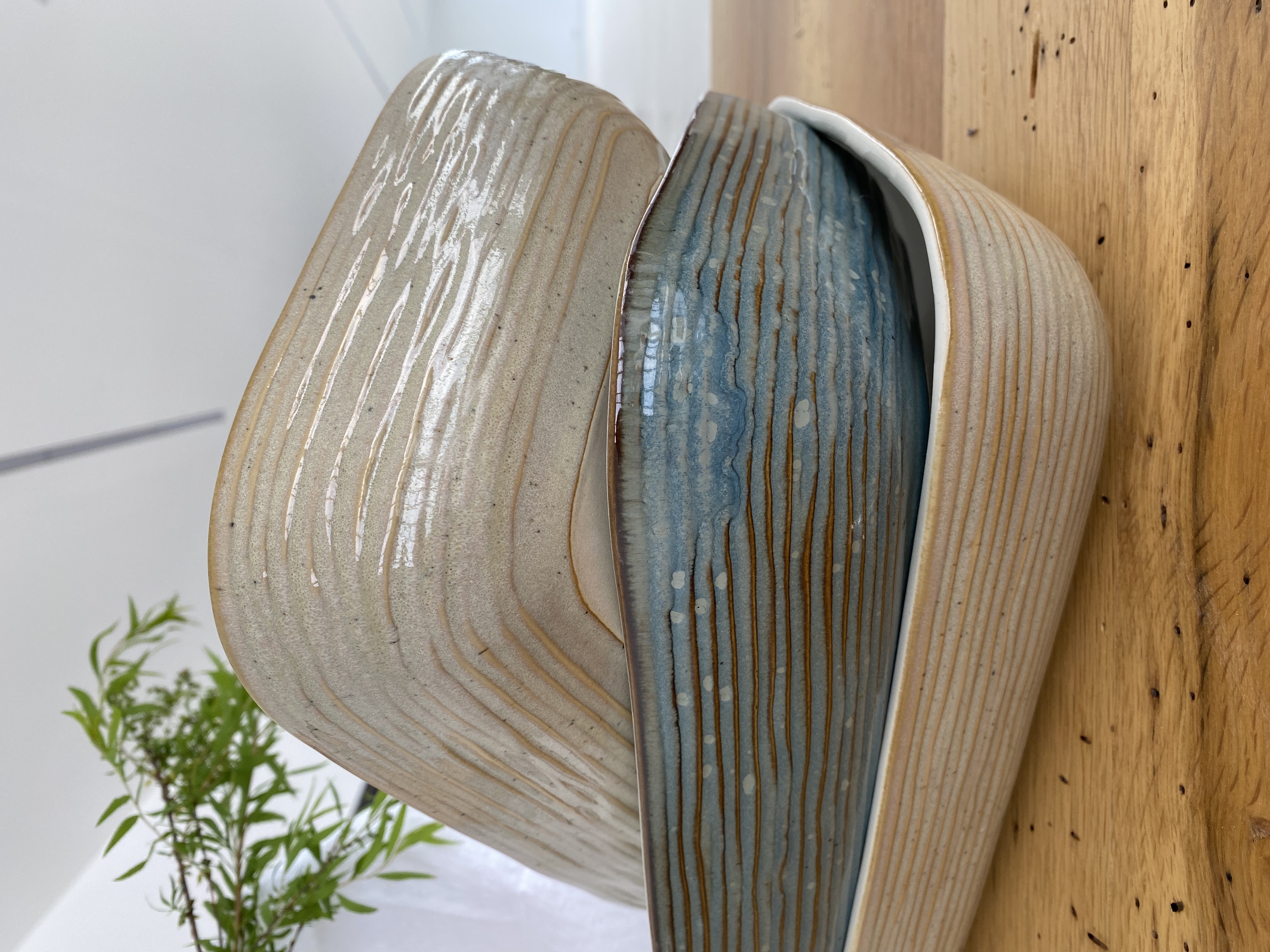
From raw kaolin clay refine to final pallet container loading, every step follows documented ISO 9001 protocols.
High-grade kaolin, feldspar, and quartz are wet-milled in ball mills, magnetic-separated to remove trace iron impurities, and vacuum de-aired to eliminate micro-bubbles.
Forming via slip-casting for complex sculptural shapes, or semi-automated RAM pressing for flatware, ensuring exact weight, rim thickness, and base proportions.
Application of solid or reactive glazes via dipping, spraying, or hand-painted brushwork. Custom logo backstamps are stamped or screen-printed prior to single/double firing.
Products pass through a 1280°C continuous tunnel kiln for 14–18 hours under strictly monitored redox atmospheres to achieve total clay body vitrification.
100% visual inspection under calibrated lighting for glaze defects, pinholes, and warpage. Packed into custom ISTA-3A drop-test certified retail or bulk cartons.
Direct technical answers addressing minimum order quantities, custom sampling, compliance certifications, and freight handling.
Standard production MOQs generally start at 1,000 pieces per shape for existing catalog forms with custom glaze colors, and 2,000 to 3,000 pieces per item for fully custom OEM shapes requiring new plaster mould tooling. Smaller trial runs can be accommodated under specific project evaluation.
Every glaze formula is mixed in-house using non-toxic raw minerals. Finished products undergo regular laboratory testing to guarantee compliance with US FDA CPG Sec. 545.400 / 545.450, California Proposition 65, and European Regulation (EC) No 1935/2004. Official test certificates are issued per production lot.
3D digital file generation and physical 3D prototype printing require 3–5 business days. Plaster mould creation and sample firing take approximately 12–18 days. Once pre-production samples are approved, full container mass production takes 40–50 days depending on kiln scheduling and shape complexity.
Yes. Our glaze chemistry laboratory uses spectrophotometers to match target Pantone codes, RAL standards, or client-provided master ceramics. We provide physical glaze swatches on the intended stoneware body for customer sign-off before commencing full production runs.
We employ heavy-duty 5-ply corrugated outer master cartons, internal egg-crate cell dividers, and high-density EPE foam corner protectors. All export shipments undergo standardized ISTA 1A/3A drop-testing. Cargo is fully corner-boarded, shrink-wrapped, and fumigated on heavy wooden pallets prior to container loading.
Connect directly with our engineering and procurement team in Mortágua. Receive full specification datasheets, custom glaze swatches, and factory-direct pricing for your upcoming tableware project.