Engineered for high-volume wholesale, commercial hospitality resilience (HORECA), and private-label retail distribution.
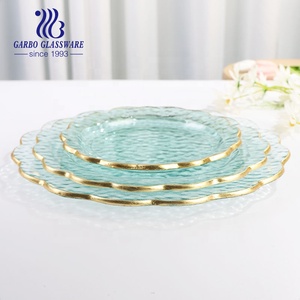

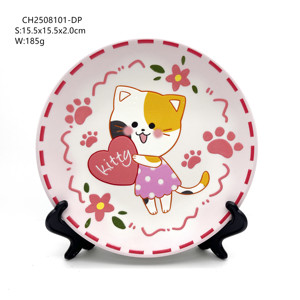

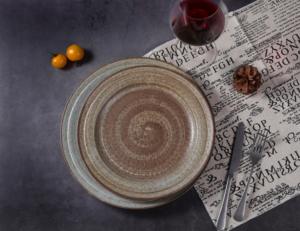
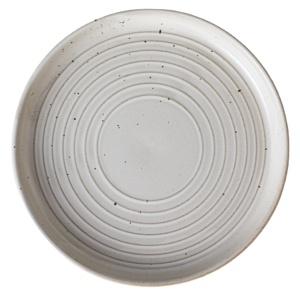

A rigorous engineering comparison between primary ceramic body formulations for professional buyers, procurement teams, and brand owners.
| Technical Metric | Vitrified Commercial Stoneware | Fine Porcelain (Porcelain Blanc) | Traditional Earthenware | Tempered Opal Glass |
|---|---|---|---|---|
| Firing Temperature Range | 1280°C – 1320°C | 1300°C – 1400°C | 1000°C – 1150°C | 1450°C (Melting Phase) |
| Water Absorption Rate (ISO 10545-3) | < 0.5% (Non-Porous) | < 0.2% | 3.0% – 7.0% (Porous) | 0.0% |
| Edge Chipping Resistance (ASTM C368) | High (Reinforced Body) | Very High | Low / Moderate | Moderate (Prone to Stress Fractures) |
| Thermal Shock Tolerance (ΔT) | 180°C – 220°C | 140°C – 160°C | 110°C | 130°C |
| Glaze Versatility & Aesthetics | 1,300+ Reactive, Matte & Gloss | Monochromatic Clear / White Glaze | Basic Low-Temp Glazes | Smooth Monolithic Surface |
| Commercial Dishwasher Cycle Rating | 5,000+ Industrial Cycles | 5,000+ Cycles | < 500 Cycles | 2,000+ Cycles |
Key market shifts driving large-scale ceramic procurement, restaurant supply chains, and private label product development globally.
B2B buyers are moving away from plain monochromatic white dinnerware toward mineral-reactive glazes. Using natural metal oxides (iron, copper, cobalt, rutile) fired in reducing kiln atmospheres, each piece exhibits organic, artisanal variations while retaining standard commercial durability.
International environmental directives mandate ESG compliance. Advanced Chinese ceramic facilities now incorporate zero-liquid-discharge (ZLD) water recycling systems, heat reclamation loops from continuous tunnel kilns, and 100% unfired scrap clay re-slurrying.
Modern HORECA and e-commerce logistical needs favor high stackability indices. Engineered base foot profiles allow plates and bowls to nest securely, reducing transport volume by up to 28% and preventing rim chipping during commercial handling.
Combining classical clay shaping with modern 3D ink printing allows direct deposition of textured tactile motifs. Fired at 1280°C, these decorations fuse permanently into the glaze matrix, surviving high-intensity chemical sanitization.
With global food-safety laws tightening (EU 1935/2004, California Prop 65, FDA 21 CFR 175.300), high-end bulk manufacturers utilize zero-lead frit formulations and high-temperature calcination to eliminate Cadmium and Lead extraction risks completely.
Bulk dinnerware manufacturers now design custom inner mail-order packaging certified for direct-to-consumer parcel delivery. Pre-tested molded pulp and recyclable corrugated inserts ensure zero breakages during transit.
Sourcing commercial-grade dinnerware in large quantities demands absolute precision in material selection, glaze chemistry, thermal shock resistance, and strict quality control. As a premier Chinese ceramic engineering factory, we specialize in private-label OEM/ODM solutions tailored for global retail brands, hotel chains, and major distributors.
Our ceramic body is formulated from ultra-refined, non-hazardous kaolin, ball clay, feldspar, and silica sourced from dedicated mineral reserves. Through high-pressure isostatic pressing and automated roller-head shaping, we achieve uniform density throughout each plate, platter, and bowl.
Glaze performance defines both visual identity and long-term sanitation compliance. Our in-house ceramic chemical laboratory holds a library of over 1,300 proprietary glaze formulations. Whether your brand specifies a silk matte finish, a glossy crystalline coat, or a complex reactive glaze, our engineers match your exact physical pantone or sample reference within 7 to 10 working days.
We provide full-spectrum custom production services to turn your architectural drawings, 3D CAD models, or physical samples into market-ready boxed inventory:
Essential technical, logistical, and production answers for bulk dinnerware buyers.
Our standard MOQ for custom glaze or custom shape OEM production is typically 1,000 sets (or 3,000 individual pieces per item). For standard body molds with stock glaze colors, smaller order quantities can be accommodated upon request.
Yes. All products undergo rigorous chemical leaching tests and physical compliance checks. We supply official certificates for FDA 21 CFR 175.300, California Prop 65, EU Directive 84/500/EEC, and LFGB food-contact safety upon order confirmation.
3D prototypes and initial plaster molds are completed within 7 days. Physical glaze samples take 7–10 days. Mass production lead time ranges from 30 to 45 days after sample approval and deposit receipt, depending on order complexity and kiln scheduling.
We utilize double-wall corrugated outer cartons, internal honeycomb dividers, corner protectors, and heavy-duty shrink-wrapped wood/plastic pallets. Our export packing meets or exceeds ISTA-3A drop test standards.
Yes. Our in-house glaze chemistry laboratory analyzes the mineral composition and firing curves of your physical target sample to recreate identical colors, surface lusters, and reactive crystallization effects.
We execute strict ISO 9001:2015 quality protocols including raw material purity testing, greenware dimension inspection, post-firing thermal shock sampling, dye-penetrant water absorption checks, and 100% visual surface inspection before final packing.
