Explore our high-performance OEM dinnerware lines manufactured under strict ISO 9001:2015 and CE quality standards for hotels, restaurants, and retail brands.
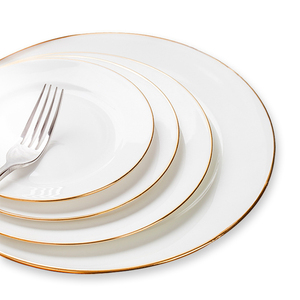
High-translucency bone china with electroplated 24K gold rim detailing. Engineered for luxury hotel banqueting and high-end retail.
Send an Inquiry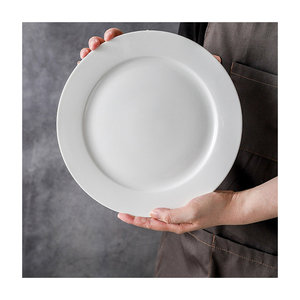
High-strength white porcelain body fired at 1320°C. Features scratch-resistant glaze and reinforced mechanical edge-chip defense.
Send an Inquiry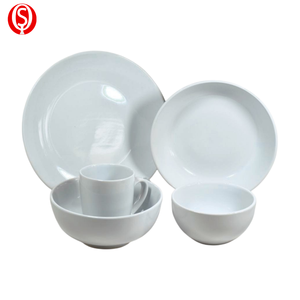
Complete dining assortments combining bowls, salad plates, and dinner plates. Designed for efficient commercial stacking and store logistics.
Send an Inquiry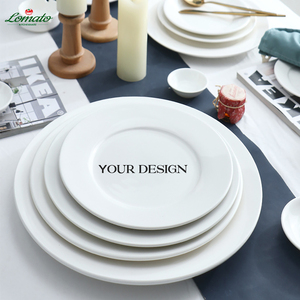
Vitrified porcelain engineered specifically for high-volume commercial catering and dishwashers with zero water absorption (<0.1%).
Send an Inquiry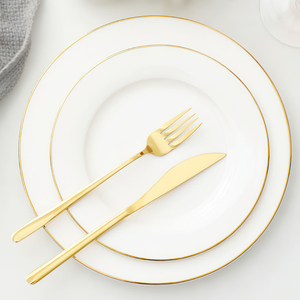
In-glaze gold decals fired in secondary muffle kilns for permanent bonding. Resists chemical corrosion and frequent commercial cleaning.
Send an Inquiry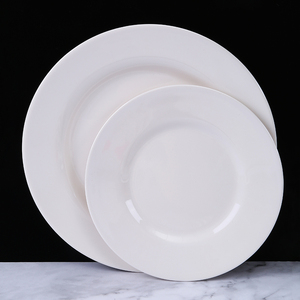
100% pure melamine compound offering ceramic-like heft with unbreakable impact resistance. Perfect for outdoor banquets and buffets.
Send an Inquiry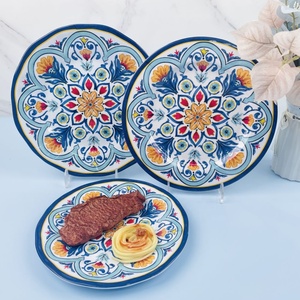
Contemporary Scandinavian aesthetics printed with food-grade foil overlays. Heat-resistant from -30°C to +120°C for modern dining setups.
Send an Inquiry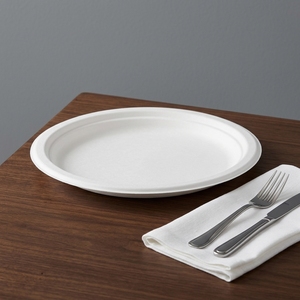
Tree-free, zero-plastic sugarcane fiber construction. PFAS-free water and oil resistance certified for microwave and hot food application.
Send an InquiryBridging European artisanal ceramic heritage with high-throughput modern manufacturing. We empower international distributors, retail chains, and hospitality brands with guaranteed compliance and structural integrity.
Every product batch undergoes strict chemical leach testing under EU Regulation (EC) No 1935/2004, Directive 84/500/EEC, and US FDA CPG 7117.06/07. We guarantee zero lead, zero cadmium, and complete safety for high-temperature microwave and oven use.
Operating our own mold engineering shop and glaze synthesis laboratory, we develop proprietary custom backstamps, complex reactive glaze finishes, and tailored ceramic body formulations from physical color targets (Pantone/RAL) within tight timelines.
Our continuous roller kilns fire ceramic bodies up to 1320°C, achieving ultra-low water absorption (<0.5% for stoneware, <0.1% for porcelain). Products withstand sudden temperature transitions (ΔT ≥ 200°C) without micro-cracking or crazing.
A comprehensive comparison guide engineered for commercial buyers, sourcing directors, and hotel procurement managers to align material specs with operational demands.
| Material Classification | Vitrification Temp. | Water Absorption | Thermal Shock (ΔT) | Key Commercial Advantages | Ideal Procurement Channel |
|---|---|---|---|---|---|
| Fine Bone China | 1220°C - 1280°C | < 0.05% | 160°C | High mechanical strength, translucent ivory tone, luxury prestige | 5-Star Hotels, Luxury Retail, Fine Dining |
| High-Temp Porcelain | 1300°C - 1350°C | < 0.10% | 200°C | Maximum chip resistance, non-porous hygiene, high dishwasher durability | Banqueting, Chains, Healthcare, Catering |
| Vitrified Stoneware | 1180°C - 1250°C | < 0.50% | 180°C | Rich reactive glazes, organic artisanal look, oven-to-table functionality | Boutique Bistros, Trendy Retail Brands |
| A5 Food-Grade Melamine | Thermoformed | 0.00% | -30°C to +120°C | Unbreakable impact rating, lightweight transport, cost-efficient lifecycle | Buffets, Outdoor Dining, Poolside, Schools |
| Sugarcane Bagasse Pulp | Molded Fiber | N/A (Disposable) | Micro / Freezer Safe | 100% Home compostable, zero petroleum content, PFAS-free barrier | Eco-Catering, QSR, Takeaway Logistics |
Navigating structural shifts in commercial dinnerware procurement: circular economy mandates, automated production lines, and reactive glaze chemistry.
International buyers under European Corporate Sustainability Due Diligence Directive (CSDDD) mandates now evaluate factories based on carbon footprint per metric ton of fired ceramic. Forward-thinking manufacturers are adopting heat recovery systems from exhaust flues to pre-heat combustion air, alongside heat reclamation from kilns for body drying. Additionally, closing the loop on ceramic waste—recycling unfired greenware and crushed post-industrial scrap into new clay formulations—is becoming a mandatory buyer baseline.
Hospitality brands are transitioning away from stark, sterile plain white porcelain toward tactile, artisanal reactive glazes. Driven by visual social media culture and experiential dining trends, restaurants demand dinnerware where subtle oxide variations (iron, copper, cobalt) produce unique surface patterns on each plate. The engineering challenge lies in ensuring that despite batch-level visual variation, the glaze retains high scratch resistance (Mohs hardness ≥ 6) and absolute non-porosity for sanitation standards.
Procurement teams are moving beyond initial unit acquisition cost to analyze Total Lifecycle Cost. Commercial dishwashing cycles, rapid stacking, and bussing room impact cause substantial annual breakage replacement expenses (often 15-25% annually in high-volume settings). Advanced porcelain factories now utilize high-pressure isopressing technology combined with alumina-enriched clay bodies, allowing manufacturers to offer multi-year edge-chip warranties to commercial clients.
Regulatory frameworks globally are lowering permissible lead and cadmium extraction limits to near-zero detection levels. Concurrently, restrictions on Per- and Polyfluoroalkyl Substances (PFAS) in biodegradable pulp packaging are forcing eco-friendly tableware manufacturers to innovate bio-based fluorochemical-free barriers (such as plant starch linings and natural wax formulations) that still resist hot oil and liquid penetration without compromising compostability.
Clear, technical answers to common B2B sourcing inquiries regarding compliance, customization, factory audits, and logistics.