
Luxury Banquet
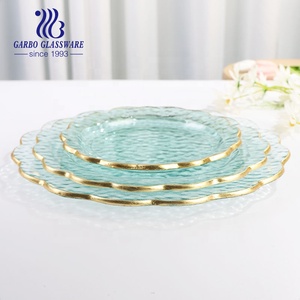
Engineered for high-volume foodservice operations, exceptional thermal shock endurance, zero porosity, and full CE/EU food contact compliance.
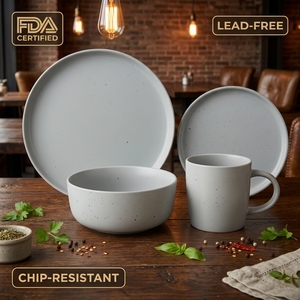
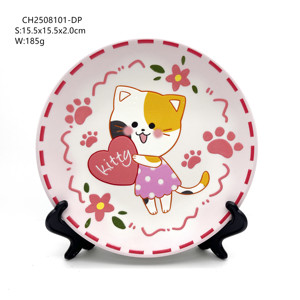
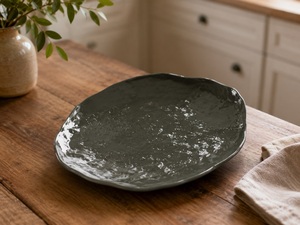
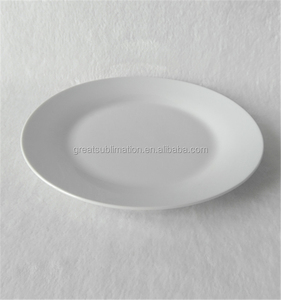
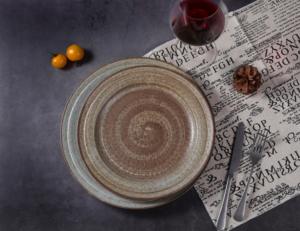
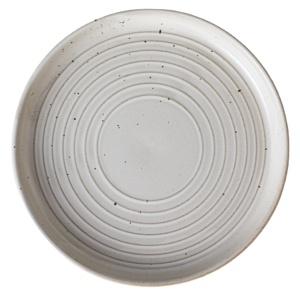
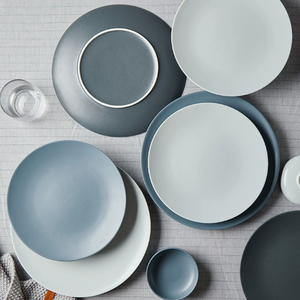
In high-velocity commercial foodservice operations—ranging from luxury 5-star hotel banqueting to heavy-turnover Michelin-recommended bistros—tableware selection directly governs bottom-line operational profitability. Cheap ceramic bodies, inadequate glaze formulation, or uncertified raw materials lead to catastrophic edge chipping, glaze crazing, metal marking, and chemical leaching risks under intensive commercial washing.
As a global B2B buyer, securing CE Certified Hotel Tableware Factories & Suppliers is not merely a formality; it is an imperative safeguard. CE compliance in ceramic and glass food contact materials certifies strict adherence to European Union directives including EC No 1935/2004 (Materials Intended to Come into Contact with Food), Directive 84/500/EEC (Lead and Cadmium Limits), and regional certifications such as German LFGB and US FDA 21 CFR 175.300.
E-E-A-T Sourcing Benchmark: True commercial stoneware vitrifies at temperatures exceeding 1250°C. This alters the molecular matrix of the local Portuguese clay, creating an impermeable physical barrier with water absorption under 0.1%, eliminating bacterial growth vectors and moisture-induced micro-cracking in microwave/oven service.
Operating from the industrial park of Mortágua, Cerages, SA has pioneered customer-centric private label ceramic manufacturing since 1993.
Our dedicated chemical laboratory develops bespoke matte, glossy, dual-tone, and reactive glaze effects. Each glaze formulation undergoes thermal expansion coefficient (CTE) matching to eliminate crazing across long-term dishwasher exposure.
We do not market a competing retail brand. Every piece leaving our kilns is executed exclusively under contract for hotel groups, importers, and design studios. Custom backstamps are deeply fired directly into the ceramic base matrix.
By housing mould design, slip-casting, jiggering, glaze formulation, and tunnel firing under one roof in Mortágua, project revision cycles are reduced by over 60%, allowing rapid turnaround from 3D CAD models to physical samples.
Understanding the microstructural physical properties that determine operational longevity and replacement rates in commercial hotel catering environments.
| Material Benchmark | High-Fired Stoneware (Cerages) | Standard Earthenware | Commercial Porcelain |
|---|---|---|---|
| Firing Temperature | 1250°C – 1280°C (High Vitrification) | 950°C – 1050°C (Low Firing) | 1300°C – 1400°C |
| Water Absorption Index | < 0.1% (Non-porous Body) | 3.0% – 7.0% (High Porosity) | < 0.5% (Vitrified) |
| Thermal Shock Resistance ($\Delta T$) | Pass (>180°C) | Fail (Prone to cracking at >100°C) | Pass (>160°C) |
| Edge Chip Resistance (Impact) | High (Reinforced Rolled Edge Options) | Very Low (Crumbles easily) | Moderate to High |
| Commercial Dishwasher Durability | 5000+ Cycles (Zero Glaze Fade) | Micro-Crazing after 200 Cycles | 5000+ Cycles |
| Aesthetic Versatility | Artisanal Reactive, Solid & Tactile Glazes | Basic Uniform Color Glazes | Predominantly Plain White Glaze |
Choosing the right tableware line requires alignment between food presentation aesthetics and kitchen operational ergonomics. Below are four key technical categories recommended for high-volume B2B sourcing:
Strategic analysis for procurement directors planning multi-year contract renewals and hospitality portfolio developments.
Global hotel chains are prioritizing suppliers with verified eco-friendly operations. Cerages recovers 100% of unfired clay waste, recycles process water via internal filtration plants, and utilizes energy-efficient kiln heat exchange systems to lower carbon emissions per fired unit.
Modern dining moves away from sterile white plates toward textured, sensory surfaces. Satin-matte cement finishes, subtle reactive crystallization, and earthy organic contours elevate visual plate presentation, enhancing guest perception of food quality.
Kitchen storage optimization is critical. Modern tableware designs feature precise foot rims engineered for vertical nesting stability, reducing dish storage footprints in service pass areas while lowering transport damage risks during banquet staging.
Direct technical answers for commercial procurement teams, hotel operating supplies buyers, and global distributors.
Yes. All tableware manufactured at our Mortágua facility fully complies with European CE regulatory benchmarks, including EC Regulation No 1935/2004 and Directive 84/500/EEC. Our products undergo rigorous third-party laboratory testing for zero heavy metal migration (lead and cadmium leaching), making them certified safe for intensive commercial foodservice use.
Because we operate as a dedicated OEM manufacturer, MOQs depend on specific shape parameters, body size, and glaze complexity. Standard custom collection MOQs typically start at 500 to 1,000 pieces per shape/color variant. For specialized custom mold developments, our engineering team provides customized low-volume sampling program options.
Portuguese stoneware benefits from exceptional local clay compositions fired at temperatures between 1250°C and 1280°C. This process achieves complete vitrification, yielding a body density with less than 0.1% water absorption. In contrast, standard ceramics remain porous internally, rendering them vulnerable to thermal shock, bacterial absorption, and glaze chipping.
Yes. Our in-house chemical laboratory maintains a database of over 1,300 developed glaze formulations and specializes in matching physical colour swatches or corporate standards. We produce sample tiles for client review to ensure color fidelity before initiating full production firing.
Absolutely. Our vitrified ceramic formulations possess a high thermal expansion coefficient stability, engineered to transition safely across extreme temperature fluctuations ($\Delta T \ge 180^\circ\text{C}$). They are certified safe for commercial dishwashers (withstanding 5,000+ high-temp cycles), high-heat warming ovens, and commercial freezing units.
Custom logos and brand insignias can be stamped directly into the plaster moulds for an engraved relief effect, or applied via high-fire underglaze decals. Once fired at high temperature, the backstamp becomes an indestructible, permanent part of the ceramic base that will never wear off.
Talk directly with our ceramic technicians in Mortágua. Request custom samples, technical spec sheets, factory compliance certifications, or tailored B2B quotations for your hotel or restaurant project.