Providing global procurement leads with transparent, verifiable technical expertise in structural technical ceramics and vitrified commercial stoneware.
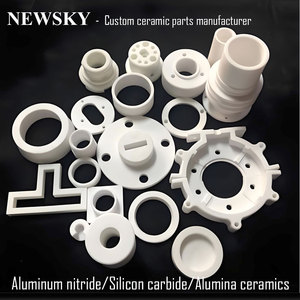
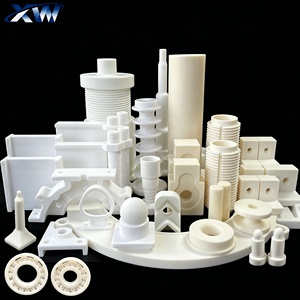
Operating under stringent quality management systems (ISO 9001:2015), our facility specializes in high-purity advanced ceramic manufacturing. We supply precision-machined components engineered from 95% to 99.9% Alumina (Al₂O₃), Zirconia (ZrO₂), Silicon Carbide (SiC), and Aluminum Nitride (AlN).
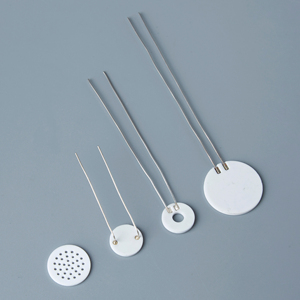
Through diamond tooling and multi-axis CNC machining, we deliver geometric tolerances as strict as ±0.005mm. These structural components provide superior electrical insulation, extreme dielectric strength, and unyielding wear resistance under temperatures exceeding 1,600°C, supporting thermal sensors, electrothermal heaters, and chemical processing valves.
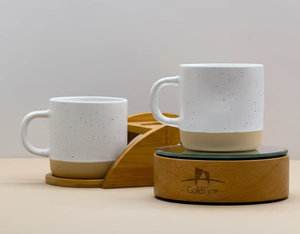
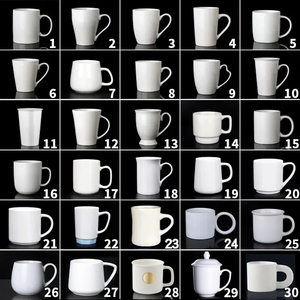
Private Label Consumer Stoneware & Tableware OEM
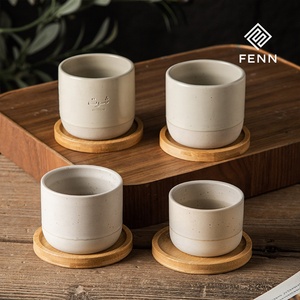
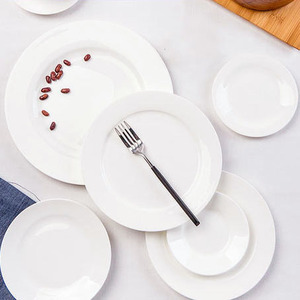
For commercial dinnerware, ovenware, and hospitality procurement, our factory seamlessly integrates historical Portuguese pottery craftsmanship (pioneered in Mortágua since 1993) with automated single-fire kilns. We turn raw ball clay and feldspar into dense, zero-porosity vitrified bodies.
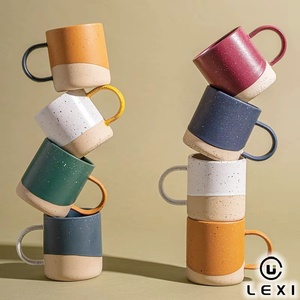
Our proprietary glaze laboratory houses over 1,300 developed glaze recipes, including custom reactive glazes, tactile matte finishes, and high-gloss translucent glazes. Every piece is customizable with permanent firing backstamps, customized relief logos, and direct-to-surface heat decals tailored for global retail and luxury hospitality groups.
Material Science Matrix
Technical Specifications & Performance Benchmarks
Comparative material performance data engineered to assist B2B procurement managers and industrial design engineers in choosing the optimal ceramic substrate.
Global brand buyers are rapidly diversifying away from single-source Asian hubs. European manufacturing facilities offering CE-certified European origin compliance provide shortened maritime transit times, tariff insulation, and guaranteed labor standards—drastically cutting lead-to-shelf cycles from months to weeks.
2. Closed-Loop Zero-Waste Circular Production
Modern procurement briefs prioritize environmental accountability. Advanced ceramic factories are implementing closed-loop greywater filtration and recovering 100% of unfired scrap clay. By utilizing heat exchangers to capture waste energy from gas kilns, overall thermal emissions per metric ton are falling dramatically.
3. Additive Manufacturing & Rapid CNC Tooling
The integration of 3D ceramic printing for rapid prototyping coupled with CAD/CAM master plaster mold production has reduced prototype turnaround times from 8 weeks to under 7 business days. Sourcing directors can test physical ergonomics before capital investment in mass production molds.
Quality Assurance
Understanding CE Certification & International Standards
A comprehensive overview of critical compliance directives mandatory for importing ceramic products into European and North American markets.
CE Certification for consumer ceramics ensures complete safety regarding heavy metal leaching into food matrices. Our glazes undergo continuous ICP-MS laboratory testing to guarantee compliance with strict chemical thresholds:
Lead (Pb) Release Limits: Below 0.8 mg/dm² for cookware; below 4.0 mg/L for hollowware.
Cadmium (Cd) Release Limits: Below 0.07 mg/dm² for cookware; below 0.3 mg/L for general dining plates.
EU No 1935/2004 Traceability: Complete batch code laser marking and backstamp recording for end-to-end supply chain transparency.
Industrial & Thermal Safety Standards
For technical electrothermal ceramic components and high-heat ovenware, CE marking verifies structural integrity under severe operating conditions:
Thermal Shock Resistance (EN 1183): Withstanding extreme thermal transitions without micro-crazing or catastrophic body fractures.
Mechanical Strength & Chip Resistance (BS 4034): Vitrified density prevents moisture retention, protecting against high-temperature steam pressure cracking.
Dielectric Breakdown (IEC 60672): Advanced ceramic insulators tested up to 20 kV/mm dielectric strength for safe integration into electrothermal appliances.
Buyer Knowledge Base
Frequently Asked Questions (FAQ) for Ceramic Sourcing
Expert answers addressing operational, technical, and regulatory concerns faced by procurement executives.
What does CE Certification mean for custom ceramic products?
CE Certification verifies that our ceramic products meet all mandatory European Union safety, health, and environmental protection standards. For consumer ceramics, it guarantees compliance with food contact directives (heavy metal migration limits for lead and cadmium under EU Directive 84/500/EEC). For technical ceramics, it confirms structural integrity, thermal shock compliance, and electrical safety for heating elements.
Can the factory match custom glazes and private brand logos?
Yes. We operate an in-house glaze synthesis laboratory with over 1,300 established glaze formulations. We can match precise Pantone/RAL colors or replicate reactive glazes based on customer physical samples. Logos and brand names can be engraved directly into master molds, applied via high-fire underglaze decals, or stamped as permanent base backstamps.
What is the difference between stoneware, porcelain, and technical alumina ceramics?
Stoneware is fired at 1,180°C to 1,280°C, yielding a dense, micro-porous body ideal for organic textures, reactive glazes, and daily cookware. Porcelain uses refined kaolin clays fired above 1,250°C, resulting in high translucency and chip resistance for commercial dining. Technical alumina ceramics (95%-99.9% Al₂O₃) are engineered advanced materials pressed and sintered above 1,600°C to achieve extreme dielectric strength, Mohs 9 hardness, and mechanical wear resistance for industrial components.
What are the typical lead times and Minimum Order Quantities (MOQs)?
Prototyping and 3D mold development take approximately 7 to 14 days. Production lead time for standard initial OEM orders ranges between 30 and 45 days after pre-production sample approval. MOQs depend on product complexity: technical CNC ceramic parts start at lower volumes (100–500 units), while custom tableware collections typically start at 1,000 units per shape/glaze.
Are your stoneware and tableware products oven, microwave, and dishwasher safe?
Yes. Our stoneware bodies are fully vitrified during high-temperature kilning. This eliminates open porosity and prevents thermal shock cracking, making our tableware and ovenware safe for freezer-to-oven transitions (up to 250°C), microwave exposure, and commercial multi-cycle dishwashers.
Partner with a Certified OEM/ODM Ceramic Manufacturer
From CAD engineering of structural technical ceramics to mass manufacturing of bespoke private-label stoneware collections—our Mortágua facility is ready to turn your project specifications into certified reality.